Asset Protection Trust Uk
Description
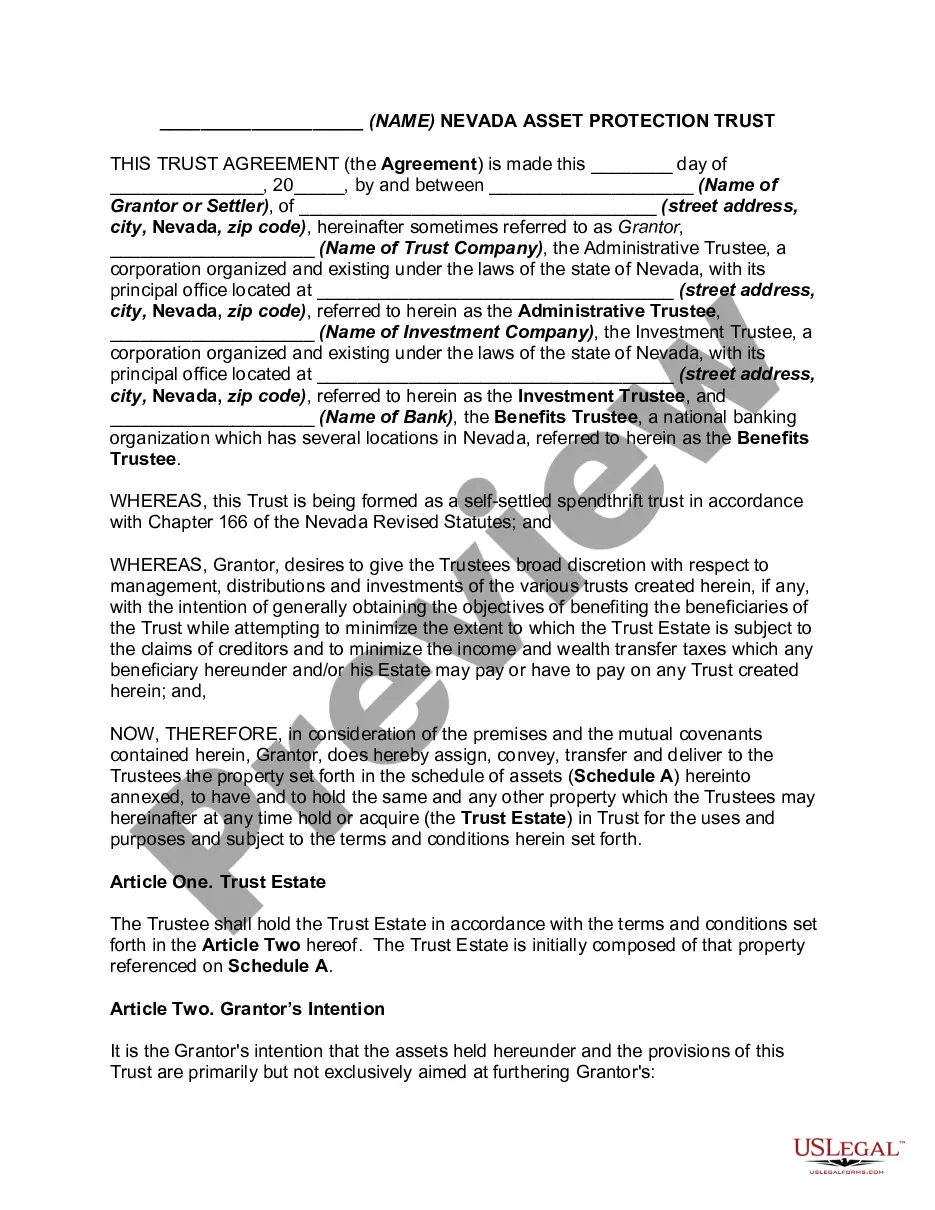
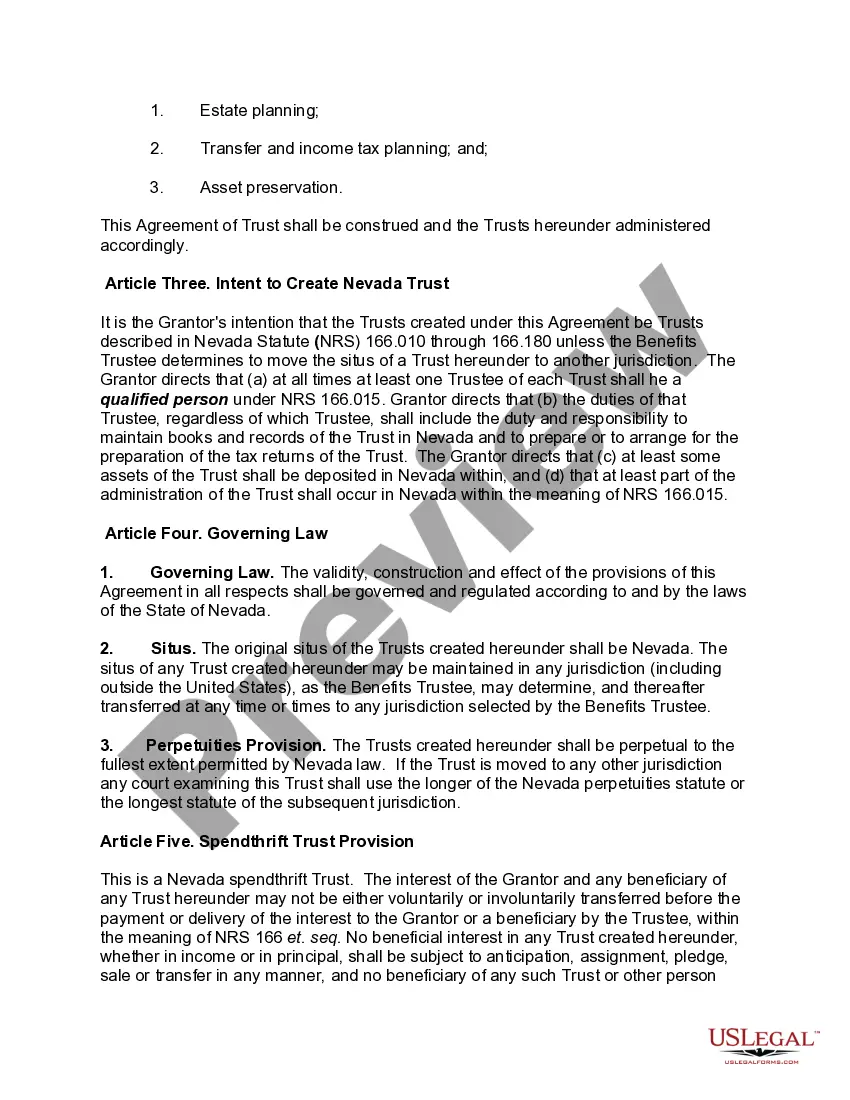
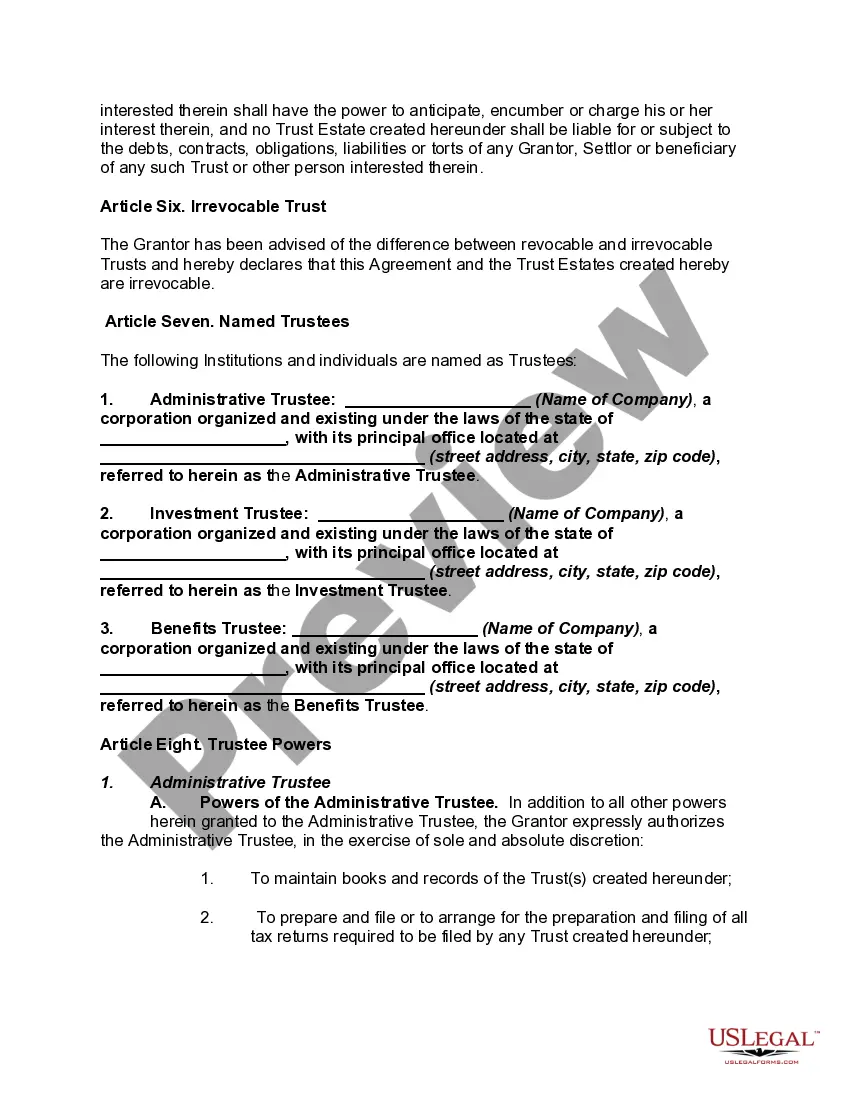
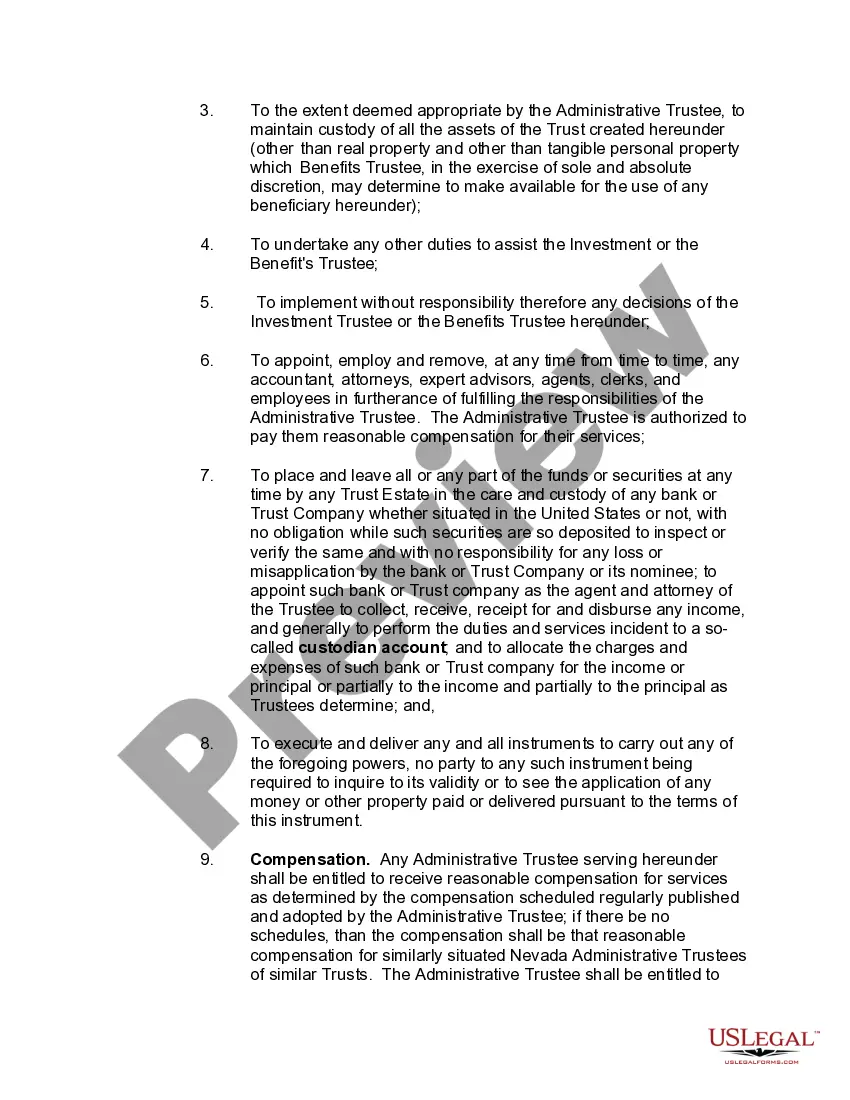
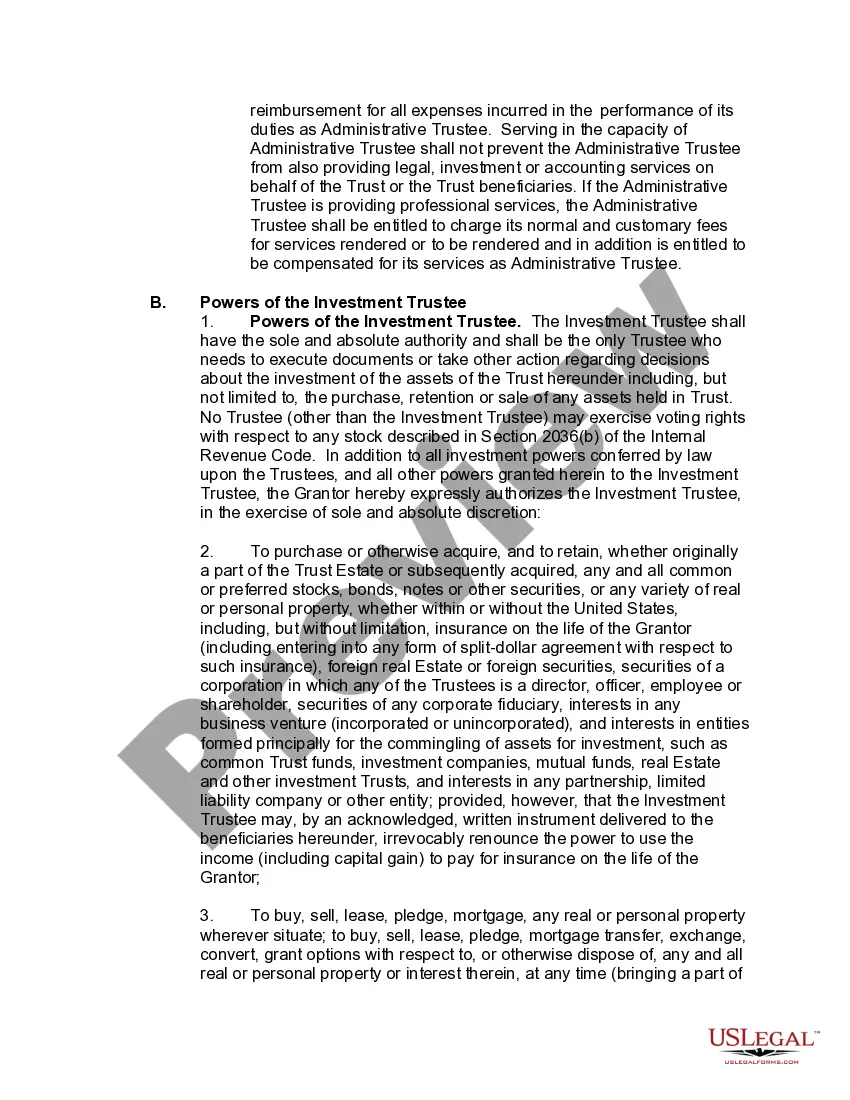
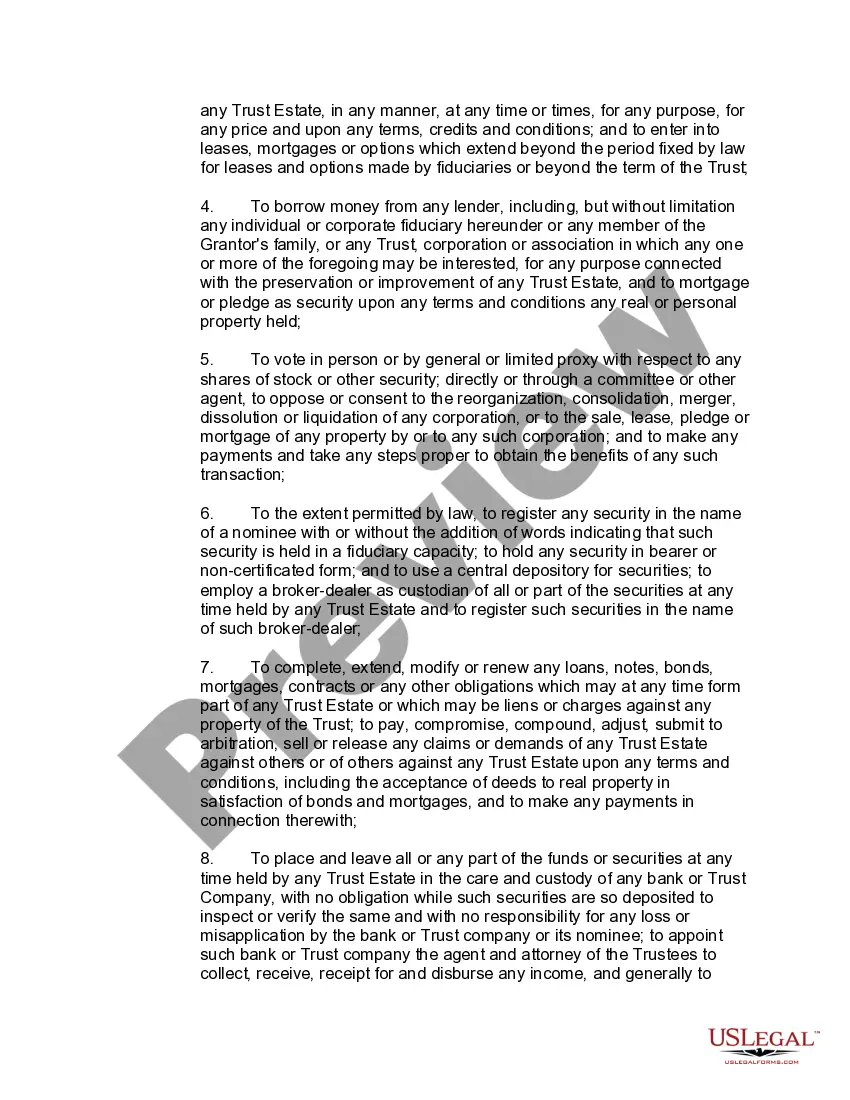
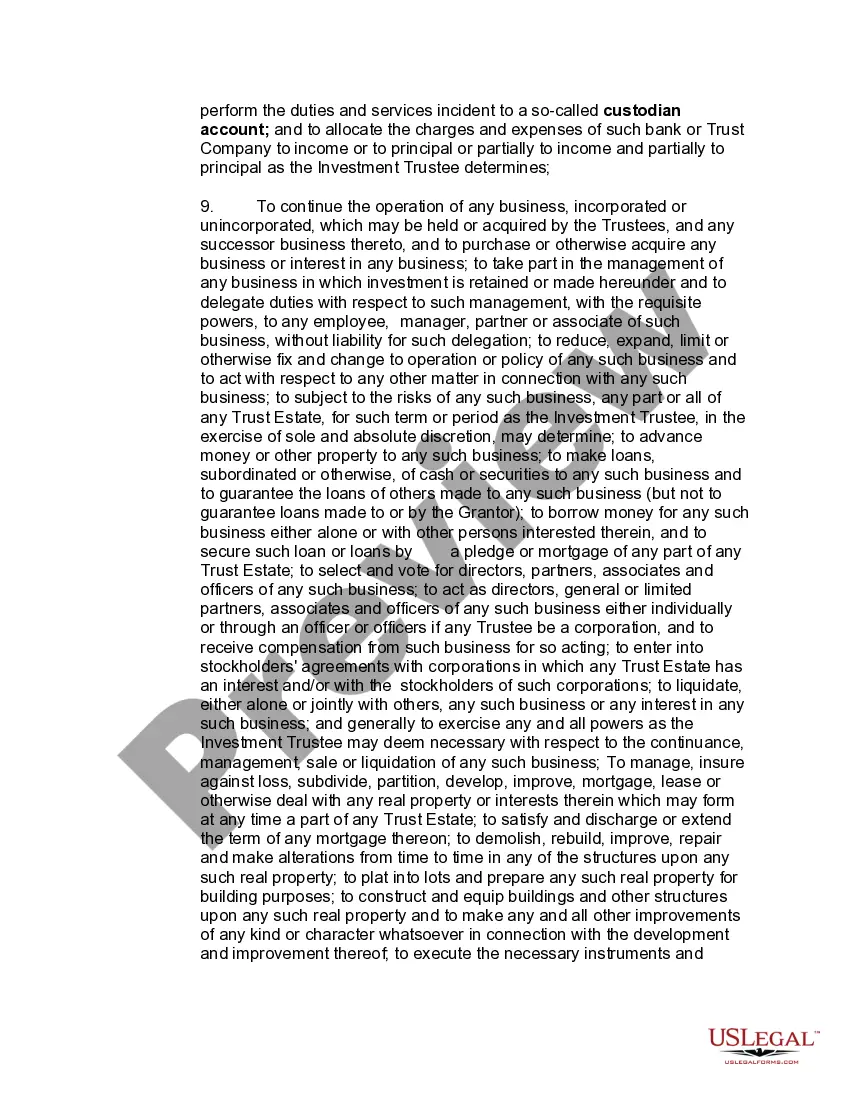
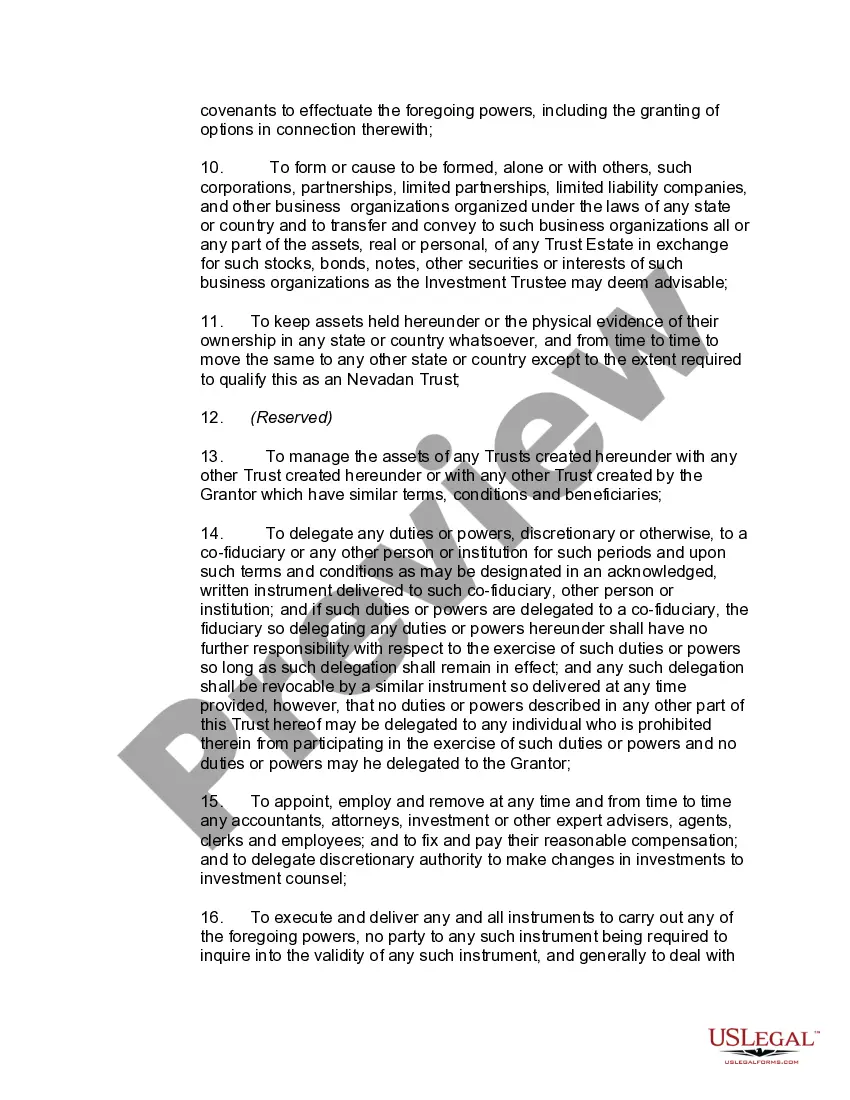
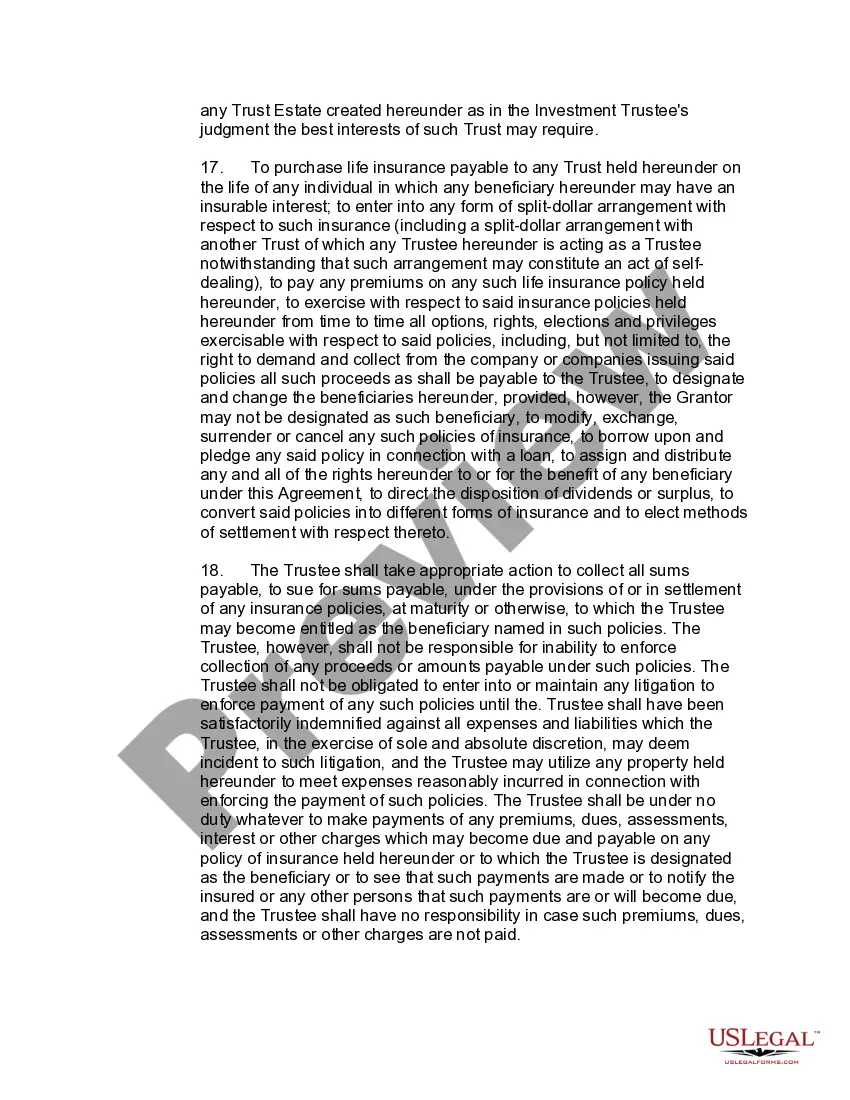
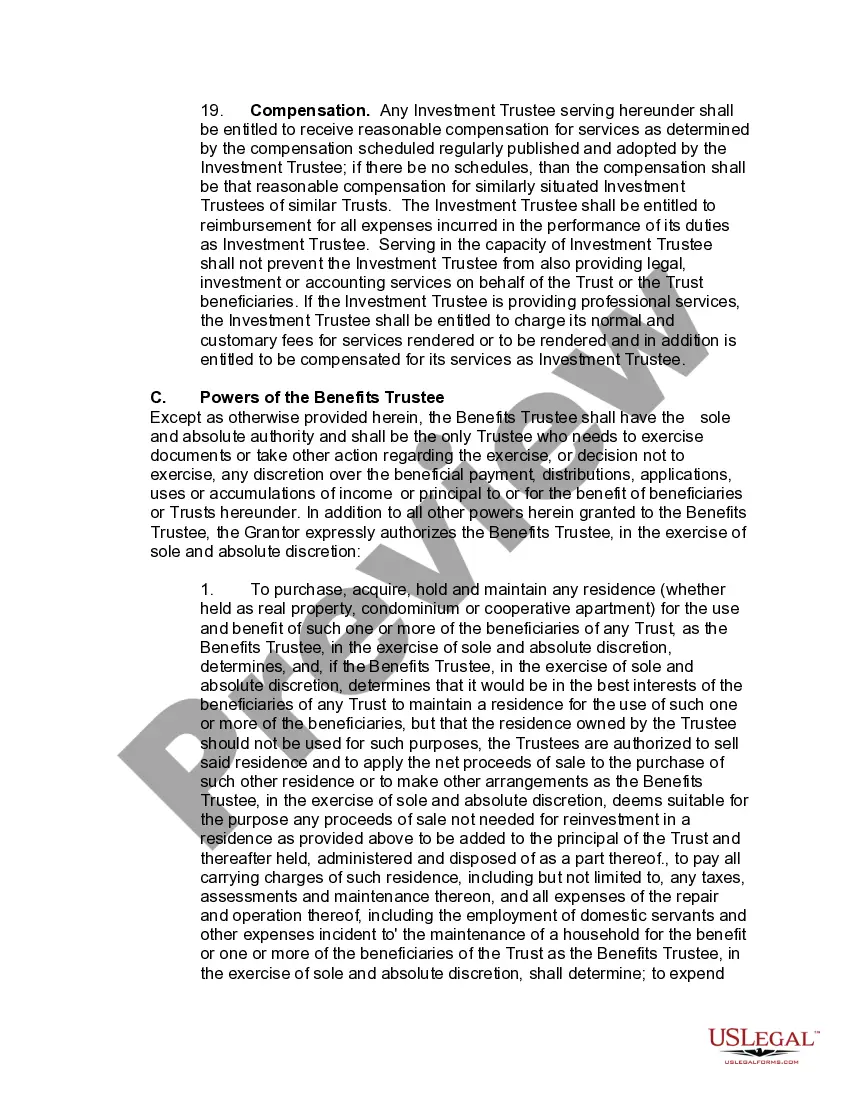

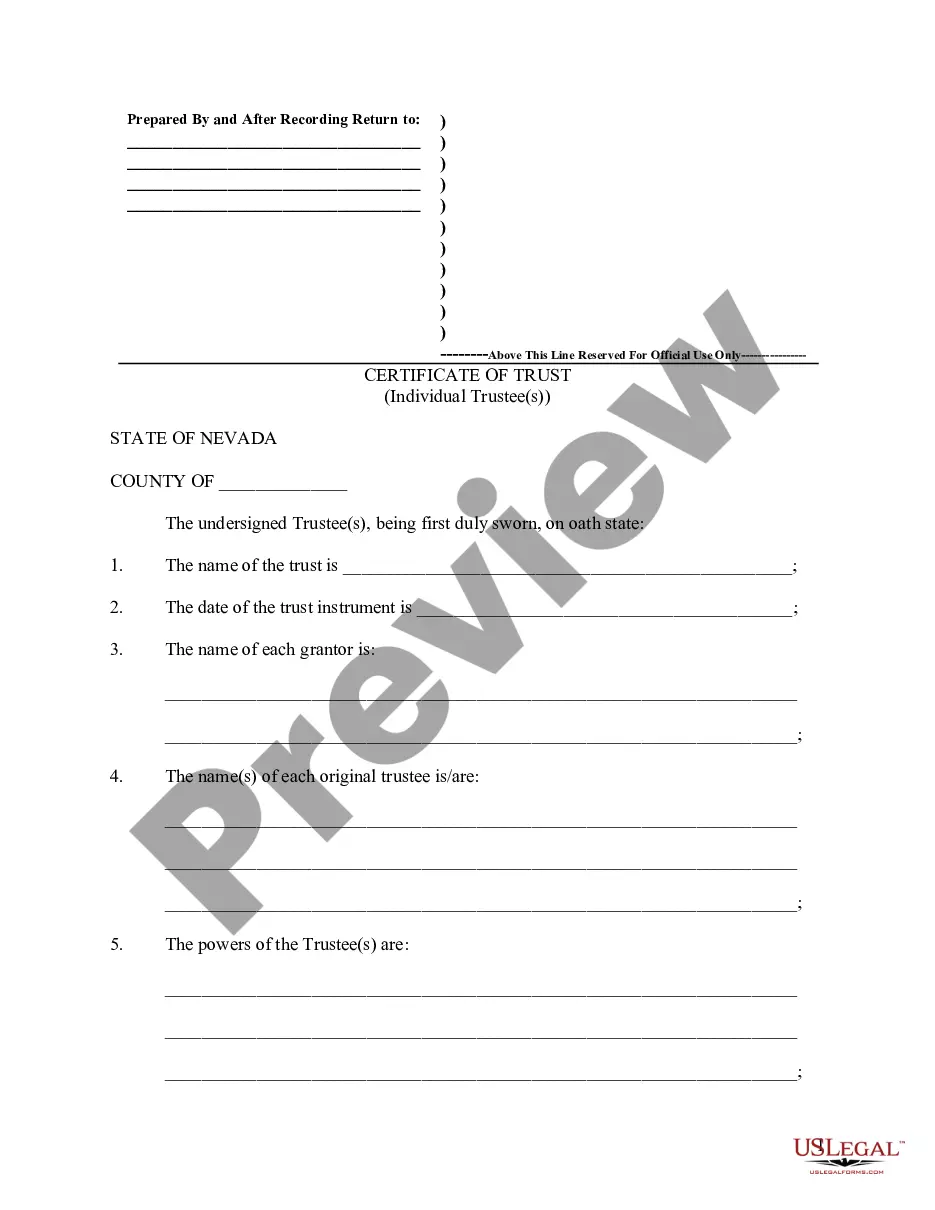
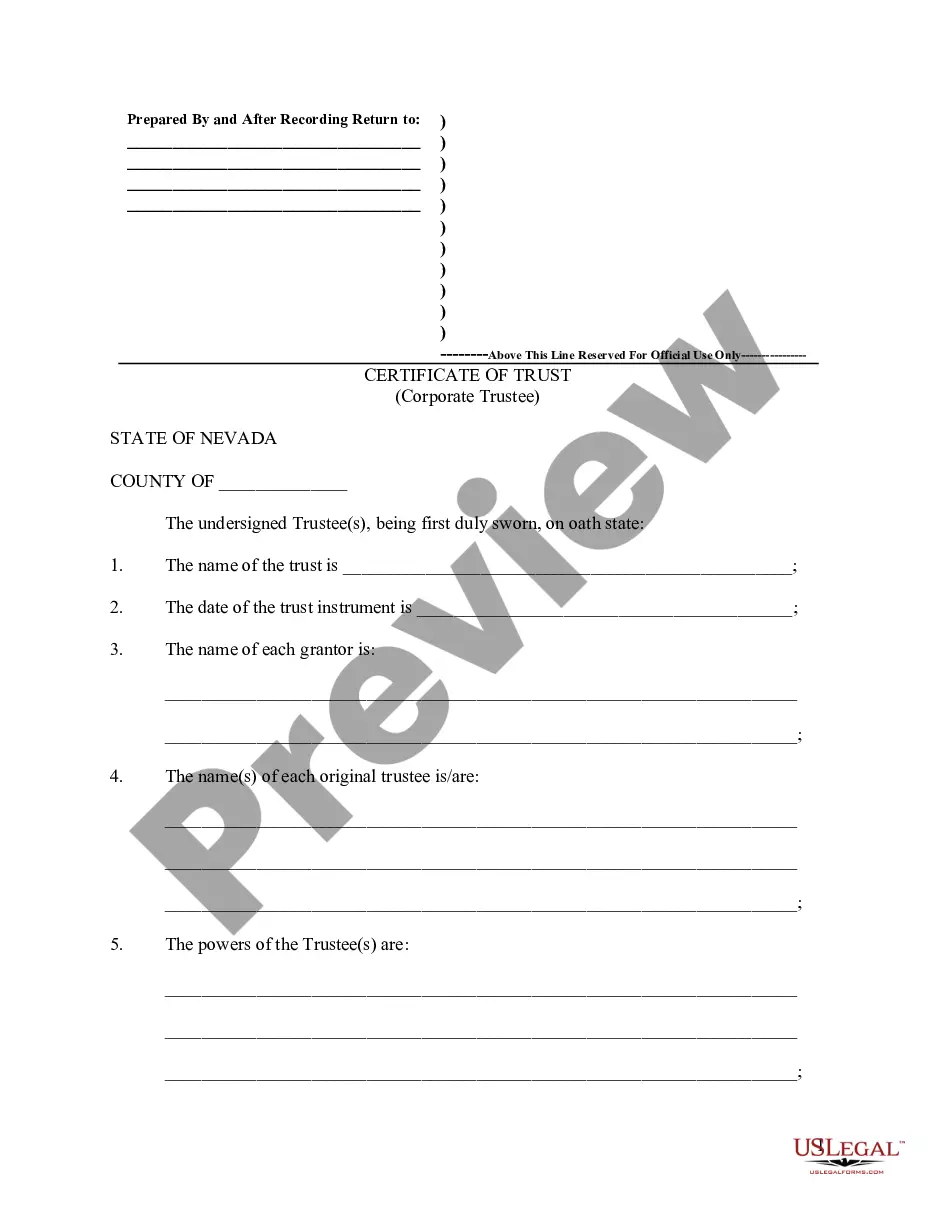
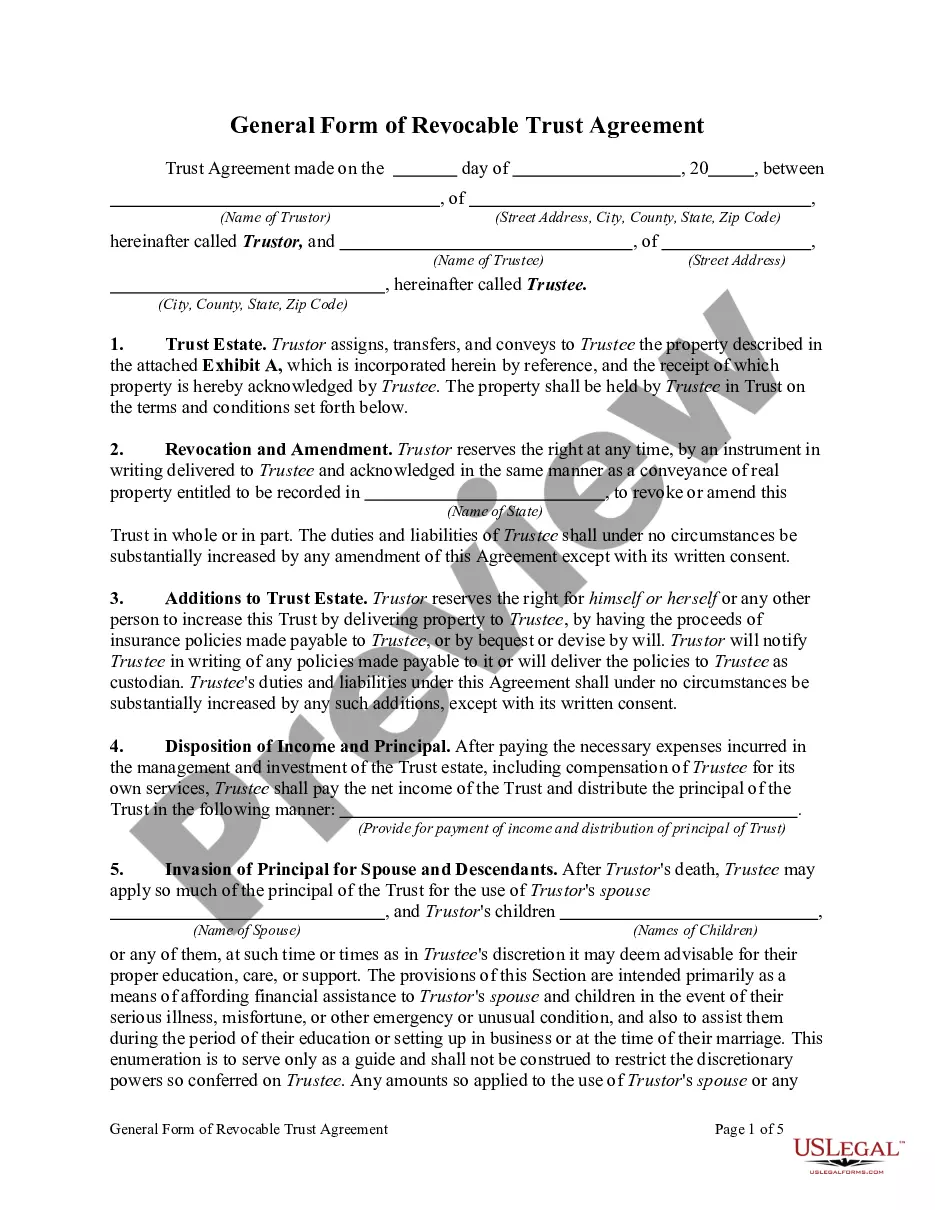
Get your form ready online
Our built-in tools help you complete, sign, share, and store your documents in one place.
Make edits, fill in missing information, and update formatting in US Legal Forms—just like you would in MS Word.
Download a copy, print it, send it by email, or mail it via USPS—whatever works best for your next step.
Sign and collect signatures with our SignNow integration. Send to multiple recipients, set reminders, and more. Go Premium to unlock E-Sign.
If this form requires notarization, complete it online through a secure video call—no need to meet a notary in person or wait for an appointment.
We protect your documents and personal data by following strict security and privacy standards.

Make edits, fill in missing information, and update formatting in US Legal Forms—just like you would in MS Word.

Download a copy, print it, send it by email, or mail it via USPS—whatever works best for your next step.

Sign and collect signatures with our SignNow integration. Send to multiple recipients, set reminders, and more. Go Premium to unlock E-Sign.

If this form requires notarization, complete it online through a secure video call—no need to meet a notary in person or wait for an appointment.

We protect your documents and personal data by following strict security and privacy standards.
Looking for another form?


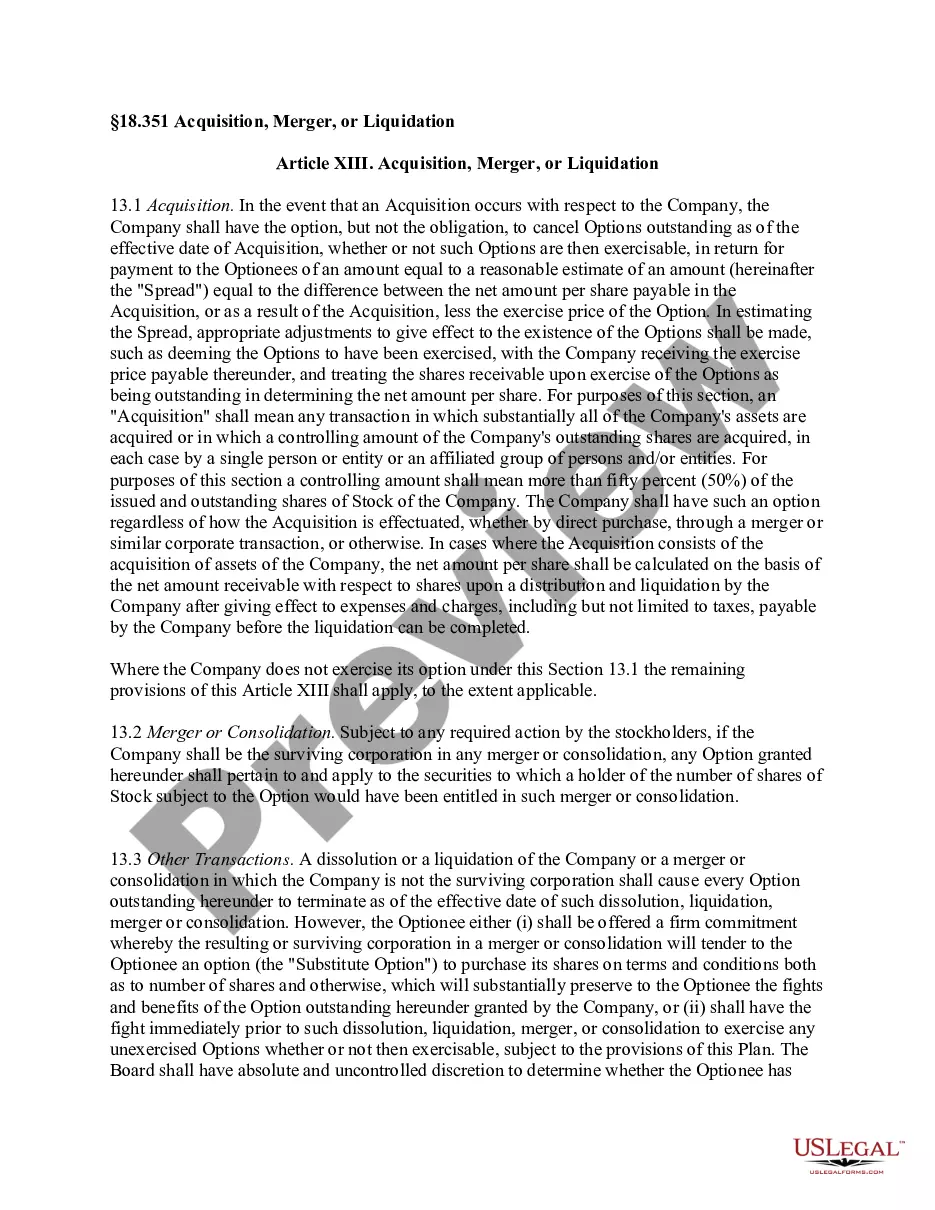






How to fill out Nevada Asset Protection Trust?
- If you're an existing US Legal Forms user, log in and download the relevant template to your device by selecting the Download button. Ensure your subscription remains active; renew if necessary.
- For first-time users, start by reviewing the Preview mode and form description to confirm you’ve selected the right template that complies with your local jurisdiction regulations.
- If you encounter inconsistencies, use the Search tab at the top to locate a more suitable form before proceeding.
- Once you have your desired document, click on the Buy Now button and select your preferred subscription plan. You will need to create an account to enjoy full access to the library.
- Complete your purchase by entering your credit card information or opting for PayPal to handle the subscription payment.
- Finally, download your form and save it on your device. You can always revisit it later in the My Forms section of your profile.
By leveraging US Legal Forms, you gain access to one of the most extensive libraries featuring over 85,000 fillable legal documents. This online platform not only streamlines the document acquisition process but also offers expert assistance for ensuring accuracy and legal compliance.
Begin your journey to asset protection today. Explore the US Legal Forms library to secure your financial future!
Form popularity
FAQ
Setting up an asset protection trust UK involves several key steps that are straightforward yet require careful planning. First, consult with a legal expert who specializes in trusts to understand the implications and benefits specific to your situation. Next, draft the trust document, specifying the terms and beneficiaries. Finally, fund the trust with your assets, ensuring you comply with local regulations to enhance protection.
When considering an asset protection trust UK, a discretionary trust is often the most effective choice. It allows a trustee the flexibility to distribute assets without a fixed structure, thus providing a degree of protection against creditors. By placing your assets in a discretionary trust, you can safeguard your wealth while retaining some control over it. Therefore, exploring this option can be wise for protecting your financial future.
Writing an asset protection trust requires careful attention to detail and an understanding of legal terms. Start by defining the purpose of the trust, identifying the assets involved, and naming the trustee. To ensure compliance and effectiveness, it’s highly recommended to work with legal professionals who specialize in asset protection trust UK.
A common mistake parents make in the UK when setting up a trust fund is failing to review and update the trust regularly. Life events, such as births, deaths, or changes in family circumstances, can impact the trust’s effectiveness. Regular reviews help ensure that your asset protection trust UK remains aligned with your family's needs and goals.
To create an asset protection trust, you must meet specific legal requirements set by UK law. You need to be the legal owner of the assets you're transferring, and you should have a clear intention to protect those assets. Consulting a legal expert can help ensure that you meet all criteria, allowing for the smooth establishment of your asset protection trust UK.
The best trust structure for asset protection typically includes a discretionary trust. This allows the trustee flexibility in distributing assets to beneficiaries while providing protection from creditors. When considering an asset protection trust UK, it's essential to tailor the trust structure to meet your specific needs, which can greatly enhance its effectiveness.
An asset protection trust in the UK is designed to shield your assets from creditors and legal claims. When you transfer your assets into the trust, they are no longer considered part of your estate, providing a layer of protection. This structure ensures that the assets can be managed and distributed according to your instructions while minimizing risks associated with financial liabilities.
To establish an asset protection trust, start by consulting a qualified attorney experienced in trust law. You'll need to decide on the assets to be included and select a trustee who will manage the trust according to your wishes. The process can involve drafting a legal document that outlines the terms of the asset protection trust UK, ensuring it complies with current laws.
Many parents overlook the importance of clear communication when setting up a trust fund. Without discussing their intentions and the trust's purpose with their beneficiaries, misunderstandings can arise, leading to conflict. It's crucial to document your wishes clearly and ensure that family members understand the expectations from an asset protection trust UK.
One major disadvantage of an asset protection trust is the loss of control over the assets. Once you place your assets in the trust, you may not have direct access or control over them. Additionally, setting up an asset protection trust UK can involve significant legal costs, and ongoing management can be time-consuming, potentially complicating your financial situation if not structured properly.