Tenant About Lease With Landlord
Description
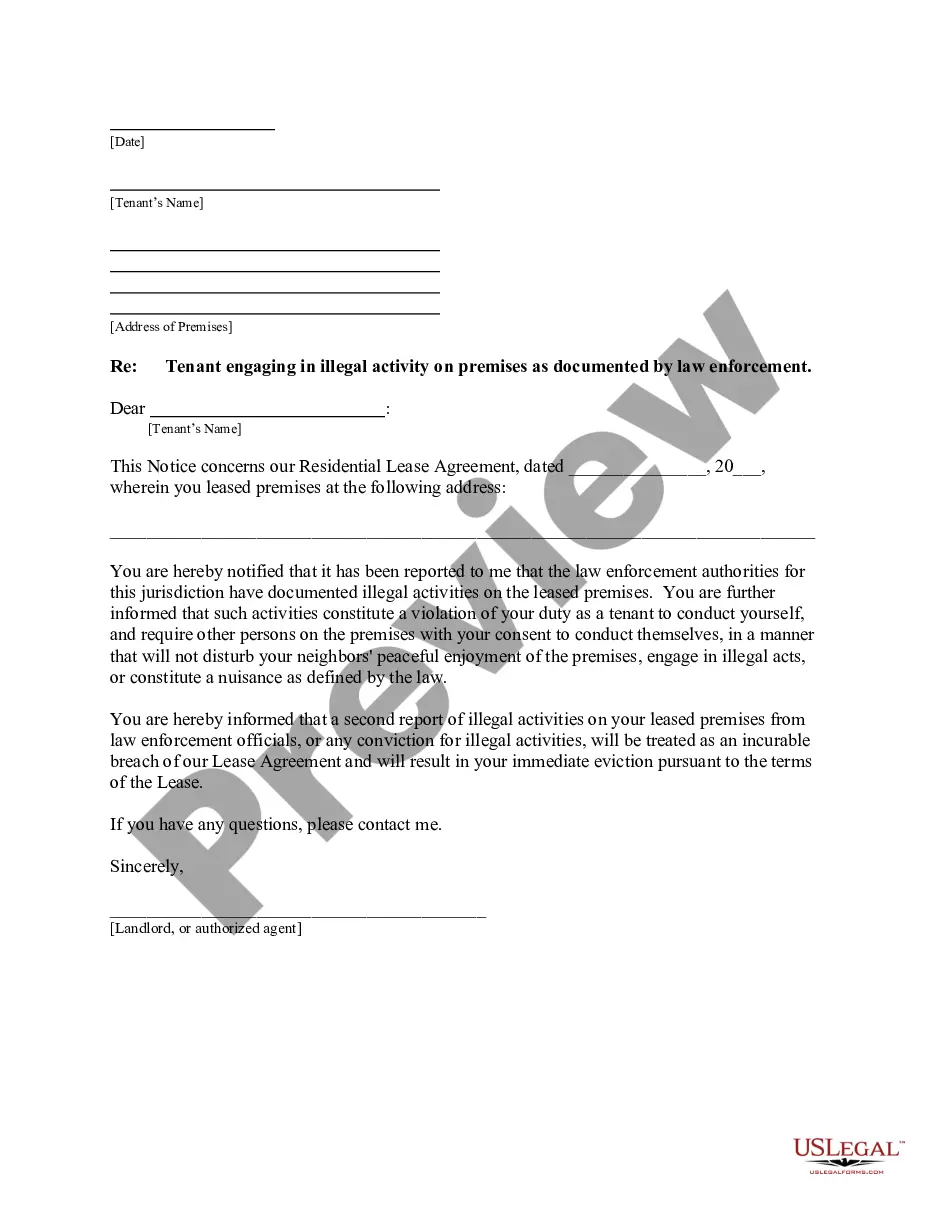

Get your form ready online
Our built-in tools help you complete, sign, share, and store your documents in one place.
Make edits, fill in missing information, and update formatting in US Legal Forms—just like you would in MS Word.
Download a copy, print it, send it by email, or mail it via USPS—whatever works best for your next step.
Sign and collect signatures with our SignNow integration. Send to multiple recipients, set reminders, and more. Go Premium to unlock E-Sign.
If this form requires notarization, complete it online through a secure video call—no need to meet a notary in person or wait for an appointment.
We protect your documents and personal data by following strict security and privacy standards.

Make edits, fill in missing information, and update formatting in US Legal Forms—just like you would in MS Word.

Download a copy, print it, send it by email, or mail it via USPS—whatever works best for your next step.

Sign and collect signatures with our SignNow integration. Send to multiple recipients, set reminders, and more. Go Premium to unlock E-Sign.

If this form requires notarization, complete it online through a secure video call—no need to meet a notary in person or wait for an appointment.

We protect your documents and personal data by following strict security and privacy standards.
Looking for another form?








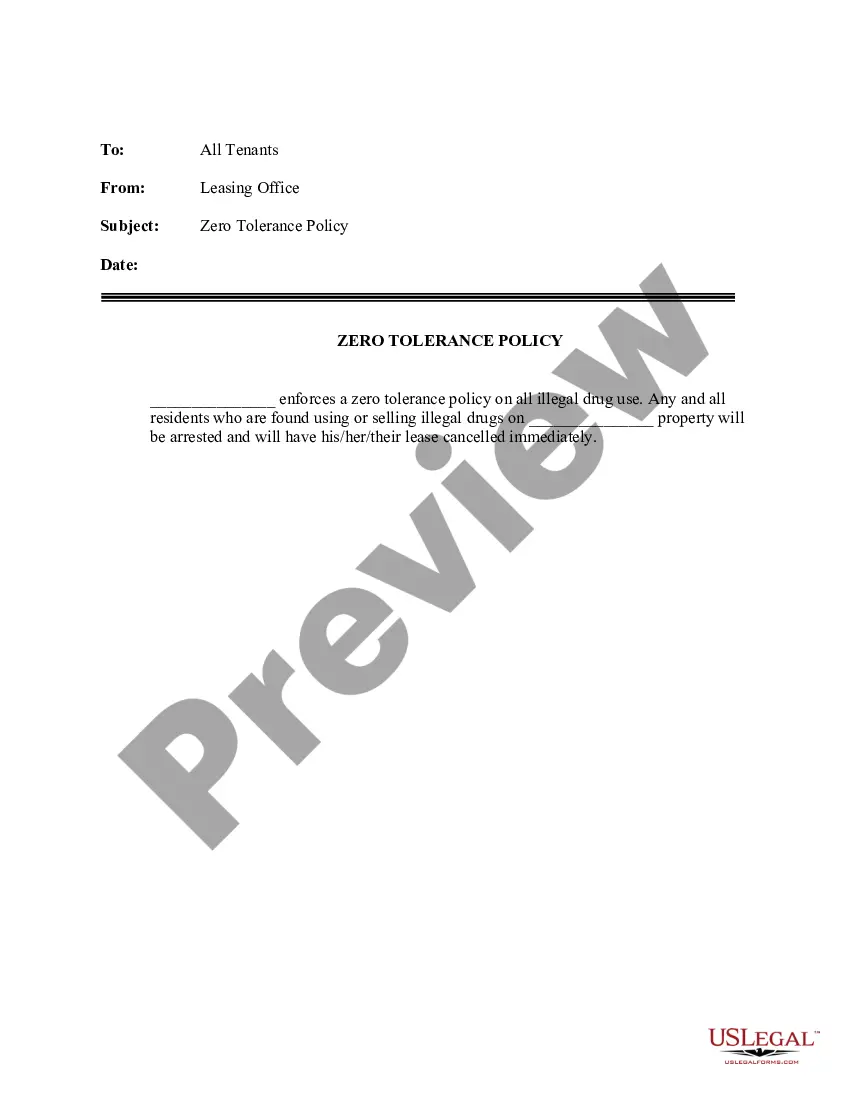
How to fill out New Mexico Letter From Landlord To Tenant About Tenant Engaging In Illegal Activity In Premises As Documented By Law Enforcement And If Repeated, Lease Terminates?
- Log into your US Legal Forms account or create a new account if you're a first-time user.
- Search for the desired lease form using the Preview mode and confirm the document aligns with your local jurisdiction.
- If needed, use the Search tab to find alternative templates that better suit your requirements.
- Select the suitable form and click on the Buy Now button to choose your preferred subscription plan.
- Complete your purchase by entering your payment details via credit card or PayPal.
- Download the document to your device for easy access anytime through the My Forms section of your profile.
By following these steps, you'll secure a rental lease form that meets your specific needs. US Legal Forms not only offers an extensive collection of over 85,000 editable legal documents but also connects you with premium experts for effective guidance.
Take control of your lease process today—explore the benefits of US Legal Forms and ensure your agreements are legally sound!
Form popularity
FAQ
In the absence of a tenancy agreement, the law may still consider you a tenant based on your history of occupancy and rent payments. This gives you certain rights, and it may be treated similarly to a month-to-month lease. As a tenant about lease with landlord, it's crucial to know your rights and options. Resources like US Legal Forms can help you navigate these legalities.
When your landlord does not provide a lease, you should review your situation carefully. Gather any evidence of your rental payments and terms discussed. As a tenant about lease with landlord, this documentation can help protect your rights if disputes arise. Consider utilizing legal services to understand better your situation and what rights you possess.
If your landlord does not send a new lease, the terms of your original agreement may still apply, assuming one existed. It’s important to communicate with your landlord to clarify the situation, as you might still have rights as a tenant about lease with landlord. Afterward, if needed, you can rely on platforms like US Legal Forms to explore your options further. Staying informed can empower you during this process.
If your landlord never provided a lease, start by documenting your communication with them. You may have an implied lease based on your rental payments and occupancy. As a tenant about lease with landlord, ensure you understand your rights under state law, which may protect you. Seeking help from a legal resource can also clarify your options.
Yes, a landlord can sue even if there is no written lease. In this case, the law often recognizes a verbal agreement or implied lease based on tenant occupancy and rent payments. As a tenant about lease with landlord, it’s essential to understand your rights in such situations. Consulting a legal expert can provide clarity on your specific circumstances.
In New York, a tenant can refuse entry to a landlord under certain circumstances, such as lack of proper notice. Tenants enjoy the right to privacy and should be informed about visits unless it's an emergency. Familiarizing yourself with your rights as a tenant about lease with the landlord is essential. Always communicate with your landlord to maintain a positive relationship.
If your husband is not on the lease, you may be able to ask him to leave, especially if you are the sole leaseholder. However, it's important to consider your relationship and the impact of such actions. Open dialogue can often resolve conflicts more effectively. Providing him with clear information and resources can assist in this situation.
Yes, if you are not on the lease, your girlfriend may have the legal right to end your stay. As the leaseholder, she holds the authority over the property. Nonetheless, it's best to communicate openly about the situation and seek a mutual understanding. Discuss your living arrangements to find a solution that works for both of you.
If you are not on the lease, your rights may be limited compared to legal tenants. You may still have some rights regarding your living situation, particularly if the landlord has allowed you to stay. However, understanding your position is key, and seeking advice can be helpful. Explore resources to clarify your status and rights about the lease with the landlord.
Red flags in a lease agreement include unclear terms, high fees for breaking the lease, and maintenance responsibilities that fall excessively on the tenant. Look out for clauses that seem overly strict or unfair. Additionally, ensure that the lease outlines the landlord's responsibilities clearly. Recognizing these red flags can help you negotiate better terms.