Tenant Failure Plumbing For The House
Description


Get your form ready online
Our built-in tools help you complete, sign, share, and store your documents in one place.
Make edits, fill in missing information, and update formatting in US Legal Forms—just like you would in MS Word.
Download a copy, print it, send it by email, or mail it via USPS—whatever works best for your next step.
Sign and collect signatures with our SignNow integration. Send to multiple recipients, set reminders, and more. Go Premium to unlock E-Sign.
If this form requires notarization, complete it online through a secure video call—no need to meet a notary in person or wait for an appointment.
We protect your documents and personal data by following strict security and privacy standards.

Make edits, fill in missing information, and update formatting in US Legal Forms—just like you would in MS Word.

Download a copy, print it, send it by email, or mail it via USPS—whatever works best for your next step.

Sign and collect signatures with our SignNow integration. Send to multiple recipients, set reminders, and more. Go Premium to unlock E-Sign.

If this form requires notarization, complete it online through a secure video call—no need to meet a notary in person or wait for an appointment.

We protect your documents and personal data by following strict security and privacy standards.
Looking for another form?

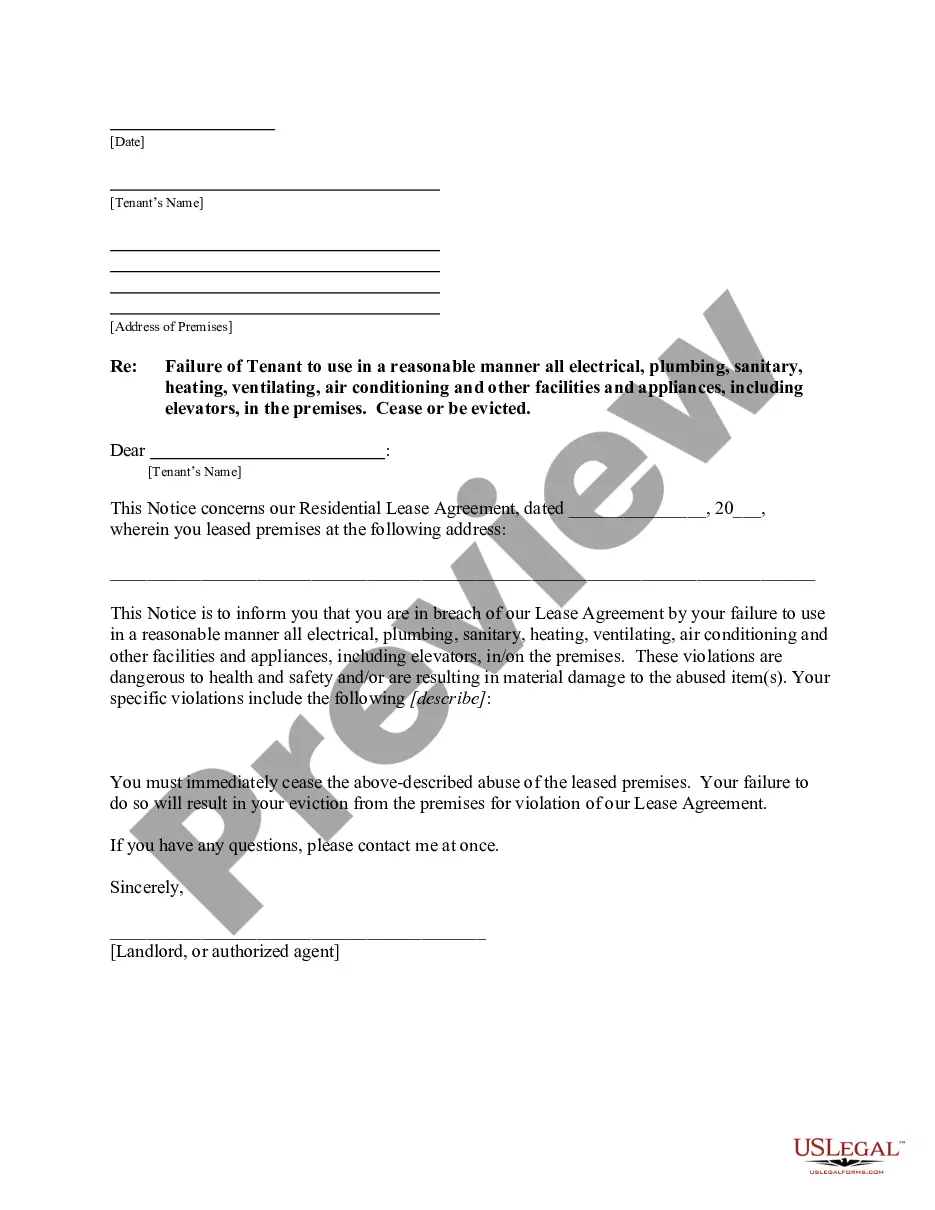
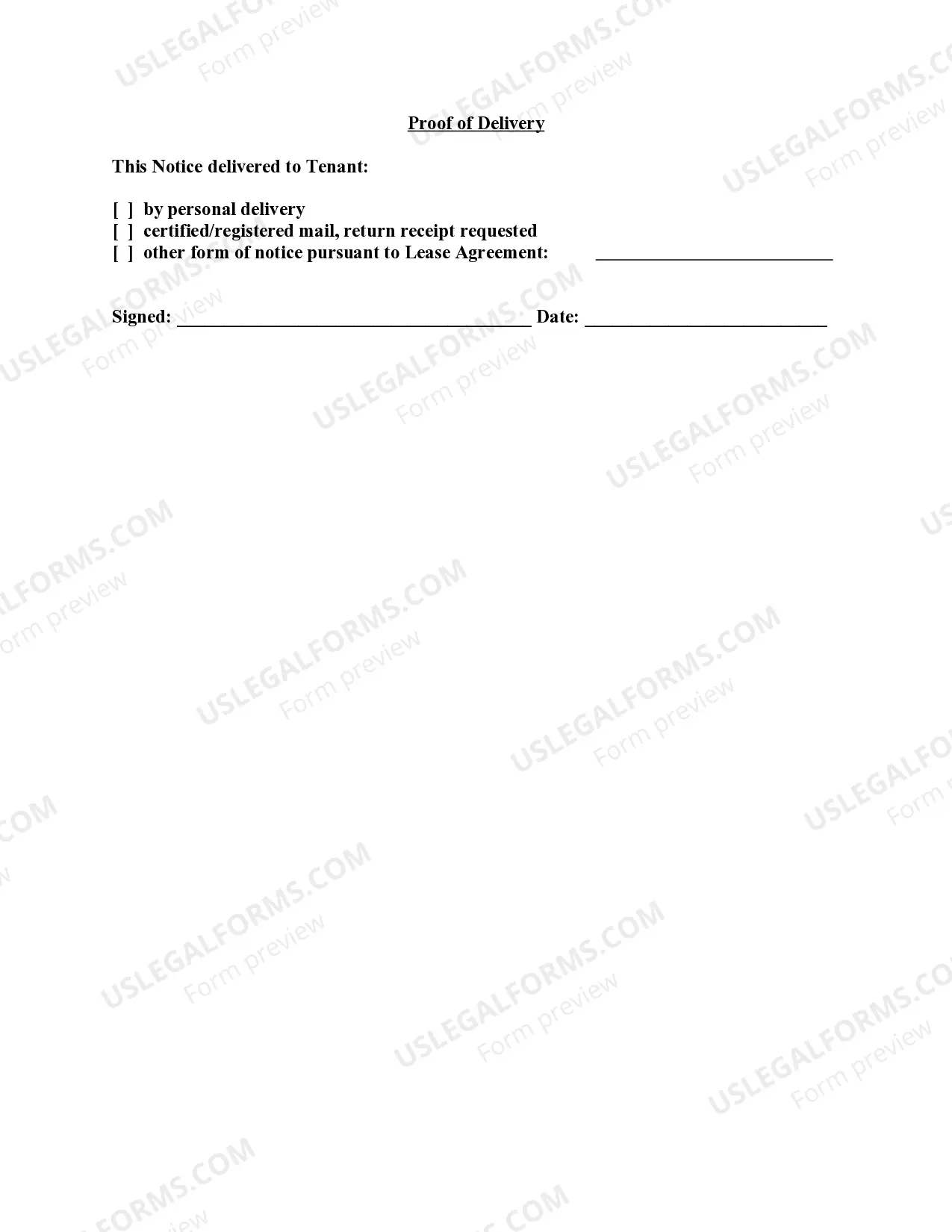
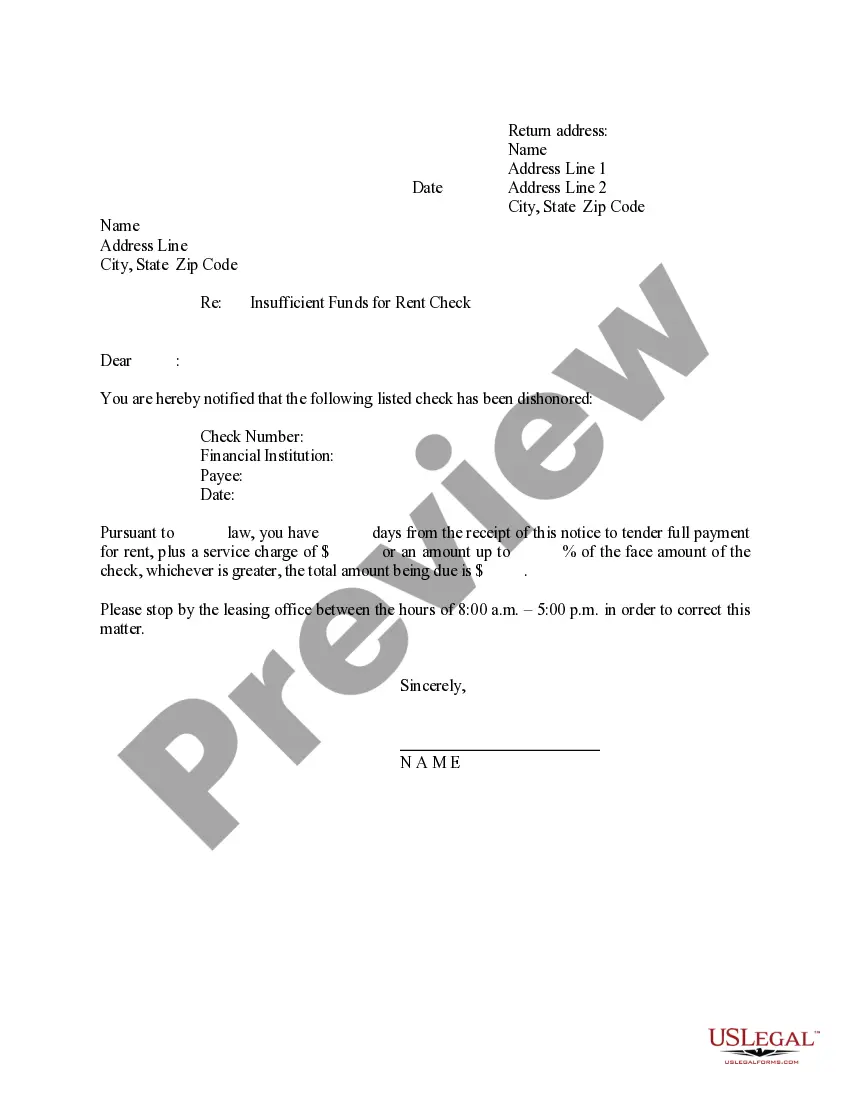
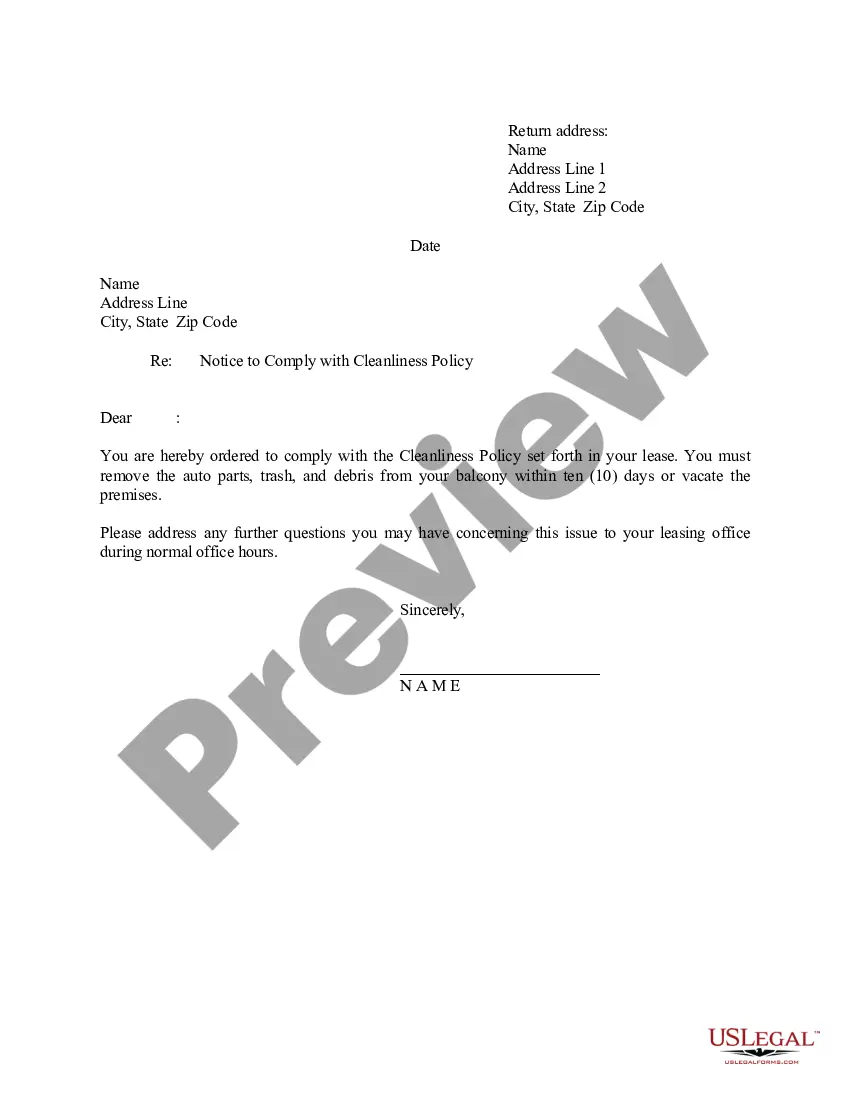
How to fill out New Jersey Letter From Landlord To Tenant For Failure To Use Electrical, Plumbing, Sanitary, Heating, Ventilating, Air Conditioning And Other Facilities In A Reasonable Manner?
- Log in to your US Legal Forms account if you're a returning user. Click the Download button to retrieve your required form template, ensuring your subscription is active.
- For new users, start by checking the Preview mode and form descriptions to find the most suitable document that complies with your local laws.
- If the required template is unavailable, use the Search tab to locate the correct document to meet your needs.
- Select and purchase your chosen form by clicking the Buy Now button. You will need to create an account to access the full range of resources.
- Complete your transaction by entering your payment details through credit card or PayPal.
- Download the document to your device for completion, and access it anytime through the My Forms section in your profile.
In conclusion, accessing the right legal forms through US Legal Forms streamlines managing tenant-related plumbing issues. Their robust collection of forms and expert assistance ensures that you are equipped to handle any situation legally and efficiently.
Start today by visiting US Legal Forms and discover the best solutions for all your legal document needs!
Form popularity
FAQ
Yes, tenants can sue a landlord for bad water, particularly when the issue stems from tenant failure plumbing for the house. If the water is contaminated or unsafe, the landlord has a responsibility to resolve the issue quickly. Legal action may be necessary if the landlord neglects this duty, leading to health risks or damages. Platforms like uslegalforms can help you understand your rights and navigate the legal process effectively.
When it comes to tenant failure plumbing for the house, landlords must respond promptly to emergency repairs. Typically, this means they should address issues within 24 to 48 hours, depending on local laws. Emergency repairs could include severe leaks or plumbing failure that affects health and safety. If a landlord fails to act in a timely manner, tenants may have legal options to pursue.
In Georgia, tenants can legally withhold rent if their landlord fails to make necessary repairs, particularly those concerning tenant failure plumbing for the house that affect habitability. However, it’s essential to follow proper procedures before taking this step. Communicate with your landlord, provide written notice, and allow reasonable time for repairs to be made. Utilizing US Legal Forms can provide helpful templates and guidance for communicating these issues effectively.
In Georgia, landlords are expected to make necessary repairs in a timely manner, although the law does not specify an exact timeframe. Generally, problems related to tenant failure plumbing for the house should be addressed promptly. For urgent matters, immediate action is critical to ensure tenant safety and comfort. Using resources from US Legal Forms can guide you through the process of understanding your rights as a tenant regarding repair timelines.
Landlords must address repair requests based on the severity of the issue. For minor repairs, a timeframe of 30 days is generally acceptable, while urgent repairs, especially concerning tenant failure plumbing for the house, should be handled immediately or within a couple of days. Being proactive in making repairs keeps tenants happy and helps avoid further complications. A platform like US Legal Forms can simplify the process of notifying landlords about needed repairs.
In Washington, landlords must respond to tenant repair requests within a reasonable timeframe. Typically, this means making necessary repairs related to tenant failure plumbing for the house within 30 days. If the situation poses a health risk or safety concern, landlords should act even faster. Ensuring timely fixes helps maintain a safe and healthy living environment for tenants.
Yes, a landlord can sue a tenant for water damage if the tenant's actions directly contributed to the harm. Establishing a connection between tenant failure plumbing for the house and the damage is vital in such cases. Proper documentation and clear evidence will be critical for a successful legal claim.
To prove water damage, gather documents such as photos, repair estimates, and reports from professionals. It's essential to highlight any instances of tenant failure plumbing for the house as a cause. Clear evidence will bolster your case should legal disputes arise with tenants or insurance companies.
In South Carolina, landlords are required to address plumbing issues in a timely manner. While there isn't a specific time frame, unreasonably long delays can be deemed neglectful. If tenant failure plumbing for the house affects the toilet, tenants should notify their landlord and can consider legal options if repairs are not made swiftly.
Tenant water damage coverage typically refers to insurance that protects tenants against certain types of water damage within their rented property. This policy can help cover costs associated with tenant failure plumbing for the house, ensuring tenants are not solely responsible for repairs depending on the terms of their policy. It's advisable for tenants to review their coverage options carefully.