Tenant Failure Plumbing For The Environment
Description

Get your form ready online
Our built-in tools help you complete, sign, share, and store your documents in one place.
Make edits, fill in missing information, and update formatting in US Legal Forms—just like you would in MS Word.
Download a copy, print it, send it by email, or mail it via USPS—whatever works best for your next step.
Sign and collect signatures with our SignNow integration. Send to multiple recipients, set reminders, and more. Go Premium to unlock E-Sign.
If this form requires notarization, complete it online through a secure video call—no need to meet a notary in person or wait for an appointment.
We protect your documents and personal data by following strict security and privacy standards.

Make edits, fill in missing information, and update formatting in US Legal Forms—just like you would in MS Word.

Download a copy, print it, send it by email, or mail it via USPS—whatever works best for your next step.

Sign and collect signatures with our SignNow integration. Send to multiple recipients, set reminders, and more. Go Premium to unlock E-Sign.

If this form requires notarization, complete it online through a secure video call—no need to meet a notary in person or wait for an appointment.

We protect your documents and personal data by following strict security and privacy standards.
Looking for another form?







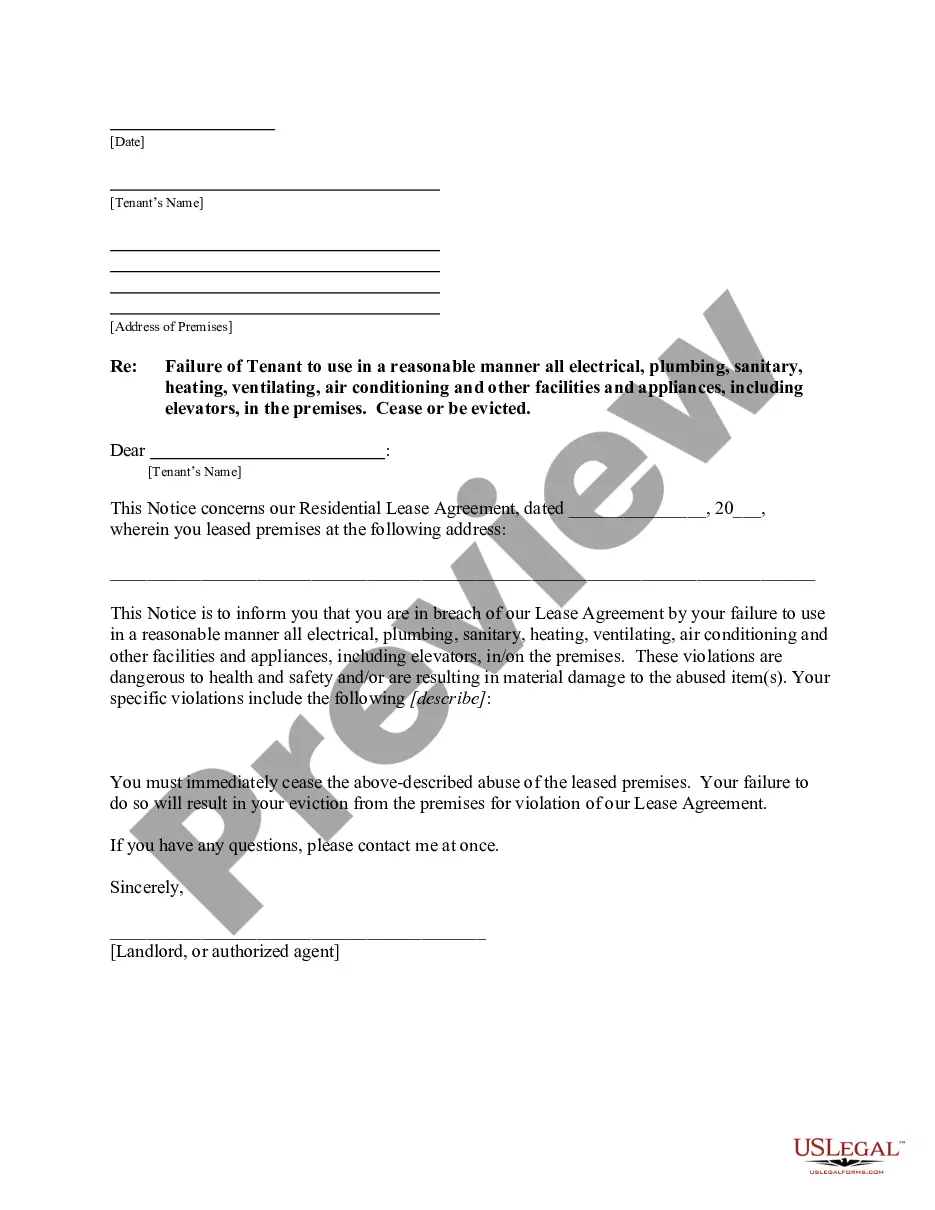
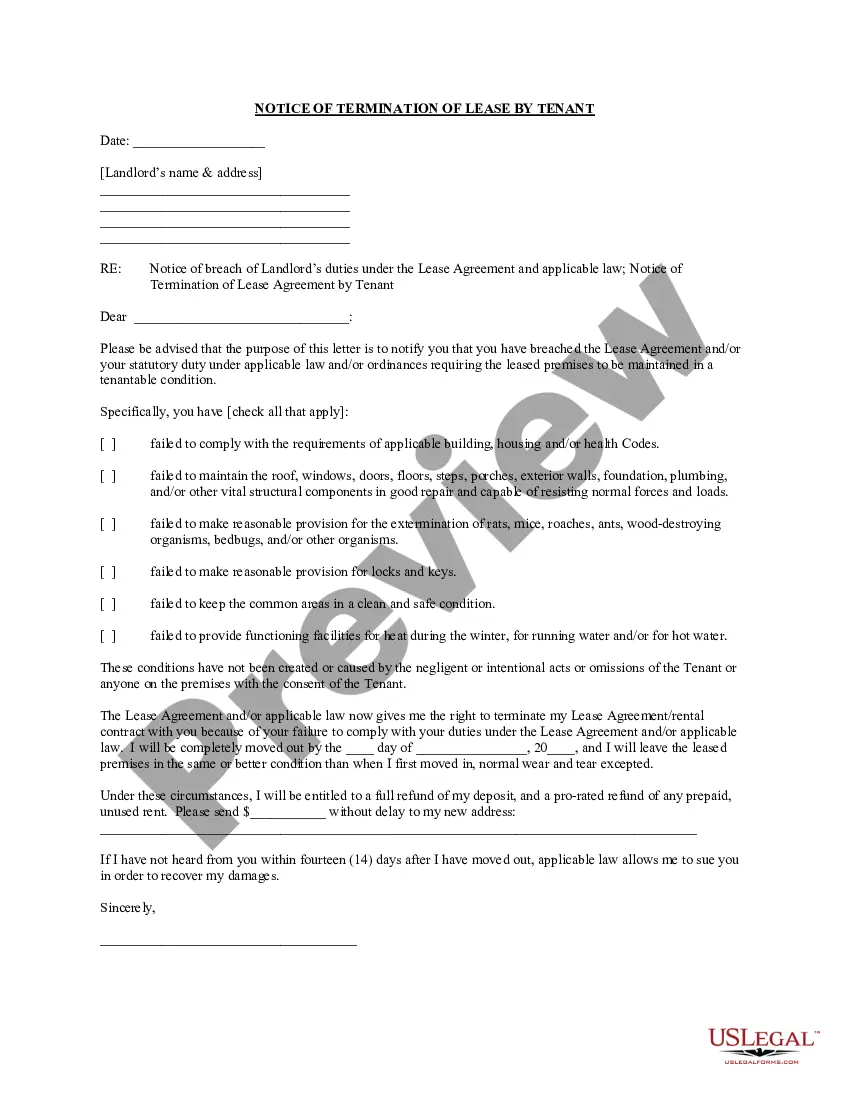
How to fill out New Jersey Letter From Landlord To Tenant For Failure To Use Electrical, Plumbing, Sanitary, Heating, Ventilating, Air Conditioning And Other Facilities In A Reasonable Manner?
- Log into your US Legal Forms account by clicking here and ensure your subscription is active for seamless access.
- Preview the selected form and review its description to confirm it meets your legal requirements and aligns with your local jurisdiction.
- If the current form doesn't meet your needs, utilize the Search bar to find another template that fits your criteria.
- Proceed to purchase your chosen document by clicking the Buy Now button and selecting your desired subscription plan.
- Complete your payment by entering your credit card information or utilizing your PayPal account.
- Download your form directly onto your device or access it later from the My Forms section of your account.
By following these straightforward steps, you can easily procure the legal documents needed for tenant failure plumbing for the environment while benefiting from unparalleled support and resources.
Start today with US Legal Forms and ensure your legal needs are met quickly and accurately. Don't wait to protect your rights!
Form popularity
FAQ
If you have no water, start by checking simple issues like faucet clogs or valve settings. Next, reach out to your landlord or property manager to inform them of the situation, as this falls under tenant failure plumbing for the environment. Document your communication and keep a record of the issue for future reference. If the problem persists, consider seeking assistance or legal advice on how to proceed.
The 135 rule for plumbing specifies that plumbing systems should maintain specific pressure points to ensure optimal functionality. While this rule may vary depending on local codes, it generally affects how water flows and is utilized within a building. Understanding these standards can help both tenants and landlords prevent tenant failure plumbing for the environment from causing serious issues. Always consult with a professional plumber to ensure compliance.
Yes, it is illegal to not have running water at home, as access to clean water is a basic necessity. Under local housing codes, landlords must provide functional plumbing to ensure tenant safety and welfare. If you find yourself without water, it’s essential to report this to your landlord, as tenant failure plumbing for the environment is not just inconvenient but a legal violation as well.
In California, landlords are required to address water damage and necessary plumbing repairs promptly, usually within a reasonable time frame. Depending on the severity of the situation, this can be as little as 24 hours for emergencies. It’s crucial to communicate your needs effectively, as unresolved issues can indicate tenant failure plumbing for the environment. If the landlord delays necessary repairs, you may have options available through local regulations.
Typically, tenants are not responsible for plumbing issues that are due to general wear or conditions beyond their control. Landlords must maintain the plumbing systems to ensure safe and habitable living conditions. However, if the plumbing issue stems from tenant negligence, such as misuse or damage, then responsibility may shift. Always check your lease agreement to understand your obligations in relation to tenant failure plumbing for the environment.
When you suddenly have no water, the first step is to check if others in your building are experiencing the same issue. Sometimes, it could stem from neighborhood plumbing issues or maintenance work. If you find that the problem is isolated to your unit, contact your landlord promptly. Remember, tenant failure plumbing for the environment can disrupt your living conditions, so it requires urgent attention.
Yes, no water in an apartment is classified as an emergency. Without water, you cannot carry out basic daily tasks like cooking, cleaning, or personal hygiene. Especially in the context of tenant failure plumbing for the environment, a lack of water can lead to unsanitary conditions. If you experience this issue, it's essential to notify your landlord immediately to seek a swift resolution.
Typically, landlords are responsible for plumbing repairs as they ensure the property is habitable. However, if a tenant's actions led to the plumbing issue, tenant failure plumbing for the environment may shift some responsibility. Open communication between tenants and landlords can clarify who should handle specific repairs. Utilizing platforms like USLegalForms can help establish clear agreements on responsibilities.
Yes, you can sue a tenant for water damage if their negligence caused the incident. Proper documentation of the damage and the cause is essential in such situations. Tenant failure plumbing for the environment can lead to significant issues, and landlords must protect their property. If you face this situation, consider using USLegalForms to help draft legal documents for your case.
In most cases, tenants are not responsible for plumbing issues unless they caused damage through negligence. Tenant failure plumbing for the environment falls under the landlord's responsibilities, as they need to maintain essential systems in good working order. If you encounter plumbing problems, it's crucial to notify your landlord promptly. Understanding these responsibilities can help you navigate your rights effectively and ensure your living conditions remain safe.