Failure Use Heating For Homes
Description


Get your form ready online
Our built-in tools help you complete, sign, share, and store your documents in one place.
Make edits, fill in missing information, and update formatting in US Legal Forms—just like you would in MS Word.
Download a copy, print it, send it by email, or mail it via USPS—whatever works best for your next step.
Sign and collect signatures with our SignNow integration. Send to multiple recipients, set reminders, and more. Go Premium to unlock E-Sign.
If this form requires notarization, complete it online through a secure video call—no need to meet a notary in person or wait for an appointment.
We protect your documents and personal data by following strict security and privacy standards.

Make edits, fill in missing information, and update formatting in US Legal Forms—just like you would in MS Word.

Download a copy, print it, send it by email, or mail it via USPS—whatever works best for your next step.

Sign and collect signatures with our SignNow integration. Send to multiple recipients, set reminders, and more. Go Premium to unlock E-Sign.

If this form requires notarization, complete it online through a secure video call—no need to meet a notary in person or wait for an appointment.

We protect your documents and personal data by following strict security and privacy standards.
Looking for another form?
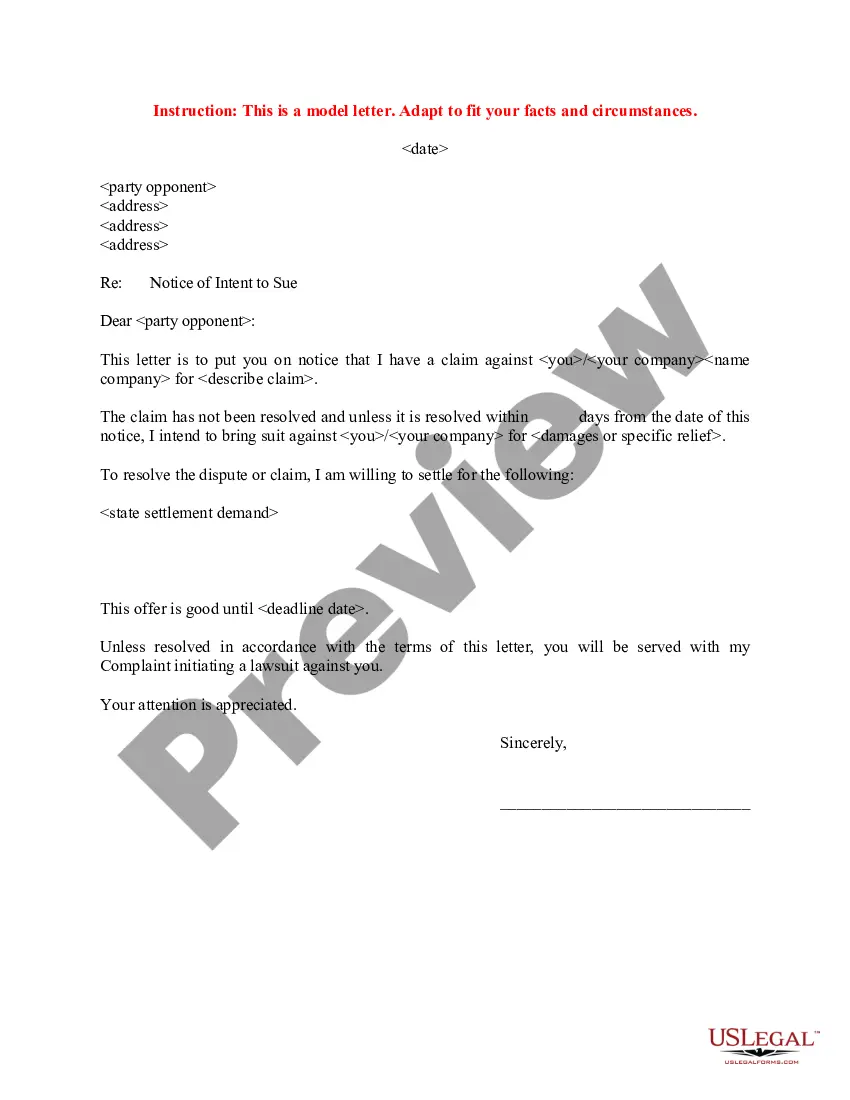

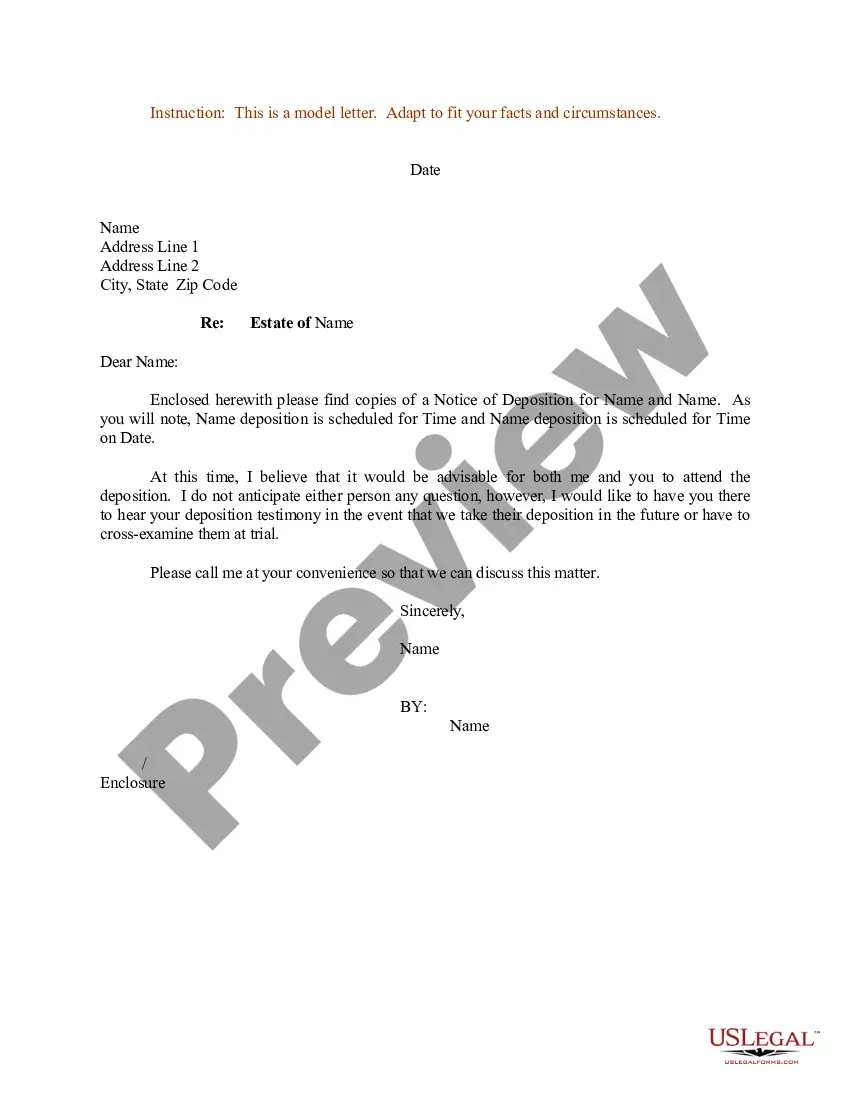

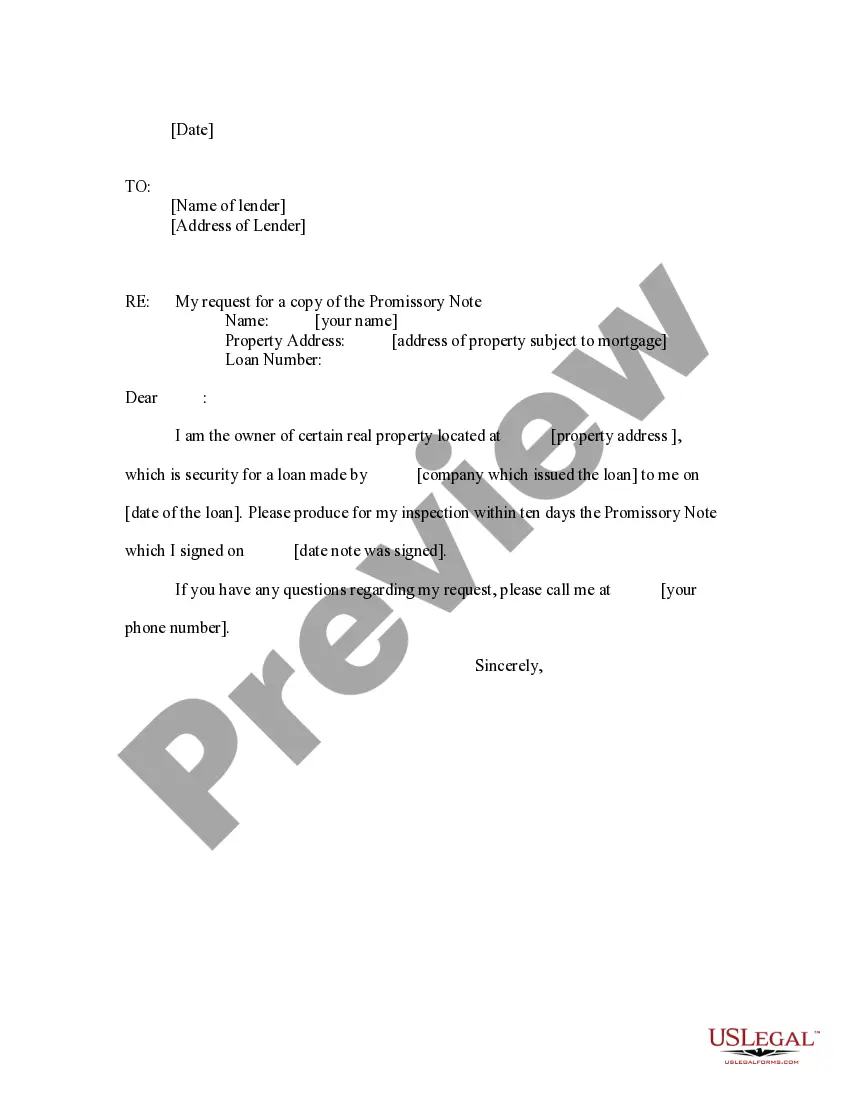


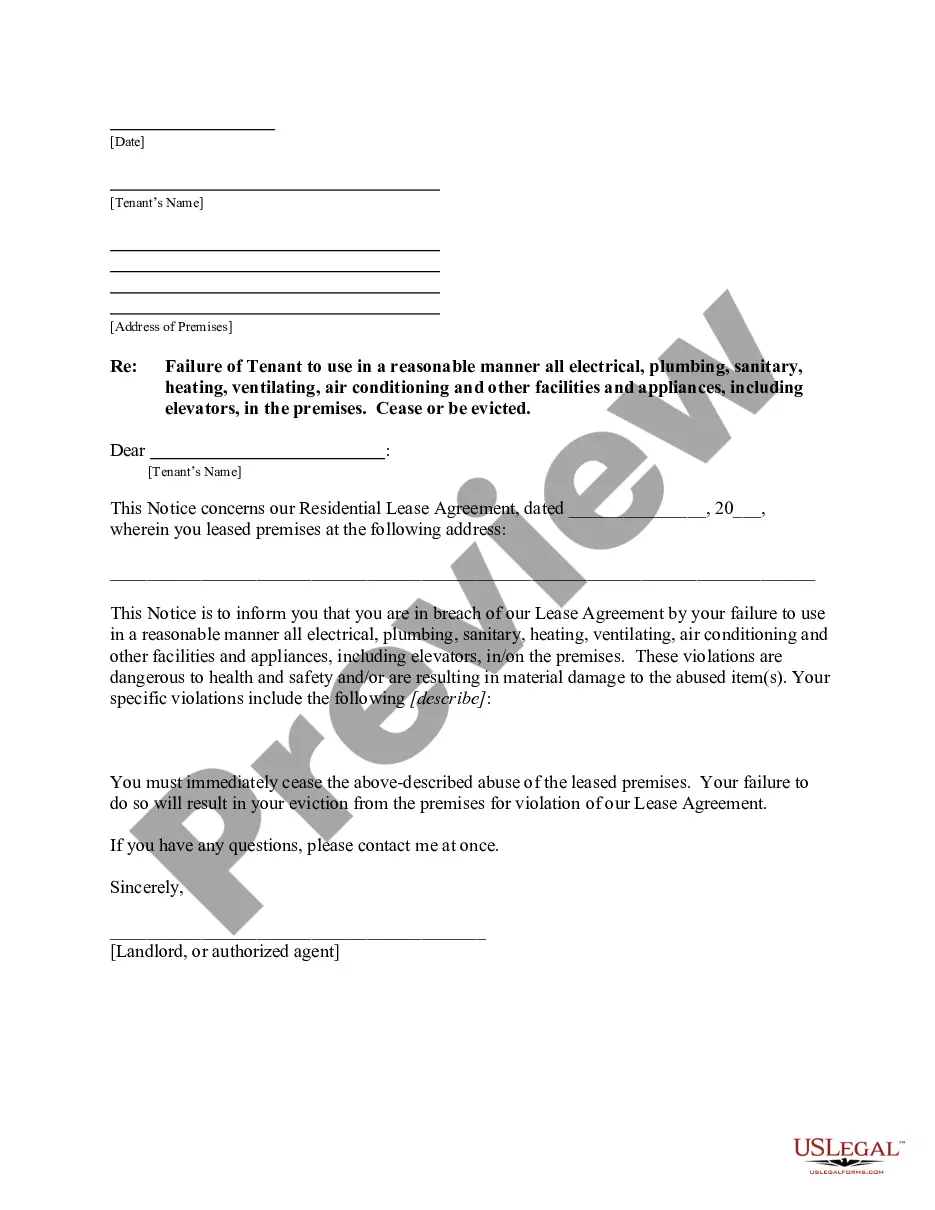
How to fill out New Jersey Letter From Landlord To Tenant For Failure To Use Electrical, Plumbing, Sanitary, Heating, Ventilating, Air Conditioning And Other Facilities In A Reasonable Manner?
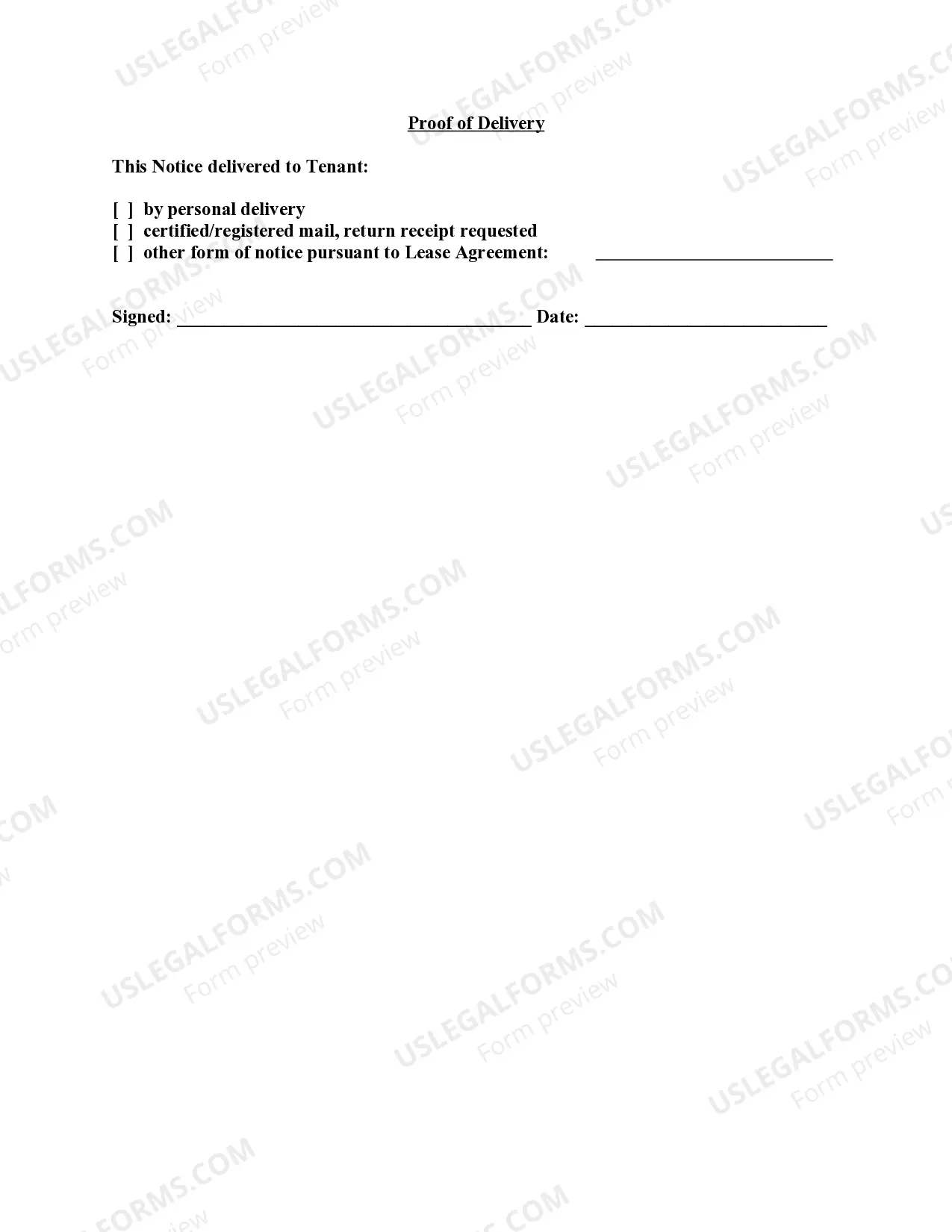
- Access your account by visiting US Legal Forms. If you're an existing user, log in to retrieve the required document by clicking the Download button. Ensure your subscription is active; if it's not, renew it according to your plan.
- For first-time users, start by exploring the extensive preview mode and read the form descriptions to choose the correct template that fits your jurisdictional needs.
- If you need a different form, search using the tab above to find the right template. Once identified, you can move on to the next step.
- Select your desired document by clicking the Buy Now button, then choose your preferred subscription plan and create an account to unlock all library resources.
- Complete your purchase by entering your credit card information or using a PayPal account to finalize your subscription.
- Download your selected form and save it on your device for easy access. You can also revisit it anytime via the My Forms section of your profile.
By leveraging the benefits of US Legal Forms, individuals and attorneys can efficiently generate legally binding documents tailored to their needs.
Start improving your heating solutions today—explore the vast resources at US Legal Forms and ensure you're covered legally in heating disputes.
Form popularity
FAQ
In NYC, you certainly can sue your landlord for not providing heat, a fundamental necessity in your home. First, gather all evidence, including rental agreements and missed communications. If seeking legal action seems daunting, you can consult uslegalforms for help with drafting the necessary documents and understanding the process. Taking steps against a failure to use heating for homes is your right.
Yes, you can sue your landlord if they fail to provide heat, especially during the winter months when it is essential for safety. Before pursuing legal action, ensure that you have documented all communication and attempts to resolve the issue. This evidence can support your case. Legal platforms, like uslegalforms, can assist you in navigating this process effectively.
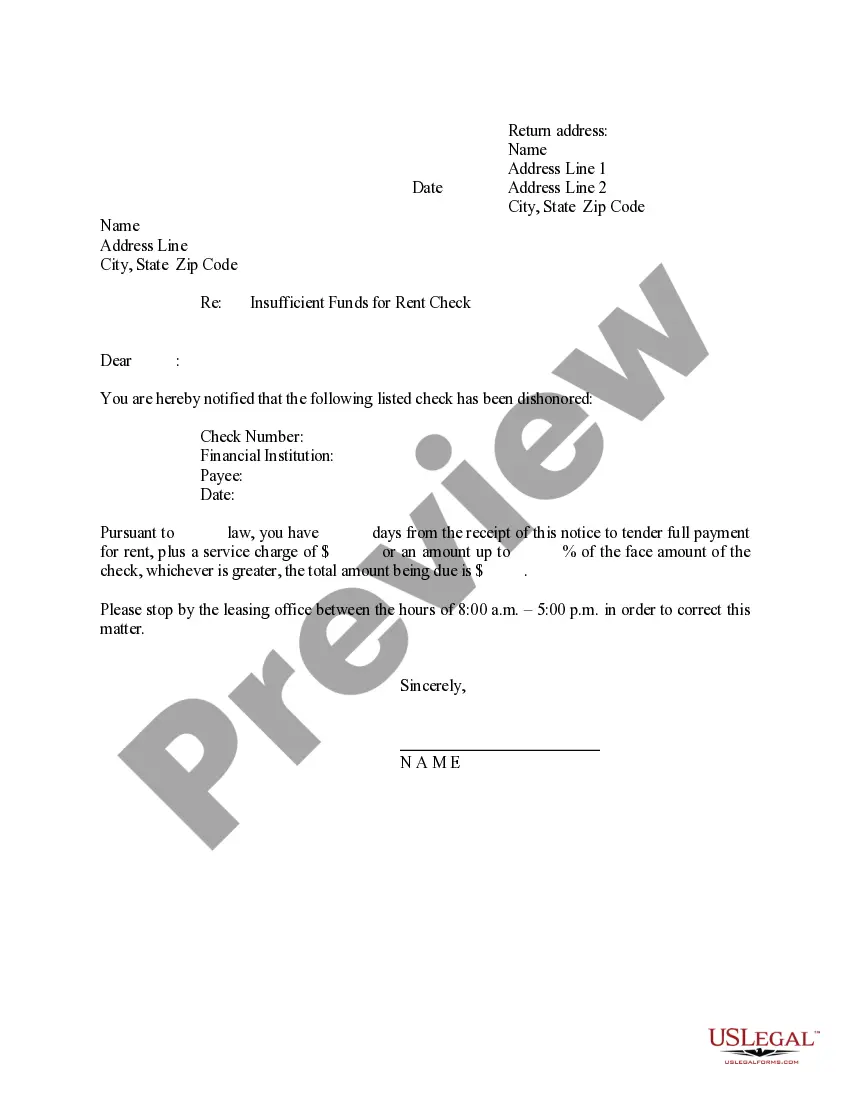
To complain about a lack of heat, you should first document the issue, noting the dates and conditions. Then, notify your landlord in writing, requesting immediate resolution. If they fail to act, contact the NYC Department of Housing Preservation and Development to file an official complaint. Advocating for a comfortable living environment addresses the concern of failure to use heating for homes directly.
In Chicago, landlords must provide heat from September 15 to June 1, maintaining a temperature of at least 68 degrees Fahrenheit. If you experience a failure in heating, notify your landlord right away. Should they neglect their duties, you are entitled to report them to the city. Understanding these laws about heating helps ensure that your right to warmth in your home is protected.
If your heat is not working, first check your thermostat and power supply. If everything appears fine, contact your landlord immediately and report the issue. If they do not respond or take action, you can file a complaint with the authorities. Knowing your rights regarding the failure to use heating for homes can empower you to seek the necessary solutions.
In NYC, landlords are required to provide heat during the colder months, specifically from October 1 to May 31. If your heat fails, they must respond and address the situation promptly, usually within a few hours. Leaving you without heat for an extended period can be seen as neglectful, and you can take steps to seek help. Remember, proper heating is essential for your safety and well-being, reflecting a failure to use heating for homes.
If your landlord refuses to fix your heating, take immediate action. Document the issue by keeping records of communication, photos, and dates. You can send a formal written request to your landlord, outlining your rights regarding heating issues. Additionally, consider reaching out to the NYC Department of Housing Preservation and Development for assistance regarding the failure to use heating for homes.
Common failures for furnaces include malfunctioning thermostats, dirty filters, and mechanical issues that affect operation. Regular maintenance can often prevent these issues, but failures can still occur unexpectedly. It's wise to stay informed about your heating system to recognize signs of problems early. Understanding these potential failures can help you navigate the failure to use heating for homes effectively and pursue the right steps through services like USLegalForms.
To heat a house when the furnace is down, you can rely on space heaters, fireplaces, or wood-burning stoves. It's crucial to maintain warmth by properly sealing off drafty areas to keep chill at bay. Additionally, check the fireplace for functionality to leverage wood-burning heat. For longer-term solutions, exploring resources from USLegalForms can help you address the broader issue of failure to use heating for homes.
Heating your house without a furnace requires creative solutions like utilizing electric space heaters, wood stoves, or even gas heaters if available. You can also layer clothing and use blankets to maintain personal warmth. Ensure proper insulation to keep the heat trapped indoors, and consider seeking legal resources from USLegalForms to understand your options regarding heating regulations and landlord responsibilities during outages.