New Hampshire Trust With Mortgage
Description
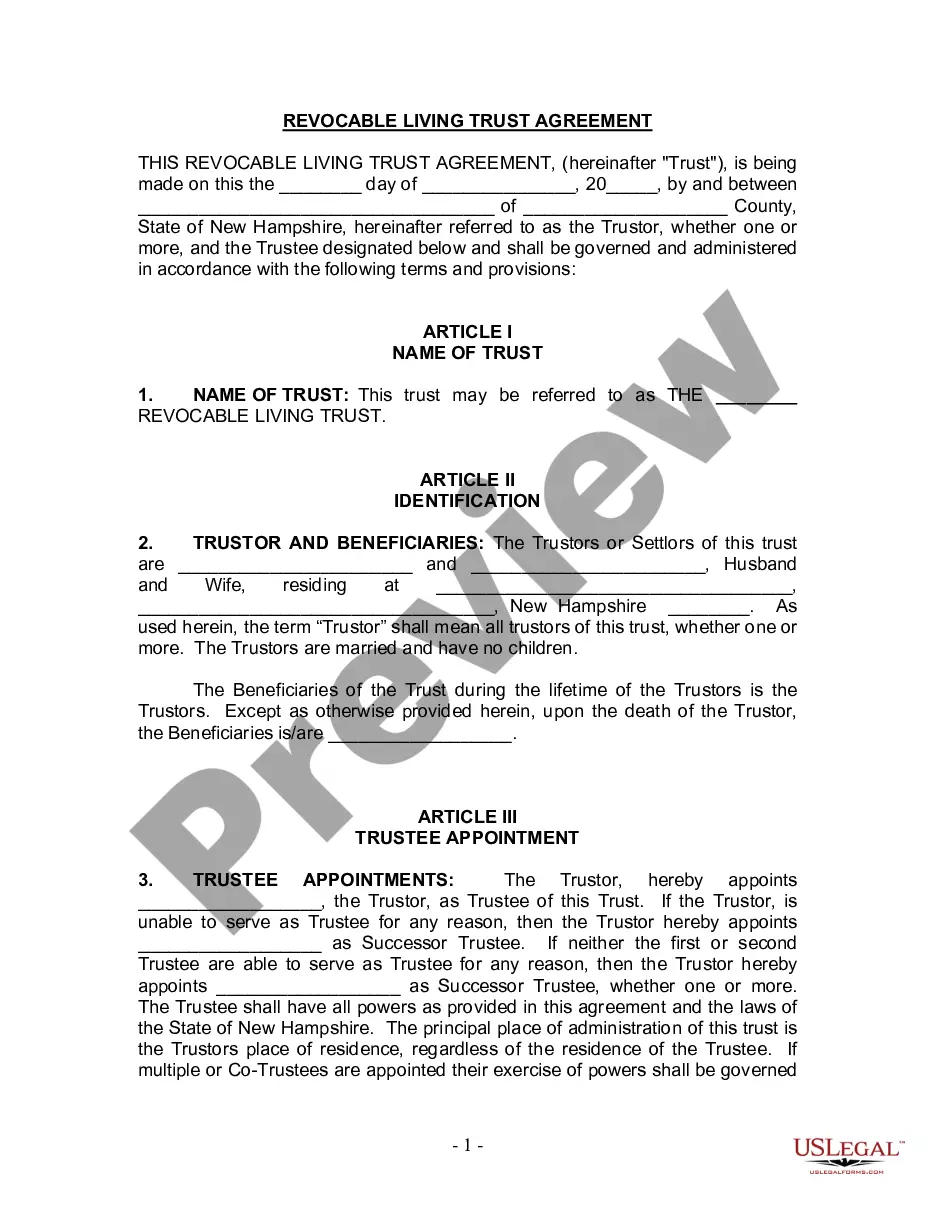
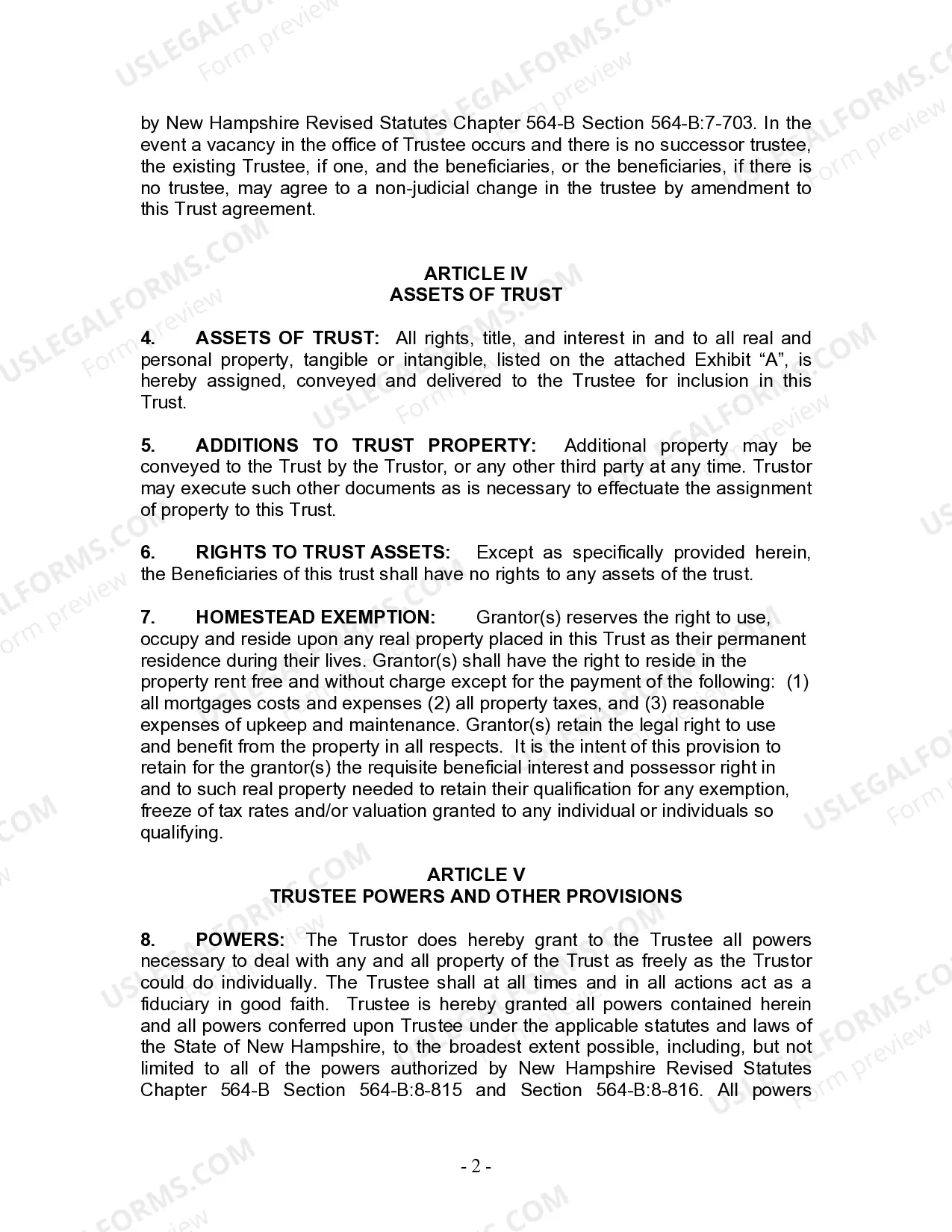
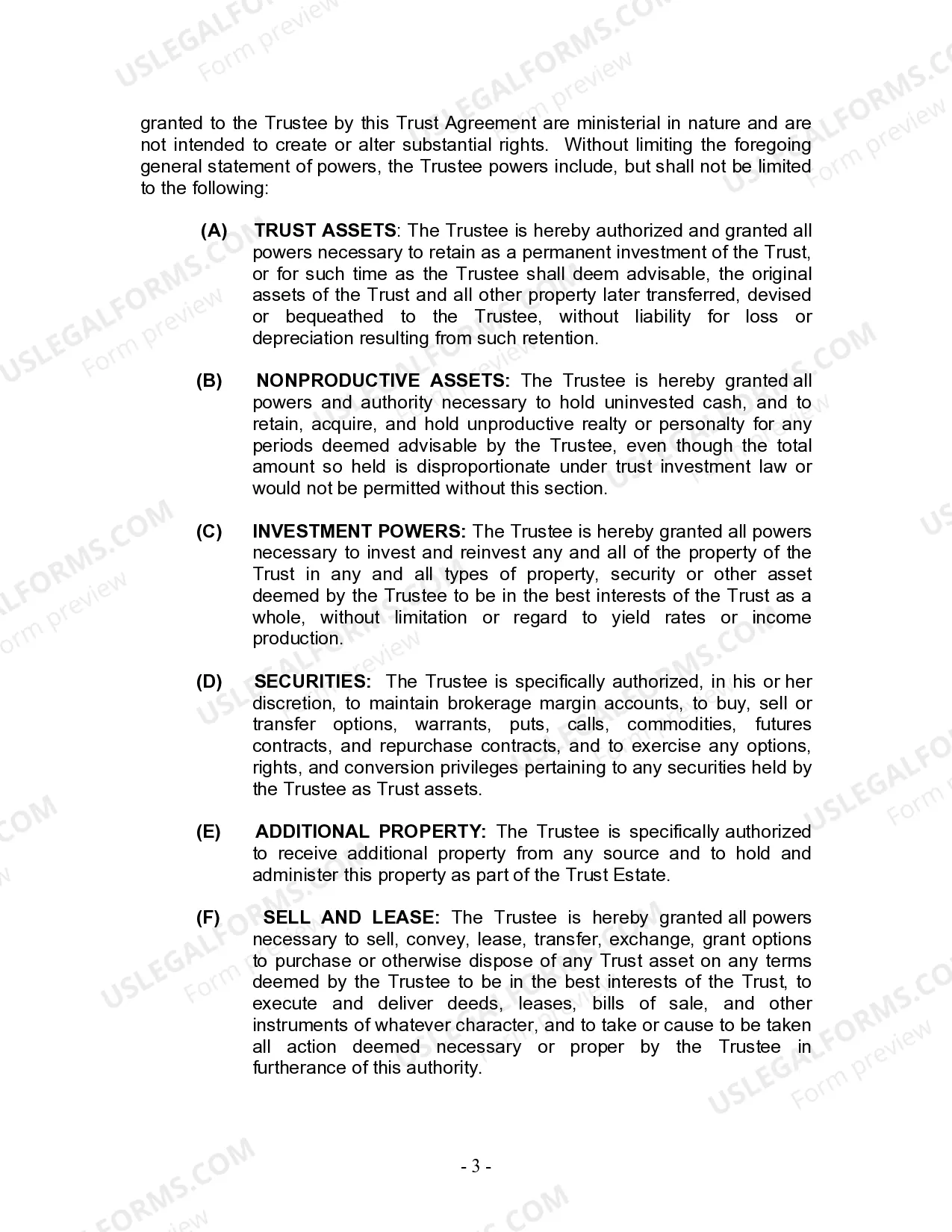
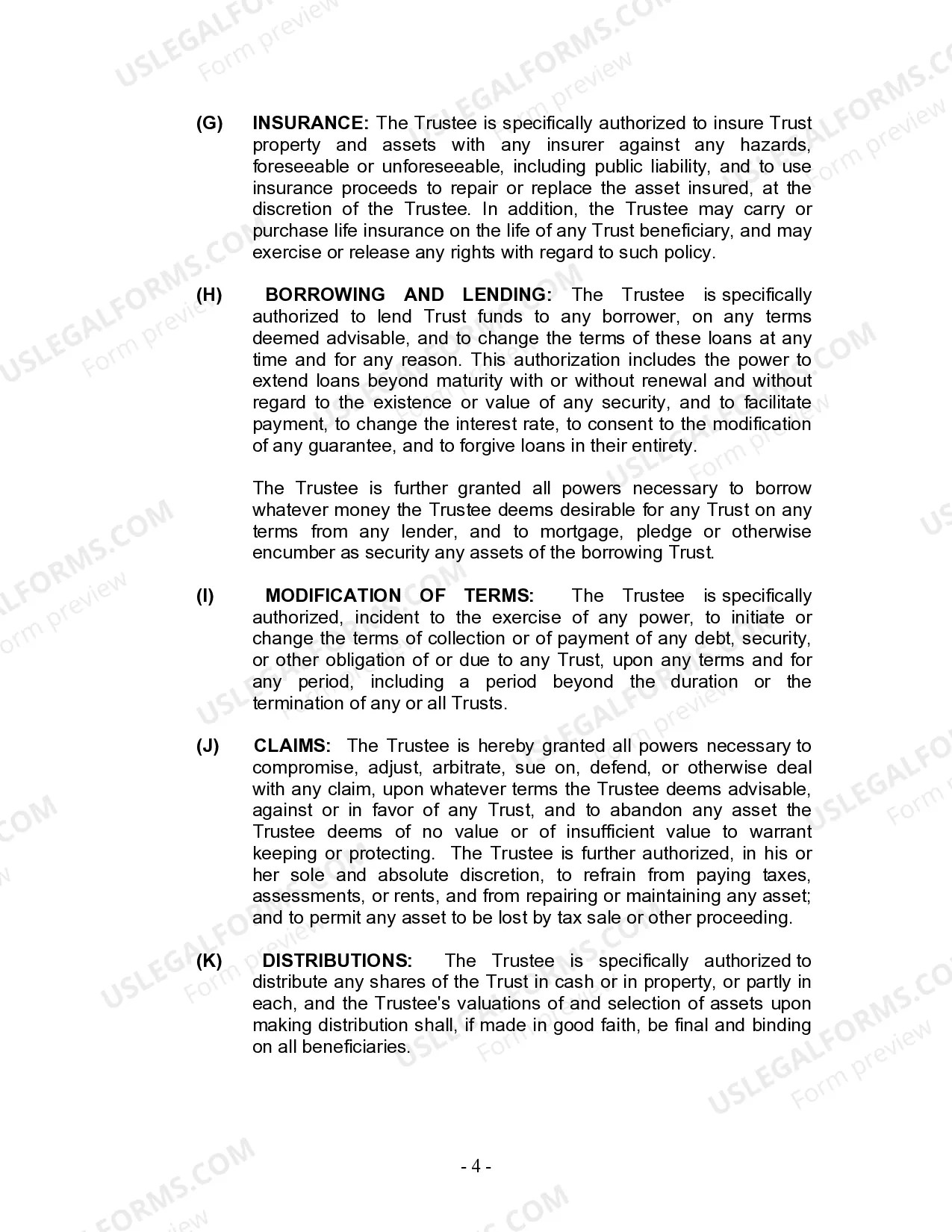






Get your form ready online
Our built-in tools help you complete, sign, share, and store your documents in one place.
Make edits, fill in missing information, and update formatting in US Legal Forms—just like you would in MS Word.
Download a copy, print it, send it by email, or mail it via USPS—whatever works best for your next step.
Sign and collect signatures with our SignNow integration. Send to multiple recipients, set reminders, and more. Go Premium to unlock E-Sign.
If this form requires notarization, complete it online through a secure video call—no need to meet a notary in person or wait for an appointment.
We protect your documents and personal data by following strict security and privacy standards.

Make edits, fill in missing information, and update formatting in US Legal Forms—just like you would in MS Word.

Download a copy, print it, send it by email, or mail it via USPS—whatever works best for your next step.

Sign and collect signatures with our SignNow integration. Send to multiple recipients, set reminders, and more. Go Premium to unlock E-Sign.

If this form requires notarization, complete it online through a secure video call—no need to meet a notary in person or wait for an appointment.

We protect your documents and personal data by following strict security and privacy standards.
Looking for another form?

How to fill out New Hampshire Revocable Living Trust For Husband And Wife With No Children?
It’s clear that you cannot transform into a legal expert instantly, nor can you swiftly learn how to draft a New Hampshire Trust With Mortgage without possessing a specialized background.
Compiling legal documents is a lengthy process that necessitates particular training and abilities. So why not entrust the creation of the New Hampshire Trust With Mortgage to the experts.
With US Legal Forms, one of the most extensive legal document collections, you can find everything from court documents to templates for internal communication.
You can access your documents again from the My documents tab at any time.
If you’re an existing customer, you can simply Log In and locate and download the template from the same tab.
- Identify the document you require using the search bar at the top of the page.
- View it (if this option is available) and read the accompanying description to determine if New Hampshire Trust With Mortgage is what you need.
- Restart your search if you require another form.
- Create a free account and select a subscription plan to purchase the form.
- Click Buy now. Once the transaction is complete, you can obtain the New Hampshire Trust With Mortgage, complete it, print it, and send or mail it to the necessary individuals or organizations.
Form popularity
FAQ
Yes, a mortgaged property can be placed in a trust, but you must proceed with caution. It's crucial to review your mortgage agreement for any clauses that might restrict this action. Utilizing a new Hampshire trust with mortgage can offer benefits, but understanding the implications is vital before making any changes.
Yes, it's advisable to notify your mortgage company when you place your house in a trust. This transparency can help prevent any misunderstandings regarding your mortgage obligations. By keeping your lender informed, you can ensure that your new Hampshire trust with mortgage remains compliant and avoids any potential issues.
One potential disadvantage of putting your house into a trust is the associated costs, including legal fees and ongoing maintenance of the trust. Additionally, transferring your property may trigger due-on-sale clauses in your mortgage, which could complicate matters. We recommend considering these factors carefully and consulting professionals to navigate the complexities of a new Hampshire trust with mortgage.
You can definitely put your home in a trust, even if it has a mortgage. When you create a New Hampshire trust with mortgage, the mortgage does not automatically transfer to the trust. However, you should notify your lender about this change to avoid any issues. This step helps maintain clarity regarding your financial obligations while allowing you to benefit from the protections a trust offers.
Yes, you can place your house in a trust even if it has a lien. However, it is essential to understand how the lien may affect your New Hampshire trust with mortgage. The lender still holds a claim against the property, so it's wise to consult legal advice before proceeding. This ensures that your estate planning remains effective while addressing any existing financial obligations.
People often place their mortgage in a trust to simplify the management of their assets and provide certain protections. A New Hampshire trust with mortgage allows for a seamless transfer of property when the owner passes away, avoiding potential legal complications. Additionally, it can help in safeguarding the property from creditors. This strategic move often aligns with estate planning goals.
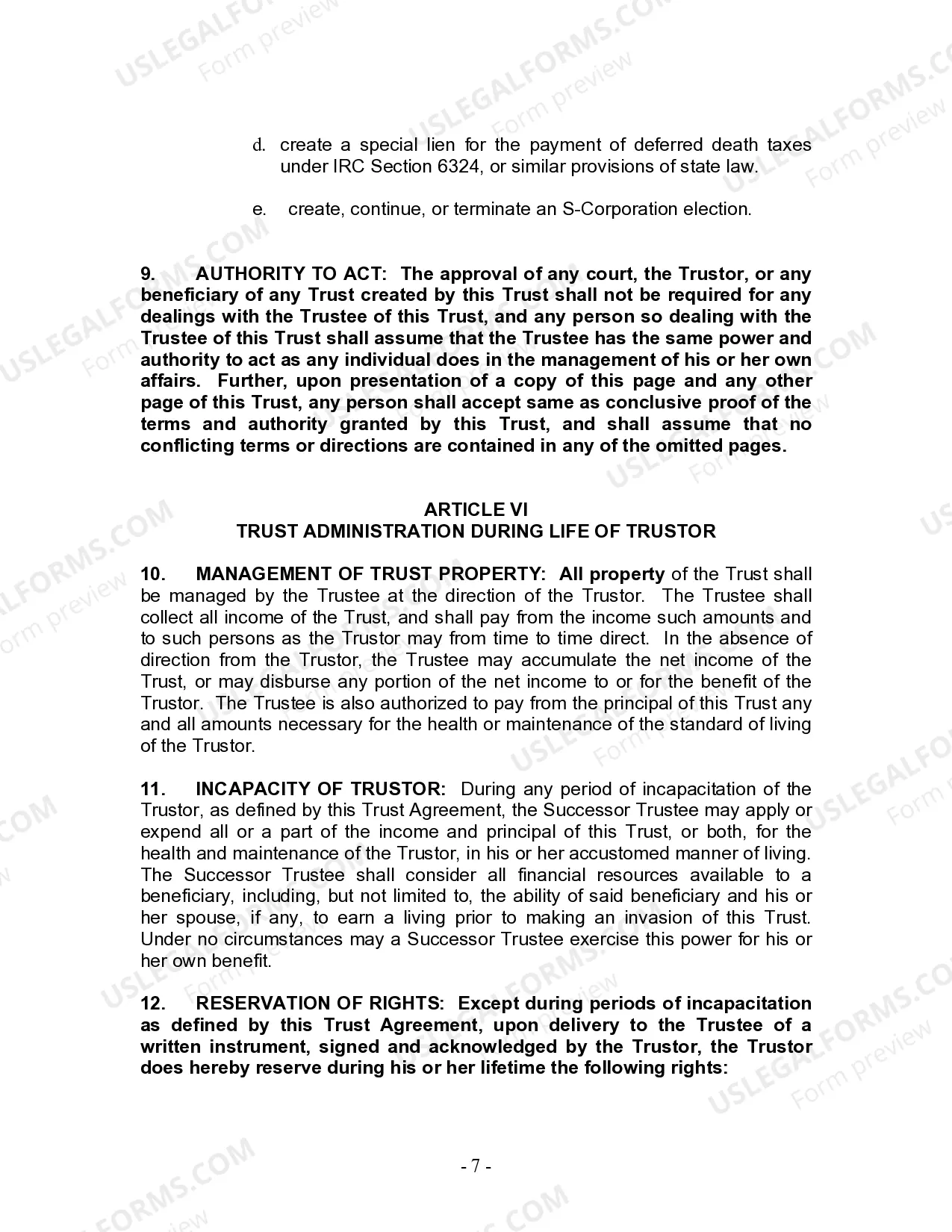
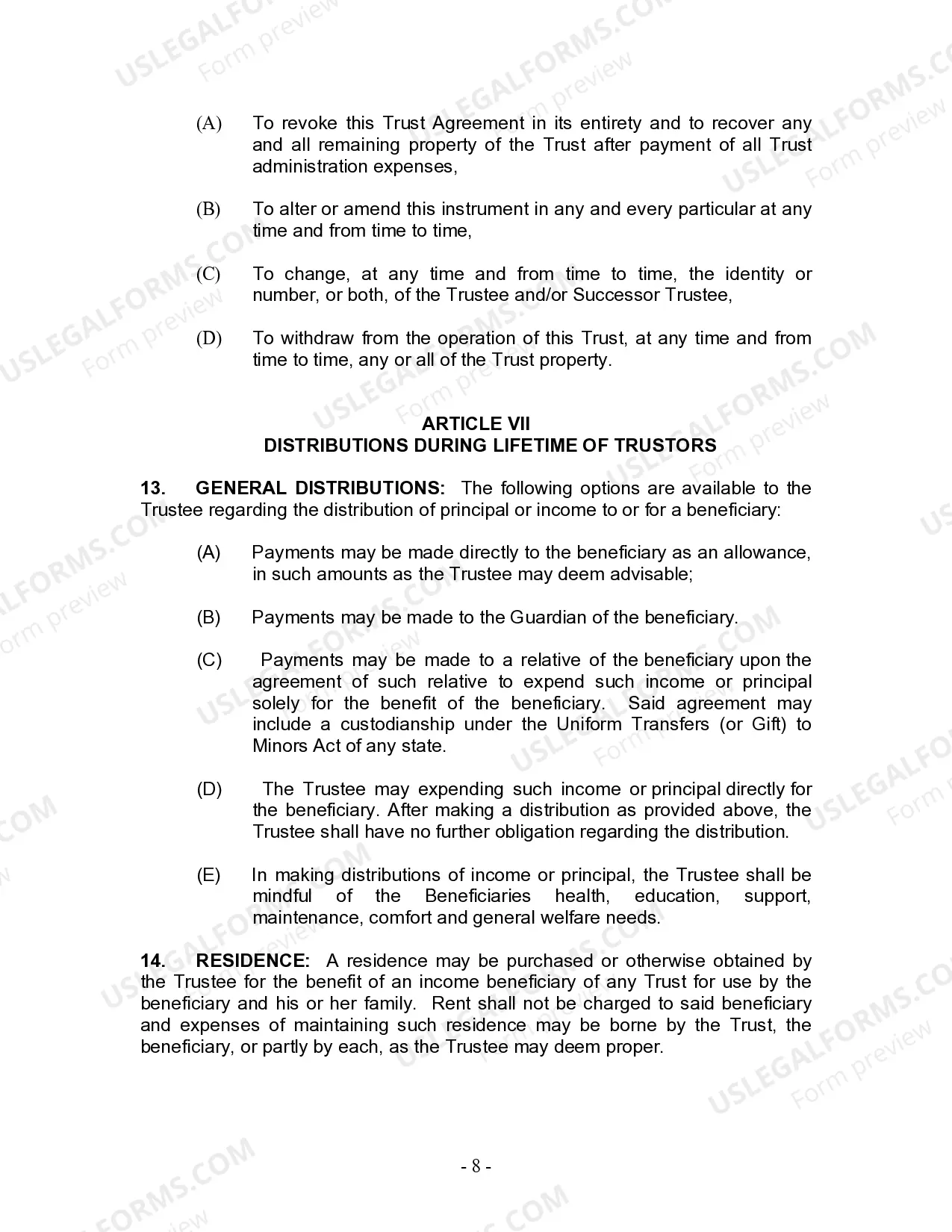
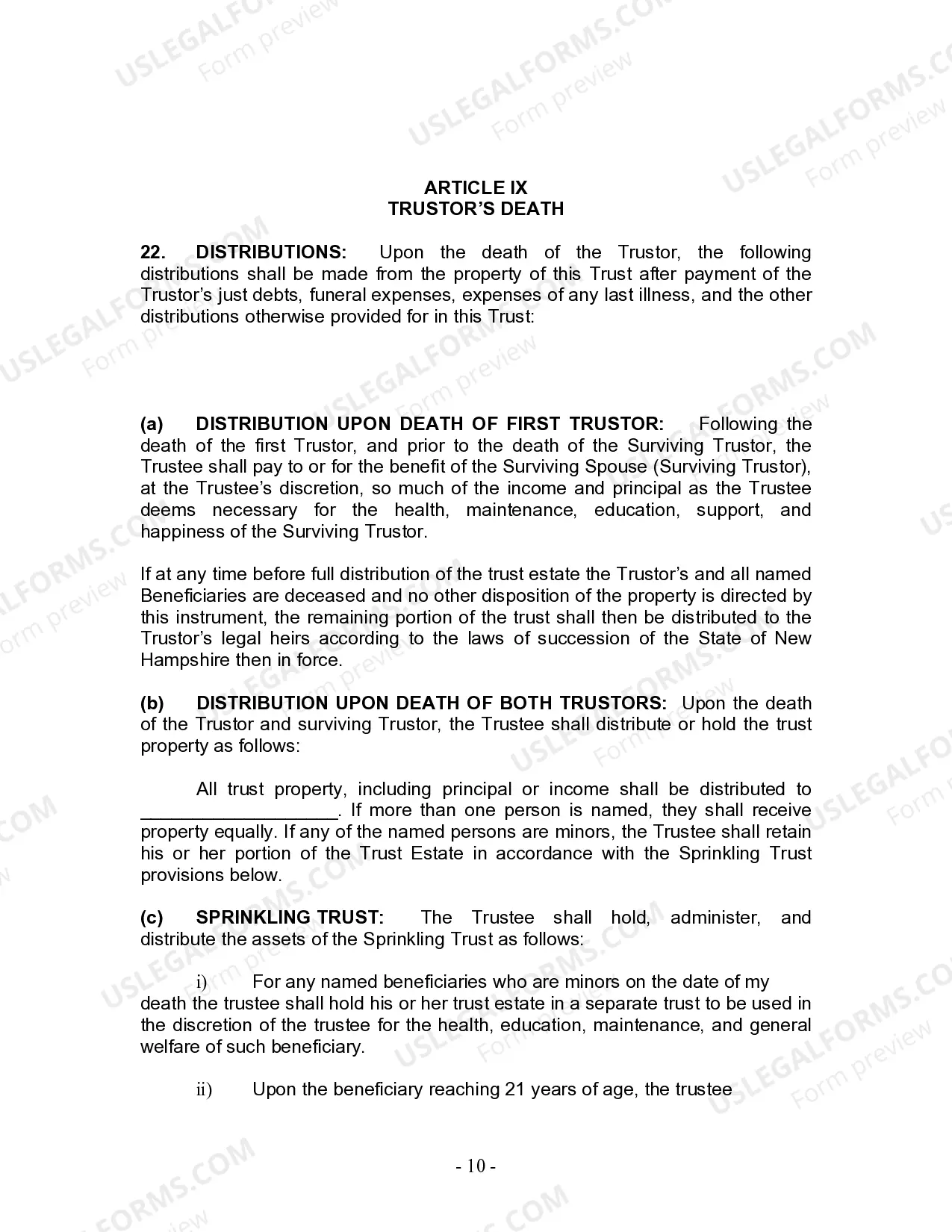
In New Hampshire, a trust is a legal arrangement where one party holds property for the benefit of another. When you establish a New Hampshire trust with mortgage, you can designate the property as an asset within the trust. This can provide benefits like avoiding probate and ensuring a smooth transfer of assets. Overall, a trust serves to protect your property and manage it according to your wishes.