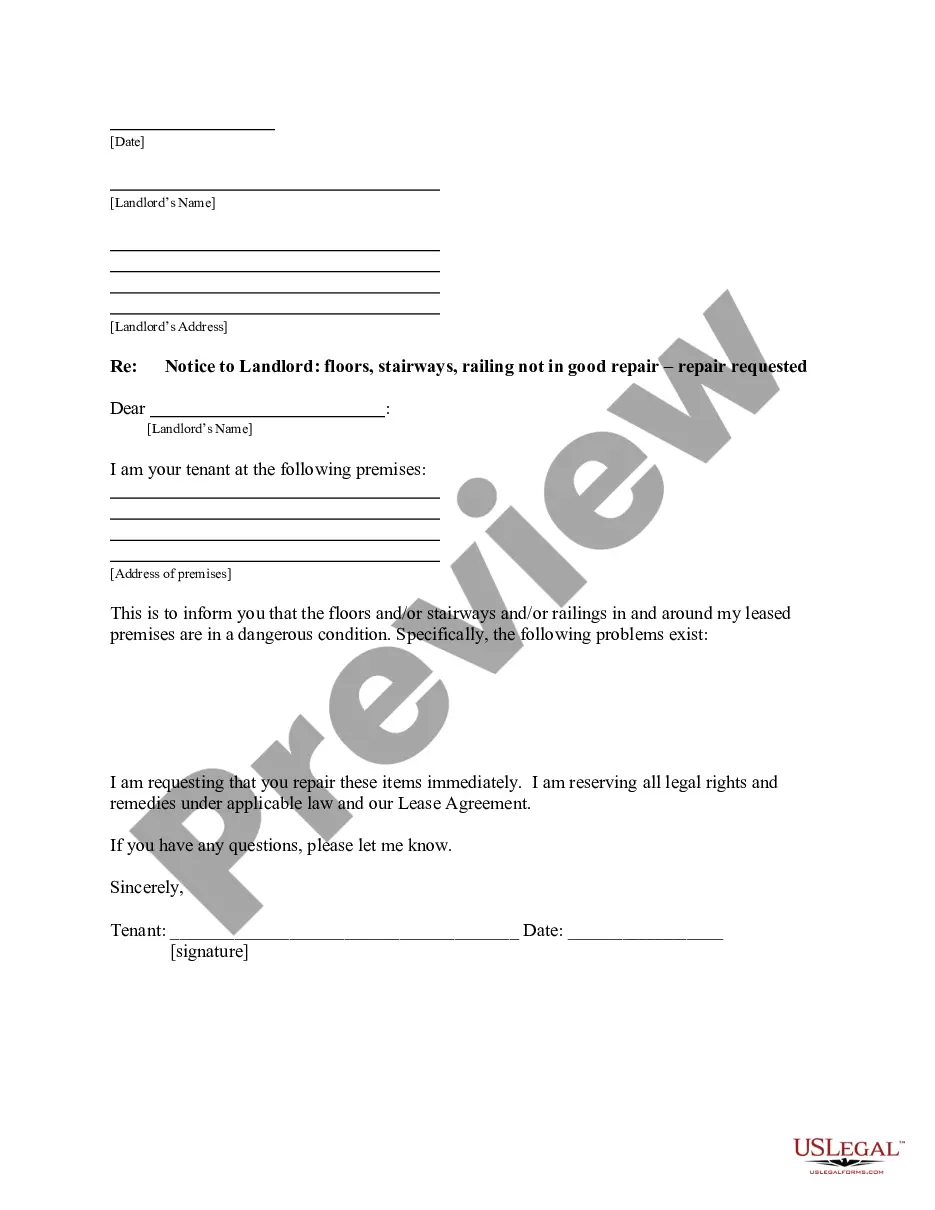
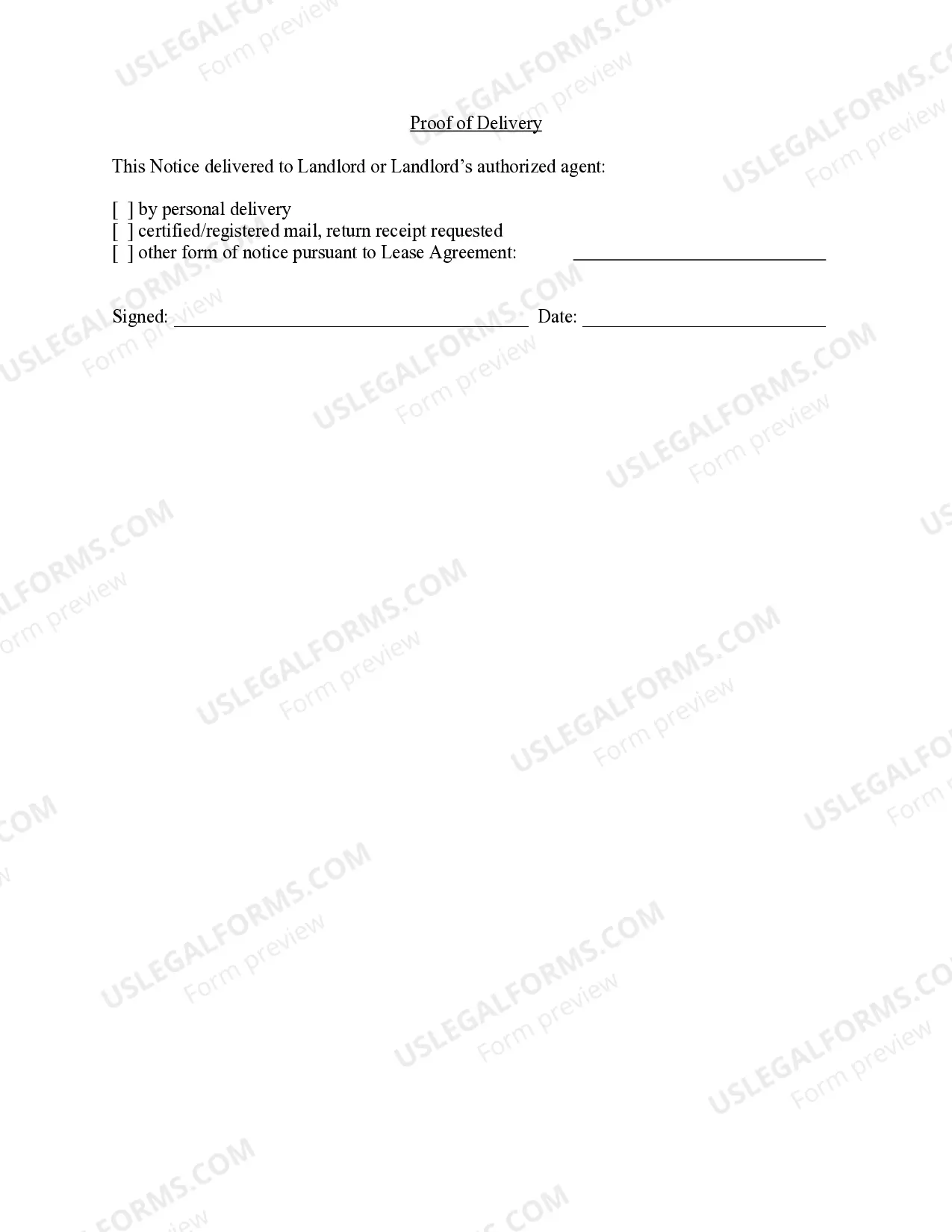
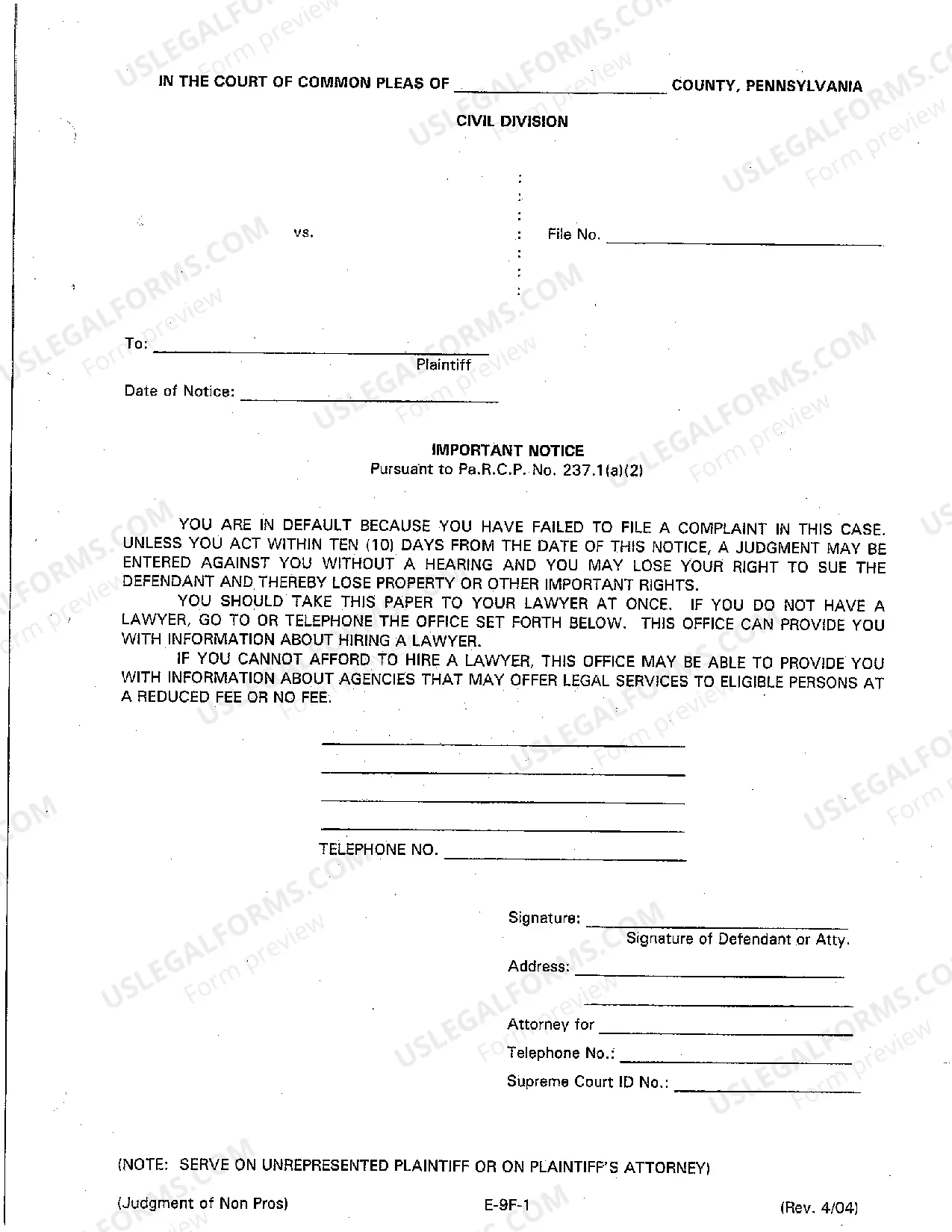
Nebraska Tenant Landlord Form N12
Description



Get your form ready online
Our built-in tools help you complete, sign, share, and store your documents in one place.
Make edits, fill in missing information, and update formatting in US Legal Forms—just like you would in MS Word.
Download a copy, print it, send it by email, or mail it via USPS—whatever works best for your next step.
Sign and collect signatures with our SignNow integration. Send to multiple recipients, set reminders, and more. Go Premium to unlock E-Sign.
If this form requires notarization, complete it online through a secure video call—no need to meet a notary in person or wait for an appointment.
We protect your documents and personal data by following strict security and privacy standards.

Make edits, fill in missing information, and update formatting in US Legal Forms—just like you would in MS Word.

Download a copy, print it, send it by email, or mail it via USPS—whatever works best for your next step.

Sign and collect signatures with our SignNow integration. Send to multiple recipients, set reminders, and more. Go Premium to unlock E-Sign.

If this form requires notarization, complete it online through a secure video call—no need to meet a notary in person or wait for an appointment.

We protect your documents and personal data by following strict security and privacy standards.
Looking for another form?


Form popularity
FAQ
Nebraska does not legally enforce a grace period for rent payments, meaning landlords are not required to wait before charging late fees. However, some landlords may provide a grace period as a courtesy, which is detailed in the lease agreement. It is important for tenants to read their lease to understand these terms. For clarifying rights and obligations, the Nebraska tenant landlord form n12 serves as a helpful tool.
A landlord must provide tenants with a 30-day notice to move out in Nebraska. This applies if the tenant is renting on a month-to-month basis. If the tenant has a fixed-term lease, the lease terms will dictate the move-out procedure. Using the Nebraska tenant landlord form n12 can help ensure that this notice is completed correctly.
In Nebraska, if a landlord decides not to renew a lease, they must typically provide tenants with a 30-day notice. This gives tenants ample time to make plans for relocation. Ensuring that this notice is in writing helps avoid any misunderstandings. The Nebraska tenant landlord form n12 can facilitate this process by providing a clear template for notice.
A 14 30-day notice is often confused with the 14-day notice for rent issues in Nebraska. The 30-day notice is a way for a landlord to terminate a month-to-month lease, providing tenants with 30 days to vacate the property. It is essential for tenants to understand the terms of their lease and any notices received. The Nebraska tenant landlord form n12 provides a structured format for these notices.
No, a landlord cannot evict a tenant without a court order in Nebraska. Even if the landlord has valid reasons, such as nonpayment of rent or breach of lease terms, they must follow the legal procedures set in place. This includes filing for eviction in the local court and obtaining a judgment. The Nebraska tenant landlord form n12 can guide landlords through this process and ensure compliance with state laws.
Filing an eviction in Nebraska requires you to provide valid grounds for eviction, such as non-payment of rent or lease violations. You'll need to prepare the necessary forms, including the Nebraska tenant landlord form n12, to begin the process legally. After filing, make sure to follow up with the court until the eviction is resolved, while maintaining proper documentation.
To report a landlord in Nebraska, gather evidence of any misconduct or violations, and then contact your local housing authority or the Nebraska Department of Administrative Services. You can also seek legal advice for further steps if necessary. Using the Nebraska tenant landlord form n12 can serve as an official way to record your report and complaints, making the process clearer.
In Nebraska, landlords must provide reasonable notice before entering a rental property, except in emergencies. Therefore, if your landlord is frequently entering without permission, it may violate rental laws. You can utilize the Nebraska tenant landlord form n12 to express your concerns and formally address the issue.
Landlord harassment in Nebraska includes behaviors such as preventing rent payment, entering the property without notice, or making threats. If your landlord is attempting to intimidate or coerce you, it is vital to document these incidents. Using the Nebraska tenant landlord form n12 can help you maintain a detailed account of harassment, which may be useful if you decide to take further action.
If you need to file a complaint against a landlord in Nebraska, the first step is to gather all relevant information and documents. After this, you can reach out to the Nebraska Department of Administrative Services or your local city or county housing authority. Additionally, you can use the Nebraska tenant landlord form n12 to document your grievances formally, ensuring that you have a record of your complaint.