Transfer On Death Deed Nebraska

Description
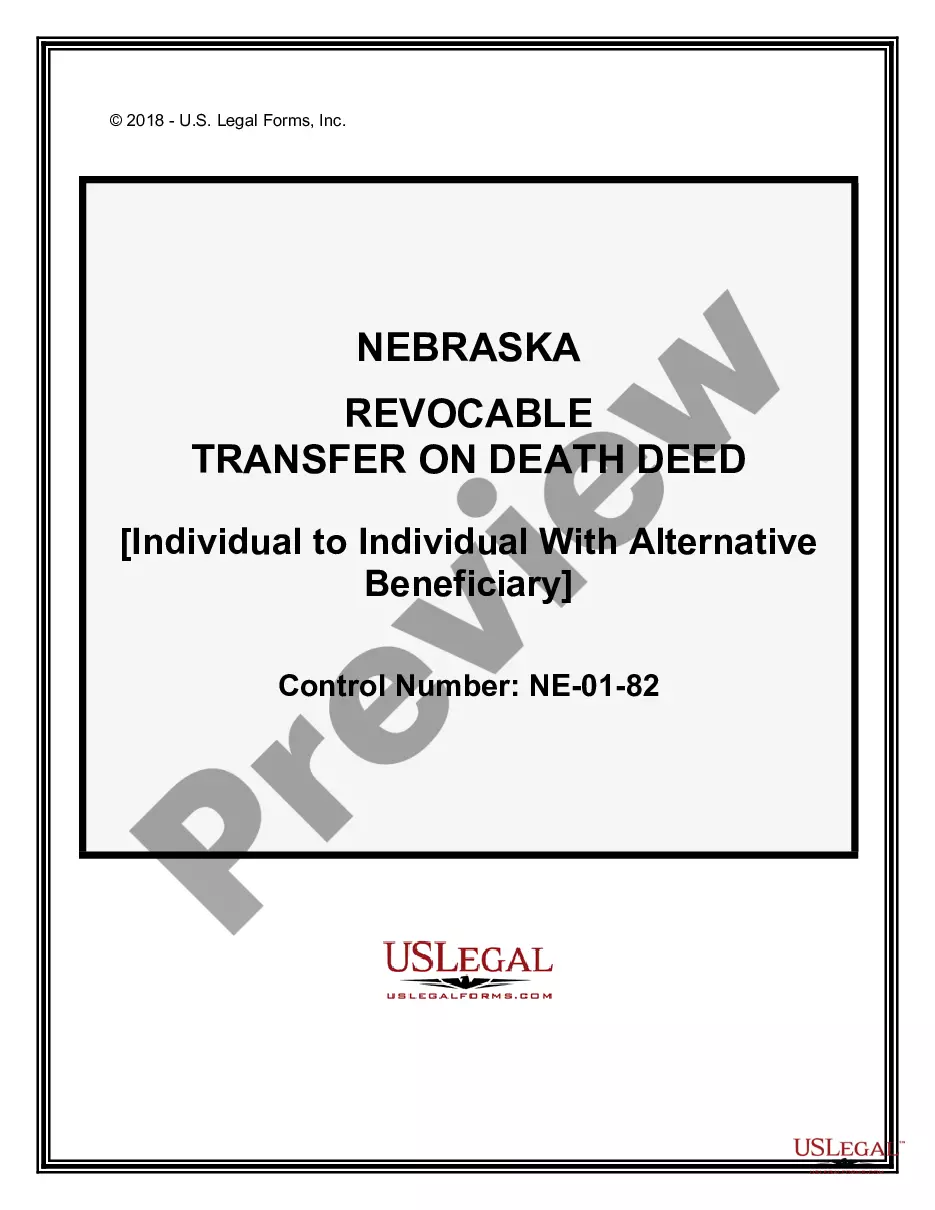
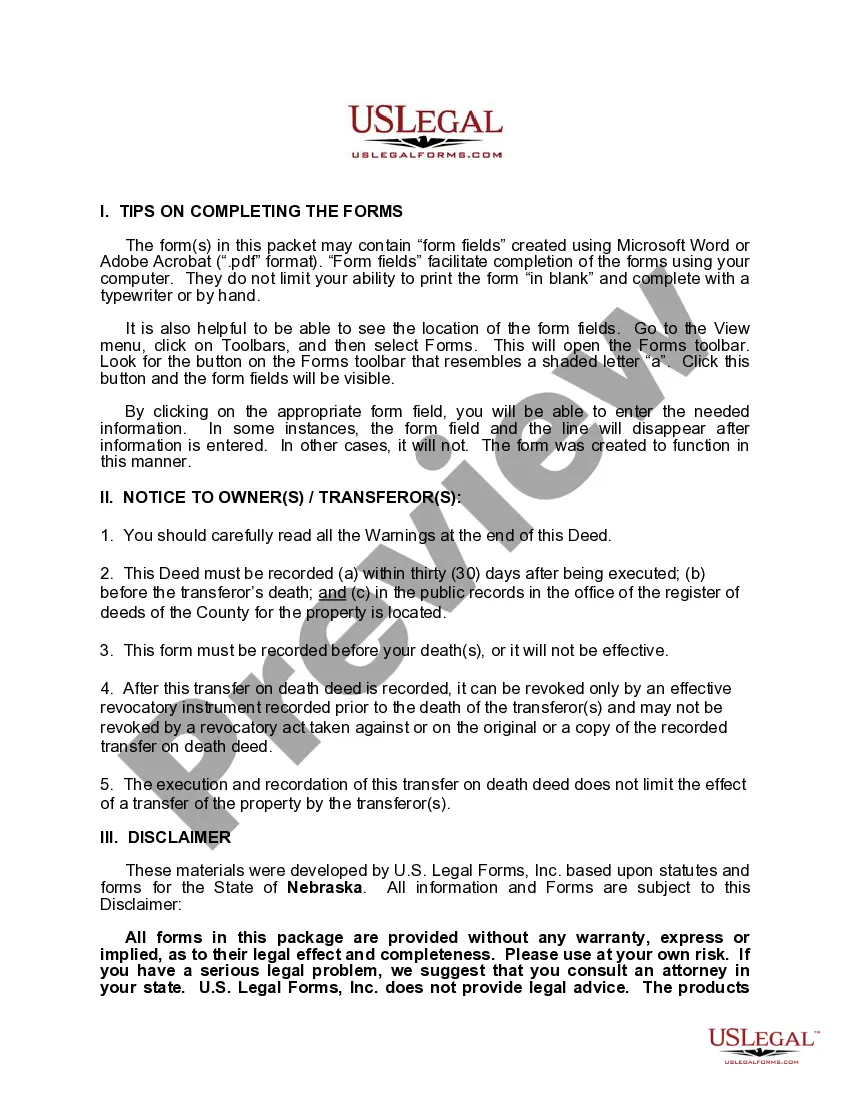
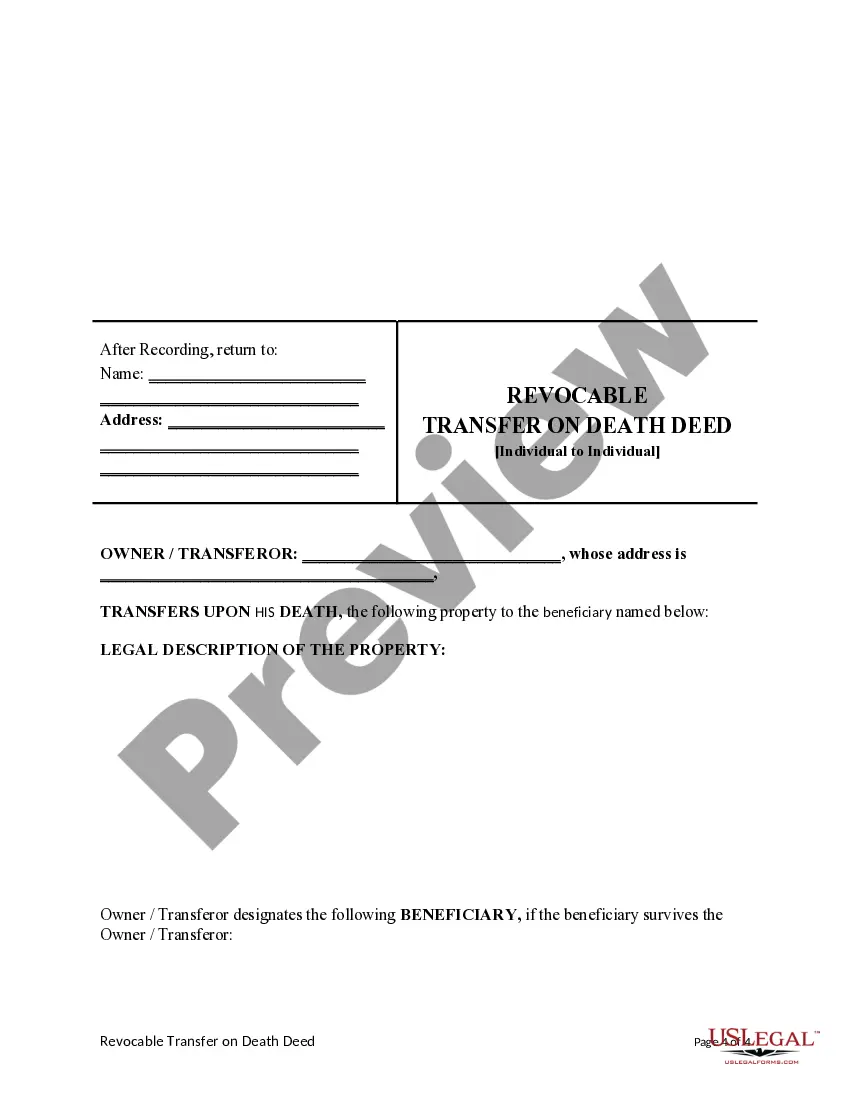
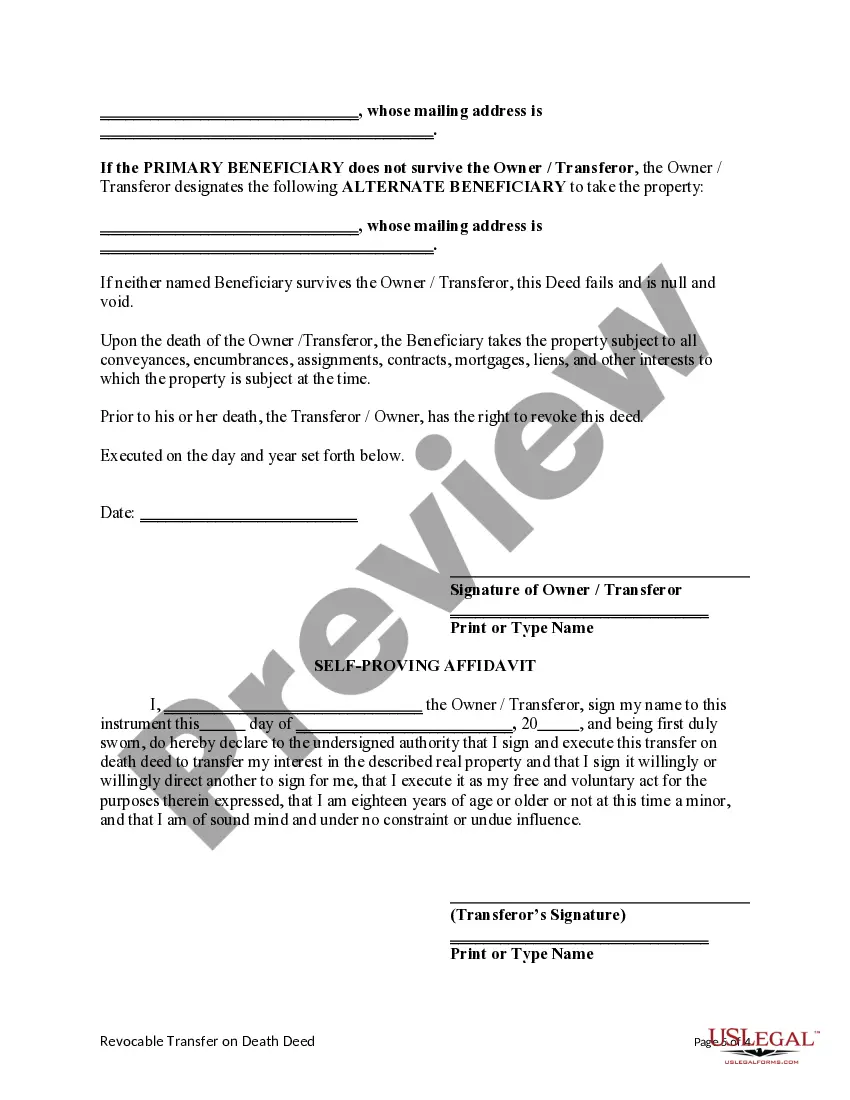
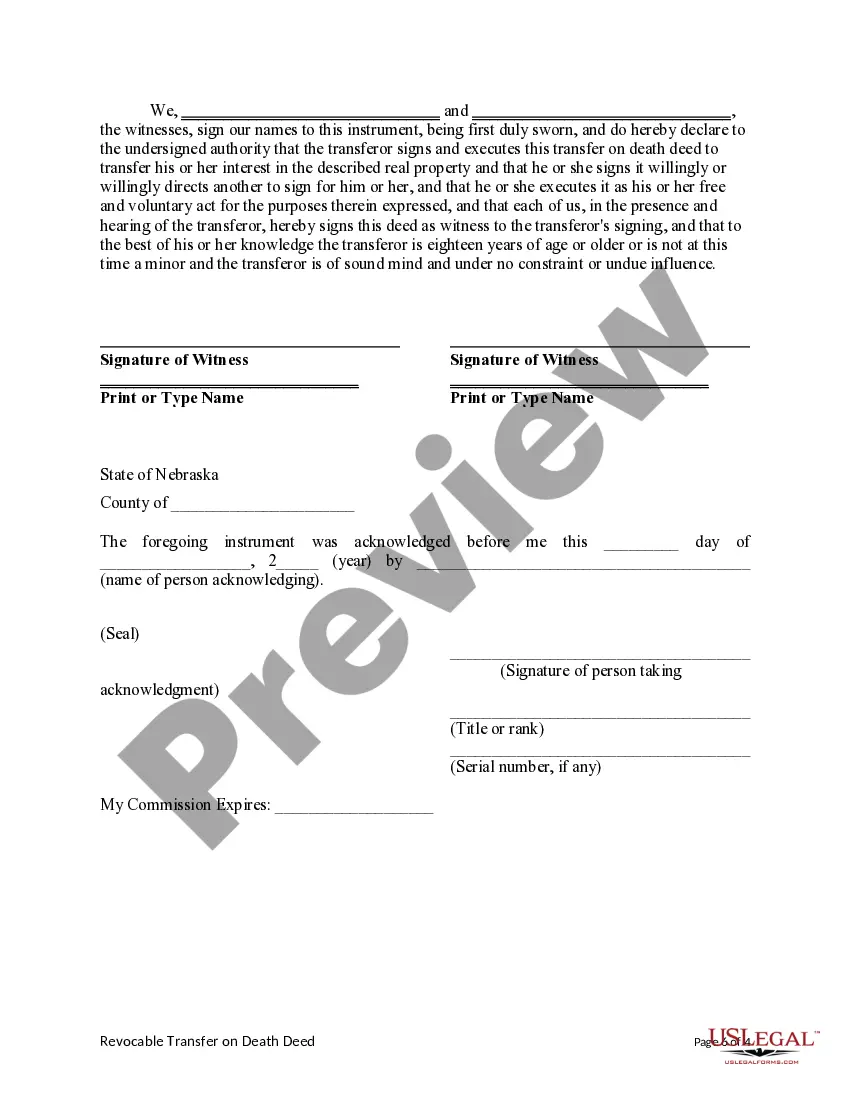
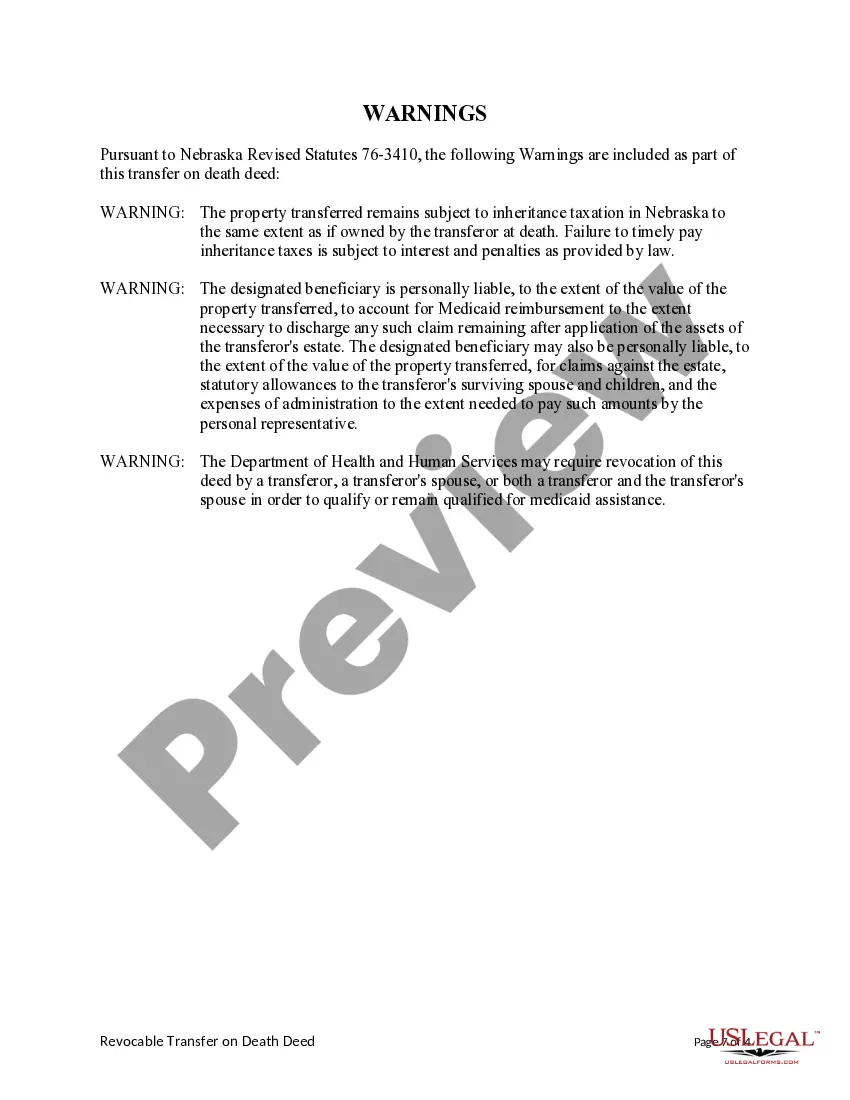
Get your form ready online
Our built-in tools help you complete, sign, share, and store your documents in one place.
Make edits, fill in missing information, and update formatting in US Legal Forms—just like you would in MS Word.
Download a copy, print it, send it by email, or mail it via USPS—whatever works best for your next step.
Sign and collect signatures with our SignNow integration. Send to multiple recipients, set reminders, and more. Go Premium to unlock E-Sign.
If this form requires notarization, complete it online through a secure video call—no need to meet a notary in person or wait for an appointment.
We protect your documents and personal data by following strict security and privacy standards.

Make edits, fill in missing information, and update formatting in US Legal Forms—just like you would in MS Word.

Download a copy, print it, send it by email, or mail it via USPS—whatever works best for your next step.

Sign and collect signatures with our SignNow integration. Send to multiple recipients, set reminders, and more. Go Premium to unlock E-Sign.

If this form requires notarization, complete it online through a secure video call—no need to meet a notary in person or wait for an appointment.

We protect your documents and personal data by following strict security and privacy standards.
Looking for another form?


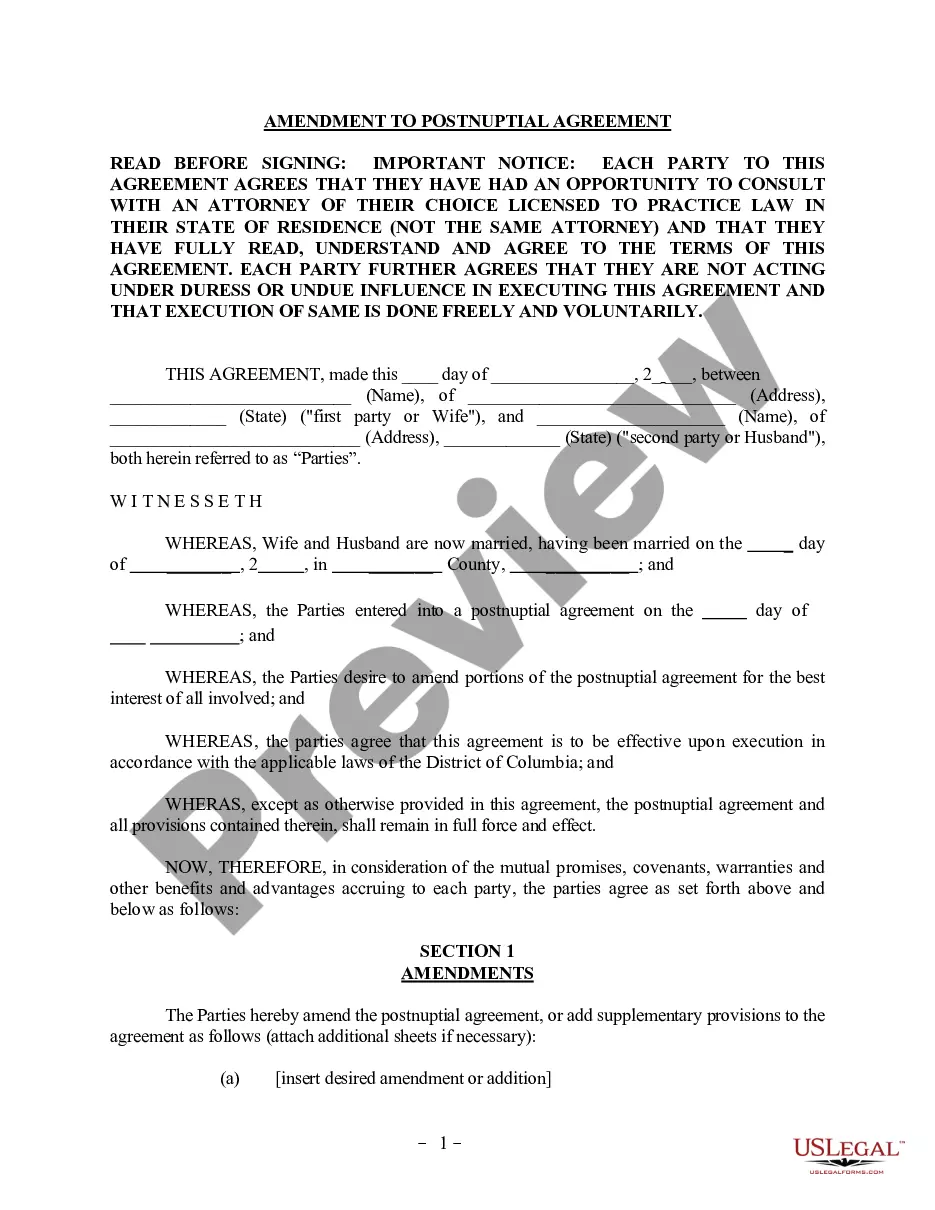

How to fill out Nebraska Transfer On Death Deed Or TOD - Beneficiary Deed - Individual To Individual With Provision For Alternate Beneficiary?
- Visit US Legal Forms and log in to your account if you're a returning user. Ensure your subscription is active to download forms.
- For first-time users, search for the Transfer on Death Deed template. Review the description and preview to confirm it meets Nebraska's legal requirements.
- If you need a different form, utilize the Search bar to find the appropriate document.
- Once you find the correct template, click on the Buy Now button and select your preferred subscription plan.
- Complete your purchase using your credit card or PayPal details to gain access to the library.
- After your transaction, download the form to your device and save it. You can always find it later in the My Forms section of your profile.
By utilizing US Legal Forms, you're choosing a reliable partner in managing your legal tasks efficiently. Their extensive library ensures that you have access to more forms at a competitive price, setting them apart in the market.
Simplify your estate planning by getting started with US Legal Forms today. Access the resources you need to create a Transfer on Death Deed and secure peace of mind for you and your beneficiaries.
Form popularity
FAQ
If your mom dies and the car is still in her name, you may face several steps to legally obtain ownership. If she completed a transfer on death deed in Nebraska for the vehicle, it would pass directly to you, avoiding probate. If not, you will need to go through the title transfer process, which includes gathering necessary documents and possibly dealing with the estate. Consulting an expert can help clarify the steps and make the process smoother.
Driving a car registered to a deceased person can lead to legal complications. Typically, you need to transfer the title to your name or the new owner's name before driving the vehicle legally. Referencing a transfer on death deed in Nebraska can streamline the process if you are the designated beneficiary. It's advisable to check with your local authorities to understand the specific regulations in your area.
A vehicle title transfer on death in Nebraska allows you to designate a beneficiary to inherit your vehicle automatically upon your death. This process simplifies the inheritance of your vehicle by bypassing the need for probate. Utilizing a transfer on death deed in Nebraska ensures that your wishes are honored without unnecessary legal complications. You can make this designation through the Nebraska Department of Motor Vehicles.
The statute governing transfer on death deeds in Nebraska primarily falls under the Nebraska Probate Code, specifically sections related to the deed’s execution and recording. This legal framework provides clear procedures for transferring property without probate complications. Familiarity with these statutes not only aids in proper execution but also ensures that your property wishes are honored. For comprehensive help, UsLegalForms can provide you with the necessary templates and support.
Statute 30-4041 addresses the rights of beneficiaries under a transfer on death deed in Nebraska. It outlines the circumstances under which beneficiaries receive their inheritances while preserving the ownership rights of the property owner until death. This statute helps clarify the roles of both the owner and beneficiaries, ensuring transparency in the transfer process. For detailed guidance, consider consulting UsLegalForms to streamline your planning.
Statute 30-2410 in Nebraska defines the requirements for creating a valid transfer on death deed. This includes the necessary information that must be included in the deed, such as the property description and the names of the beneficiaries. Following these guidelines is essential to ensure that the transfer is legally binding. Utilizing legal resources, like UsLegalForms, can assist in understanding and applying this statute effectively.
The Transfer on Death Deed Act in Nebraska allows property owners to transfer their real estate to designated beneficiaries upon their death. This deed functions outside of the probate process, simplifying the transfer of ownership. By using a transfer on death deed, you maintain full control of the property during your lifetime. Ultimately, this act offers peace of mind, knowing your wishes are carried out seamlessly.
After the death of the property owner, the transfer on death deed in Nebraska takes effect immediately. However, you should record the deed as soon as possible to avoid complications. The property will then pass directly to the designated beneficiaries, preventing probate delays. Understanding these steps helps ensure a smooth transition of ownership.
Choosing between a transfer on death deed and a beneficiary designation often depends on individual circumstances. A transfer on death deed may be more suitable for real estate, while financial accounts may benefit from direct beneficiary designations. Each option has specific implications regarding control, tax, and estate management. Assessing your unique situation can help you determine the best approach for transfer on death deed Nebraska.
To transfer a title after death in Nebraska, you typically need to present the death certificate along with any relevant legal documents, such as a transfer on death deed. If no deed exists, you may need to follow the probate process. Navigating this process can be complex, so using a platform like US Legal Forms may streamline your experience with a transfer on death deed Nebraska. Understanding the requirements ensures a smooth title transfer.