Dissolution Methods Database
Description
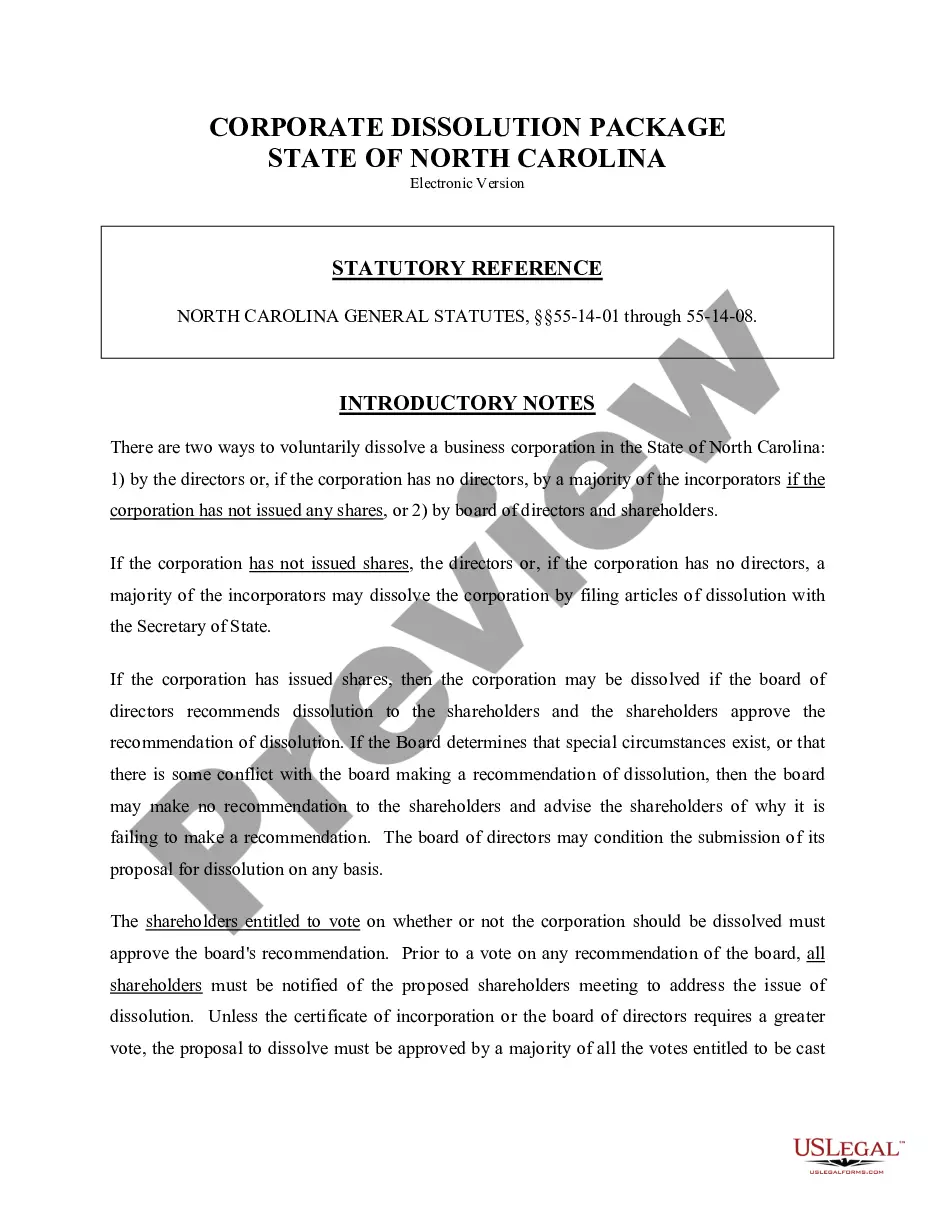
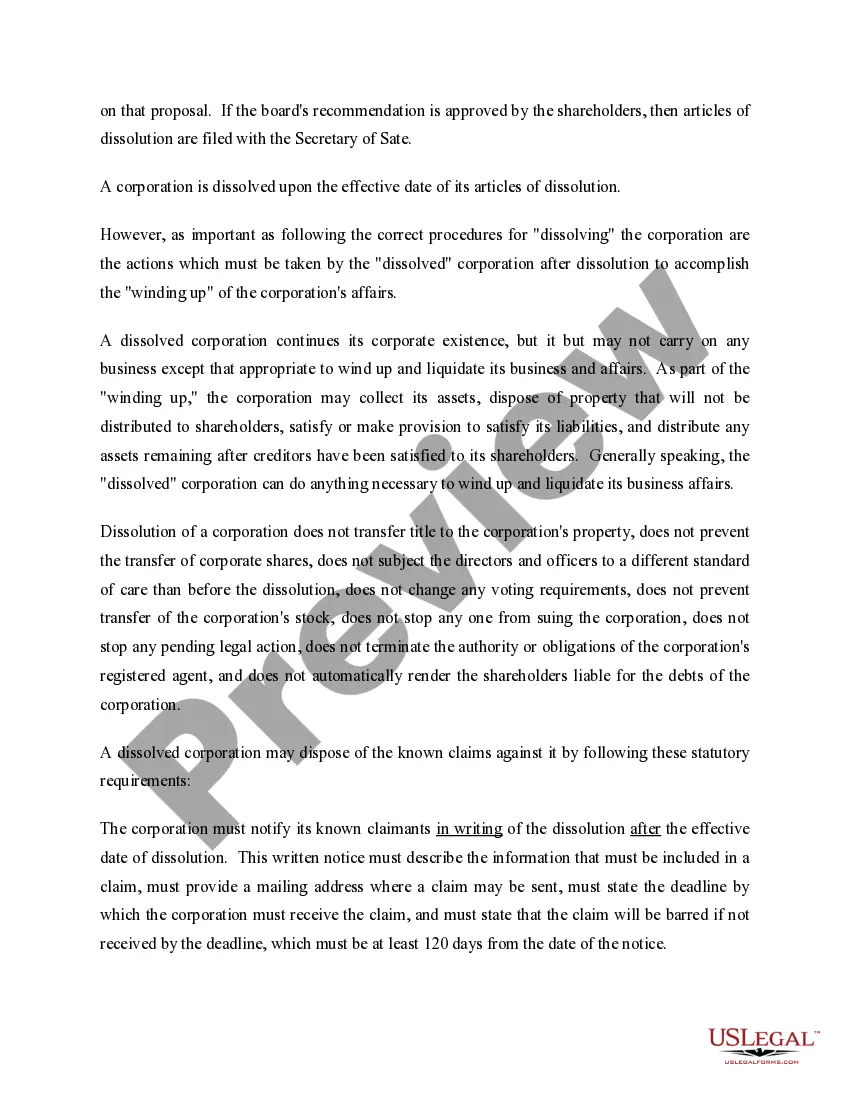
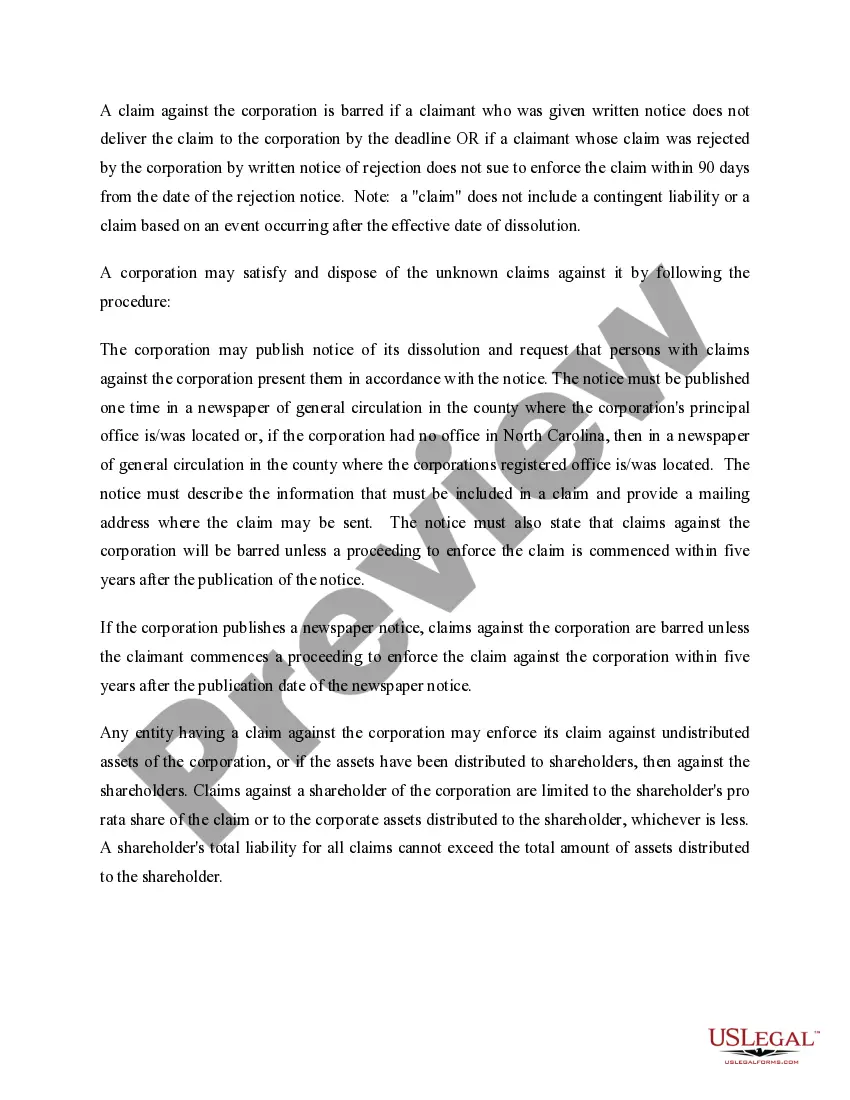
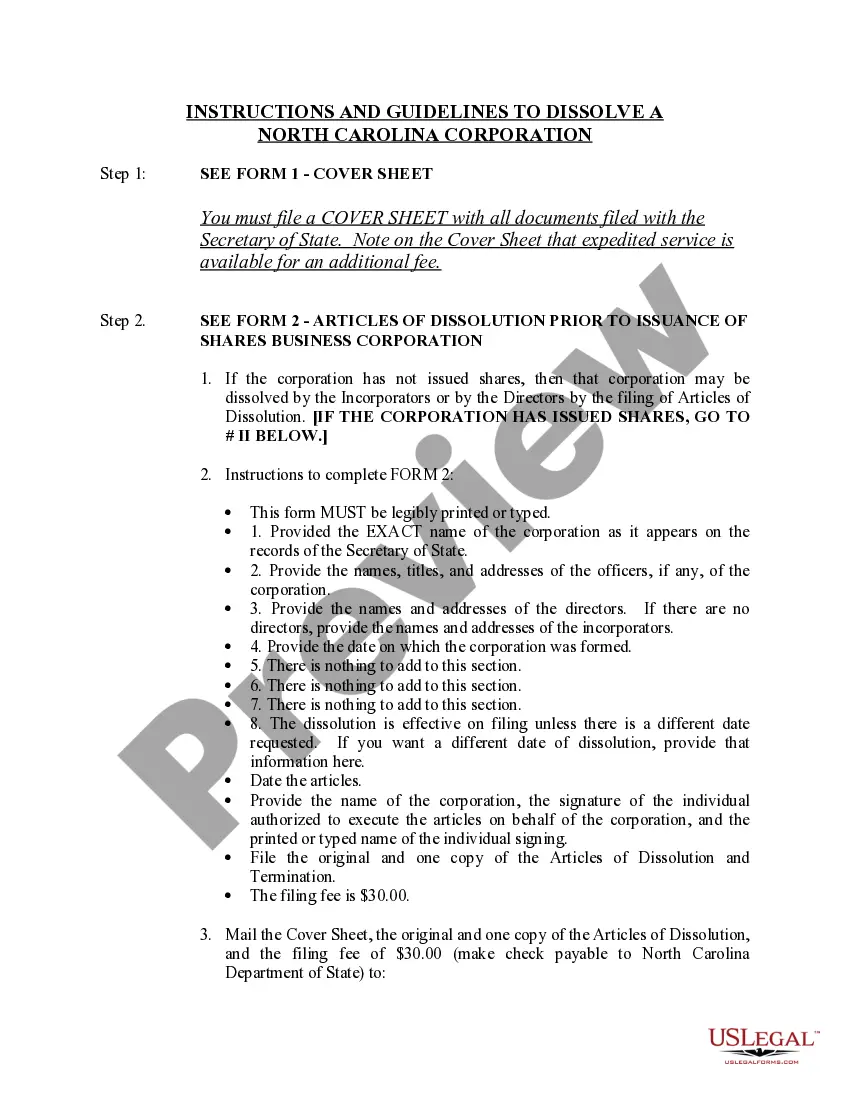


Get your form ready online
Our built-in tools help you complete, sign, share, and store your documents in one place.
Make edits, fill in missing information, and update formatting in US Legal Forms—just like you would in MS Word.
Download a copy, print it, send it by email, or mail it via USPS—whatever works best for your next step.
Sign and collect signatures with our SignNow integration. Send to multiple recipients, set reminders, and more. Go Premium to unlock E-Sign.
If this form requires notarization, complete it online through a secure video call—no need to meet a notary in person or wait for an appointment.
We protect your documents and personal data by following strict security and privacy standards.

Make edits, fill in missing information, and update formatting in US Legal Forms—just like you would in MS Word.

Download a copy, print it, send it by email, or mail it via USPS—whatever works best for your next step.

Sign and collect signatures with our SignNow integration. Send to multiple recipients, set reminders, and more. Go Premium to unlock E-Sign.

If this form requires notarization, complete it online through a secure video call—no need to meet a notary in person or wait for an appointment.

We protect your documents and personal data by following strict security and privacy standards.
Looking for another form?


How to fill out North Carolina Dissolution Package To Dissolve Corporation?
- Log into your account or create a new one on US Legal Forms by following the registration prompts.
- Explore the extensive preview mode and read the form descriptions to find the template that aligns with your specific legal needs.
- Utilize the Search feature to locate additional templates if the first choice doesn't meet your requirements.
- Select your desired document by clicking on the 'Buy Now' button and choose an appropriate subscription plan.
- Complete your purchase using your credit card or PayPal account for convenient payment options.
- Download your selected form and save it to your device. You can also access it later in the 'My Forms' section of your account.
By leveraging the resources provided by US Legal Forms, you can ensure that your legal documents are not only accurate but also tailored to your local jurisdiction's requirements. With over 85,000 forms available and access to premium expert support, you're empowered to create precise legal documents effectively.
Ready to simplify your legal needs? Visit US Legal Forms today and take advantage of the dissolution methods database!
Form popularity
FAQ
Calculating f2, or the similarity factor, involves using a specific formula to compare two dissolution profiles, effectively assessing how similar they are over time. The formula considers the differences in percent drug released at designated time points. By accessing the dissolution methods database, you can find detailed methods and examples of how to accurately calculate f2 in compliance with FDA guidelines.
The S1, S2, and S3 criteria for dissolution are limits that define the acceptable drug release at specific time points. S1 typically refers to the minimum percentage of drug released at a designated time, while S2 and S3 build on this with increasing thresholds. Utilizing the dissolution methods database can help clarify these criteria in relation to your product and ensure you meet industry expectations.
Setting the 'q' point in dissolution involves determining the amount of drug that must be released by a specified time to meet therapeutic effectiveness. This point is crucial for quality control in pharmaceutical manufacturing. Consulting the dissolution methods database can provide guidance on setting appropriate q points tailored to your product’s characteristics.
The acceptable Relative Standard Deviation (RSD) for dissolution tests generally falls below 15%. This benchmark indicates the consistency and reliability of your results. Using the dissolution methods database can provide valuable insights into establishing acceptable ranges based on similar formulations and industry standards.
Parameters of the dissolution method typically include factors like temperature, stirring speed, volume of the dissolution medium, and duration of the test. Each parameter significantly influences the dissolution profile of a drug. By referencing the dissolution methods database, you can determine the optimal settings that meet regulatory and product-specific requirements.
Setting up a dissolution apparatus involves following the manufacturer's instructions and ensuring that all components are calibrated. Position the apparatus according to your lab’s layout, and ensure proper installation of necessary equipment. Leveraging the dissolution methods database can help you select the right apparatus that corresponds to the dissolution standards required for your specific applications.
The dissolution method in the United States Pharmacopeia (USP) refers to prescribed procedures for measuring how quickly a drug dissolves in a specified solvent. This method ensures consistent and reliable results across different labs. By using the dissolution methods database, you can easily access and select the appropriate USP method based on your specific formulation and regulatory requirements.
To set a dissolution specification, begin by defining the desired drug release characteristics. Consider factors such as the target release rate and the drug formulation. Utilize the dissolution methods database to compare similar formulations and establish benchmarks. This approach ensures that your specification aligns with regulatory standards and therapeutic goals.
Dissolution specifications define the criteria that the drug product must meet in terms of the rate and extent of drug release. These specifications ensure products perform as expected for therapeutic efficacy. Leveraging the dissolution methods database can help you establish rigorous and scientifically backed specifications for your formulations, ensuring they meet both regulatory and patient needs.
Carrying out a dissolution test involves preparing the test samples, selecting the appropriate dissolution medium, and setting up the dissolution apparatus. You need to monitor the testing over time, collecting samples to analyze the drug release profile. Utilizing the dissolution methods database can help streamline the procedures and enhance the accuracy of your results.