Lease With Tenant With No Owner
Description
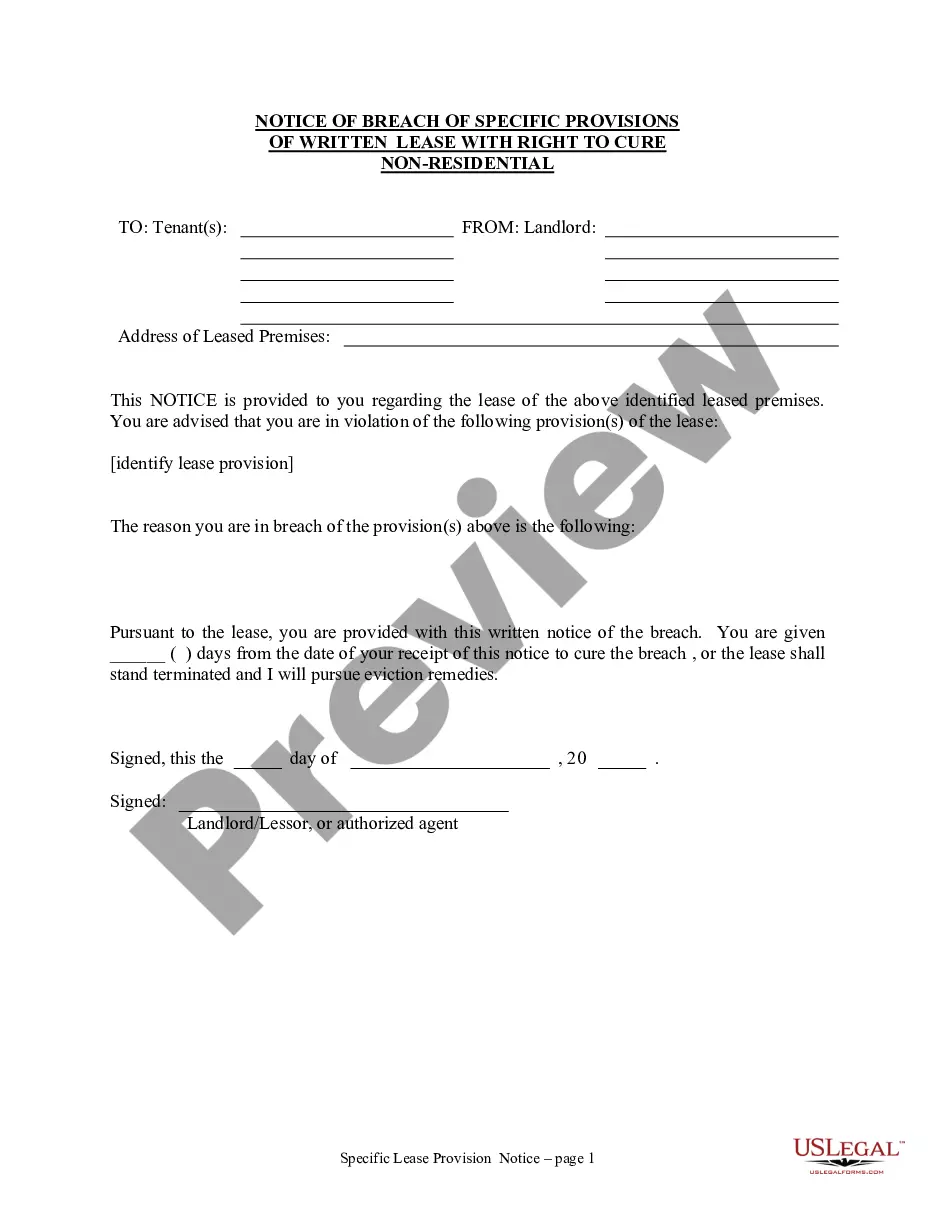
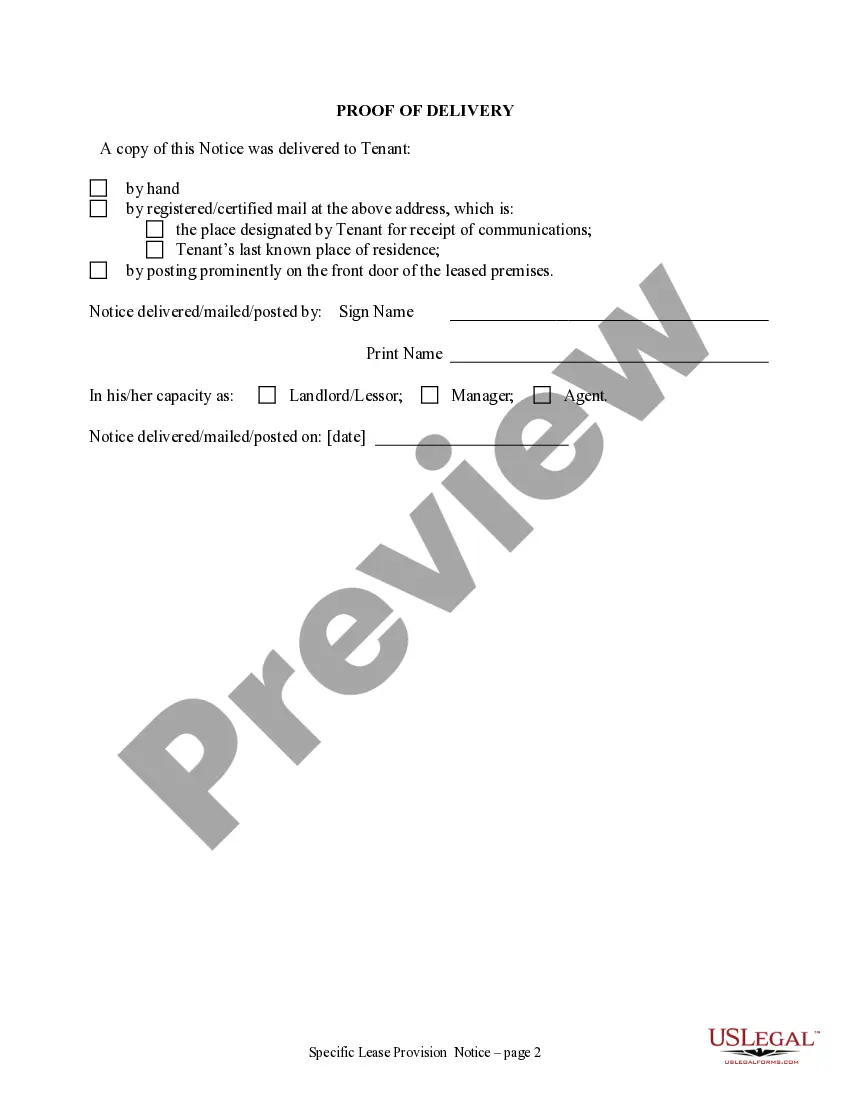


Get your form ready online
Our built-in tools help you complete, sign, share, and store your documents in one place.
Make edits, fill in missing information, and update formatting in US Legal Forms—just like you would in MS Word.
Download a copy, print it, send it by email, or mail it via USPS—whatever works best for your next step.
Sign and collect signatures with our SignNow integration. Send to multiple recipients, set reminders, and more. Go Premium to unlock E-Sign.
If this form requires notarization, complete it online through a secure video call—no need to meet a notary in person or wait for an appointment.
We protect your documents and personal data by following strict security and privacy standards.

Make edits, fill in missing information, and update formatting in US Legal Forms—just like you would in MS Word.

Download a copy, print it, send it by email, or mail it via USPS—whatever works best for your next step.

Sign and collect signatures with our SignNow integration. Send to multiple recipients, set reminders, and more. Go Premium to unlock E-Sign.

If this form requires notarization, complete it online through a secure video call—no need to meet a notary in person or wait for an appointment.

We protect your documents and personal data by following strict security and privacy standards.
Looking for another form?









How to fill out North Carolina Notice Of Breach Of Written Lease For Violating Specific Provisions Of Lease With Right To Cure For Nonresidential Property From Landlord To Tenant?
- Log in to your US Legal Forms account if you're a returning user. Make sure your subscription is active before proceeding.
- Preview the document options available to find the lease form that aligns with your needs and complies with local jurisdiction requirements.
- If you don't find the right template, use the Search feature to explore additional options until you locate a suitable form.
- Purchase your document by selecting the 'Buy Now' button and choosing your preferred subscription plan.
- Complete your payment using a credit card or PayPal to finalize your subscription and gain access to exclusive forms.
- Download the desired lease form to your device and access it anytime from the 'My Forms' section in your account.
By following these easy steps, you can ensure you're equipped with the proper documentation to manage your lease successfully. US Legal Forms not only offers a robust collection of legal forms, but also connects you with premium experts for assistance.
Don't wait! Start your journey towards securing your lease with tenant with no owner today by visiting US Legal Forms and taking advantage of their comprehensive resources.
Form popularity
FAQ
No, the landlord does not have to be the property owner. A lease with tenant with no owner can still be valid if the landlord has permission from the owner to lease the property. This arrangement is common in property management scenarios. Clearly defining the relationship in writing can prevent misunderstandings.
In Pennsylvania, typically you do not need a formal license to be a landlord. However, local regulations may require landlords to register rental properties. If you are engaging in a lease with tenant with no owner arrangement, it is crucial to check your local laws. This ensures compliance and protects both parties in the lease.
To become a landlord without owning property, you can manage rental units for property owners. In this case, you would establish a lease with tenant with no owner in a manner that outlines your responsibilities. Many individuals successfully operate as property managers, handling tenant relations and maintenance. Building a reputation can lead to more opportunities in this field.
Yes, a non-owner can rent a property under certain conditions. This arrangement often leads to a lease with tenant with no owner scenario. Generally, the non-owner must have permission from the actual property owner, typically through a management agreement. Making this arrangement clear can help avoid legal issues.
In Massachusetts, a person can be considered a tenant as soon as they occupy a property with the intent to stay. This means that even if there is no formal lease, a lease with tenant with no owner may still establish tenancy through actions. Importantly, even verbal agreements can create tenancy relationships. Understanding this can protect both landlords and tenants in disputes.
When there is no tenancy agreement, the relationship between the landlord and tenant can become unclear. Typically, a lease with tenant with no owner situation means that rights and responsibilities are ambiguous. Without a written agreement, tenants may lack protections, and landlords might face challenges in enforcing rules. It is advisable to create a lease to clarify terms and avoid potential disputes.
Yes, a landlord can take legal action even if you do not have a formal lease. In many cases, a verbal agreement or tenancy can establish your obligations. If disputes arise over rent or property condition, landlords may pursue eviction or other legal means. To address these concerns efficiently, you might explore resources like US Legal Forms, which can guide you through the complexities of being a lease with tenant with no owner.
The length someone can live with you without being on the lease largely depends on the terms of the current lease agreement. Typically, landlords expect to know about additional occupants for a certain period, which can vary. Consistently having someone stay for an extended time may require you to consider formalizing their presence on the lease. To avoid complications, be proactive when navigating a lease with tenant with no owner.
Breaking up with someone you share a lease with can lead to several options and challenges. You may need to negotiate how to handle the lease, whether that means one person stays or you find a replacement tenant. If both parties agree, you can seek to terminate the lease early. Understanding your rights is crucial, especially when you're in a lease with tenant with no owner situation.
Living with someone who is on the lease but not having your name listed does not automatically make it illegal. However, many leases have specific clauses regarding additional occupants. If you want to ensure a smooth living situation, it is advisable to communicate with the leaseholder and the landlord. It is important to understand the implications of being a lease with tenant with no owner in your living arrangement.