Lease Property For Cattle
Description


Get your form ready online
Our built-in tools help you complete, sign, share, and store your documents in one place.
Make edits, fill in missing information, and update formatting in US Legal Forms—just like you would in MS Word.
Download a copy, print it, send it by email, or mail it via USPS—whatever works best for your next step.
Sign and collect signatures with our SignNow integration. Send to multiple recipients, set reminders, and more. Go Premium to unlock E-Sign.
If this form requires notarization, complete it online through a secure video call—no need to meet a notary in person or wait for an appointment.
We protect your documents and personal data by following strict security and privacy standards.

Make edits, fill in missing information, and update formatting in US Legal Forms—just like you would in MS Word.

Download a copy, print it, send it by email, or mail it via USPS—whatever works best for your next step.

Sign and collect signatures with our SignNow integration. Send to multiple recipients, set reminders, and more. Go Premium to unlock E-Sign.

If this form requires notarization, complete it online through a secure video call—no need to meet a notary in person or wait for an appointment.

We protect your documents and personal data by following strict security and privacy standards.
Looking for another form?





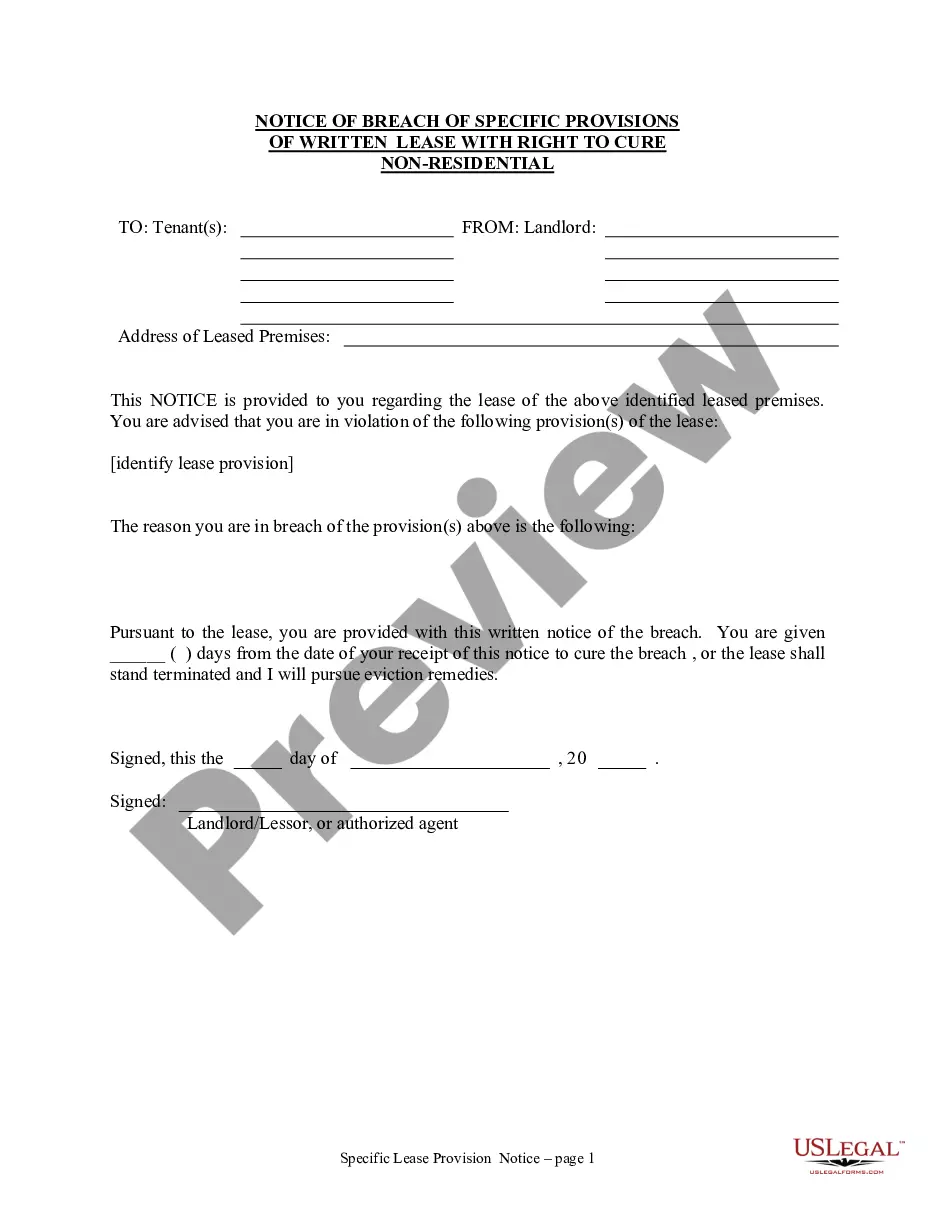
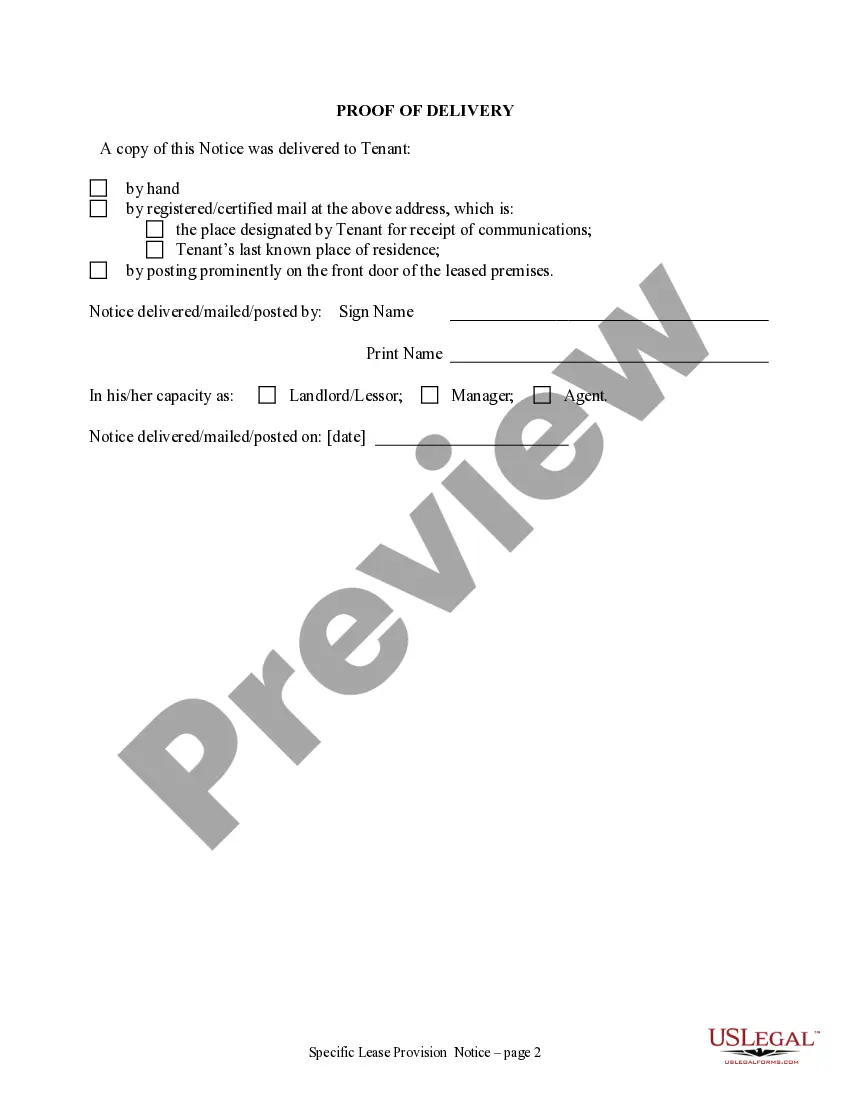
How to fill out North Carolina Notice Of Breach Of Written Lease For Violating Specific Provisions Of Lease With Right To Cure For Nonresidential Property From Landlord To Tenant?
- If you're already a user of US Legal Forms, log in to your account and download the form template you need by clicking the Download button. Ensure your subscription is active; if not, renew according to your payment plan.
- For first-time users, start by exploring the platform. Check the Preview mode and descriptions to select the leasing form that meets your specific requirements.
- If required, search for alternative templates. Utilize the Search tab to help locate the correct document if the initial one doesn’t match your needs.
- Once you find the right form, proceed to purchase by clicking the Buy Now button and choosing a subscription plan that suits your needs. An account registration will grant you full access to the library.
- Finalize your purchase by entering your payment details via credit card or PayPal to complete the transaction.
- After completing your order, download the form and save it to your device. You can access it anytime from the My Forms menu.
With US Legal Forms, you gain access to a vast collection of legal documents and expert assistance, ensuring that your lease agreements are both precise and compliant with local regulations.
Start your journey in leasing property for cattle today and benefit from our extensive legal form resources!
Form popularity
FAQ
To lease pasture land effectively, start by assessing available properties and determining your cattle needs. Look for firms or platforms like US Legal Forms that simplify the leasing process by providing templates for contracts and legal guidance. With the right lease for property designed for cattle, you can efficiently manage your investment.
The average profit per cow can range from $100 to $1,000 annually, but this depends on feed costs, health management, and market prices. Additionally, successful operations focused on optimizing costs yield higher profits. Since leasing property for cattle impacts your overall expenses, careful planning can greatly enhance your potential returns.
The amount of land needed to sustain a profitable cattle operation varies depending on factors like livestock size and grazing availability. Generally, you might require between 1.5 to 2 acres per cow to maintain their health and productivity. Therefore, when you lease property for cattle, consider the land layout and resources to ensure a successful venture.
Cattle contracts outline the terms between the landlord and the lessee, such as duration, payment, and responsibilities. These agreements often specify the rights to breed, feed, and manage the cattle while ensuring compliance with regulations. This structure allows both parties to lease property for cattle confidently and understand their commitments.
Leasing cattle typically involves two main options: leasing livestock or leasing pasture for grazing. When you lease livestock, you can either enter a stocker lease or a cow-calf lease, each serving different needs. On the other hand, leasing pasture land lets you utilize existing resources while minimizing your investment, making it a practical choice to lease property for cattle.
The number of acres needed for a farmer to make a living varies widely based on factors such as crop type, farming method, and market conditions. Generally, leasing property for cattle can increase profitability, allowing for better production capacity on fewer acres. Many farmers find that 50 to 100 acres can be sustainable under the right conditions, but it's crucial to analyze local agricultural demands and economic factors.
Finding farmland to lease involves a few strategic steps. Begin by contacting local agricultural associations, as they often have resources and listings for available leases. Online real estate platforms and classified ads can also help you locate suitable farms. Once you identify a property, consider consulting legal resources to draft an effective lease agreement.
To acquire leased land, start by researching available properties in your desired area. Networking with local farmers, attending agricultural events, and using online platforms can connect you to landowners willing to lease. Once you find potential properties, ensure you understand the lease terms and your obligations as a lessee. US Legal Forms offers templates that help you navigate the leasing process smoothly.
Leasing land to farmers can be a profitable venture, especially if you lease property for cattle. Landowners receive steady income from lease payments while retaining ownership of their land. Additionally, leasing can reduce land maintenance responsibilities and risks associated with farming. Researching local market trends will help you set competitive lease rates.
When determining how many cows you can place on an acre of land, factors such as pasture quality and cattle breed play crucial roles. Generally, about one cow can graze per acre, but this number changes with rotational grazing systems or temporary pastures. For optimal results, it is wise to consult local agricultural experts when you lease property for cattle, as they can provide tailored advice based on regional conditions.