Answers To Interrogatories Sample For Divorce
Description


Get your form ready online
Our built-in tools help you complete, sign, share, and store your documents in one place.
Make edits, fill in missing information, and update formatting in US Legal Forms—just like you would in MS Word.
Download a copy, print it, send it by email, or mail it via USPS—whatever works best for your next step.
Sign and collect signatures with our SignNow integration. Send to multiple recipients, set reminders, and more. Go Premium to unlock E-Sign.
If this form requires notarization, complete it online through a secure video call—no need to meet a notary in person or wait for an appointment.
We protect your documents and personal data by following strict security and privacy standards.

Make edits, fill in missing information, and update formatting in US Legal Forms—just like you would in MS Word.

Download a copy, print it, send it by email, or mail it via USPS—whatever works best for your next step.

Sign and collect signatures with our SignNow integration. Send to multiple recipients, set reminders, and more. Go Premium to unlock E-Sign.

If this form requires notarization, complete it online through a secure video call—no need to meet a notary in person or wait for an appointment.

We protect your documents and personal data by following strict security and privacy standards.
Looking for another form?

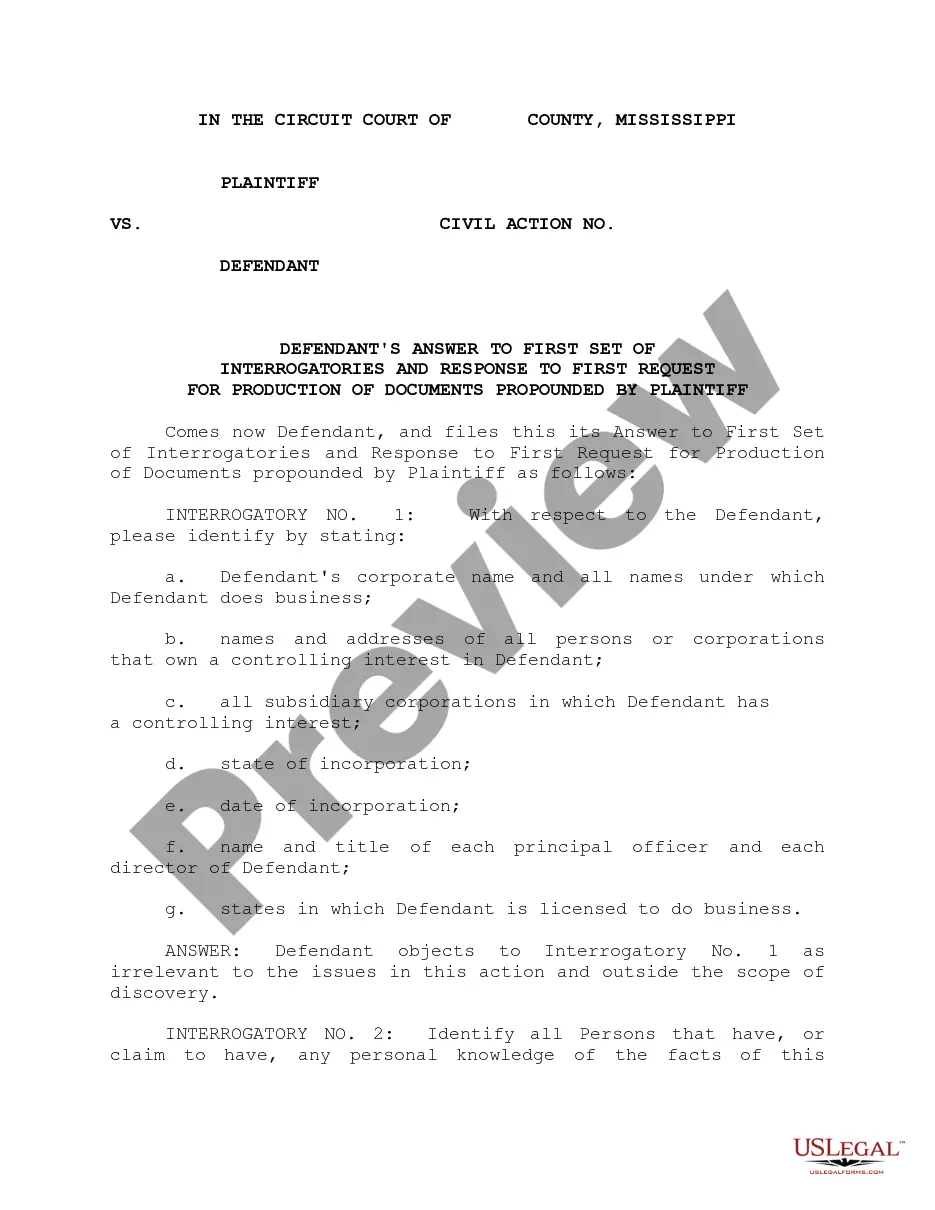
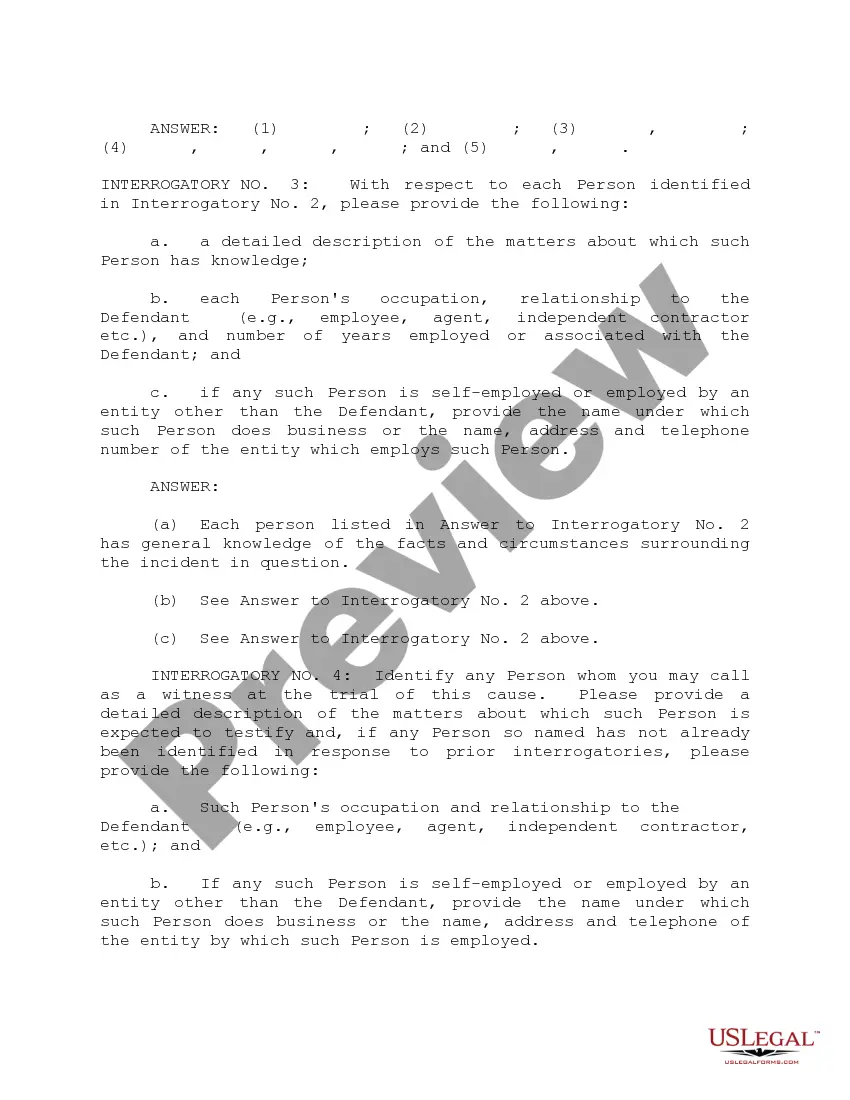
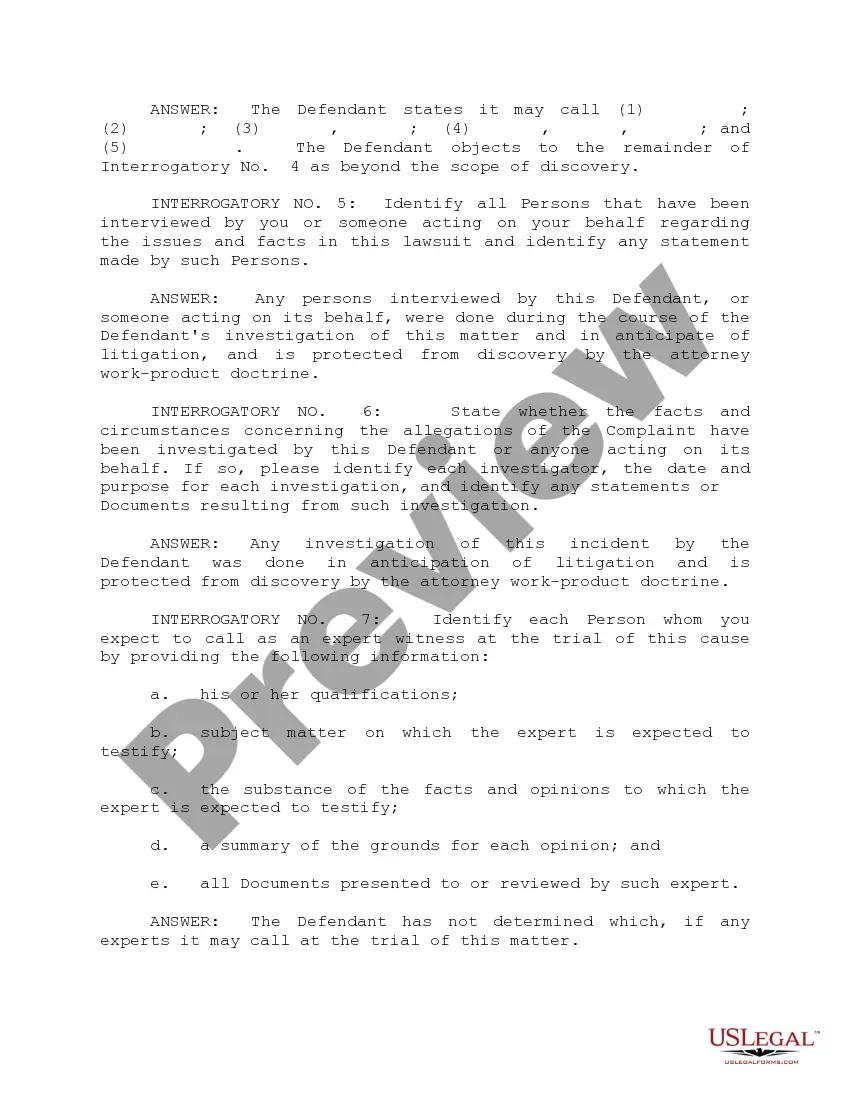
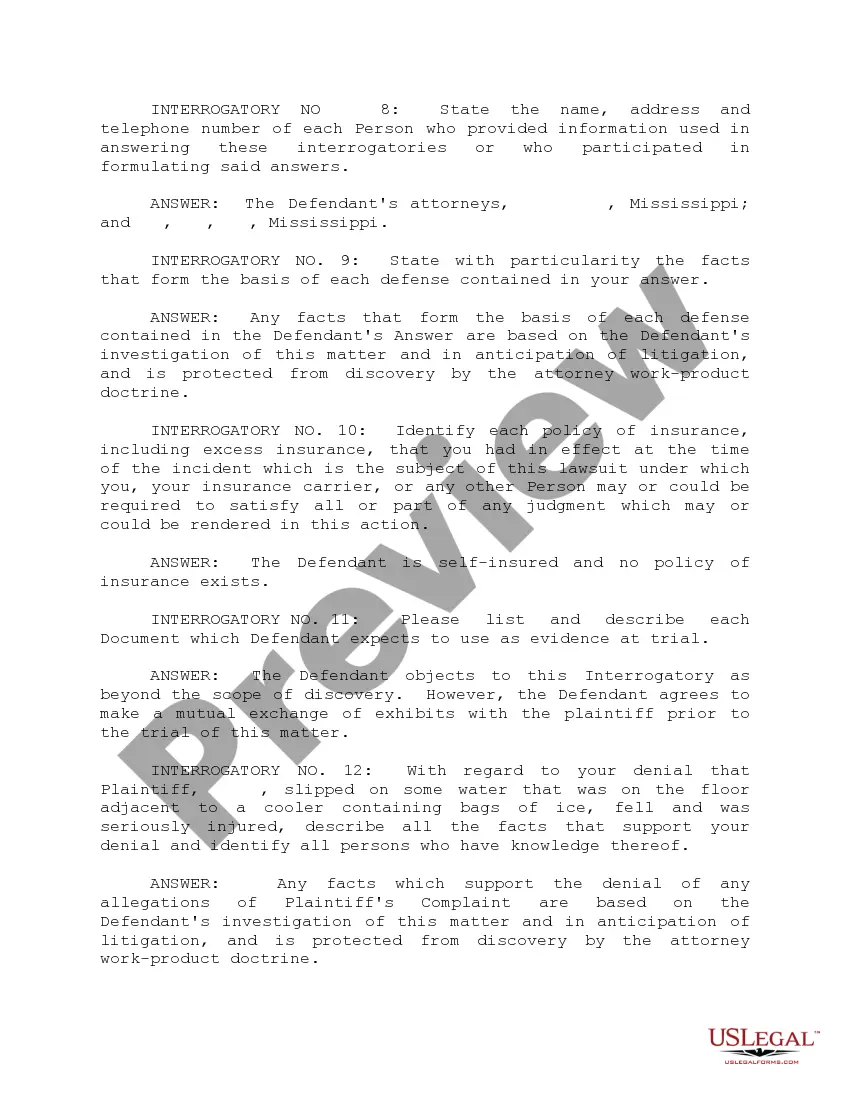
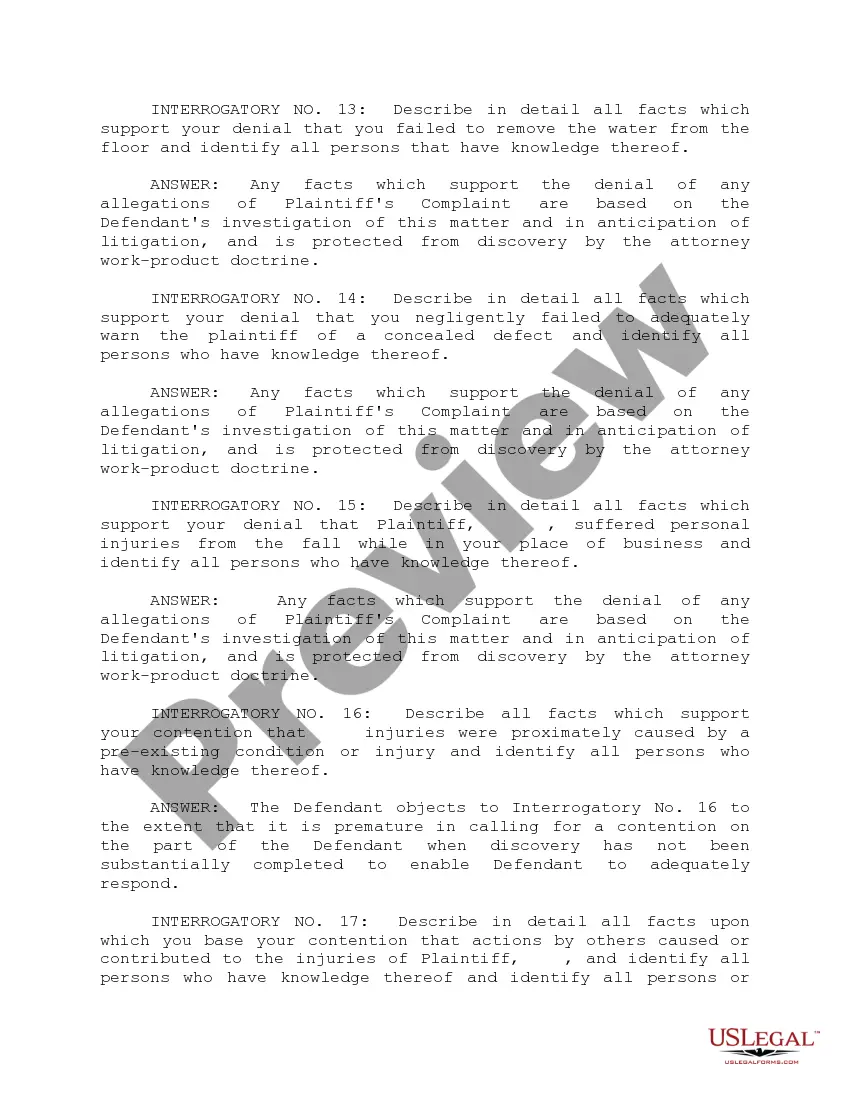
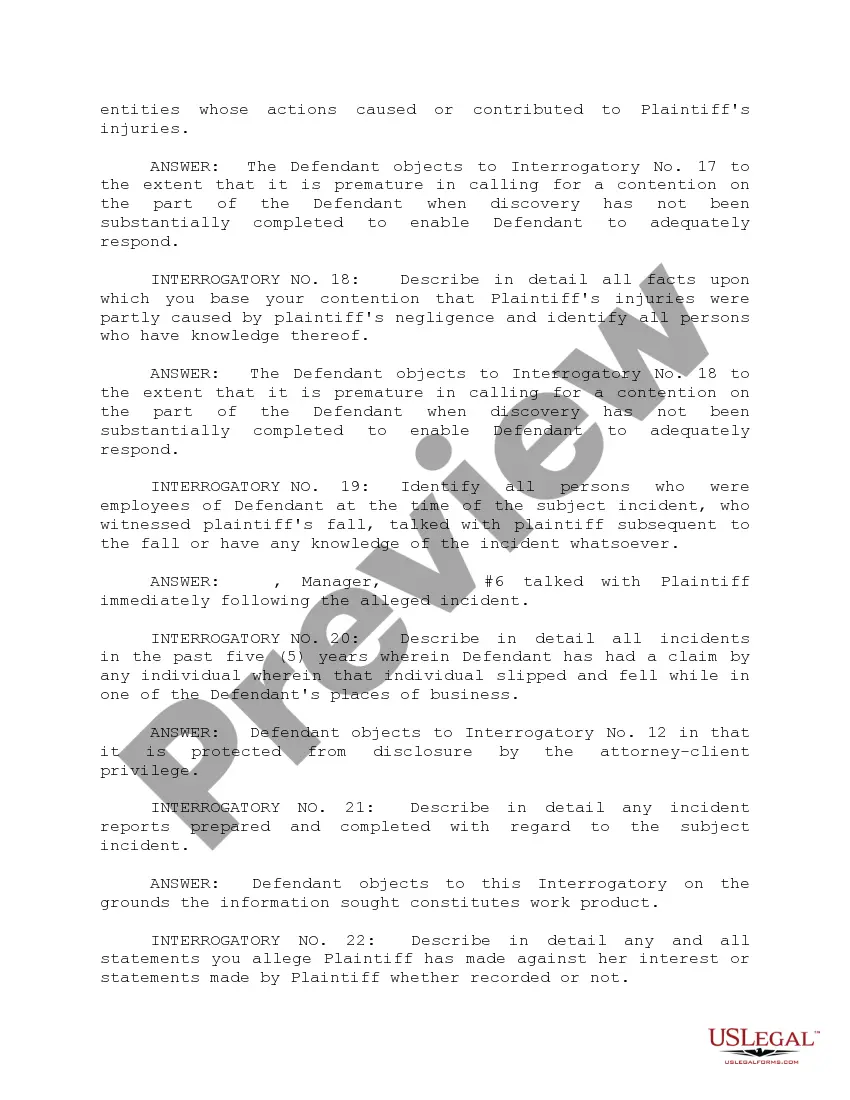
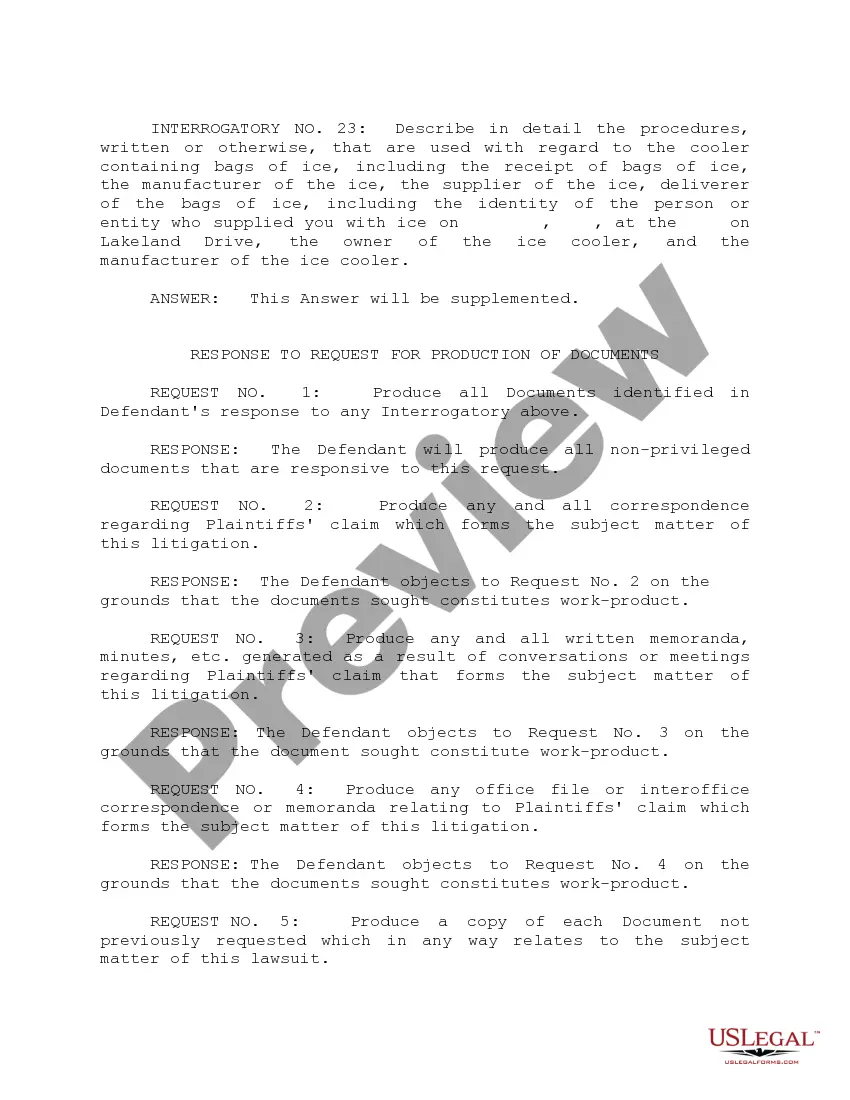
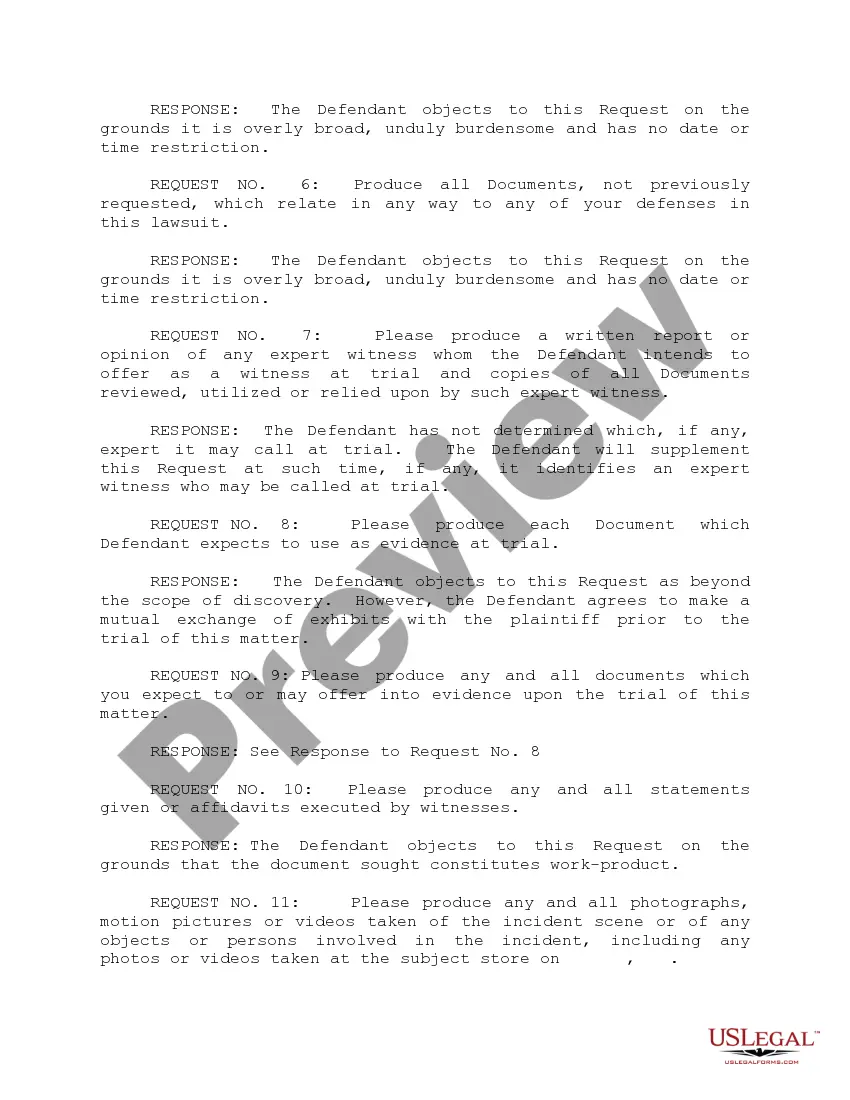
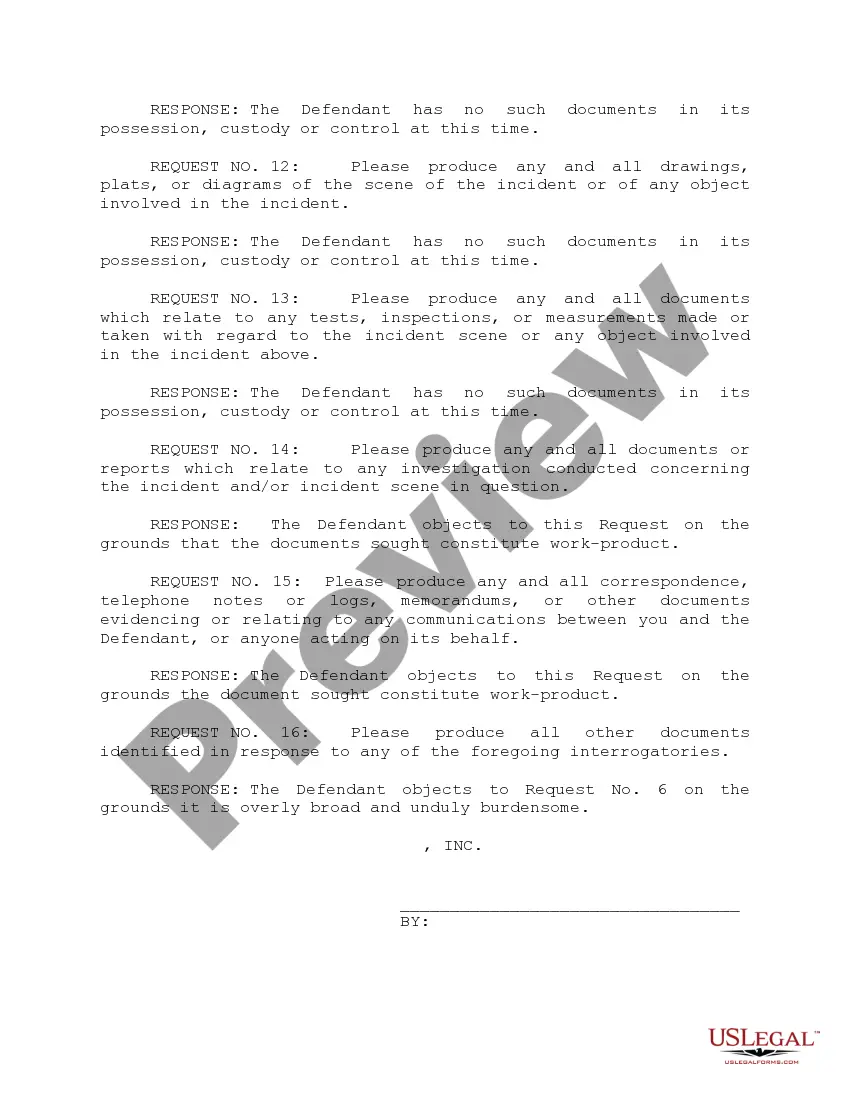
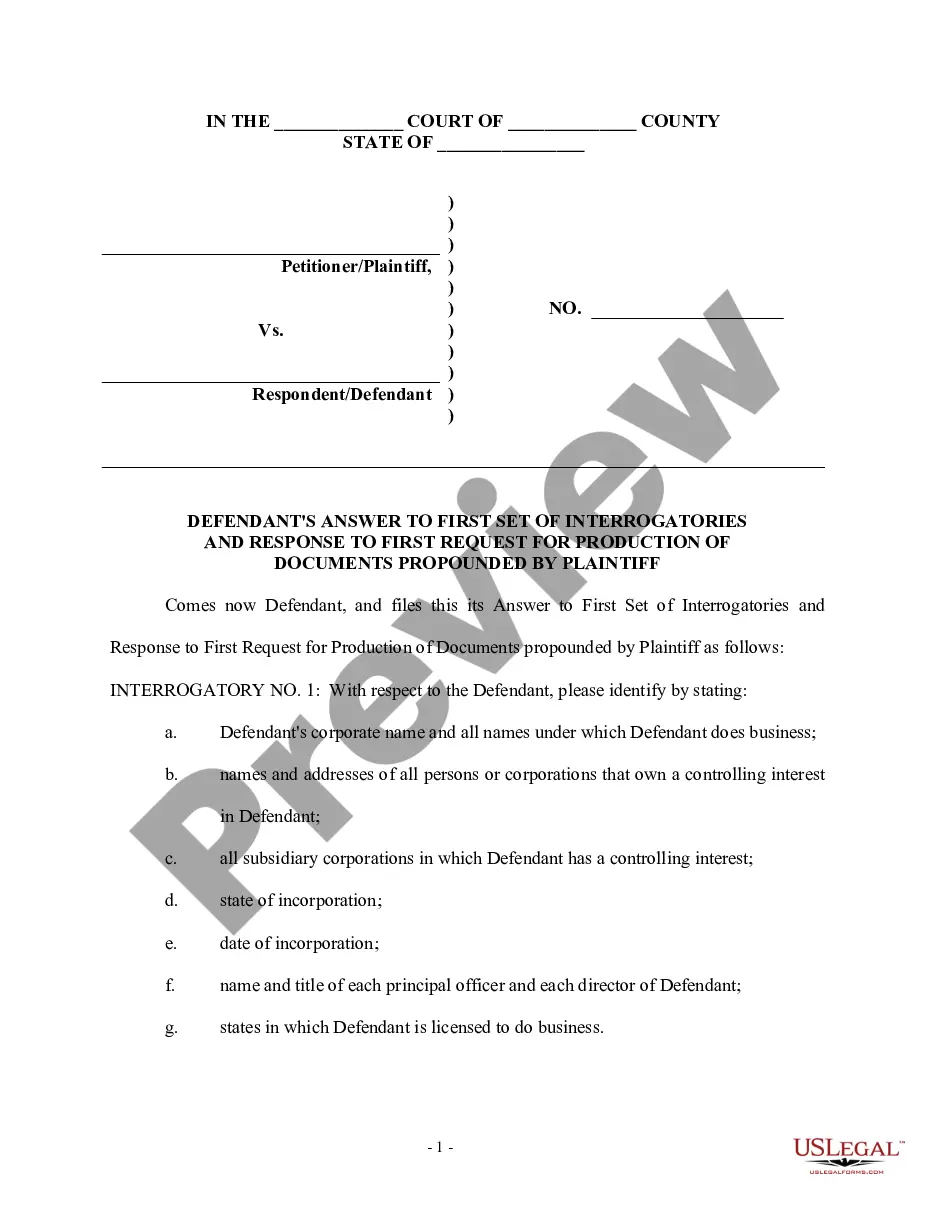
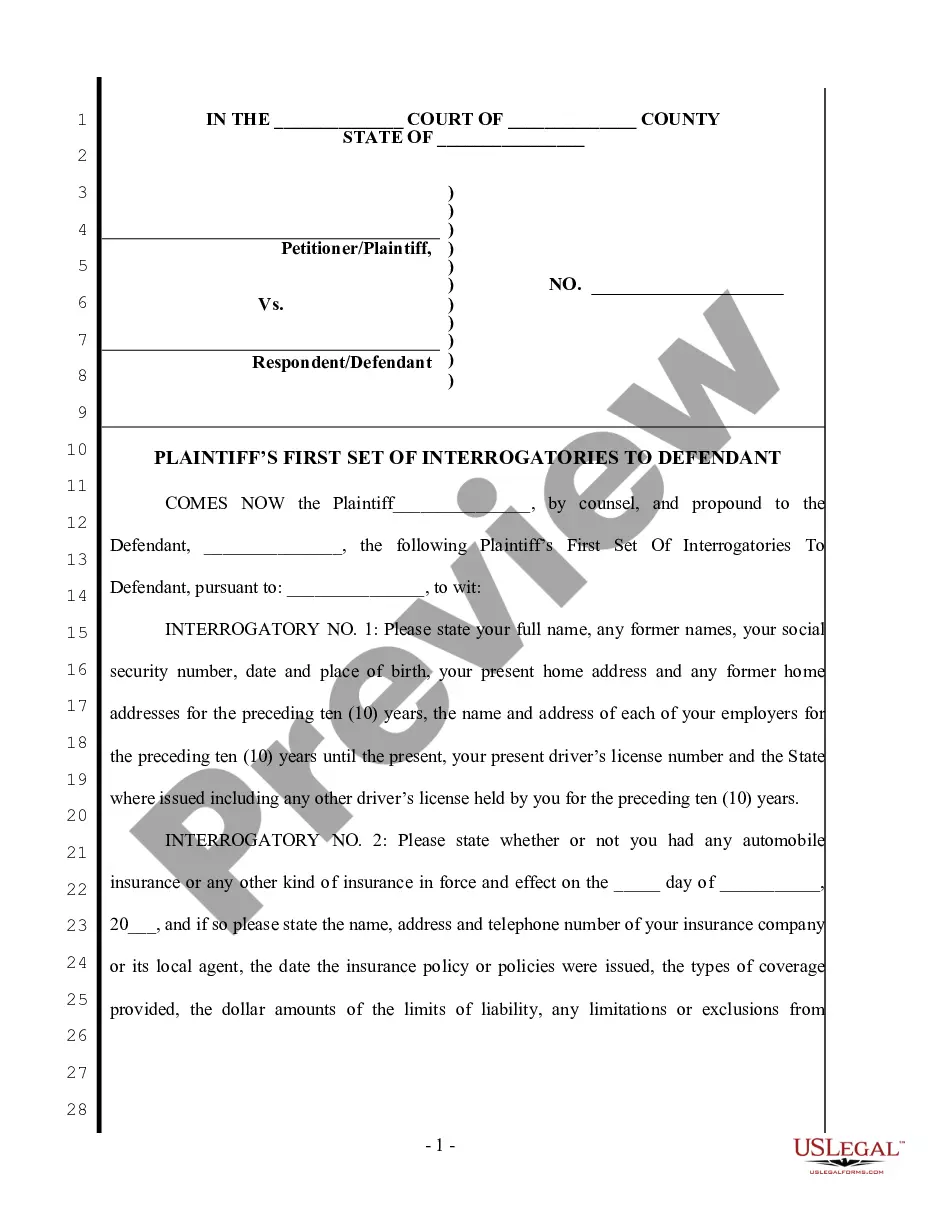
How to fill out Mississippi Defendant's Answers To Plaintiff's First Set Of Interrogatories And Requests For Production Of Documents?
It’s clear that you cannot transform into a legal specialist instantly, nor can you understand how to swiftly create Answers To Interrogatories Sample For Divorce without a particular expertise. Assembling legal documents is a lengthy process that necessitates specific education and abilities. So why not entrust the formulation of the Answers To Interrogatories Sample For Divorce to the experts.
With US Legal Forms, one of the most extensive legal document repositories, you can obtain everything from court documents to templates for in-office correspondence. We recognize how crucial compliance and adherence to federal and state regulations are. That’s why, on our platform, all documents are location-specific and current.
Here’s how you can initiate your experience with our platform and acquire the form you need in just minutes.
You can re-access your documents from the My documents section at any time. If you’re an existing user, you can simply Log In, and find and download the template from the same section.
Regardless of the aim of your documents—whether financial and legal, or personal—our platform has you covered. Try US Legal Forms now!
- Locate the form you need using the search bar at the top of the page.
- View it (if this feature is available) and read the accompanying description to determine if Answers To Interrogatories Sample For Divorce is what you require.
- Begin your search again if you require a different template.
- Create a free account and select a subscription plan to purchase the template.
- Click Buy now. Once the transaction is completed, you can obtain the Answers To Interrogatories Sample For Divorce, complete it, print it, and send or mail it to the relevant individuals or organizations.
Form popularity
FAQ
Examples of Real Divorce Discovery Questions What is your current income? What is your employment history for the past 10 years? What are your current expenses? Do you have any outstanding debts? What is the value of your retirement accounts? Do you have any other sources of income?
They are provided for your information. There is no form for your answer, but you typically have to respond in a specified format, using paper with numbers down the left-hand side, with your name and address at the top left, the name of the court and of the case, and the case number.
Interrogatory is a legal word for question. This form asks for basic information about the other person's finances and property. You check boxes on it to ask for things like who lives with them, if they gave away any property, or their health history that might impact their ability to work.
You can use interrogatories to find out facts about a case but they cannot be used for questions that draw a legal conclusion.
If you are unable to answer a specific question because you don't know or don't have access to the appropriate information, you must indicate the reasons. You may refer to a previous response when responding to an interrogatory providing the previous response sufficiently answers the later interrogatory.