Slip Fall Case Withdrawal
Description
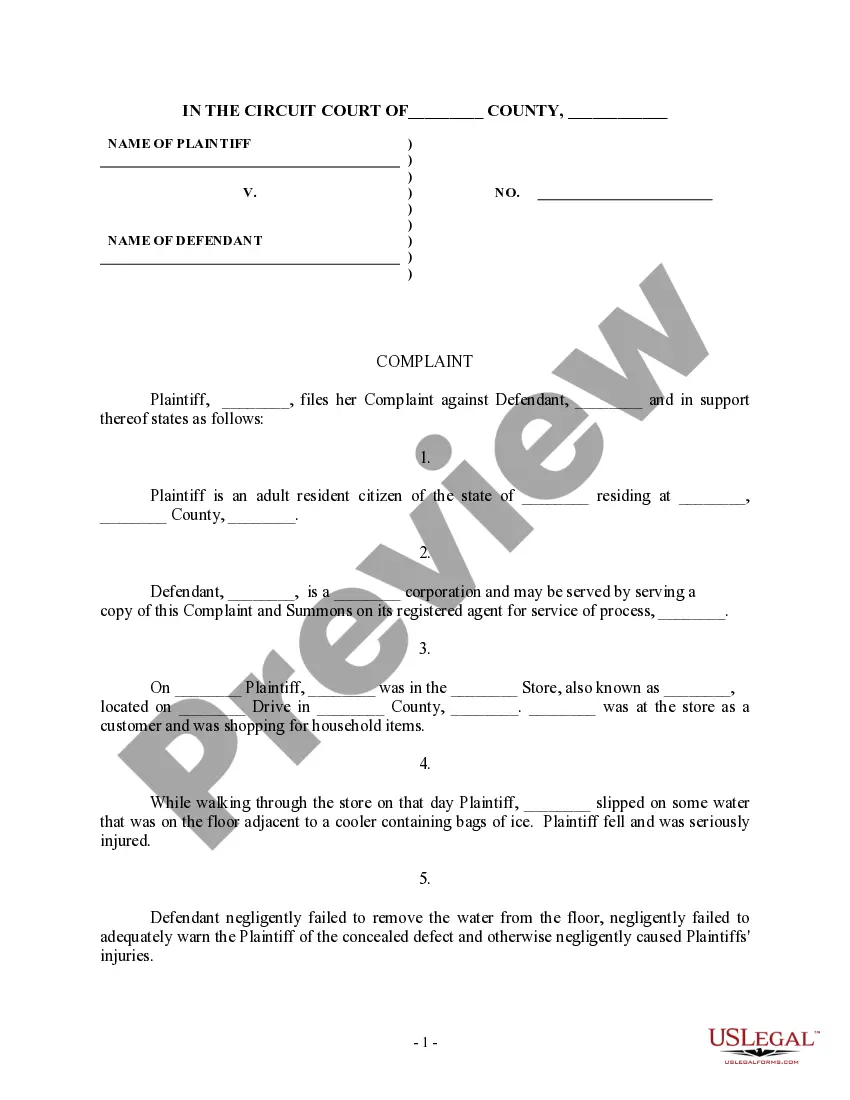
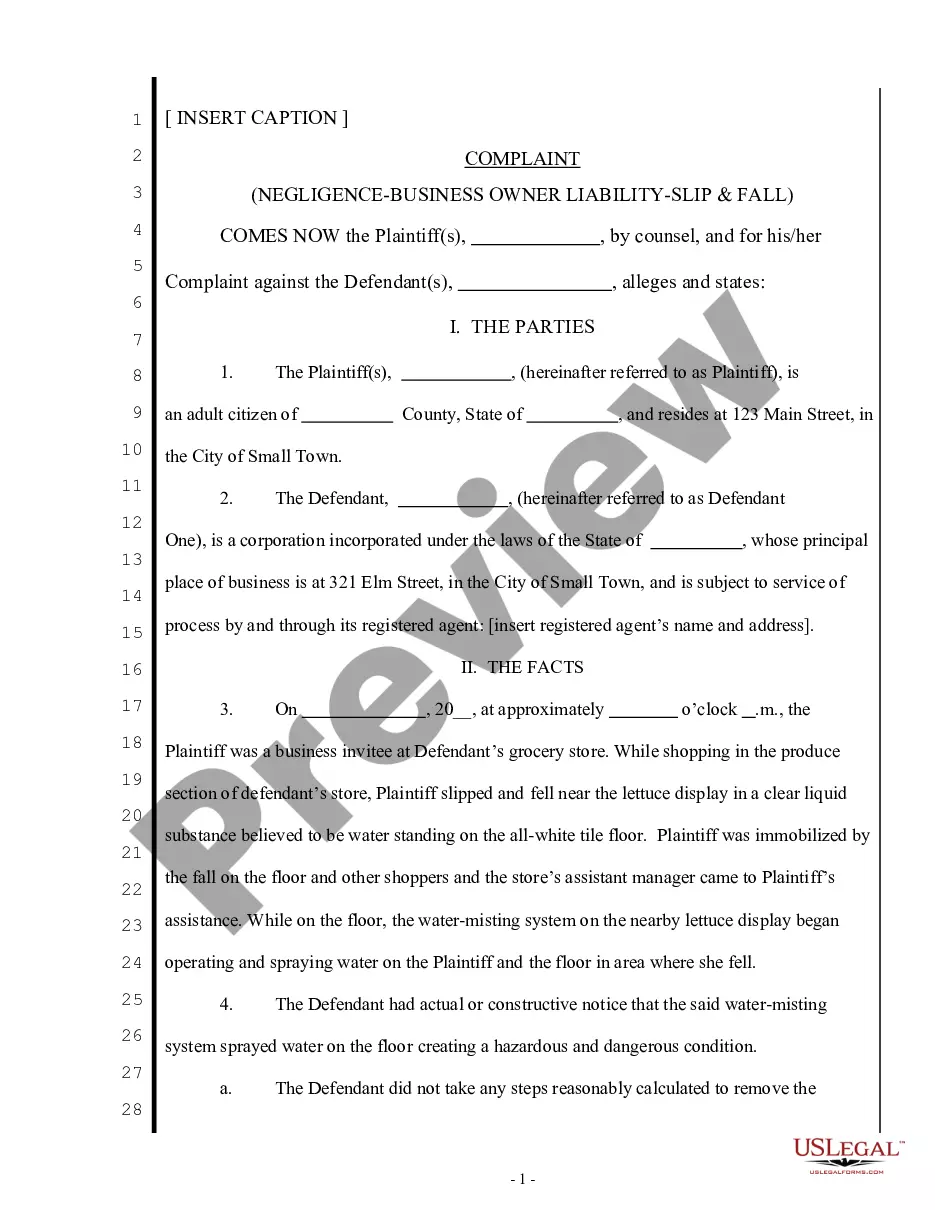
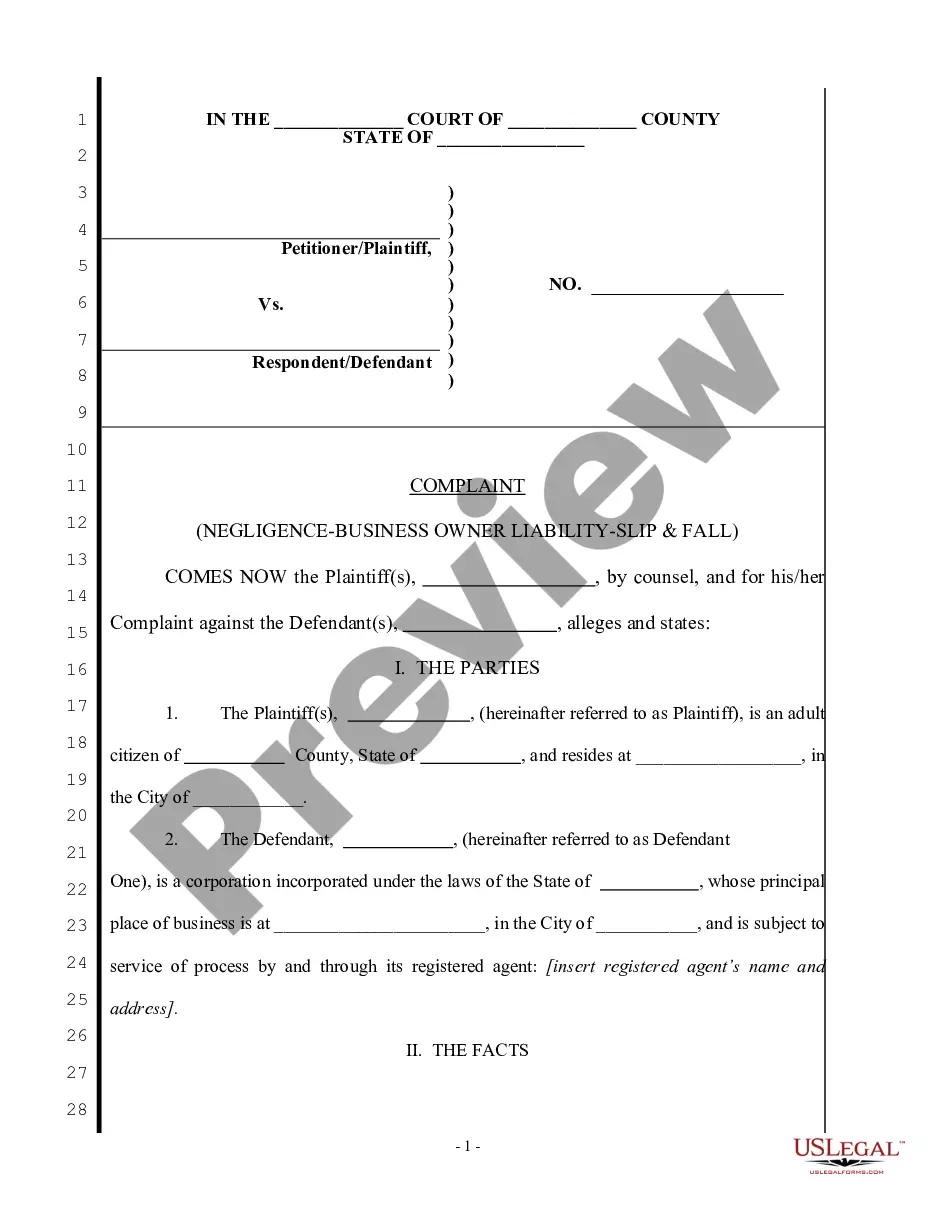
Get your form ready online
Our built-in tools help you complete, sign, share, and store your documents in one place.
Make edits, fill in missing information, and update formatting in US Legal Forms—just like you would in MS Word.
Download a copy, print it, send it by email, or mail it via USPS—whatever works best for your next step.
Sign and collect signatures with our SignNow integration. Send to multiple recipients, set reminders, and more. Go Premium to unlock E-Sign.
If this form requires notarization, complete it online through a secure video call—no need to meet a notary in person or wait for an appointment.
We protect your documents and personal data by following strict security and privacy standards.

Make edits, fill in missing information, and update formatting in US Legal Forms—just like you would in MS Word.

Download a copy, print it, send it by email, or mail it via USPS—whatever works best for your next step.

Sign and collect signatures with our SignNow integration. Send to multiple recipients, set reminders, and more. Go Premium to unlock E-Sign.

If this form requires notarization, complete it online through a secure video call—no need to meet a notary in person or wait for an appointment.

We protect your documents and personal data by following strict security and privacy standards.
Looking for another form?






How to fill out Mississippi Complaint?
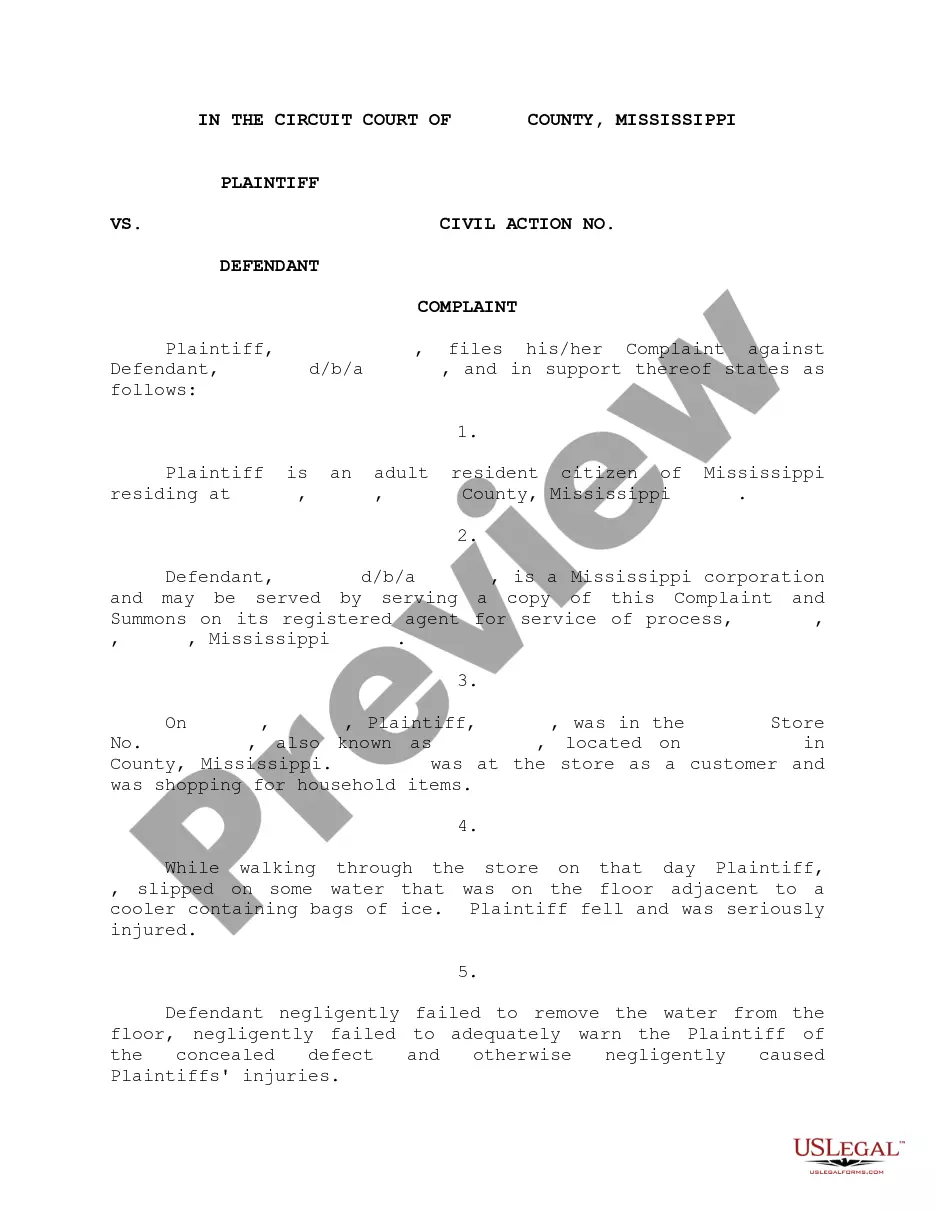
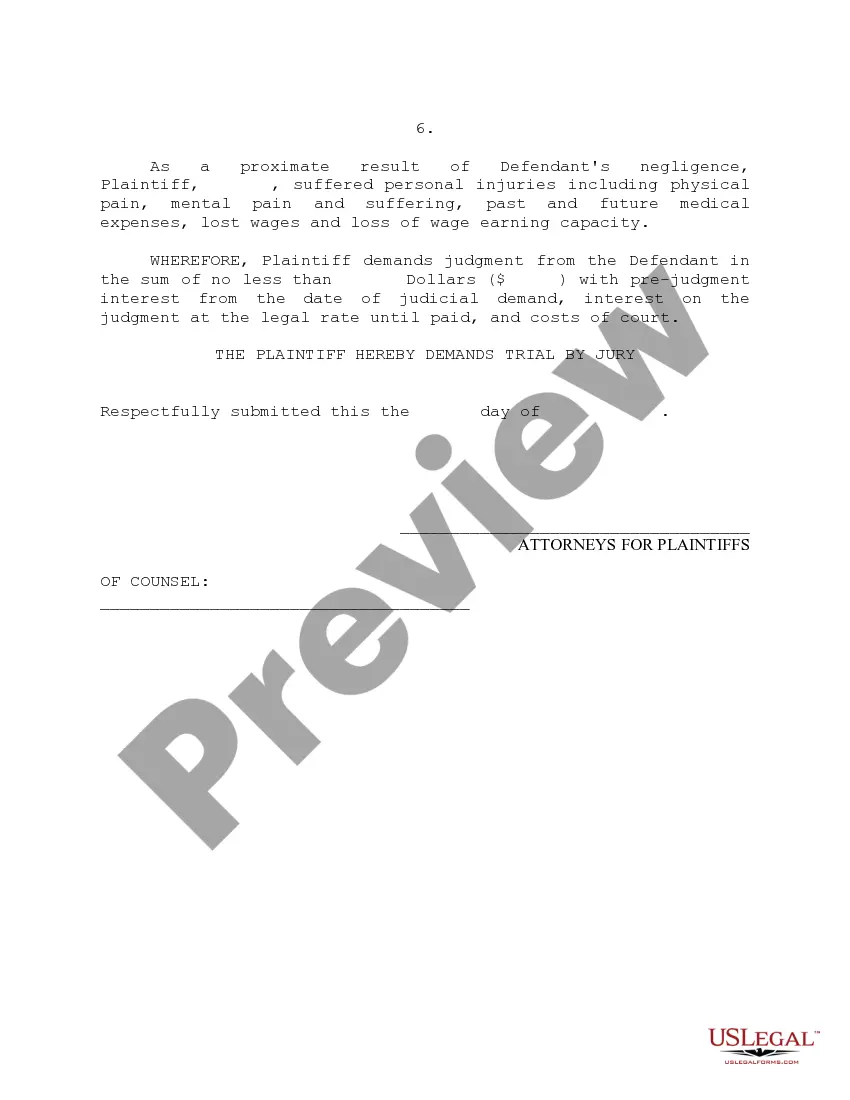
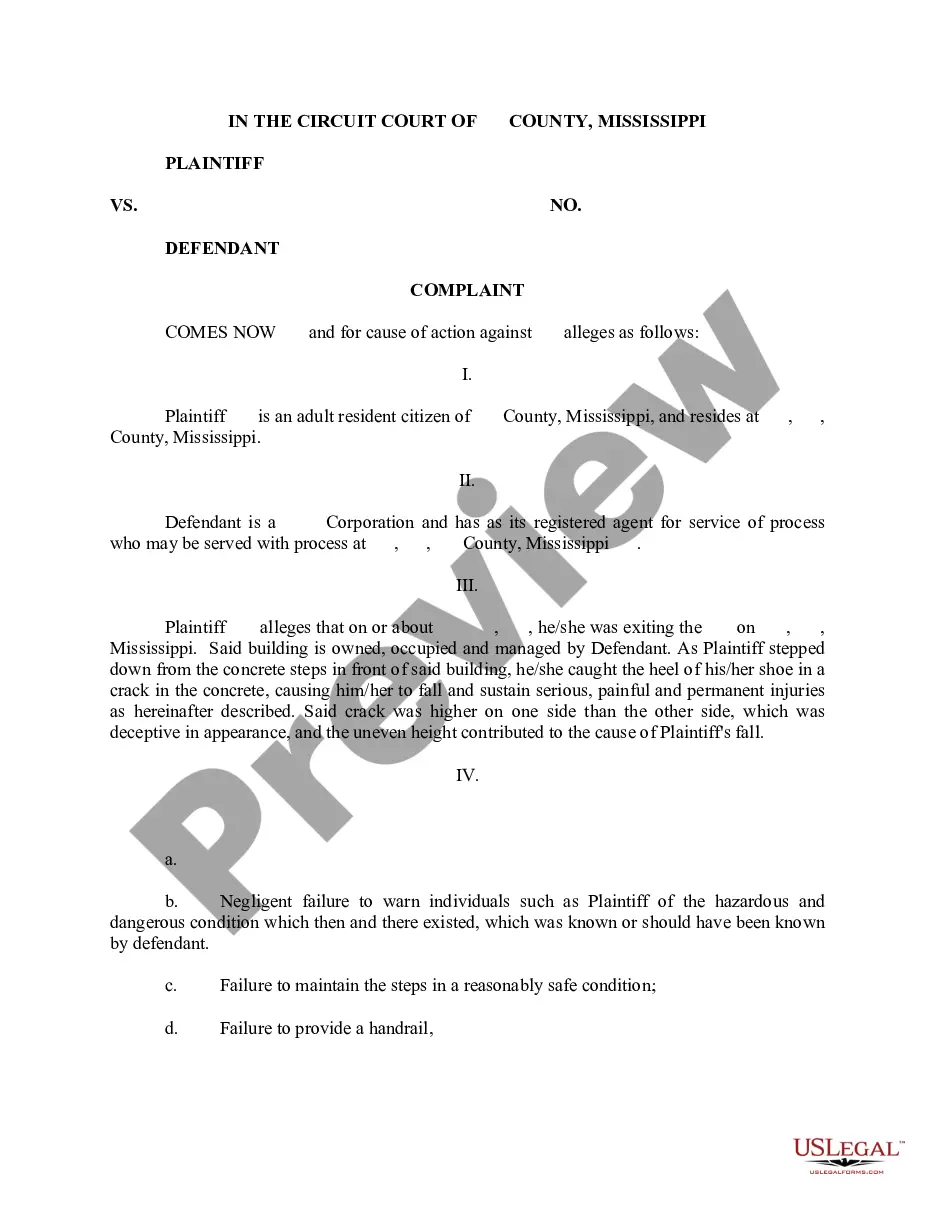
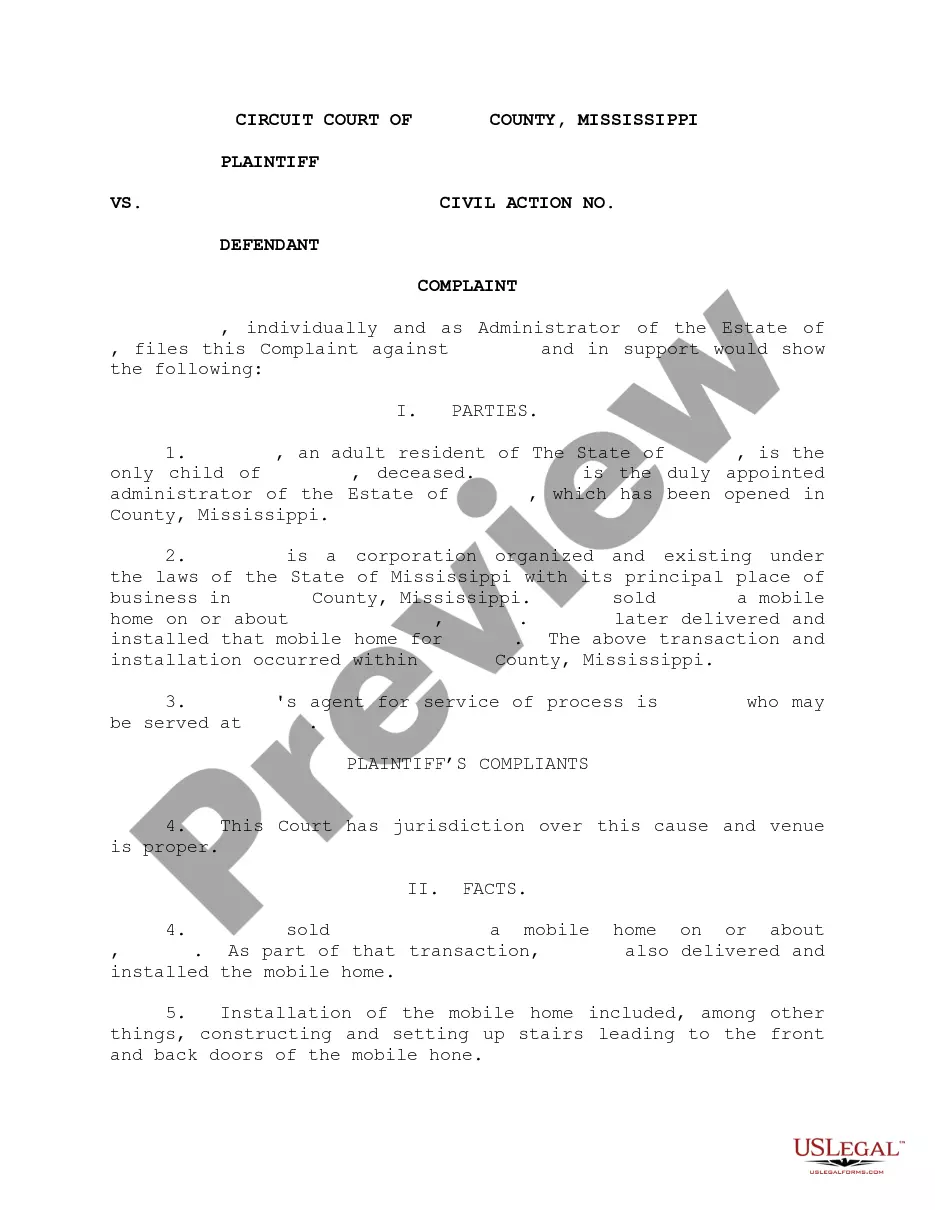
The Slip Fall Case Withdrawal displayed on this page is a reusable official template crafted by experienced attorneys in compliance with federal and state laws and regulations.
For over 25 years, US Legal Forms has supplied individuals, organizations, and lawyers with more than 85,000 validated, state-specific documents for any business and personal situation. It’s the quickest, simplest, and most reliable way to acquire the paperwork you require, as the service ensures bank-level data security and anti-malware safeguards.
Fill out and sign the document. Print the template to fill it out manually. Alternatively, use an online multifunctional PDF editor to quickly and accurately fill out and sign your form with an eSignature. Download your paperwork one more time. Utilize the same document again whenever necessary. Open the My documents tab in your profile to redownload any previously saved forms. Register for US Legal Forms to have verified legal templates for all of life’s circumstances at your fingertips.
- Search for the document you need and review it.
- Look through the sample you searched and preview it or check the form description to ensure it meets your needs. If it doesn’t, use the search bar to find the appropriate one. Click Buy Now when you have found the template you require.
- Subscribe and Log In.
- Select the pricing plan that fits you and create an account. Use PayPal or a credit card to make a swift payment. If you already possess an account, Log In and check your subscription to continue.
- Obtain the editable template.
- Choose the format you desire for your Slip Fall Case Withdrawal (PDF, DOCX, RTF) and save the sample on your device.
Form popularity
FAQ
When you withdraw a lawsuit, it is commonly referred to as a voluntary dismissal. In the context of a slip fall case withdrawal, this term indicates that you are choosing to discontinue your legal action. It is a significant decision that should be made with careful consideration and legal advice. Seeking assistance from professionals can guide you through the process effectively.
If your lawyer withdraws from your case, it is important to take immediate action. First, clarify the reasons for the withdrawal to understand your next steps. You may need to find a new attorney who specializes in slip fall case withdrawal. Platforms like US Legal Forms can provide resources to help you navigate this transition smoothly.
Yes, you can withdraw a personal injury claim at any time, including for slip fall cases. This process is known as a slip fall case withdrawal. However, it is essential to consult with your lawyer before making this decision, as it may impact your ability to file a new claim in the future. Understanding your options can help you make the best choice.
Winning a slip and fall case can be challenging. It often requires proving negligence on the part of the property owner. This involves showing that the owner knew about the hazard or should have known about it. Therefore, understanding the complexities of slip fall case withdrawal is crucial for your success.
Withdrawal from representation, in United States law, occurs where an attorney terminates a relationship of representing a client. There are two types of withdrawal: mandatory and voluntary.
A disengagement letter is sent by an attorney or law firm to a client when they're withdrawing from representing them. The purpose of a disengagement letter is to provide notice and document the withdrawal in ance with Rule of Professional Conduct (RPC) 1.16 Declining or Terminating Representation.
Knowing a client is guilty usually has nothing to do with the lawyer's representation, but that being said, yes. A lawyer can withdraw from representing someone for cause, so he can make a motion to that effect to the court, and most generally it will be granted.
Lawyers can withdraw based on the fact their client refuses to be truthful, refuses to follow the attorney's advice, demands to pursue an unethical course of action, demands unrealistic results, desires to mislead the Court, refuses to cooperate with their counsel as well as countless other reasons.
While an attorney doesn't have to give a client a reason to refuse a case, there could be any number of reasons that they would. A few could include: Client's lack of necessary finances for the case's complexity. Conflict of interest with client or opposing client/counsel.