Seller Financing Real Estate For Sale
Description
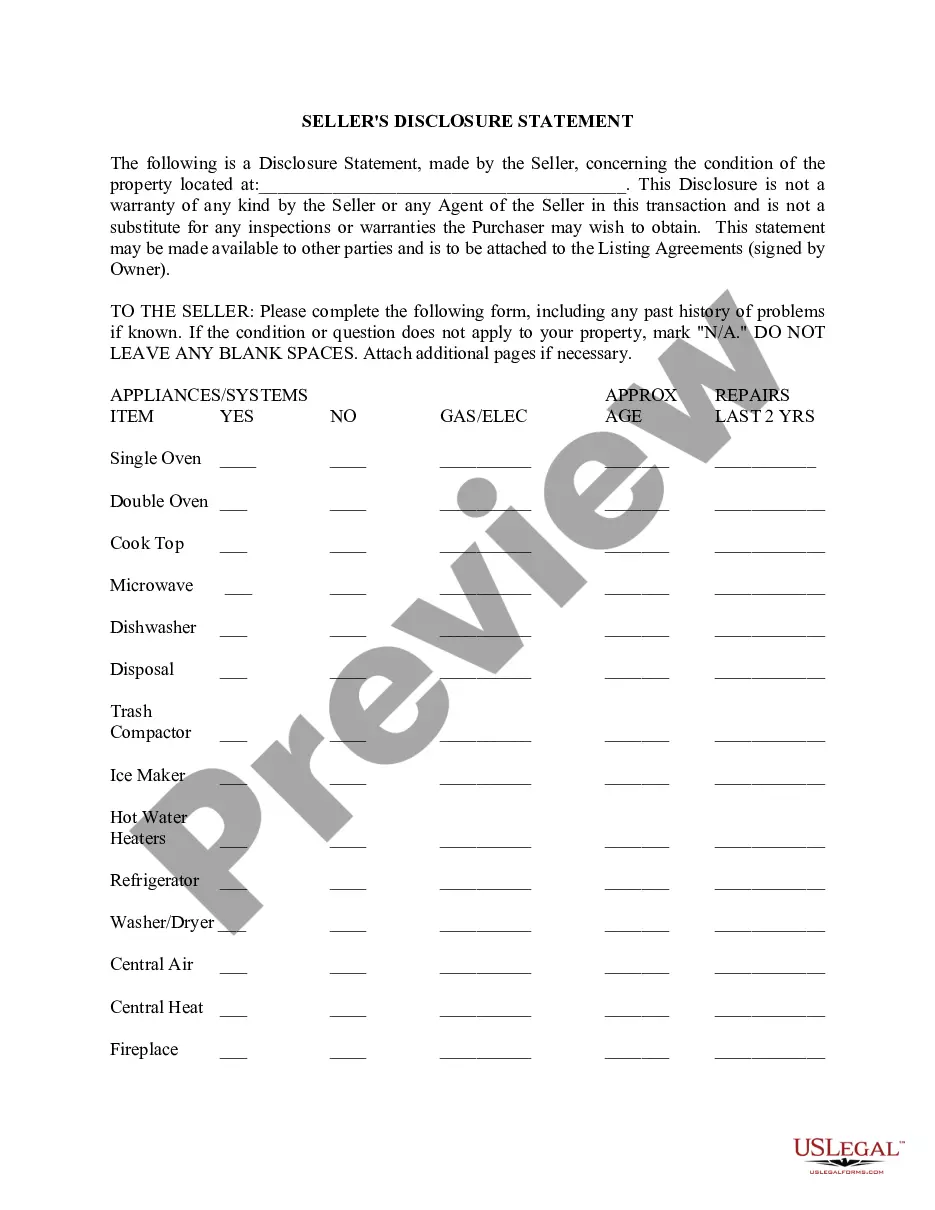
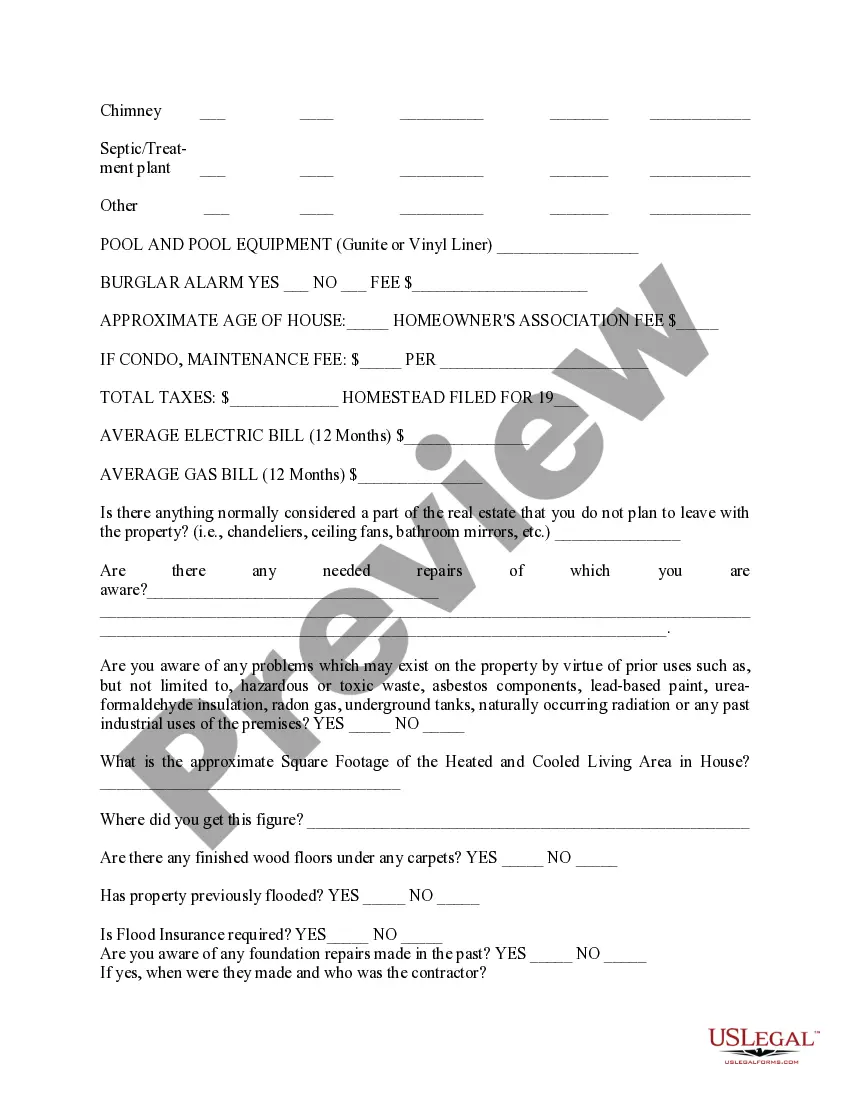
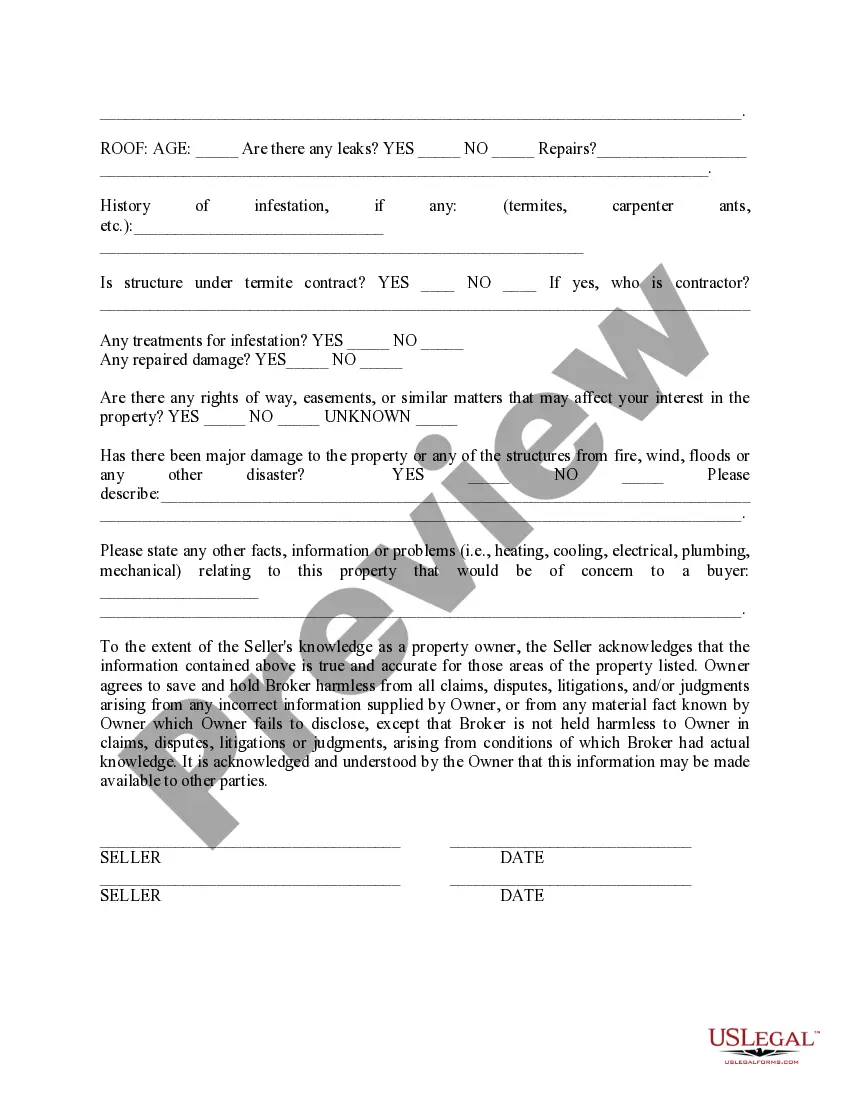
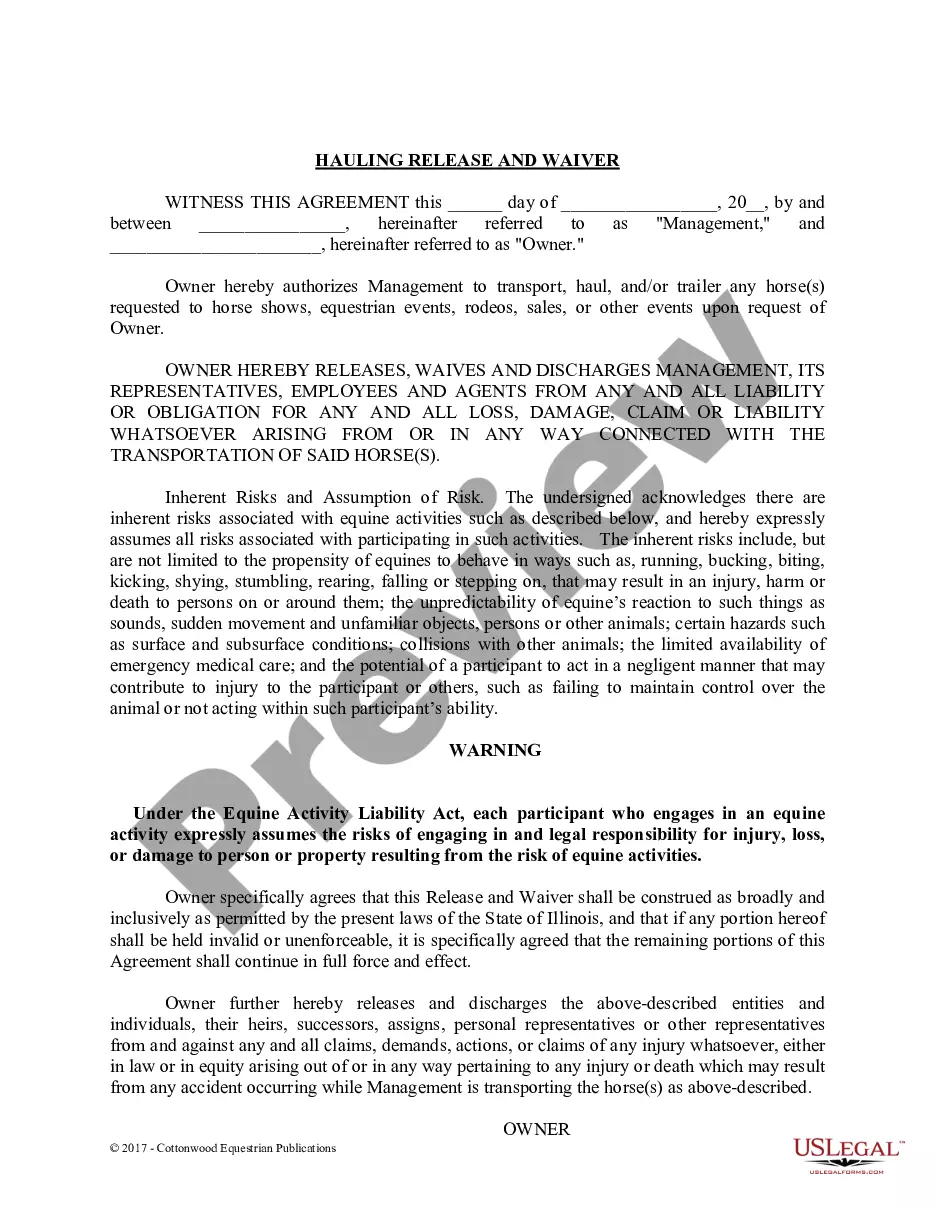
Get your form ready online
Our built-in tools help you complete, sign, share, and store your documents in one place.
Make edits, fill in missing information, and update formatting in US Legal Forms—just like you would in MS Word.
Download a copy, print it, send it by email, or mail it via USPS—whatever works best for your next step.
Sign and collect signatures with our SignNow integration. Send to multiple recipients, set reminders, and more. Go Premium to unlock E-Sign.
If this form requires notarization, complete it online through a secure video call—no need to meet a notary in person or wait for an appointment.
We protect your documents and personal data by following strict security and privacy standards.

Make edits, fill in missing information, and update formatting in US Legal Forms—just like you would in MS Word.

Download a copy, print it, send it by email, or mail it via USPS—whatever works best for your next step.

Sign and collect signatures with our SignNow integration. Send to multiple recipients, set reminders, and more. Go Premium to unlock E-Sign.

If this form requires notarization, complete it online through a secure video call—no need to meet a notary in person or wait for an appointment.

We protect your documents and personal data by following strict security and privacy standards.
Looking for another form?
How to fill out Mississippi Seller's Residential Real Estate Disclosure Statement?
- Log in to your US Legal Forms account if you're a returning user. Ensure your subscription is active; renew it if needed.
- For first-time users, start by browsing the form library. Review the preview mode and description to confirm it matches your local jurisdiction requirements.
- Search for any additional documents required using the Search tab if the current selection isn't a perfect fit.
- Once you find the correct form, click the Buy Now button and choose an appropriate subscription plan. Registration is necessary to access the full library.
- Complete your purchase by entering your payment details through credit card or PayPal.
- Download your document to your device for easy access. You can also revisit it anytime in the My Forms section of your account.
US Legal Forms empowers users to efficiently execute their legal documents with confidence, offering a comprehensive and user-friendly selection of forms. Its extensive form collection and access to premium support distinguish it from the competition.
Take control of your real estate needs today! Start exploring the extensive range of documents at US Legal Forms and simplify your seller financing process.
Form popularity
FAQ
In seller financing, the seller usually holds the title until the buyer fulfills the terms of the financing agreement. This provides security for the seller while allowing the buyer to occupy and use the property. Clarity on title ownership is key when navigating seller financing real estate for sale, ensuring both parties know their rights.
In most seller financing arrangements, the seller retains the deed until the buyer completes all payments as agreed. This means that while the buyer can occupy the property, the seller still holds the legal ownership. This arrangement can provide peace of mind for sellers when considering their options in the seller financing real estate for sale market.
To set up a seller financing deal, start with a written agreement outlining the terms, including the interest rate, payment schedule, and down payment. Ensure both parties clearly understand their obligations to avoid misunderstandings. Using resources from platforms like uslegalforms can help you draft enforceable contracts, making the process smoother when dealing with seller financing real estate for sale.
In a traditional mortgage, the lender usually holds the legal title until the borrower pays off the mortgage. This means the borrower possesses equitable title, giving them rights to the property while they continue payments. Understanding this distinction is important when considering seller financing real estate for sale, as it affects property rights.
To report seller financed interest income, you typically complete a Schedule B on your tax return. You'll need to include the total amount of interest you received for the year from your seller financing arrangements. This follows IRS guidelines recognizing seller financing as interest income, making it essential to maintain accurate records of your transactions related to seller financing real estate for sale.
While seller financing can be advantageous, there are downsides to consider. Sellers may face the risk of buyer default, and they are responsible for property maintenance as long as the agreement is active. Additionally, seller financing real estate for sale may limit the seller's ability to access funds from a traditional sale.
Seller financing can be explained as a simplified process where the seller acts as the lender for the buyer. In this arrangement, the buyer makes payments directly to the seller rather than a bank. Utilizing seller financing real estate for sale can open up opportunities for buyers who may struggle to qualify for traditional loans.
An example of a seller financing offer might involve a home listed at $300,000, with the seller proposing $60,000 down and financing the remaining $240,000 at 6% interest over 30 years. This scenario would involve monthly payments based on the terms agreed upon, making it a viable option for buyers looking at seller financing real estate for sale. Such offers can provide an attractive alternative to conventional financing.
The interest rate for seller financing generally ranges between 5% to 10%, depending on the market and the terms of the deal. You should compare current mortgage rates to determine a competitive rate for seller financing real estate for sale. Ultimately, both the buyer and seller need to agree on a rate that feels fair and reasonable.
While you do not necessarily need a realtor for seller financing real estate for sale, having one can simplify the process significantly. A realtor can provide valuable insights, help negotiate terms, and ensure that all legal requirements are met. Even if you choose to go without one, it's important to use reliable resources, such as USLegalForms, to navigate the paperwork and agreements.