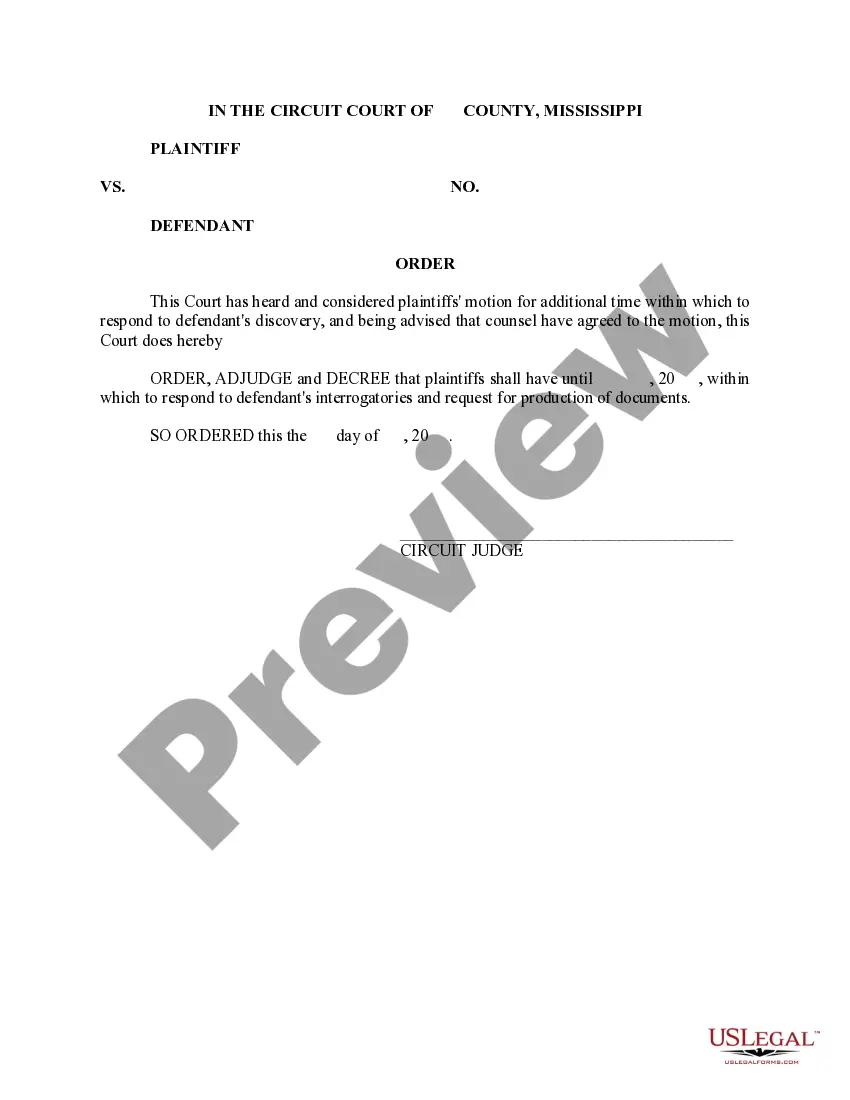
Mississippi Defamation For False Accusation
Description
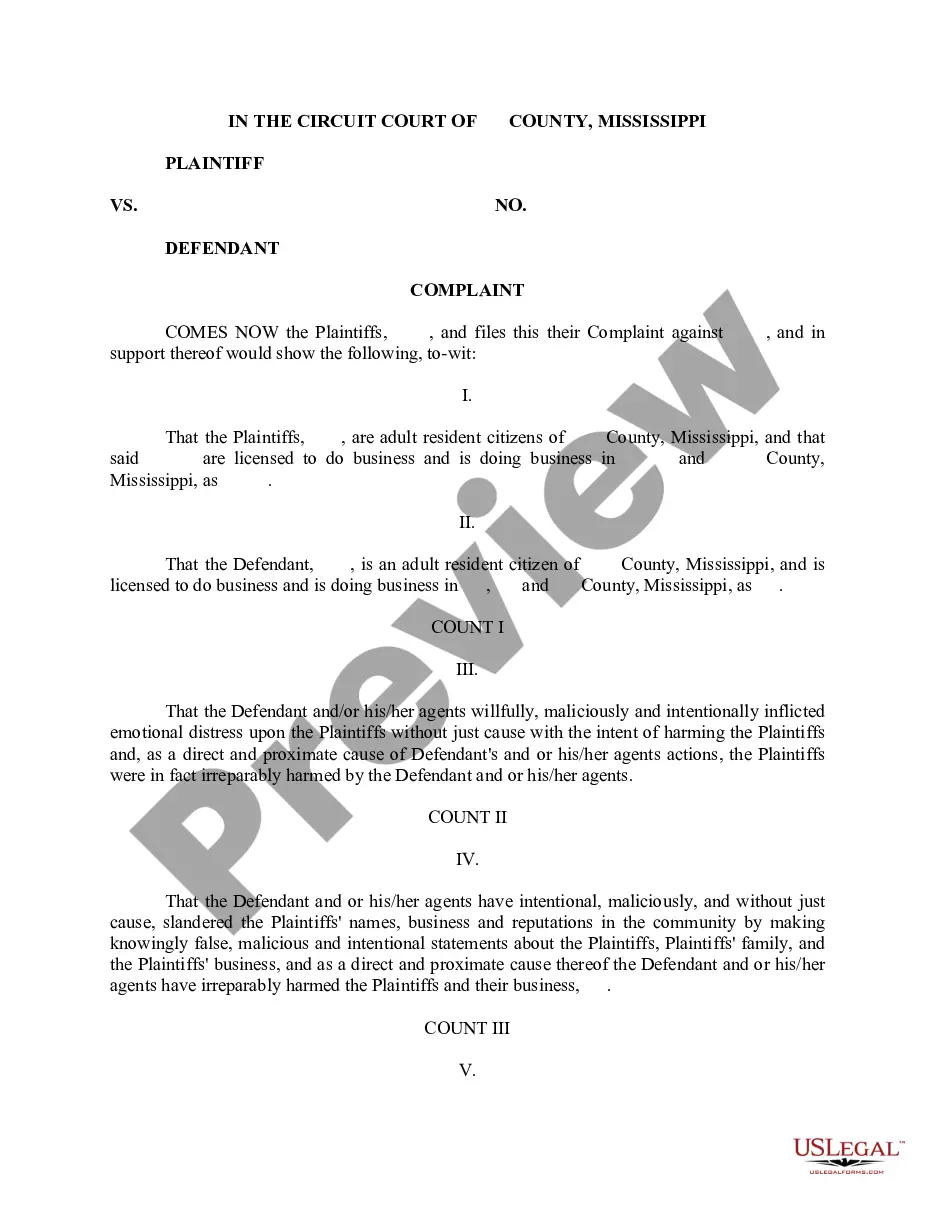
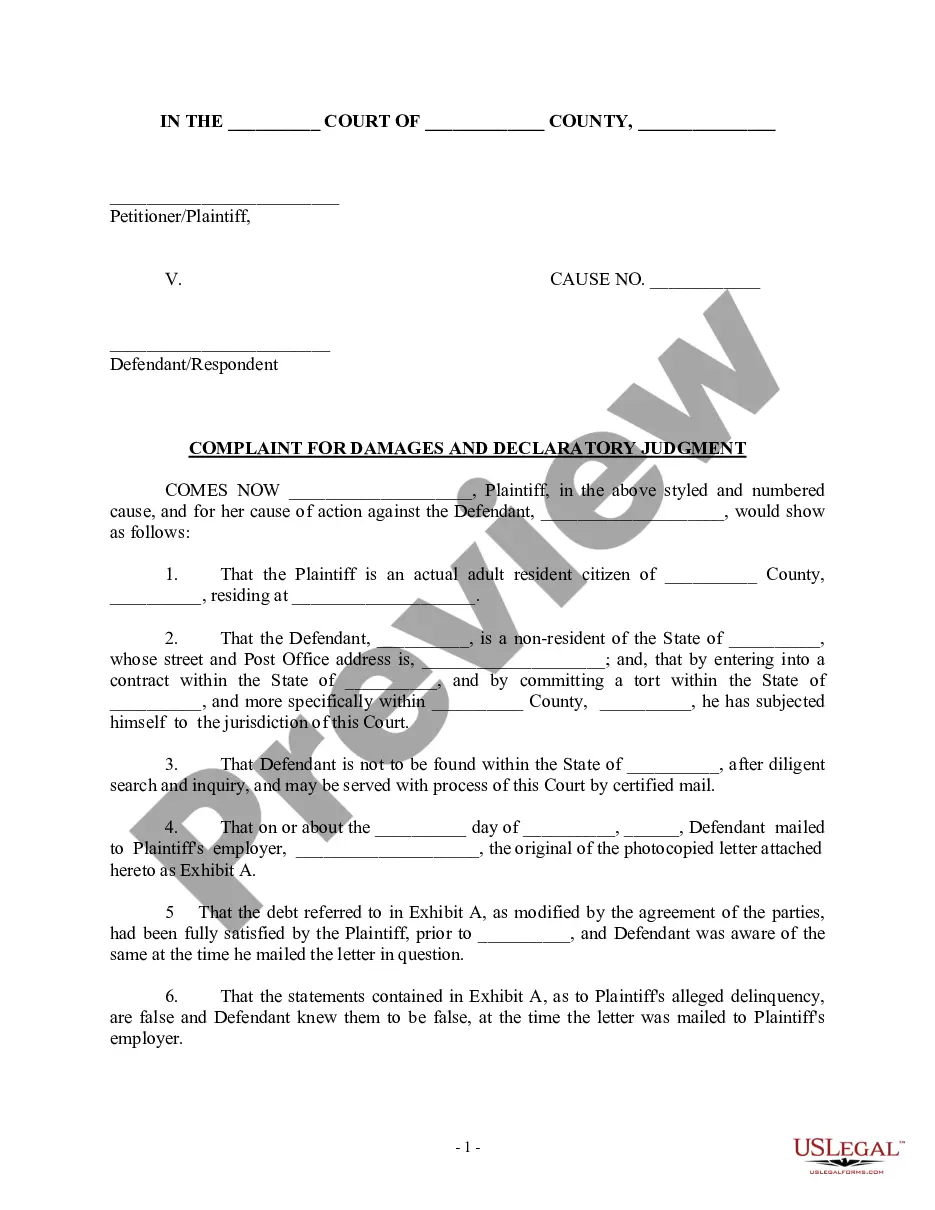
Get your form ready online
Our built-in tools help you complete, sign, share, and store your documents in one place.
Make edits, fill in missing information, and update formatting in US Legal Forms—just like you would in MS Word.
Download a copy, print it, send it by email, or mail it via USPS—whatever works best for your next step.
Sign and collect signatures with our SignNow integration. Send to multiple recipients, set reminders, and more. Go Premium to unlock E-Sign.
If this form requires notarization, complete it online through a secure video call—no need to meet a notary in person or wait for an appointment.
We protect your documents and personal data by following strict security and privacy standards.

Make edits, fill in missing information, and update formatting in US Legal Forms—just like you would in MS Word.

Download a copy, print it, send it by email, or mail it via USPS—whatever works best for your next step.

Sign and collect signatures with our SignNow integration. Send to multiple recipients, set reminders, and more. Go Premium to unlock E-Sign.

If this form requires notarization, complete it online through a secure video call—no need to meet a notary in person or wait for an appointment.

We protect your documents and personal data by following strict security and privacy standards.
Looking for another form?
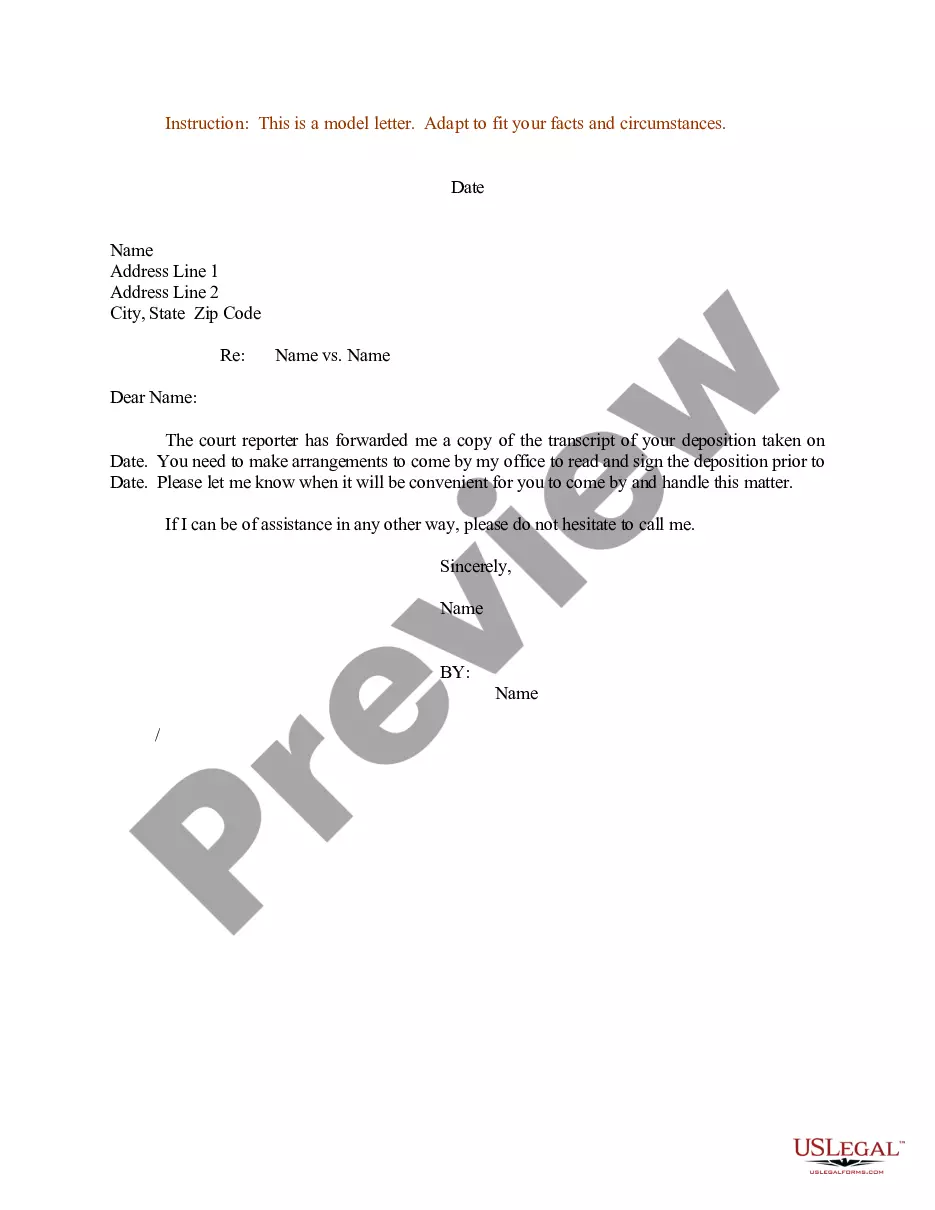


How to fill out Mississippi Order?
It’s no secret that you can’t become a legal expert immediately, nor can you learn how to quickly draft Mississippi Defamation For False Accusation without the need of a specialized background. Creating legal documents is a time-consuming venture requiring a particular training and skills. So why not leave the creation of the Mississippi Defamation For False Accusation to the specialists?
With US Legal Forms, one of the most comprehensive legal template libraries, you can access anything from court paperwork to templates for internal corporate communication. We know how important compliance and adherence to federal and local laws and regulations are. That’s why, on our website, all templates are location specific and up to date.
Here’s start off with our website and obtain the form you require in mere minutes:
- Discover the form you need by using the search bar at the top of the page.
- Preview it (if this option provided) and read the supporting description to figure out whether Mississippi Defamation For False Accusation is what you’re searching for.
- Start your search over if you need a different template.
- Register for a free account and select a subscription option to purchase the form.
- Pick Buy now. Once the payment is through, you can get the Mississippi Defamation For False Accusation, complete it, print it, and send or send it by post to the necessary people or entities.
You can re-access your documents from the My Forms tab at any time. If you’re an existing customer, you can simply log in, and find and download the template from the same tab.
No matter the purpose of your paperwork-be it financial and legal, or personal-our website has you covered. Try US Legal Forms now!
Form popularity
FAQ
Under Mississippi law, defamation, libel and slander refer to communications that are intended to harm the business or reputation of the person who is targeted. For a court to find that a party has been defamed, the communication must be disclosed to another person without your knowledge or consent.
Any person who shall be convicted of writing or publishing any libel, shall be fined in such sum or imprisoned in the county jail for such term as the court, in its discretion, may adjudge, having regard to the nature and enormity of the offense, or be punished by both such fine and imprisonment.
In order to sue for defamation based on false accusations of a crime, you need to show: Someone made a false statement of fact?in this case the false accusation?to a third party. The statements weren't privileged. Some types of speech are given extra protection so they cannot be grounds for a defamation case.
California defines defamation as false statements that bring about some kind of harm to the reputation of the target. The two ways that someone can commit defamation are by slander or libel. For slander to be involved, the statement need only be made to a third party, even just by word of mouth.
To prove prima facie defamation, a plaintiff must show four things: 1) a false statement purporting to be fact; 2) publication or communication of that statement to a third person; 3) fault amounting to at least negligence; and 4) damages, or some harm caused to the reputation of the person or entity who is the subject ...