Mississippi Fair Housing For Landlords
Description
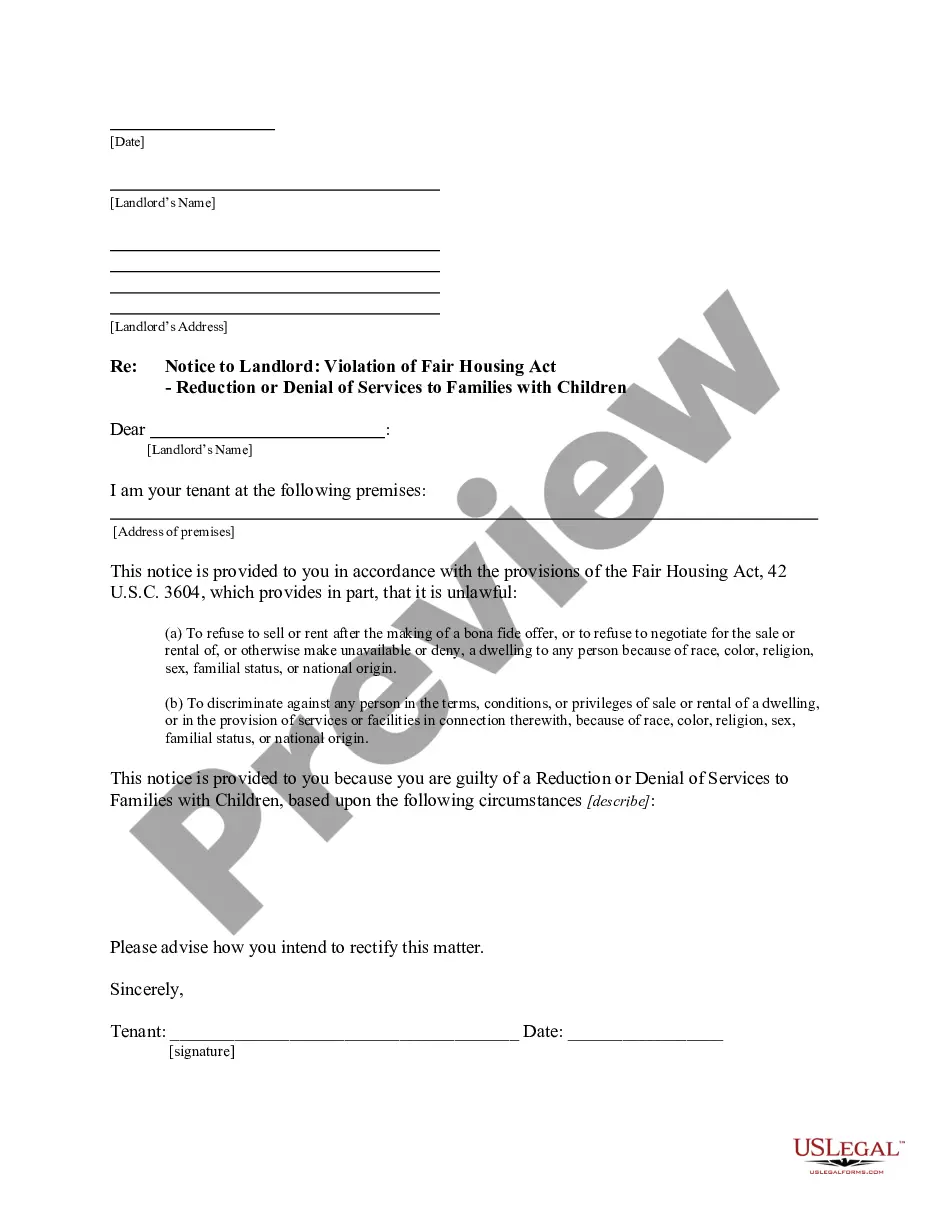

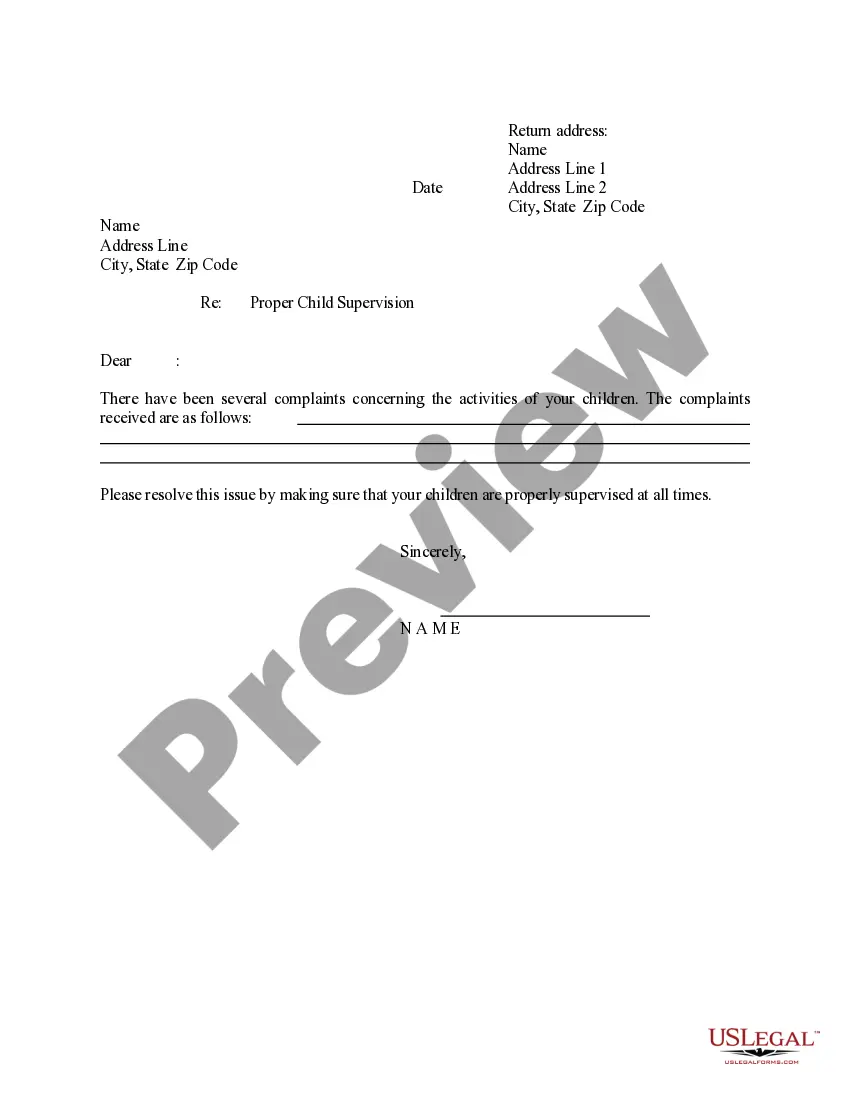
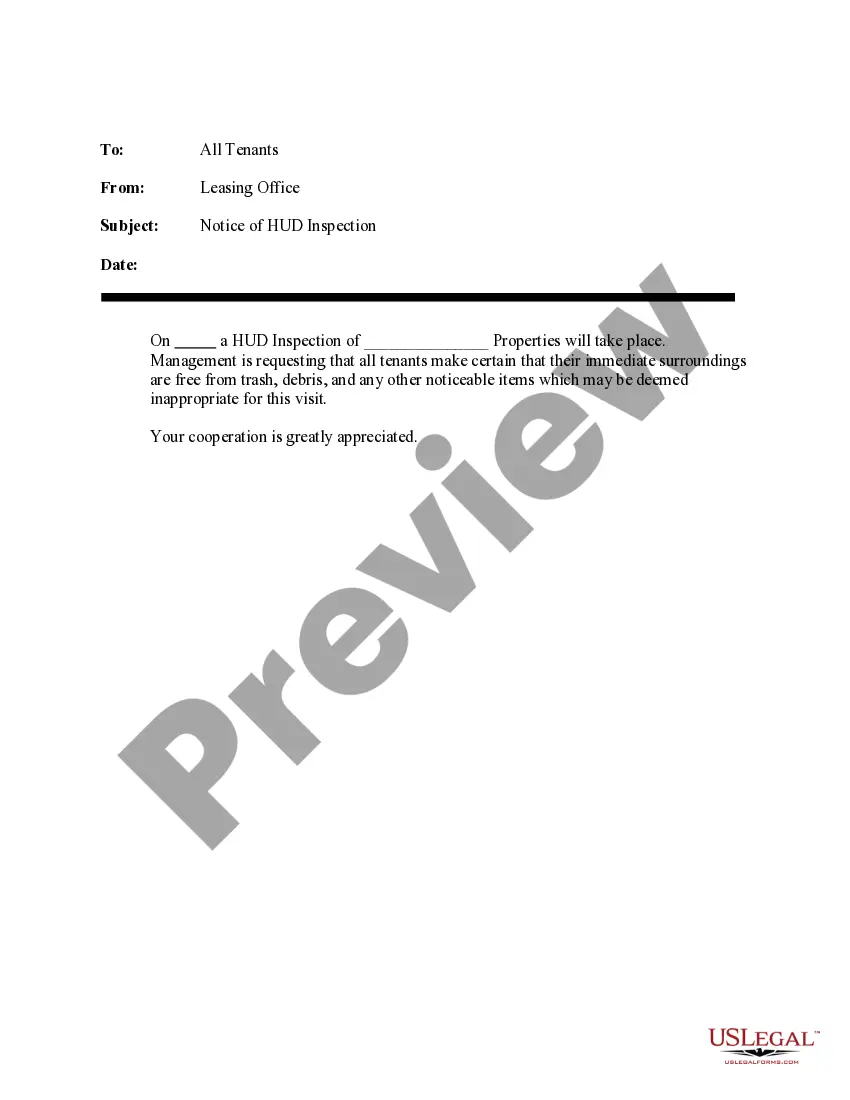
Get your form ready online
Our built-in tools help you complete, sign, share, and store your documents in one place.
Make edits, fill in missing information, and update formatting in US Legal Forms—just like you would in MS Word.
Download a copy, print it, send it by email, or mail it via USPS—whatever works best for your next step.
Sign and collect signatures with our SignNow integration. Send to multiple recipients, set reminders, and more. Go Premium to unlock E-Sign.
If this form requires notarization, complete it online through a secure video call—no need to meet a notary in person or wait for an appointment.
We protect your documents and personal data by following strict security and privacy standards.

Make edits, fill in missing information, and update formatting in US Legal Forms—just like you would in MS Word.

Download a copy, print it, send it by email, or mail it via USPS—whatever works best for your next step.

Sign and collect signatures with our SignNow integration. Send to multiple recipients, set reminders, and more. Go Premium to unlock E-Sign.

If this form requires notarization, complete it online through a secure video call—no need to meet a notary in person or wait for an appointment.

We protect your documents and personal data by following strict security and privacy standards.
Looking for another form?










Form popularity
FAQ
If you need to file a complaint against your landlord in Mississippi, you can start by contacting the Mississippi Fair Housing Center or your local housing authority. They can provide guidance on your rights and the complaint process. Additionally, consider using platforms like USLegalForms, which can help you prepare necessary documents to formally address your landlord and protect your rights under Mississippi fair housing for landlords.
In Mississippi, landlords are generally required to address urgent repair issues promptly, typically within a reasonable time frame, which often means within 7 to 30 days. If repairs are needed to ensure a habitable living situation, landlords should prioritize these fixes. If your landlord fails to comply with these timelines, you may need to explore options for legal recourse under Mississippi fair housing guidelines.
Yes, you can sue a landlord in Mississippi under certain circumstances. If your landlord violates the Mississippi fair housing laws or fails to provide a habitable living environment, you may have grounds for a legal case. It's essential to document your issues and first try to resolve the problems directly with your landlord. If resolution fails, consider consulting with a legal professional who specializes in housing law.
The most common type of fair housing discrimination against people with disabilities involves the refusal to make reasonable accommodations or modifications. Landlords might mistakenly deny requests to alter a property, which can significantly hinder access for disabled individuals. Recognizing these rights is essential for landlords to comply with Mississippi fair housing for landlords. By educating themselves and their staff, landlords can improve their practices and avoid potential legal issues.
The fair housing law in Mississippi aims to eliminate discrimination in housing based on protected characteristics. These laws ensure that all individuals have equal access to housing opportunities, regardless of their background. For landlords, understanding these laws is vital to maintaining compliance and fostering a welcoming environment for tenants. Utilizing platforms like USLegalForms can streamline the process of learning about these regulations.
In Mississippi, individuals with disabilities often report the highest number of fair housing complaints. This typically arises from challenges they face in accessing rental properties or reasonable accommodations. Understanding these trends is crucial for landlords to promote inclusive practices. By actively addressing these issues, landlords can play a vital role in fostering compliance with Mississippi fair housing laws.
To get on the HUD in Mississippi, you need to become familiar with the HUD programs that benefit landlords. This typically involves completing an application, attending training sessions, and meeting specific criteria set forth by the agency. Participating in HUD programs can enhance your understanding of Mississippi fair housing for landlords. Additionally, connecting with local housing authorities may provide further guidance and resources.
To report a landlord in Mississippi for fair housing violations, you should contact the Mississippi Human Rights Commission. They handle housing discrimination complaints and can assist in filing your report. Being informed about Mississippi fair housing for landlords equips you to take appropriate action. You can find additional reporting resources on the US Legal Forms site to guide you through the process.
Common housing issues include discrimination, refusal to make reasonable accommodations, and improper eviction practices. It's essential for landlords to recognize these issues as they can lead to legal complications. Referencing Mississippi fair housing for landlords can provide clarity on expectations and responsibilities. The US Legal Forms platform can serve as a reliable resource for addressing these challenges effectively.
A frequent fair housing complaint arises from landlords denying housing based on an applicant's race or ethnicity. Many individuals face obstacles when seeking housing due to biased practices. By focusing on Mississippi fair housing for landlords, you can foster fair and equitable treatment. Moreover, US Legal Forms offers valuable insights and documentation to assist landlords in compliant practices.
