Life Estate With Existing Mortgage
Description


Get your form ready online
Our built-in tools help you complete, sign, share, and store your documents in one place.
Make edits, fill in missing information, and update formatting in US Legal Forms—just like you would in MS Word.
Download a copy, print it, send it by email, or mail it via USPS—whatever works best for your next step.
Sign and collect signatures with our SignNow integration. Send to multiple recipients, set reminders, and more. Go Premium to unlock E-Sign.
If this form requires notarization, complete it online through a secure video call—no need to meet a notary in person or wait for an appointment.
We protect your documents and personal data by following strict security and privacy standards.

Make edits, fill in missing information, and update formatting in US Legal Forms—just like you would in MS Word.

Download a copy, print it, send it by email, or mail it via USPS—whatever works best for your next step.

Sign and collect signatures with our SignNow integration. Send to multiple recipients, set reminders, and more. Go Premium to unlock E-Sign.

If this form requires notarization, complete it online through a secure video call—no need to meet a notary in person or wait for an appointment.

We protect your documents and personal data by following strict security and privacy standards.
Looking for another form?










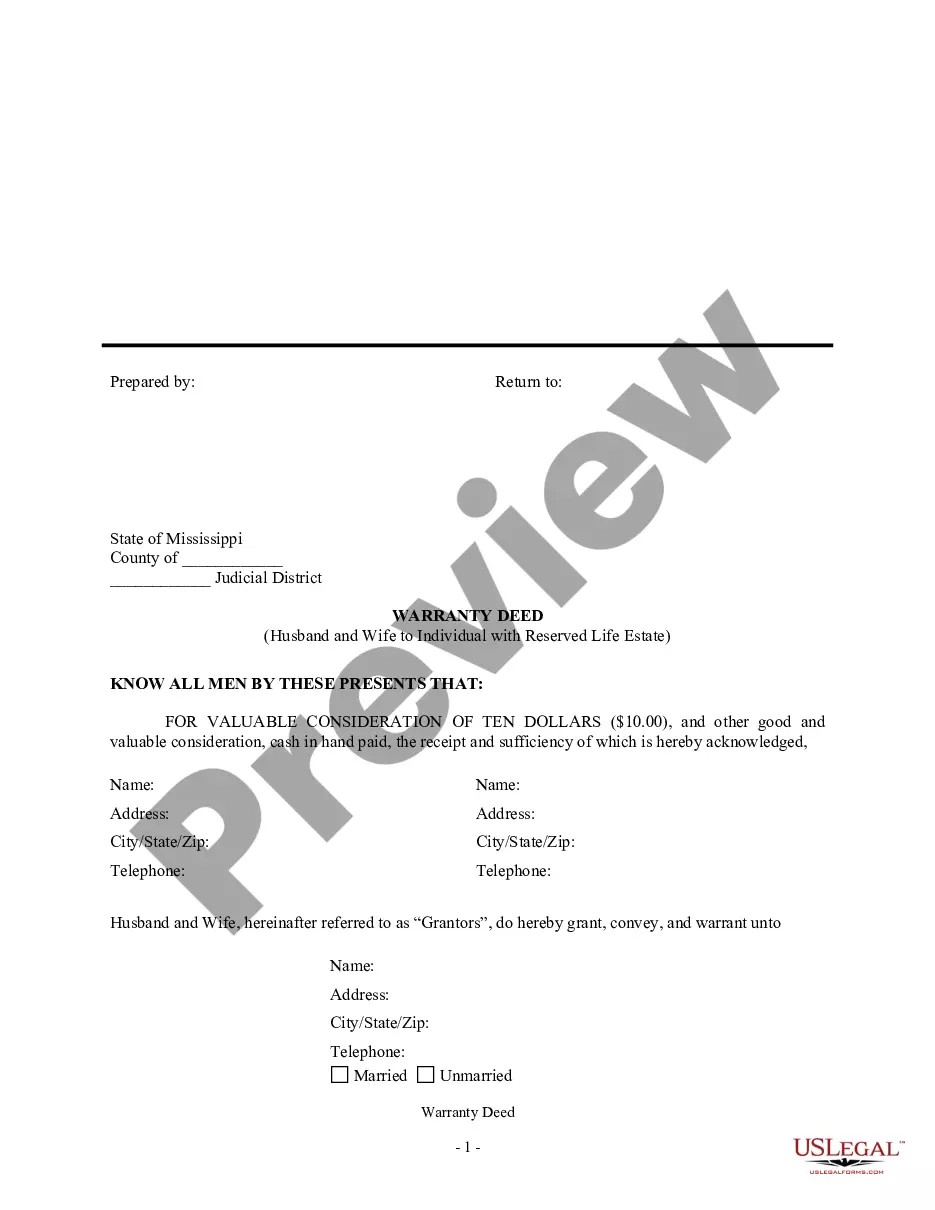
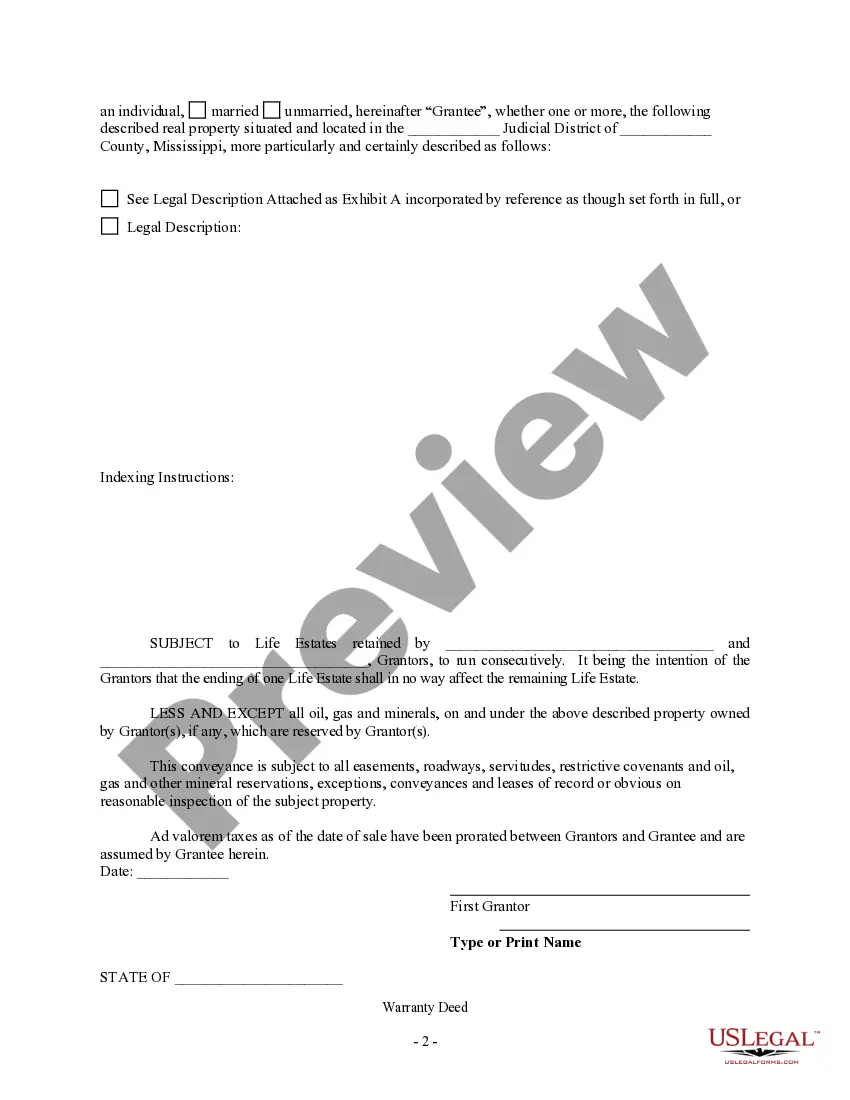
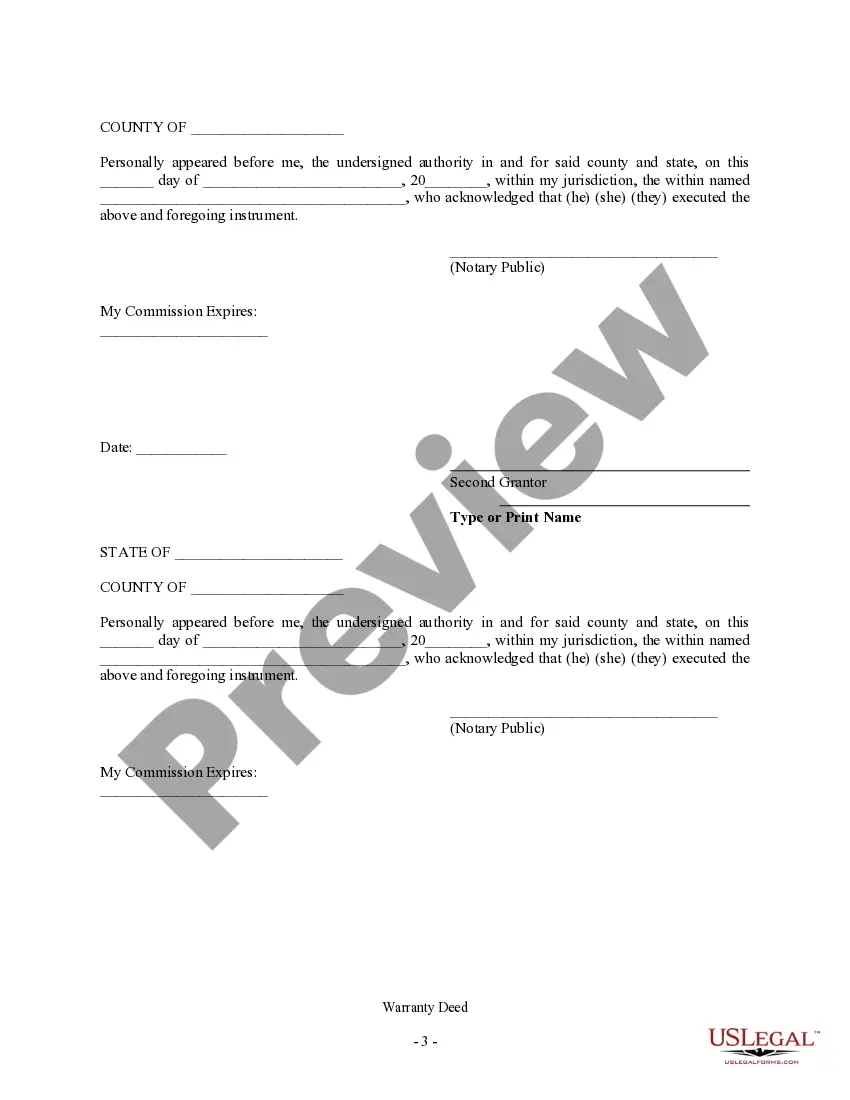
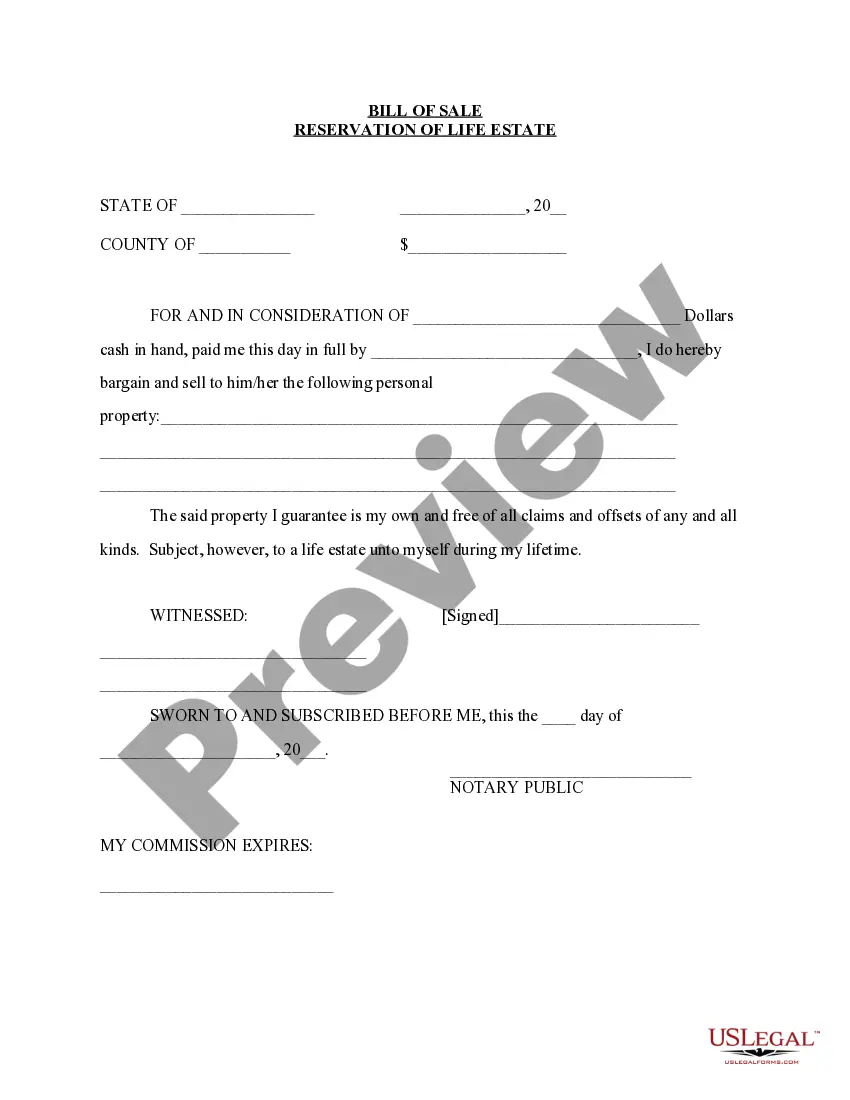
How to fill out Mississippi Warranty Deed To Child Reserving A Life Estate In The Parents?
- Log in to your US Legal Forms account if you're a returning user. Ensure your subscription is active; renew if necessary.
- For first-time users, start by reviewing the form preview and description to confirm it meets your jurisdiction's requirements.
- If you encounter any discrepancies or need a different template, utilize the Search tab to explore additional options.
- Once you’ve located the correct document, click the Buy Now button to select your preferred subscription plan.
- Complete your purchase by entering your payment information, either via credit card or PayPal.
- Download your form directly to your device for immediate access and future reference in the My Forms section of your profile.
With US Legal Forms, you gain access to a broad collection of over 85,000 editable legal templates, ensuring you find the right document for your needs.
Start simplifying your legal processes today; visit US Legal Forms for unparalleled access to legal documents.
Form popularity
FAQ
Selling a house in life estate with existing mortgage is possible, but it comes with conditions. The life tenant must generally agree to the sale, and any proceeds may be subject to the terms of the existing mortgage. This action can often complicate matters, so involving a legal expert is advisable. At US Legal Forms, you can find resources and forms that assist you in navigating these complexities seamlessly.
Transferring ownership of a house with a mortgage after death typically involves specific legal steps. The life estate with existing mortgage dictates how the property can be transitioned. It’s important for heirs to consult a legal professional to understand their rights and responsibilities, ensuring that the mortgage debt is addressed appropriately. Utilizing platforms like US Legal Forms can simplify the documentation needed in this sensitive process.
Yes, Medicaid can place a lien on a life estate property to recover costs for benefits provided. This situation arises particularly if the individual receiving benefits passes away. The lien allows Medicaid to claim proceeds from the property's sale, emphasizing the importance of understanding the relationship between a life estate with existing mortgage and Medicaid policies. It’s wise to seek advice, such as through US Legal Forms, to navigate these complexities.
While a life estate can provide benefits, it also has downsides, especially in the context of an existing mortgage. One significant concern is that the life tenant remains responsible for property maintenance and can be held liable for any debts associated with the property. Additionally, the inability to sell or transfer ownership without consent from the remainderman can limit financial flexibility. Understanding these factors is essential for making informed decisions regarding your estate plan.
A will does not override a life estate with existing mortgage. When a life estate is in place, the property will transfer directly to the remainderman upon the life tenant's death, regardless of any directives stated in a will. It’s crucial to understand how these legal instruments interact to avoid potential conflicts. Legal platforms like US Legal Forms can help clarify your property intentions.
Getting around a life estate with existing mortgage typically requires a more complex legal process. One common method is to negotiate with the life tenant for a buyout or transfer of rights, allowing the property to be sold or refinanced. Alternatively, court intervention may be necessary if the life tenant refuses to cooperate. For situations like this, consulting legal experts or utilizing resources from US Legal Forms can provide valuable guidance.
To create a life estate with existing mortgage, the language in your deed must clearly state the intention behind the estate. For example, you might say, 'I hereby convey a life estate to name for their natural life.' Including all pertinent details, such as the terms of transfer after death, strengthens your legal standing. Crafting this language accurately can be achieved with resources available on platforms like US Legal Forms.
Life estates are typically created by a legal document called a deed. This deed outlines the specifics of the life estate, such as the life tenant's rights and the conditions of transfer upon death. Furthermore, creating a life estate with existing mortgage requires careful consideration of any outstanding debts tied to the property, ensuring that responsibilities are addressed upfront. You can easily create and customize such documents on the US Legal Forms platform.
A life estate with existing mortgage allows an individual to use and benefit from a property during their lifetime. Upon their death, the property automatically transfers to a designated beneficiary, known as the remainderman. This setup preserves the right to occupy the property and manage it, while also establishing a clear end point for ownership. Understanding these terms can help you navigate the complexities of property law.
To create a life estate with existing mortgage, you typically need specific language indicating the intent to grant a life estate. Common phrases include 'I grant a life estate to name for their lifetime.' This language clearly establishes the rights of the life tenant, who has the right to live in the property until death. Using precise terminology helps ensure the legal validity of your estate.