Foreign Irrevocable Life Insurance Trust
Description

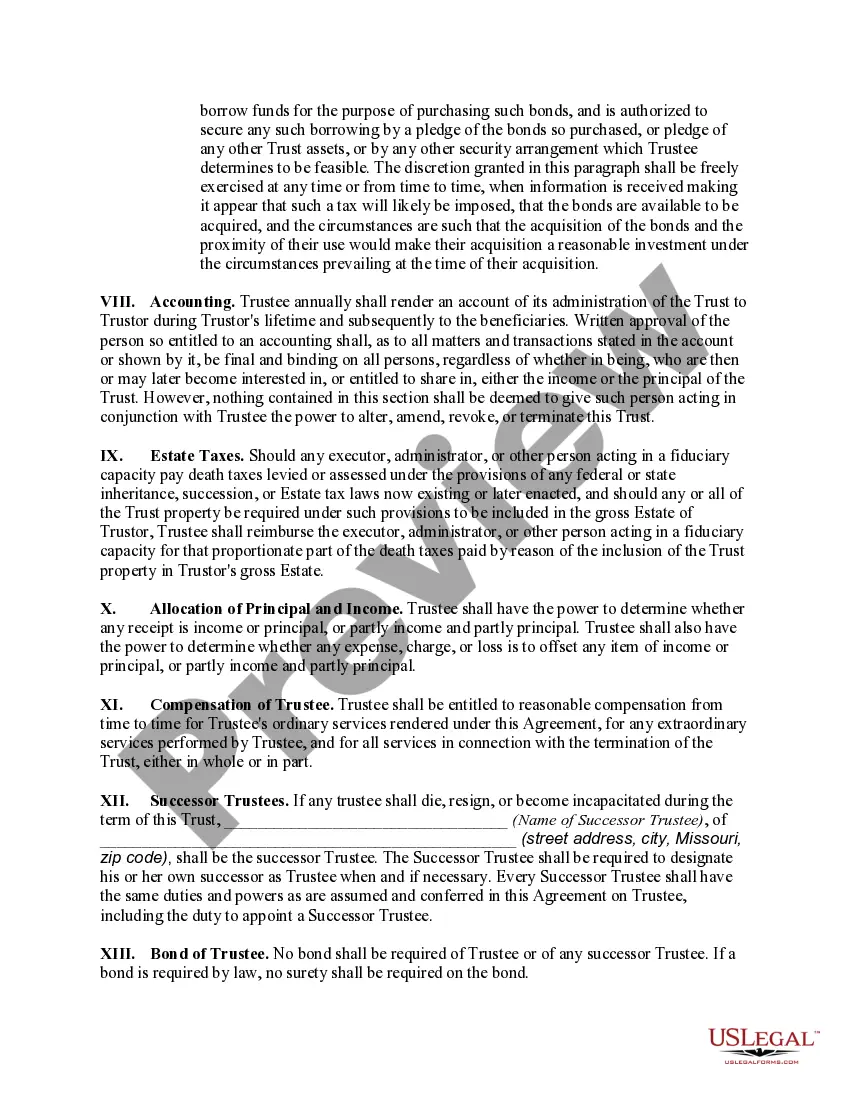
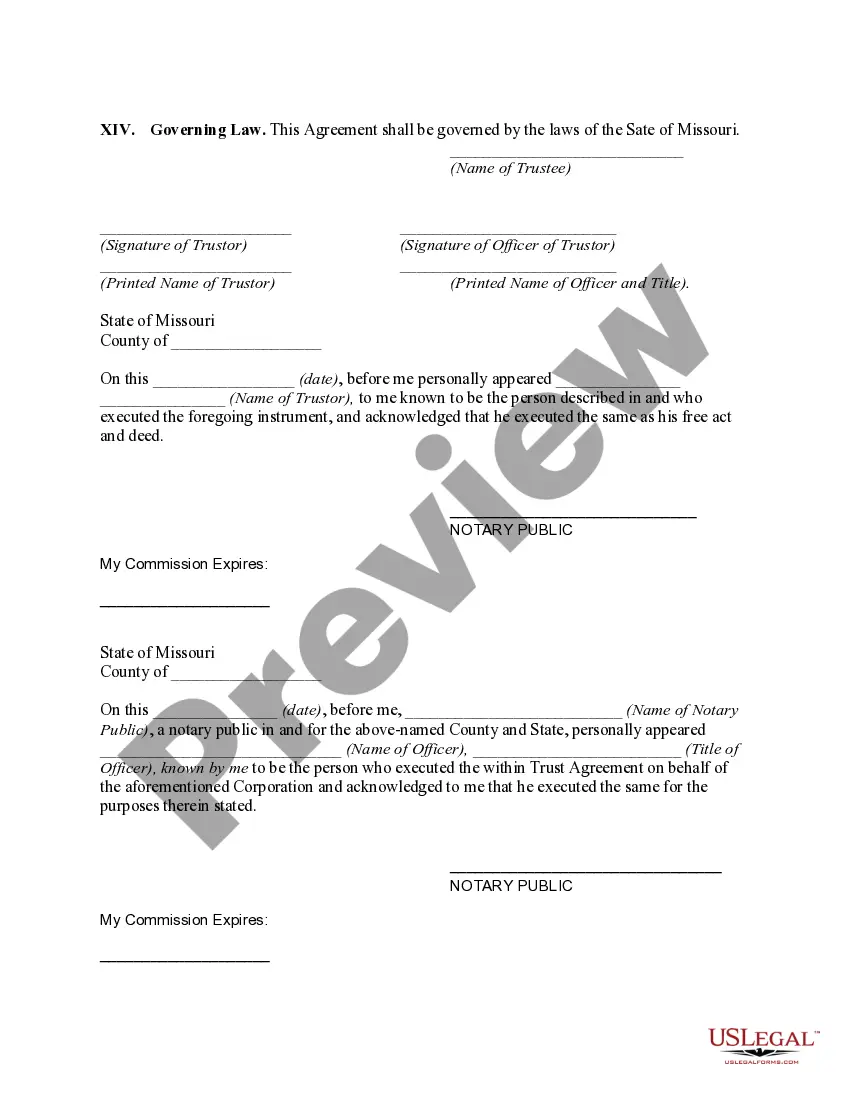

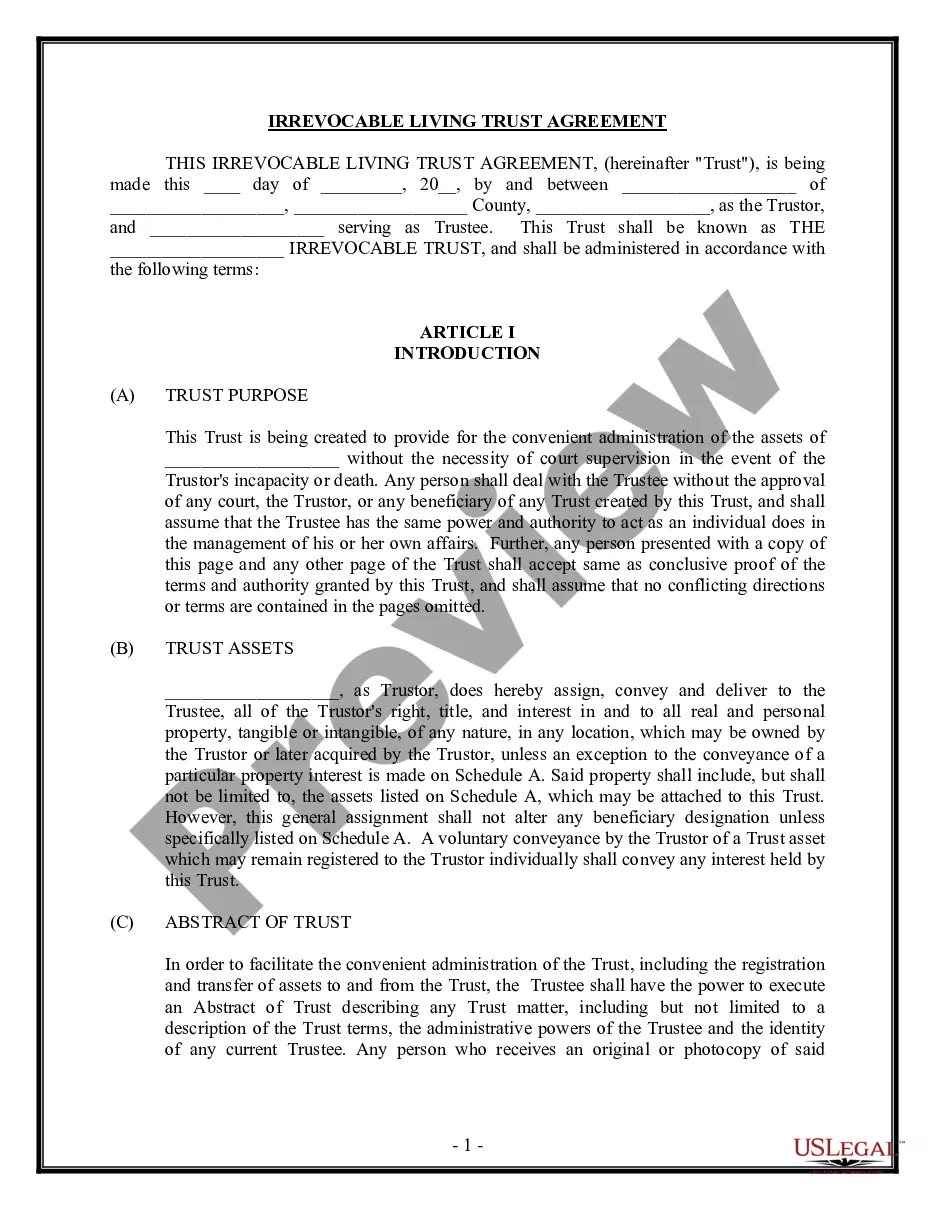
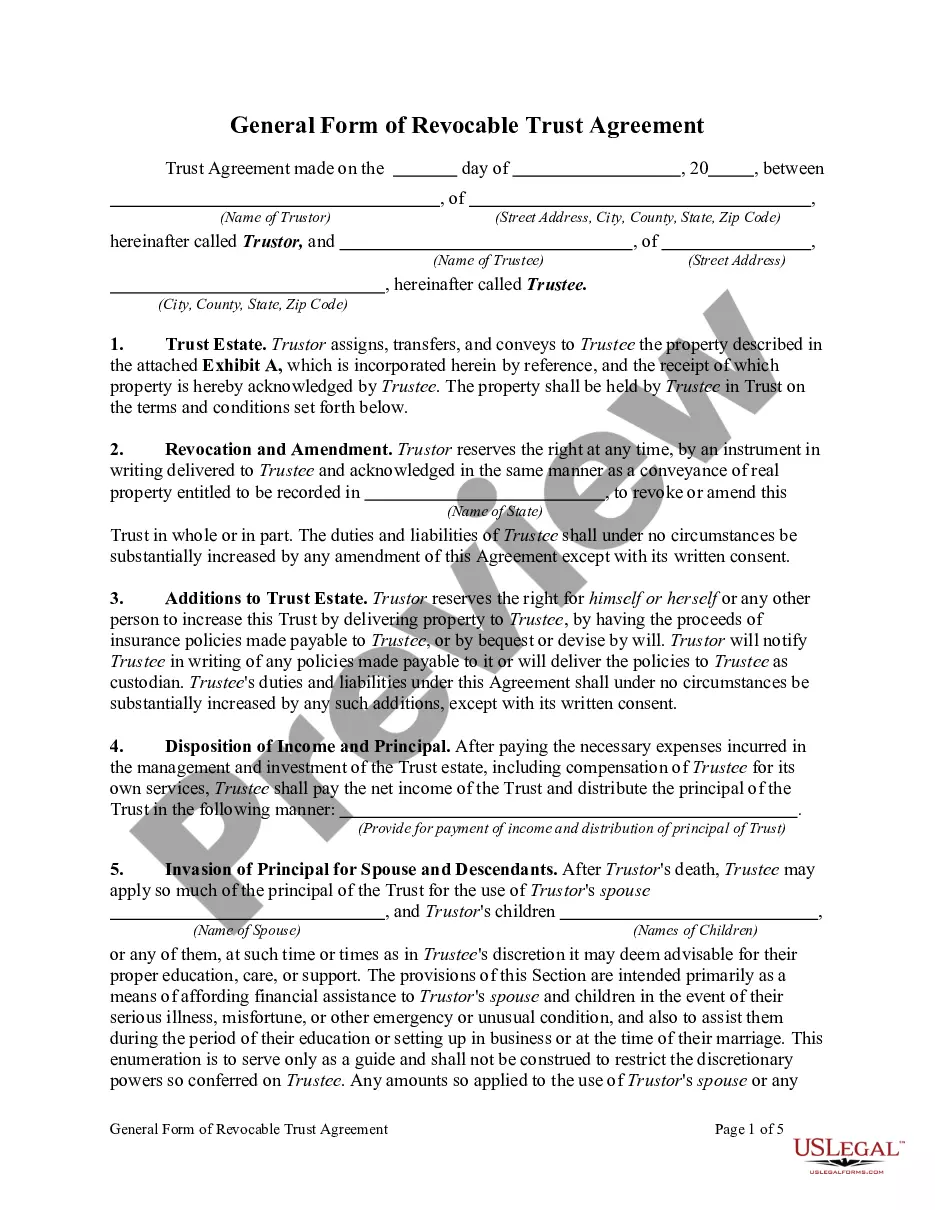
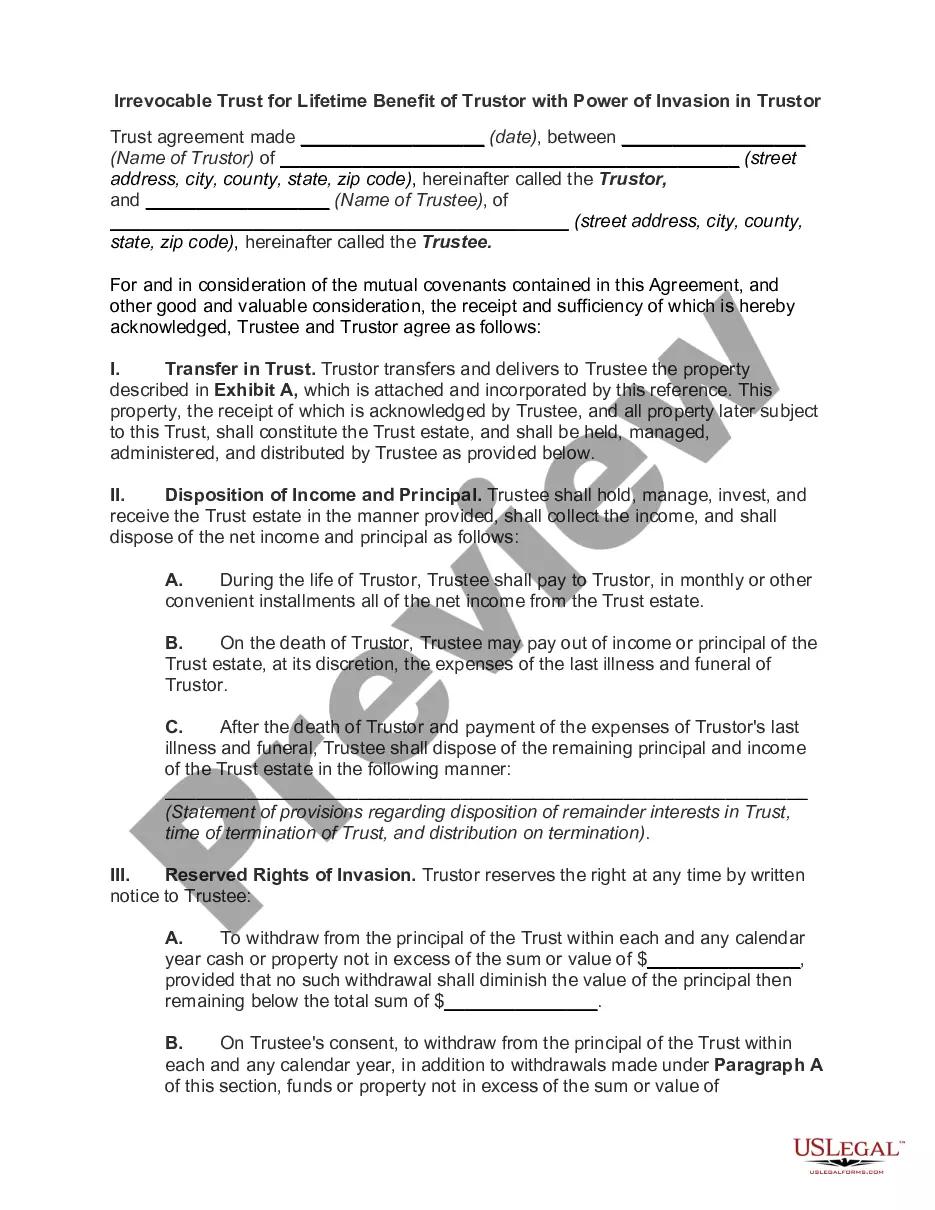
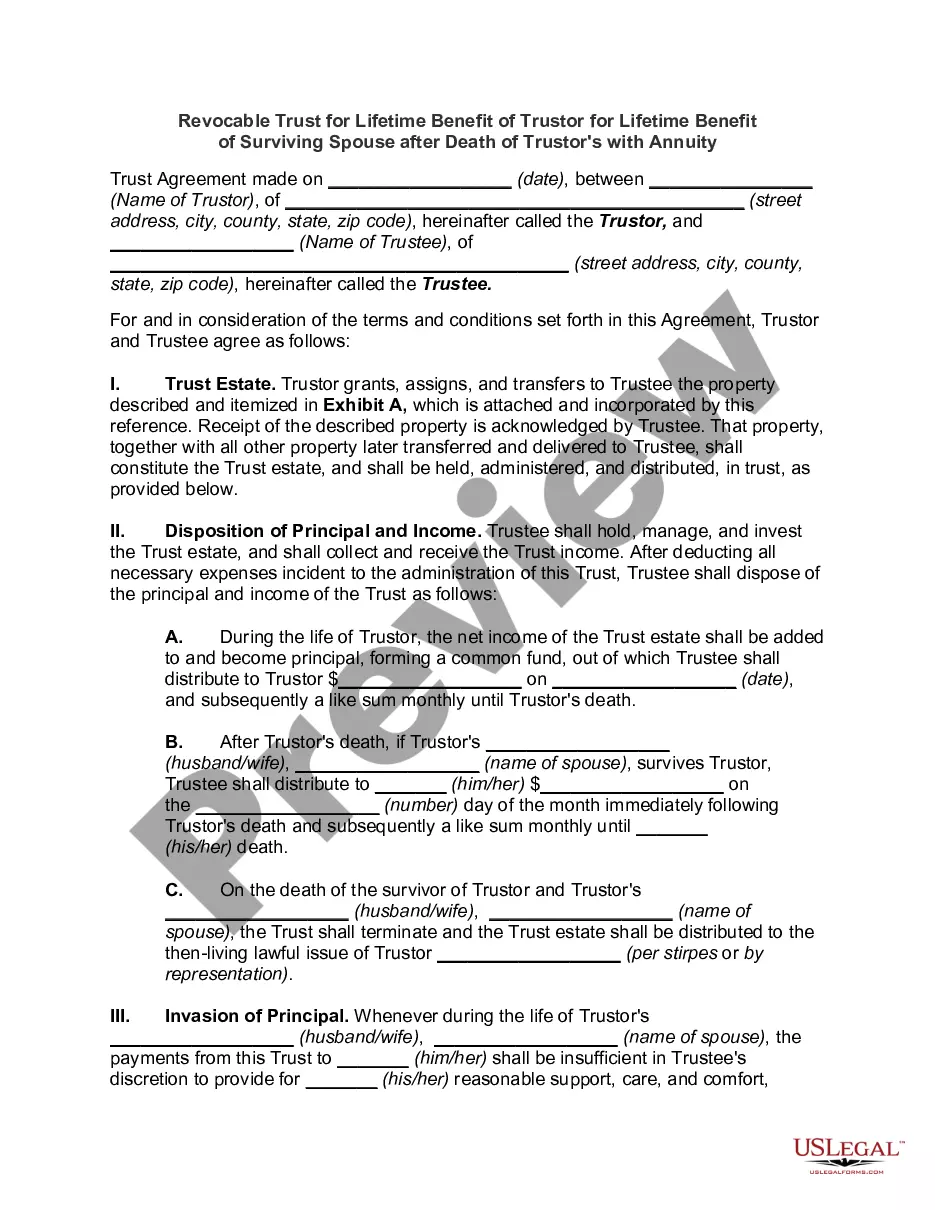
Get your form ready online
Our built-in tools help you complete, sign, share, and store your documents in one place.
Make edits, fill in missing information, and update formatting in US Legal Forms—just like you would in MS Word.
Download a copy, print it, send it by email, or mail it via USPS—whatever works best for your next step.
Sign and collect signatures with our SignNow integration. Send to multiple recipients, set reminders, and more. Go Premium to unlock E-Sign.
If this form requires notarization, complete it online through a secure video call—no need to meet a notary in person or wait for an appointment.
We protect your documents and personal data by following strict security and privacy standards.

Make edits, fill in missing information, and update formatting in US Legal Forms—just like you would in MS Word.

Download a copy, print it, send it by email, or mail it via USPS—whatever works best for your next step.

Sign and collect signatures with our SignNow integration. Send to multiple recipients, set reminders, and more. Go Premium to unlock E-Sign.

If this form requires notarization, complete it online through a secure video call—no need to meet a notary in person or wait for an appointment.

We protect your documents and personal data by following strict security and privacy standards.
Looking for another form?
Form popularity
FAQ
Setting up a foreign irrevocable life insurance trust involves several steps. Begin by consulting with a qualified attorney who specializes in estate planning to discuss your specific needs. You will need to draft the trust document, transfer life insurance policies into the trust, and designate beneficiaries. Using platforms like uslegalforms can simplify this process by providing the necessary templates and guidance you need.
While a foreign irrevocable life insurance trust provides various benefits, it does have potential dangers. Once assets are placed in an irrevocable trust, you generally lose control over those assets. This means you cannot easily change the terms or withdraw funds, which could be problematic if your circumstances change. It’s crucial to understand these risks and consult with professionals to navigate your options.
A foreign irrevocable life insurance trust can be an excellent strategy for estate planning. It allows you to protect your assets from creditors and may help reduce estate taxes. Additionally, this type of trust can ensure that your beneficiaries receive the intended benefits without the complications of probate. It’s essential to evaluate your specific situation to determine if this option aligns with your financial goals.
To file for a foreign grantor trust, you will need to gather specific documentation, such as information about the trust's assets, income, and the grantor's details. Additionally, the foreign irrevocable life insurance trust may require you to complete certain tax forms, including Form 3520, depending on your circumstances. For clear direction, consider utilizing the uslegalforms platform, which can provide templates and resources to streamline your filing process.
When it comes to a foreign irrevocable life insurance trust, filing a tax return often depends on the trust’s income and whether it meets specific tax obligations. If the trust generates income, it may need to file a tax return, even if distributions are made to beneficiaries. You should consult a tax advisor to understand the responsibilities associated with your specific trust and ensure compliance.
Yes, a foreign grantor trust can be irrevocable. This means that once you create it, you typically cannot alter its terms or dissolve it without the consent of the beneficiaries. A foreign irrevocable life insurance trust can provide significant estate tax benefits and asset protection. Understanding the distinctions between grantor and non-grantor trusts is key to effective estate planning.
The 3-year look-back rule for an irrevocable life insurance trust (ILIT) plays a crucial role in estate planning. If you transfer a life insurance policy to an ILIT within three years of your death, the IRS can include the policy's death benefit in your gross estate. This rule aims to deter manipulation of the estate tax system. Planning strategically can help you navigate this rule efficiently.
The 3-year rule for irrevocable trusts mainly applies to estate tax considerations. If you fund a foreign irrevocable life insurance trust with assets, the IRS may evaluate if those assets should be part of your taxable estate if transferred within three years of your passing. This regulation is important when assessing the overall estate tax exposure. Consulting with a legal professional can clarify how this rule impacts your estate planning.
The 3-year look-back period refers to how the IRS examines life insurance policies transferred to a foreign irrevocable life insurance trust. If you transfer a policy within three years of your death, the death benefit may be included in your estate for tax purposes. This rule aims to prevent individuals from avoiding estate taxes through quick transfers. Proper planning can help avoid complications over this period.
The purpose of a foreign irrevocable life insurance trust is to manage and protect your life insurance policy from estate taxes. By placing your policy in this trust, you ensure that the death benefit is not included in your taxable estate. This facilitates wealth transfer to your beneficiaries in a tax-efficient manner. Furthermore, such a trust can provide asset protection from creditors.
