For Irrevocable Trust
Description
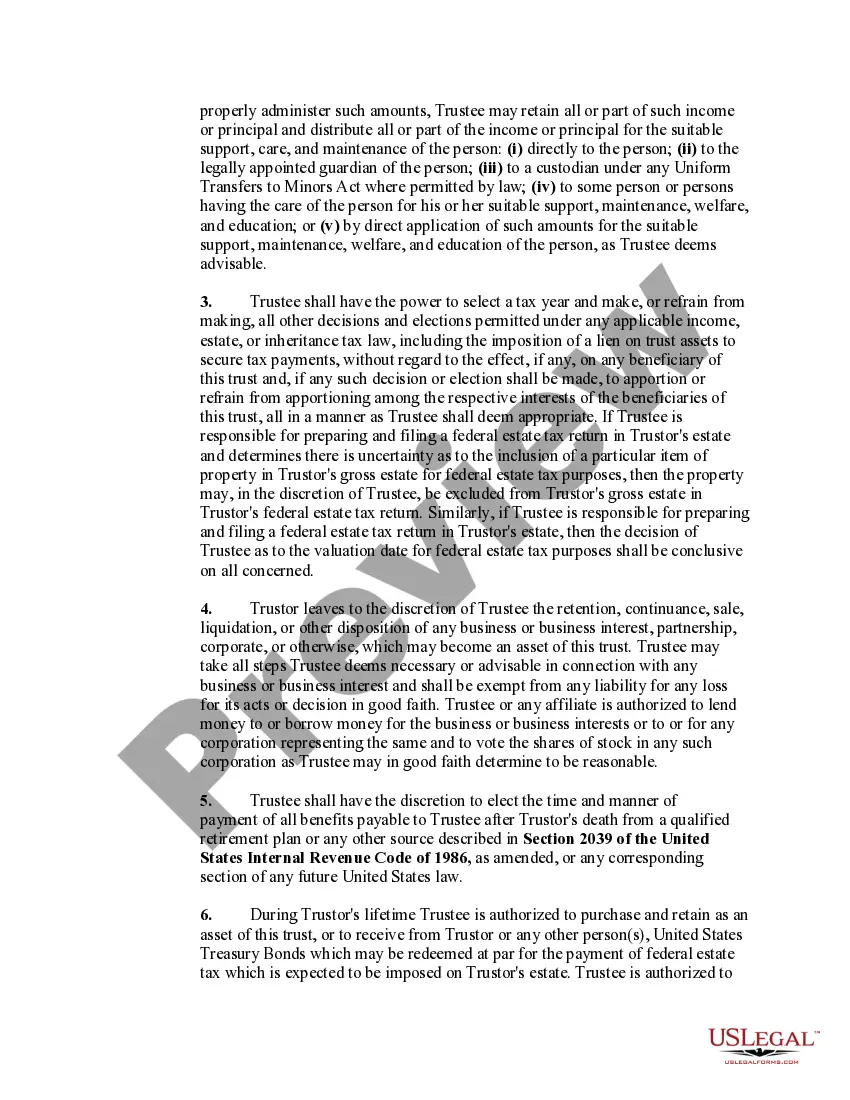
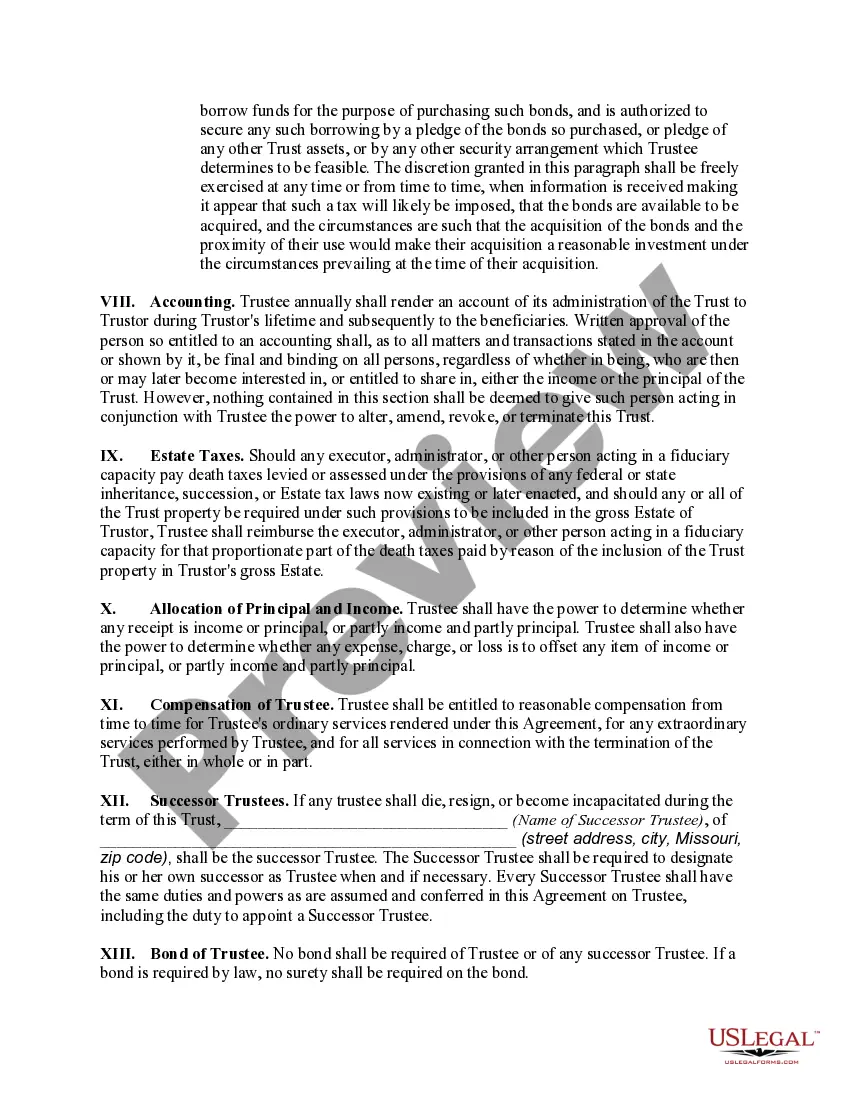
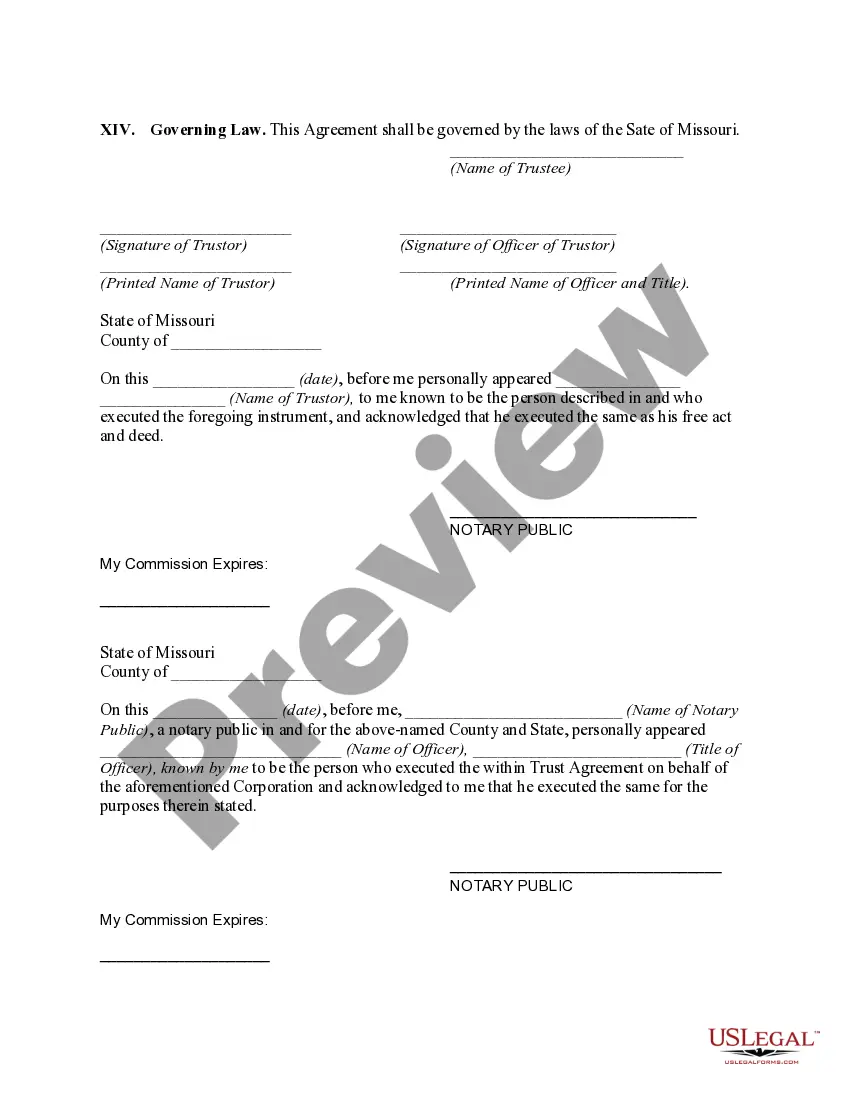

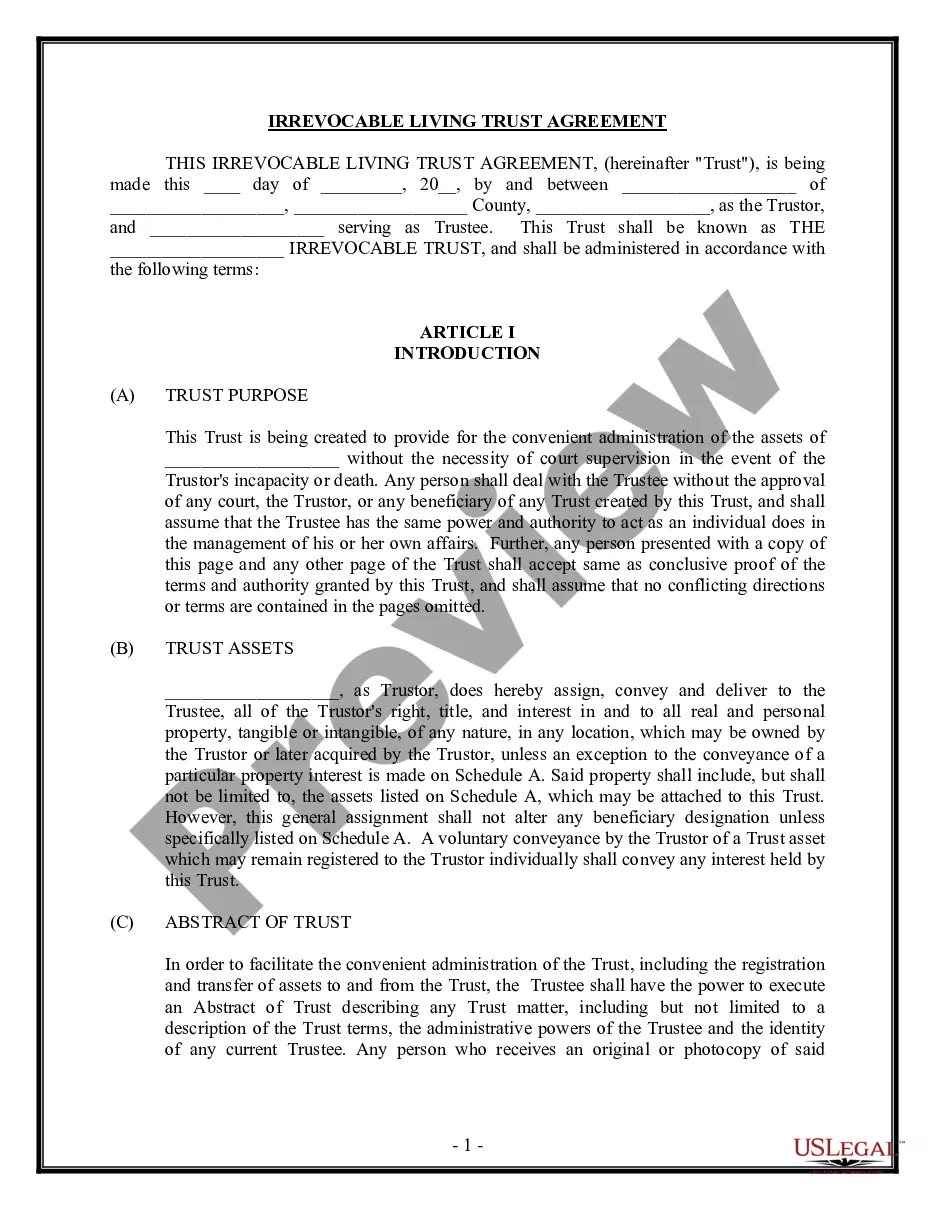
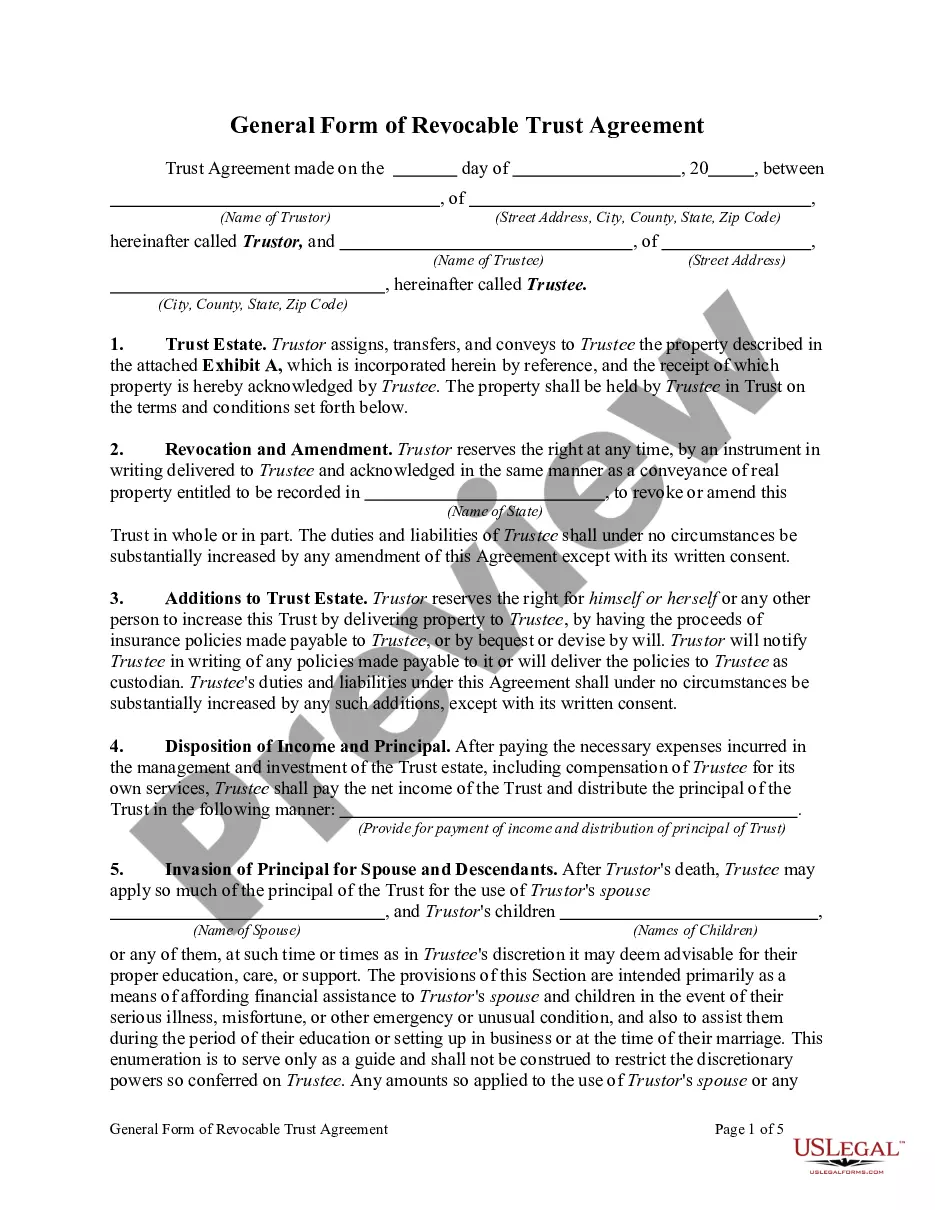
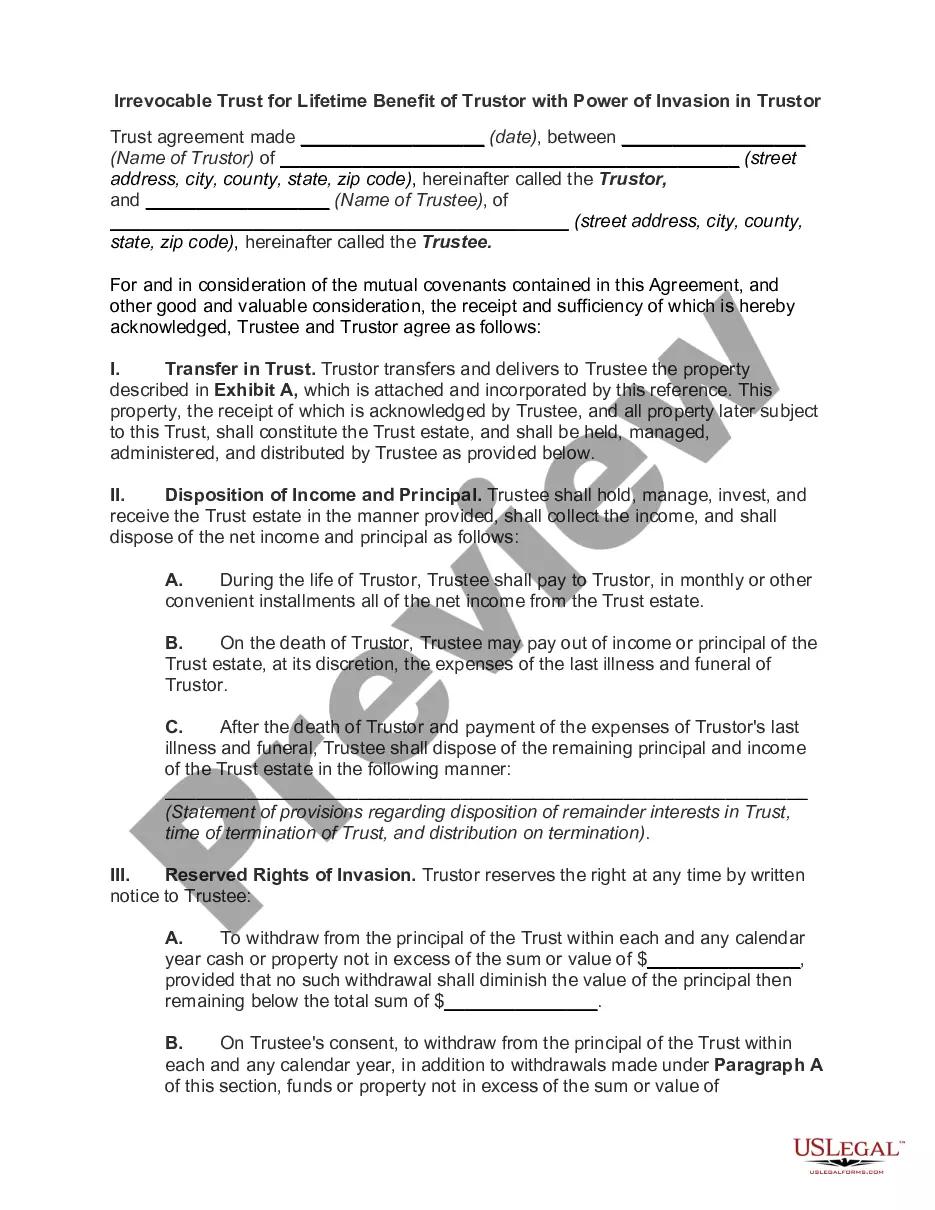
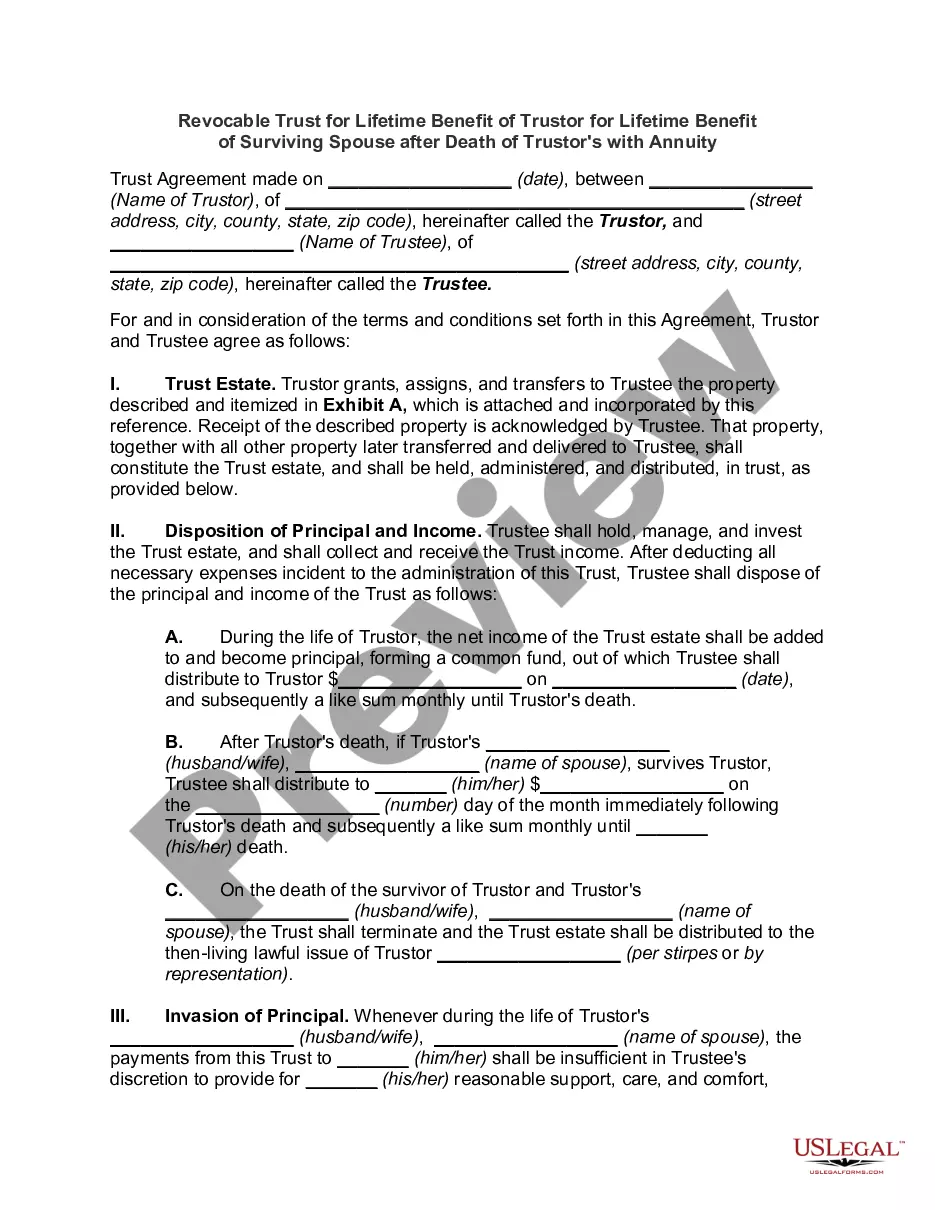
Get your form ready online
Our built-in tools help you complete, sign, share, and store your documents in one place.
Make edits, fill in missing information, and update formatting in US Legal Forms—just like you would in MS Word.
Download a copy, print it, send it by email, or mail it via USPS—whatever works best for your next step.
Sign and collect signatures with our SignNow integration. Send to multiple recipients, set reminders, and more. Go Premium to unlock E-Sign.
If this form requires notarization, complete it online through a secure video call—no need to meet a notary in person or wait for an appointment.
We protect your documents and personal data by following strict security and privacy standards.

Make edits, fill in missing information, and update formatting in US Legal Forms—just like you would in MS Word.

Download a copy, print it, send it by email, or mail it via USPS—whatever works best for your next step.

Sign and collect signatures with our SignNow integration. Send to multiple recipients, set reminders, and more. Go Premium to unlock E-Sign.

If this form requires notarization, complete it online through a secure video call—no need to meet a notary in person or wait for an appointment.

We protect your documents and personal data by following strict security and privacy standards.
Looking for another form?
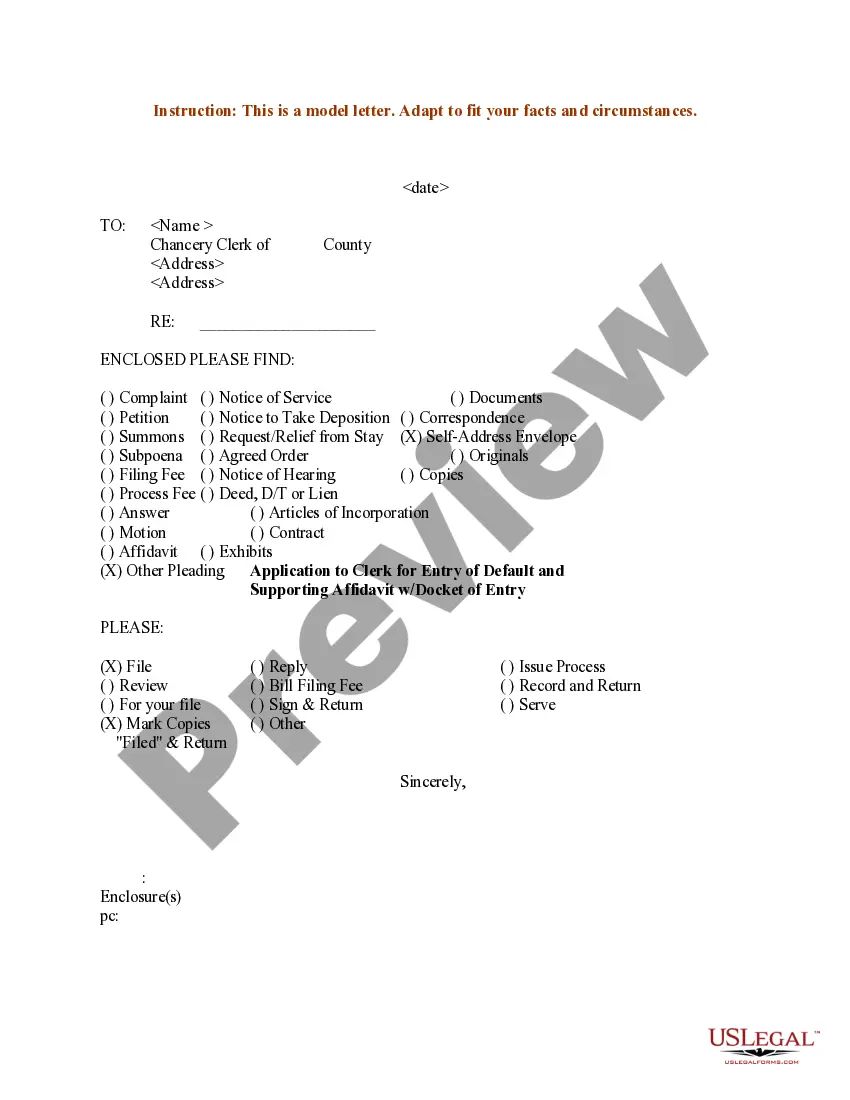








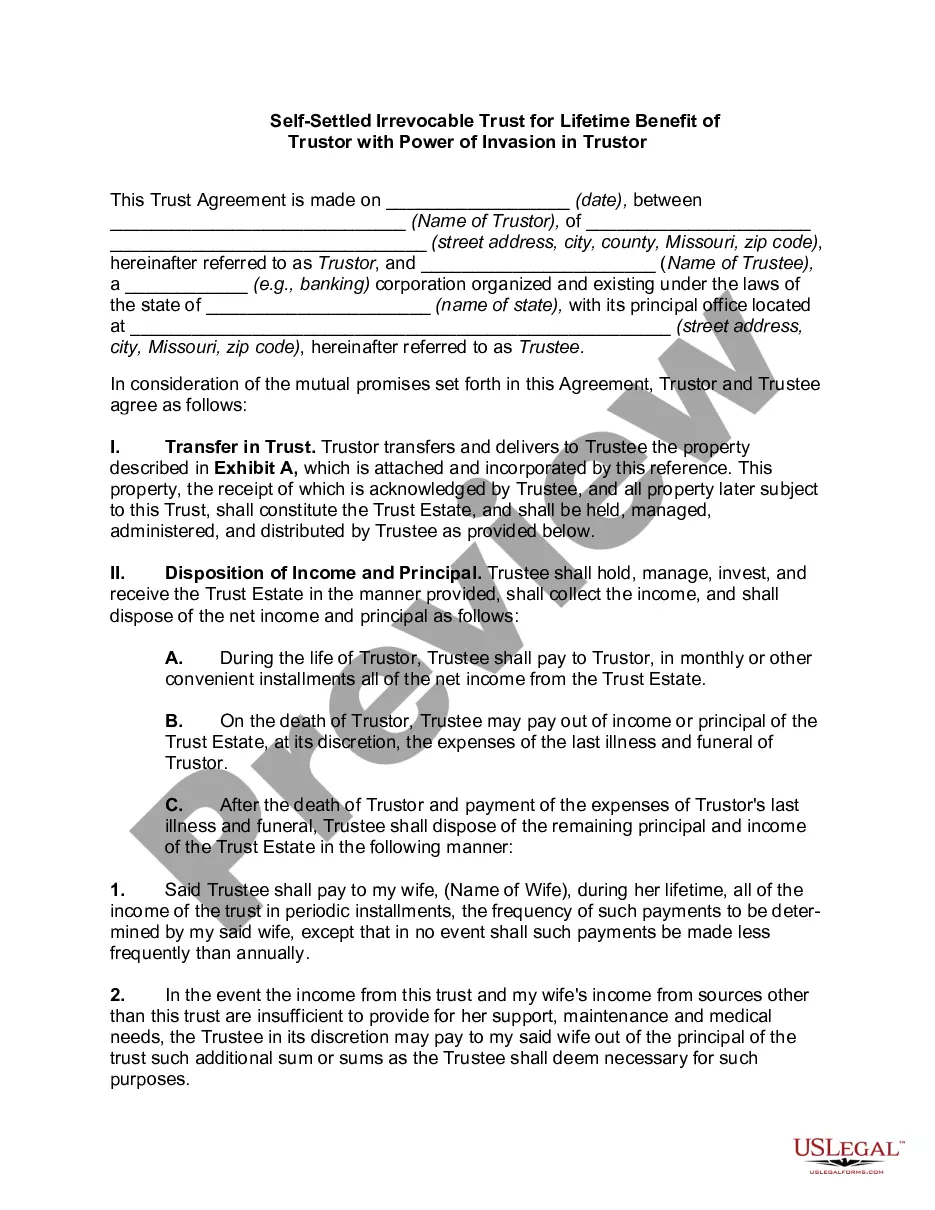
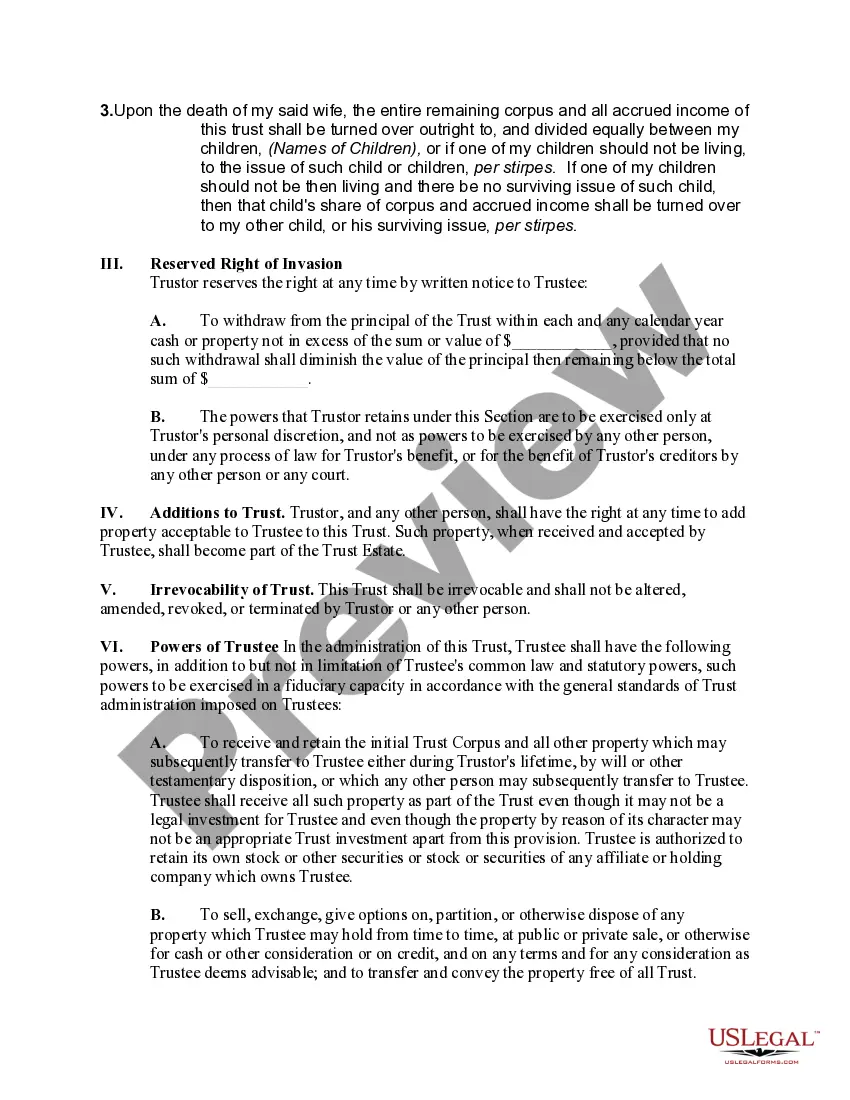
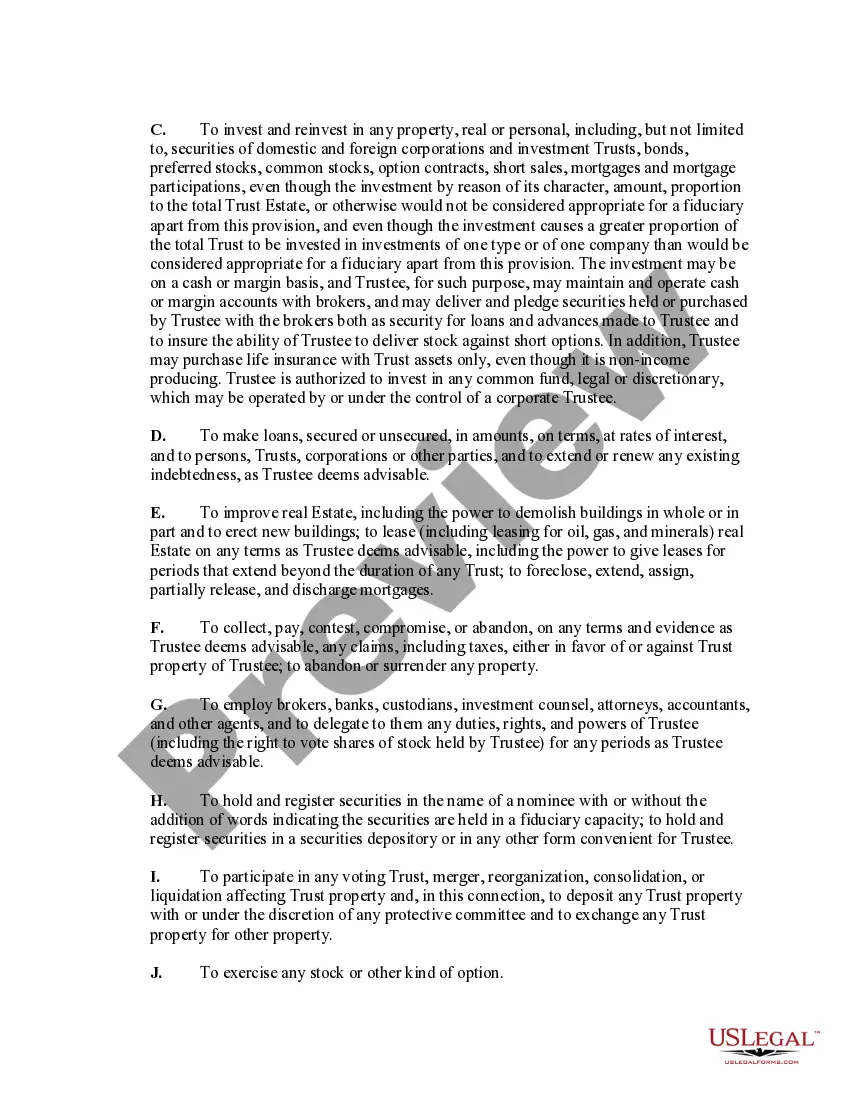
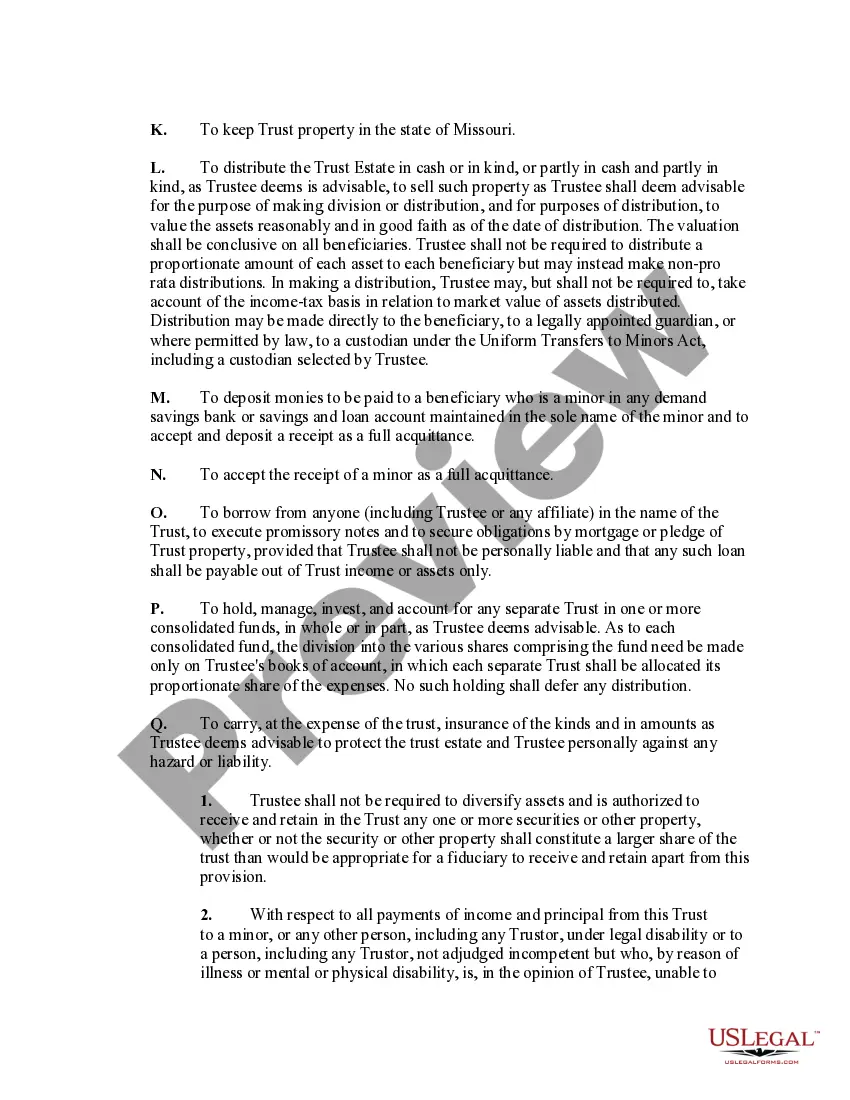
How to fill out Missouri Self-Settled Irrevocable Trust For Lifetime Benefit Of Trustor With Power Of Invasion In Trustor?
- If you're a returning user, log in to your account and download your required form directly by clicking the Download button. Ensure your subscription is active; if not, renew it as necessary.
- For first-time users, start by reviewing the Preview mode and the form description thoroughly. Confirm that the form meets your specific needs and complies with your local laws.
- Should you find any discrepancies, utilize the Search tab to locate another template that fits your requirements. Once resolved, proceed to the next step.
- Select your document by clicking the Buy Now button. Choose your preferred subscription plan and create an account to unlock access to the extensive library.
- Complete your purchase by entering your credit card or PayPal information to finalize the subscription.
- Finally, download the form to your device for easy access. You can revisit and manage it anytime through the My Forms section of your profile.
In summary, US Legal Forms empowers you to navigate the legal landscape seamlessly by providing a vast array of forms, more than any other competitor at a comparable cost. Their comprehensive options ensure you can find exactly what you need.
Experience the convenience today—start your journey with US Legal Forms and make your legal documentation hassle-free!
Form popularity
FAQ
Filling out an irrevocable trust involves several steps, including identifying the trustor, trustee, and beneficiaries. Each section must be completed accurately to ensure the trust functions as intended. US Legal Forms can simplify this process with easy-to-follow instructions and customizable templates that guide you through each section. This way, you can complete your trust with confidence.
Writing your own irrevocable trust is possible, but it requires careful attention to detail. You need to include specific language and provisions that meet legal standards. If you're unsure about the process, US Legal Forms provides user-friendly templates to help you draft a trust that aligns with your wishes and complies with the law.
Yes, you can file your own irrevocable trust. However, it's essential to understand the legal requirements and documentation involved in the process. Mistakes can lead to complications down the line, so consider using resources like US Legal Forms for guidance. They offer templates and support to ensure your filing meets all necessary legal criteria.
One of the biggest mistakes parents make for irrevocable trust is not clearly defining their goals. Without a clear purpose, the trust can fail to optimize benefits for their children. Additionally, neglecting to communicate these intentions with family can lead to misunderstandings. Using a platform like US Legal Forms can help you create a structured plan and minimize potential pitfalls.
The IRS treats irrevocable trusts as separate tax entities. This means that income generated by the trust is taxable to the trust itself or the beneficiaries, depending on distributions. Irrevocable trusts do not qualify for the same tax exemptions as revocable trusts. Understanding these rules is essential, and seeking advice from a tax professional can ensure compliance with IRS regulations related to irrevocable trusts.
You do not directly file an irrevocable trust like you would a tax return. Instead, keep the trust document in a safe place and provide copies to relevant parties, like trustees and beneficiaries. In some cases, you might need to notify the IRS or state tax authorities regarding the trust’s existence through tax filings. Platforms like USLegalForms can guide you in preparing necessary documents and filing requirements.
Yes, an irrevocable trust may receive a 1099 form if it generates income. This income can come from assets held within the trust, such as investments or rental properties. The trust is responsible for reporting that income on its tax return. Consulting with a tax advisor can help navigate these tax implications for irrevocable trusts properly.
Generally, an irrevocable trust does not have to be filed with the court unless it involves certain benefits such as tax exemptions. Typically, keeping the trust document private is beneficial for the grantor and beneficiaries. However, be aware that some situations might require court involvement, especially when disputes arise. Therefore, reviewing your specific circumstances with a legal expert can provide clarity.
To set up an irrevocable trust effectively, start by consulting with a legal professional experienced in estate planning. They will help you select the right type of irrevocable trust tailored to your needs. After determining the trust structure, you will need to draft the trust document, specify the assets, and designate beneficiaries. Utilizing platforms like USLegalForms can simplify this process and ensure compliance with legal standards.
Recent updates to regulations surrounding irrevocable trusts have introduced changes that may impact how they are structured and taxed. New rules may affect reporting requirements and asset valuations within the trust. Staying informed on these changes is crucial for ensuring compliance and maximizing benefits. Utilizing platforms like uslegalforms can help you navigate these requirements effectively when setting up your irrevocable trust.