Will Vs Trust In Minnesota
Description
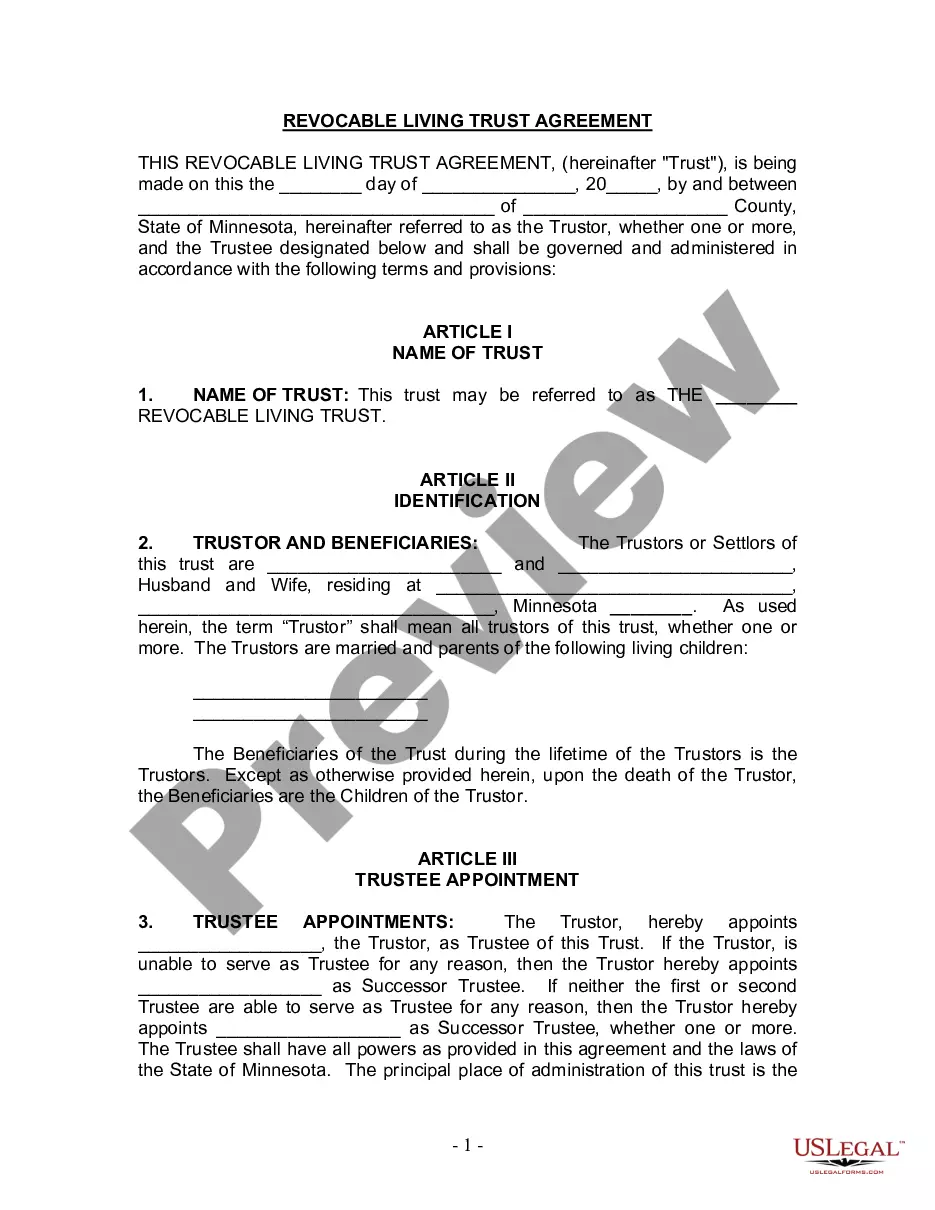
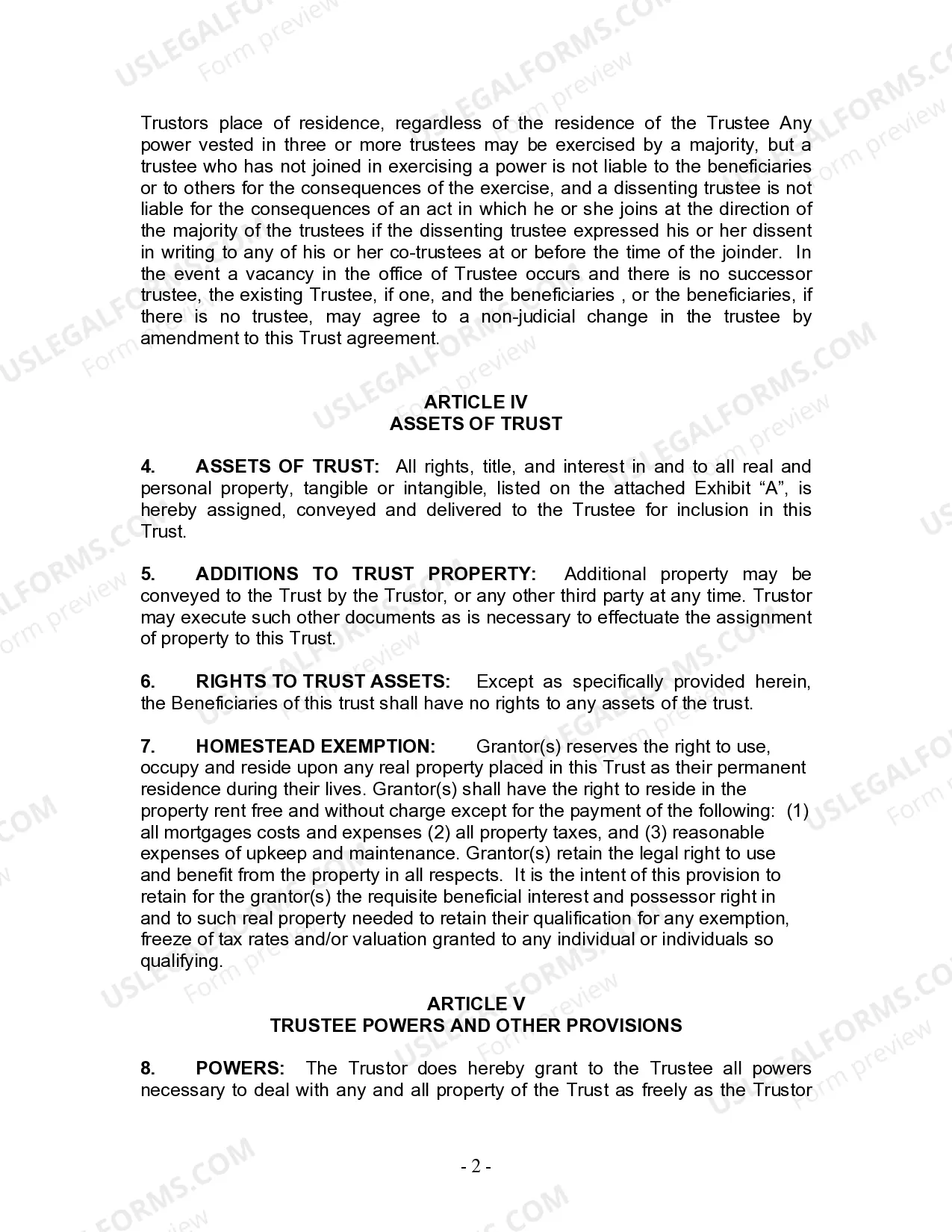
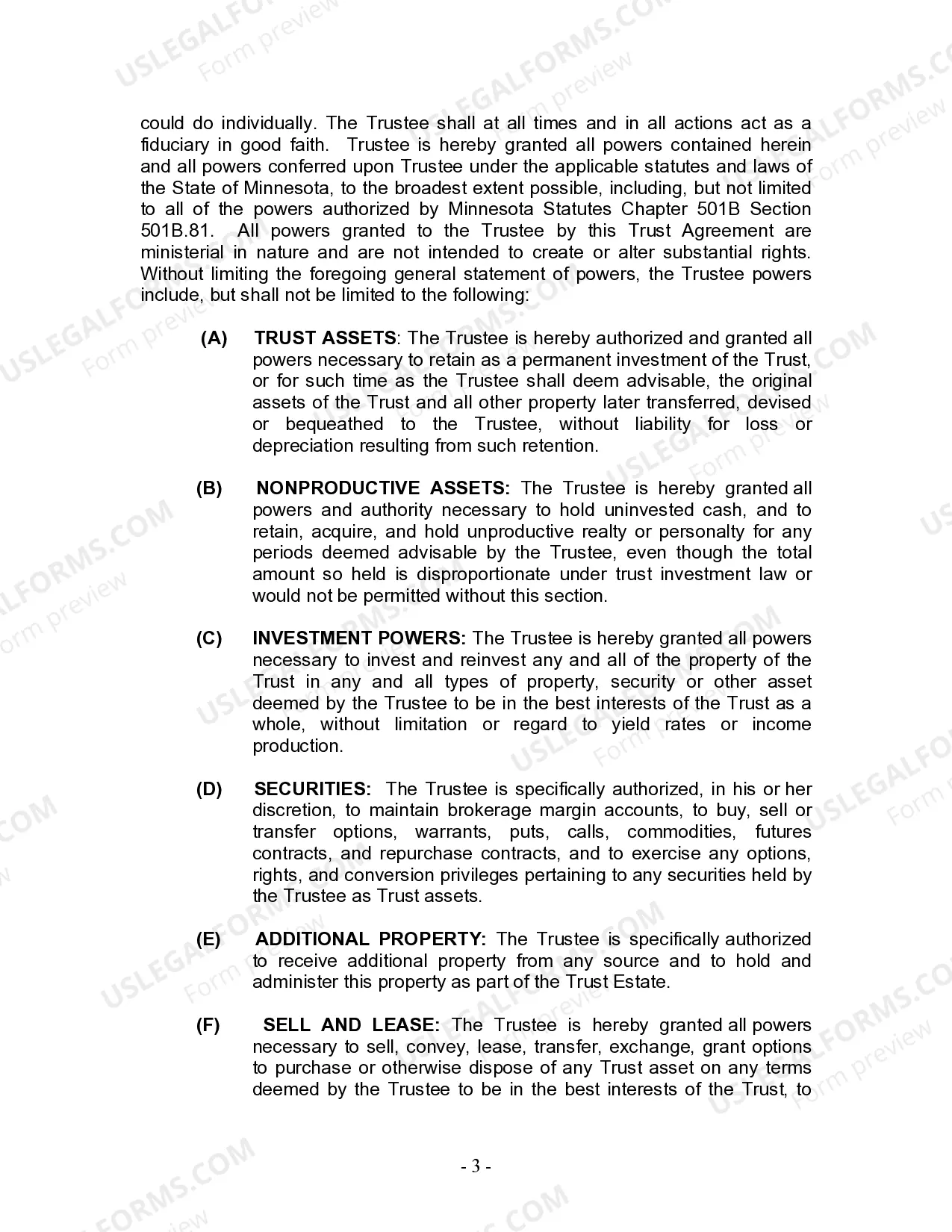
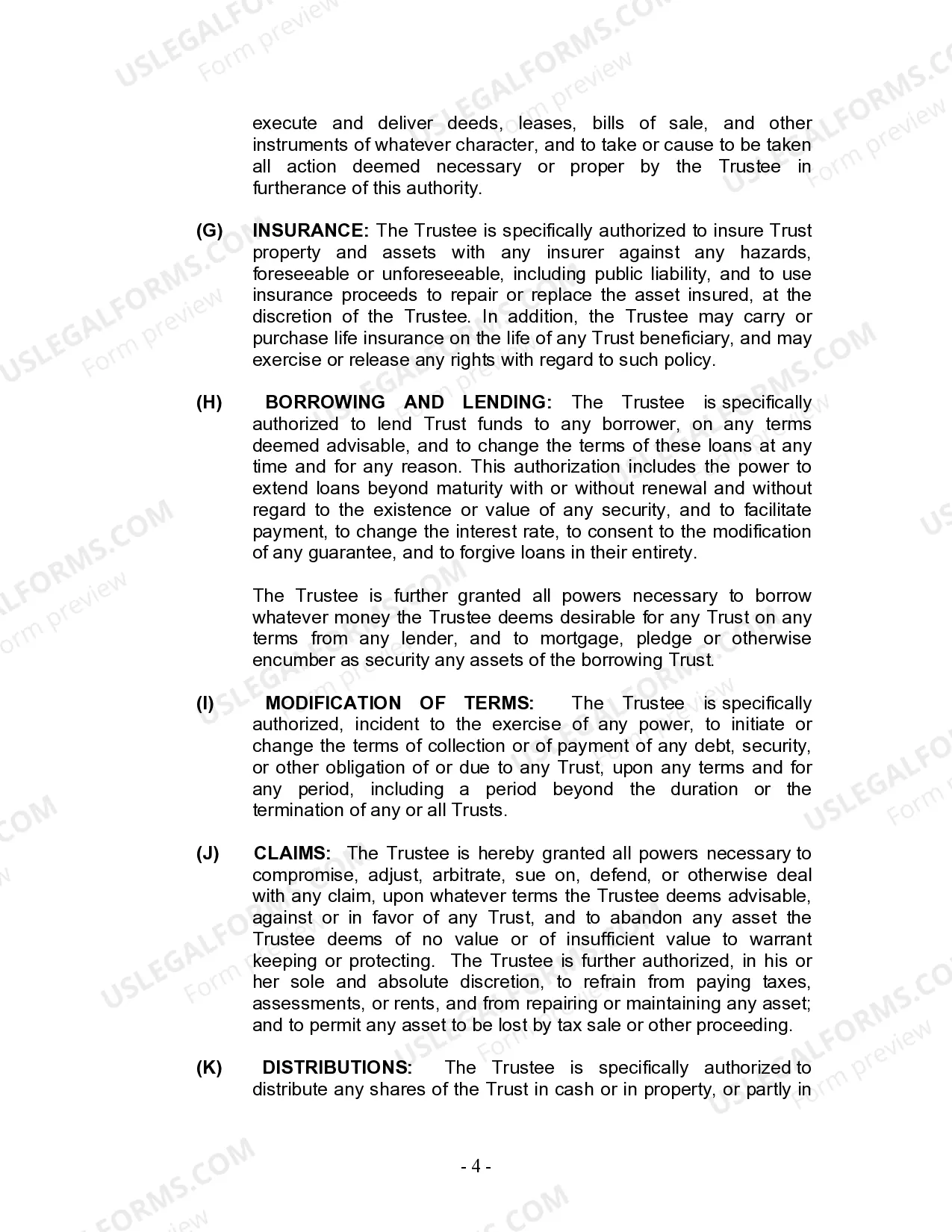



Get your form ready online
Our built-in tools help you complete, sign, share, and store your documents in one place.
Make edits, fill in missing information, and update formatting in US Legal Forms—just like you would in MS Word.
Download a copy, print it, send it by email, or mail it via USPS—whatever works best for your next step.
Sign and collect signatures with our SignNow integration. Send to multiple recipients, set reminders, and more. Go Premium to unlock E-Sign.
If this form requires notarization, complete it online through a secure video call—no need to meet a notary in person or wait for an appointment.
We protect your documents and personal data by following strict security and privacy standards.

Make edits, fill in missing information, and update formatting in US Legal Forms—just like you would in MS Word.

Download a copy, print it, send it by email, or mail it via USPS—whatever works best for your next step.

Sign and collect signatures with our SignNow integration. Send to multiple recipients, set reminders, and more. Go Premium to unlock E-Sign.

If this form requires notarization, complete it online through a secure video call—no need to meet a notary in person or wait for an appointment.

We protect your documents and personal data by following strict security and privacy standards.
Looking for another form?



How to fill out Minnesota Living Trust For Husband And Wife With Minor And Or Adult Children?
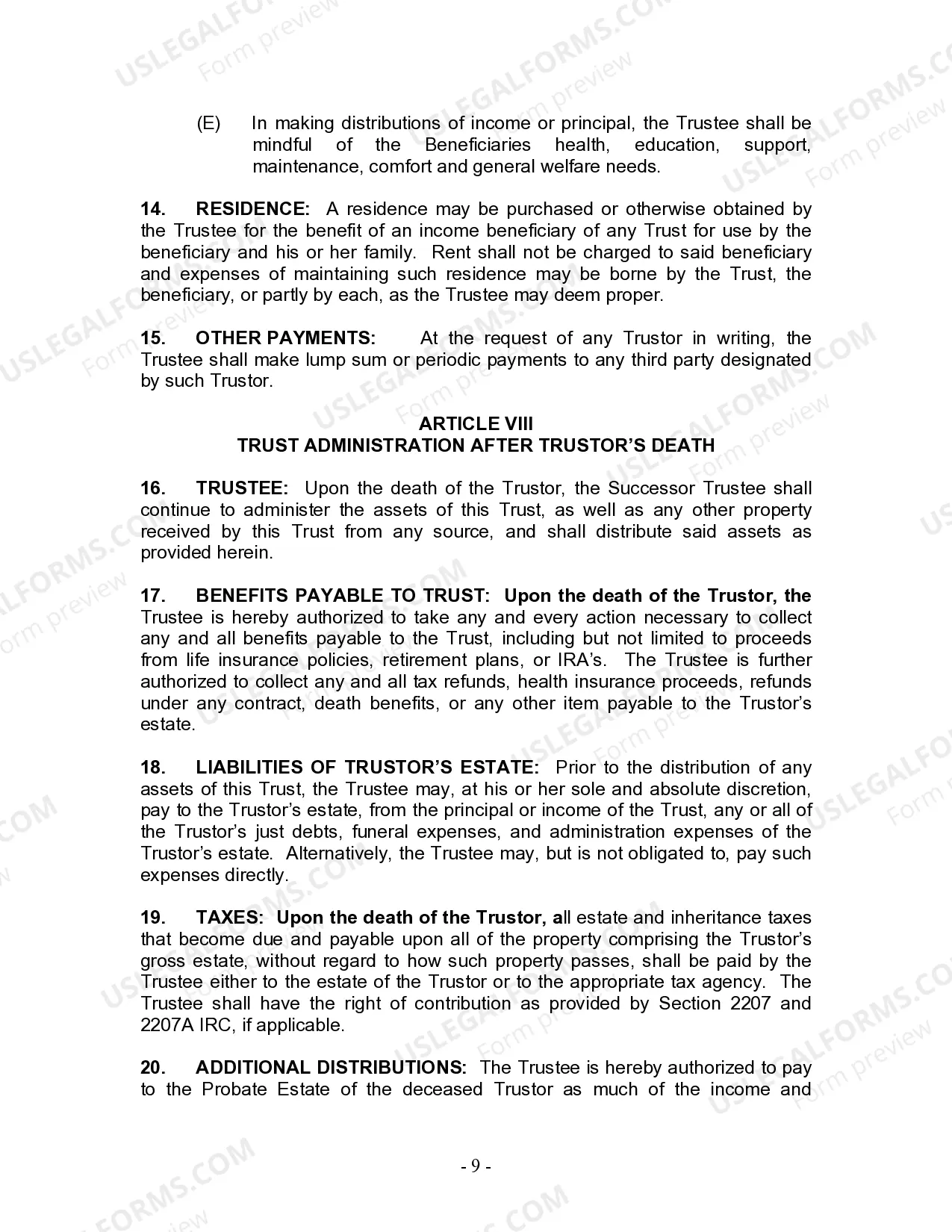
Dealing with legal documents and operations could be a time-consuming addition to your entire day. Will Vs Trust In Minnesota and forms like it typically require that you search for them and understand how to complete them appropriately. For that reason, regardless if you are taking care of financial, legal, or individual matters, having a extensive and hassle-free online library of forms at your fingertips will go a long way.
US Legal Forms is the number one online platform of legal templates, offering over 85,000 state-specific forms and numerous tools to assist you to complete your documents easily. Check out the library of pertinent papers accessible to you with just a single click.
US Legal Forms offers you state- and county-specific forms offered at any moment for downloading. Safeguard your papers administration processes with a top-notch service that lets you prepare any form within a few minutes without extra or hidden cost. Simply log in in your profile, locate Will Vs Trust In Minnesota and acquire it right away in the My Forms tab. You can also gain access to formerly downloaded forms.
Is it the first time making use of US Legal Forms? Sign up and set up an account in a few minutes and you will have access to the form library and Will Vs Trust In Minnesota. Then, stick to the steps below to complete your form:
- Ensure you have found the proper form by using the Review feature and reading the form description.
- Select Buy Now as soon as ready, and choose the subscription plan that is right for you.
- Select Download then complete, sign, and print the form.
US Legal Forms has twenty five years of expertise supporting consumers control their legal documents. Find the form you need today and streamline any operation without breaking a sweat.
Form popularity
FAQ
How much does a Trust cost in Minnesota? The cost of setting up a trust in Minnesota varies depending on the complexity of the trust and the attorney's fees. A basic Revocable Living Trust generally ranges from $1,000 to $3,000. More complex trusts can cost several thousand dollars more.
With a will, the probate laws require that an inventory of the estate's assets be filed with the court. The will and the inventory are public information. With a revocable living trust, generally only the beneficiaries of the trust will be informed of the nature and the value of the assets.
You may not need a will if you have made provisions so that your assets will pass without one, for example, by establishing trusts, life insurance policies with named beneficiaries, or joint property interests such as real estate or bank accounts.
The major disadvantages that are associated with trusts are their perceived irrevocability, the loss of control over assets that are put into trust and their costs. In fact trusts can be made revocable, but this generally has negative consequences in respect of tax, estate duty, asset protection and stamp duty.