Release Medical Records To Patient
Description

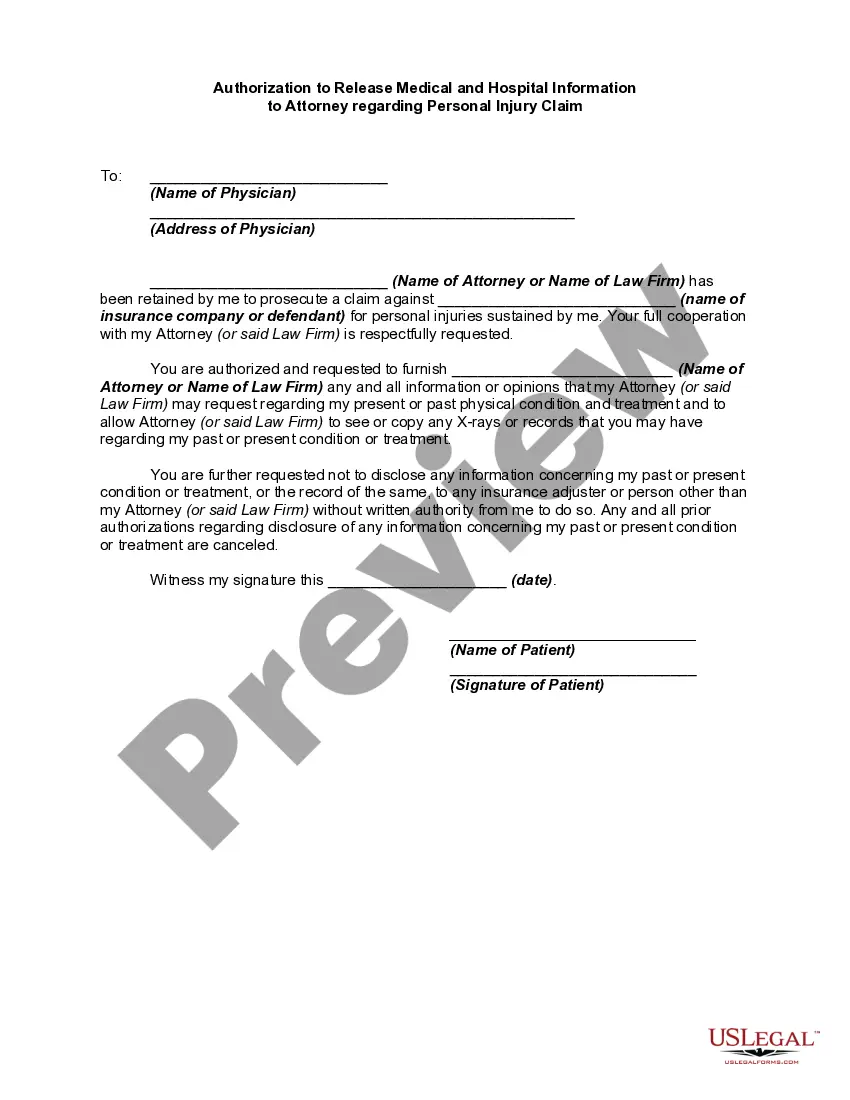
Get your form ready online
Our built-in tools help you complete, sign, share, and store your documents in one place.
Make edits, fill in missing information, and update formatting in US Legal Forms—just like you would in MS Word.
Download a copy, print it, send it by email, or mail it via USPS—whatever works best for your next step.
Sign and collect signatures with our SignNow integration. Send to multiple recipients, set reminders, and more. Go Premium to unlock E-Sign.
If this form requires notarization, complete it online through a secure video call—no need to meet a notary in person or wait for an appointment.
We protect your documents and personal data by following strict security and privacy standards.

Make edits, fill in missing information, and update formatting in US Legal Forms—just like you would in MS Word.

Download a copy, print it, send it by email, or mail it via USPS—whatever works best for your next step.

Sign and collect signatures with our SignNow integration. Send to multiple recipients, set reminders, and more. Go Premium to unlock E-Sign.

If this form requires notarization, complete it online through a secure video call—no need to meet a notary in person or wait for an appointment.

We protect your documents and personal data by following strict security and privacy standards.
Looking for another form?
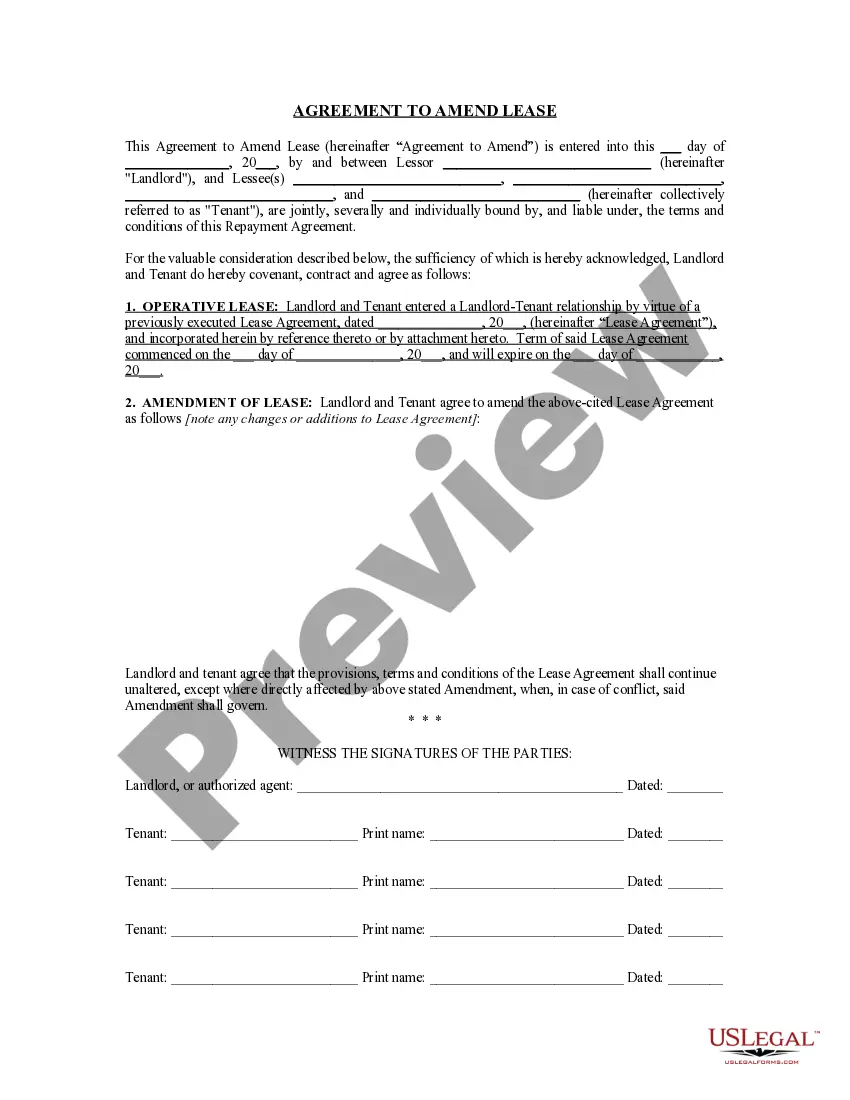
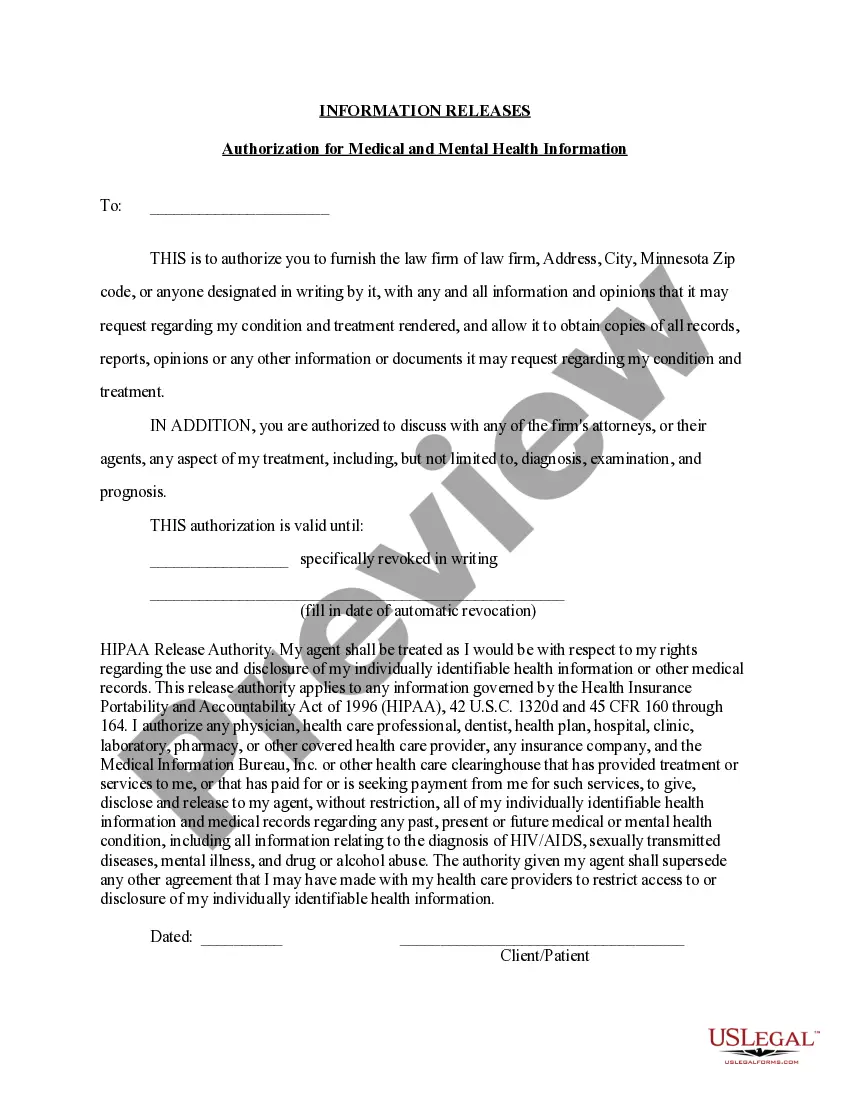
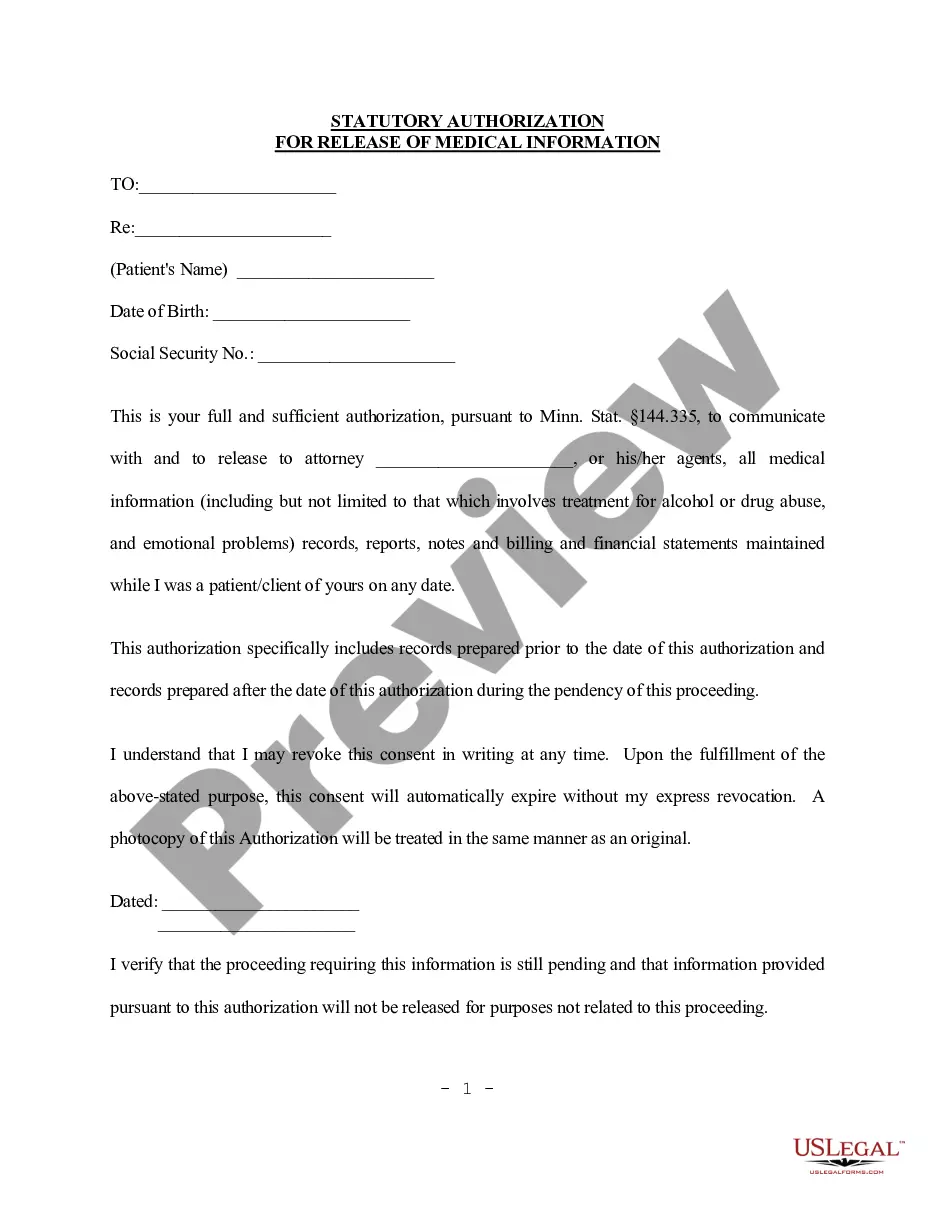
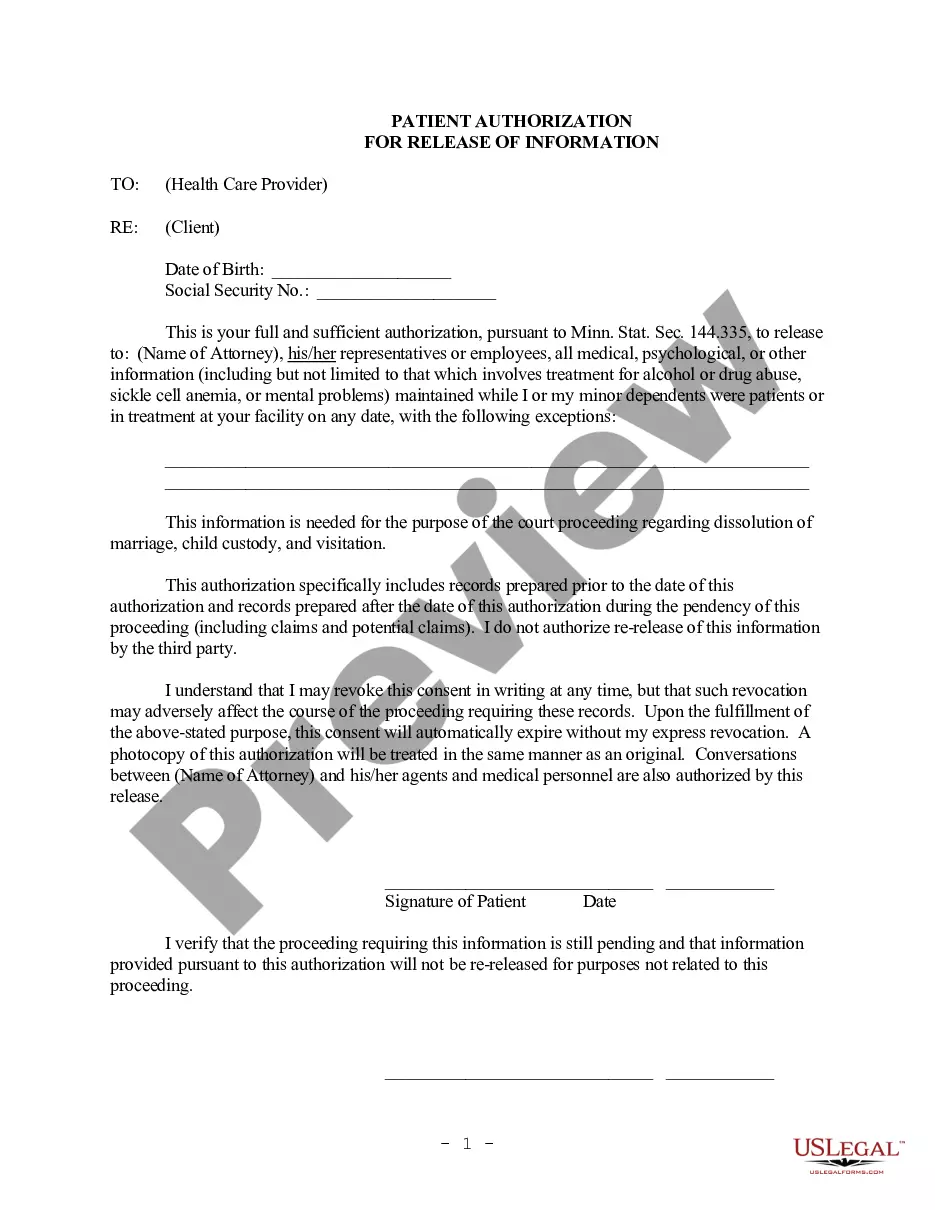
How to fill out Minnesota Authorization To Release Medical And Mental Health Information?
There is no longer a necessity to waste time searching for legal documents to meet your local state obligations.
US Legal Forms has compiled all of them in one location and made them easily accessible.
Our website offers over 85k templates for any legal needs for businesses and individuals, organized by state and purpose.
The preparation of legal documents under federal and state laws and regulations is quick and straightforward with our platform. Experience US Legal Forms today to maintain your documentation in order!
- All forms are properly written and validated for accuracy, ensuring you can confidently acquire an up-to-date Release Medical Records To Patient.
- If you are acquainted with our platform and possess an account, ensure your subscription is active before accessing any templates.
- Log In to your account, select the document, and click Download.
- You can also revisit all downloaded documents at any time by opening the My documents tab in your profile.
- If you have not utilized our platform before, the procedure will require a few more steps to finish.
- Here’s how new users can acquire the Release Medical Records To Patient from our collection.
- Thoroughly review the page content to verify it includes the sample you need.
- To assist with this, use the form description and preview options, if available.
Form popularity
FAQ
Generally, only a patient can authorize the release of his or her own medical records. However, there are some exceptions to the rule and generally the following can sign a release: Parents of minor children. Legal guardian.
Processing the RequestReview the content. Staff should begin by verifying that requests for information contain all data required by internal policy and state and federal regulations.Verify the legal authority of the requestor .Verify the patient.Verify appropriateness of information requested for release .
Patient requests must be written without requiring a "formal" release form. Include signature, printed name, date, and records desired. Release a copy only, not the original. The physician may prepare a summary of the medical record, if acceptable to the patient.
An authorization is a detailed document that gives covered entities permission to use protected health information for specified purposes, which are generally other than treatment, payment, or health care operations, or to disclose protected health information to a third party specified by the individual.
Release of information (ROI) is the process of providing access to protected health information (PHI) to an individual or entity authorized to receive or review it.