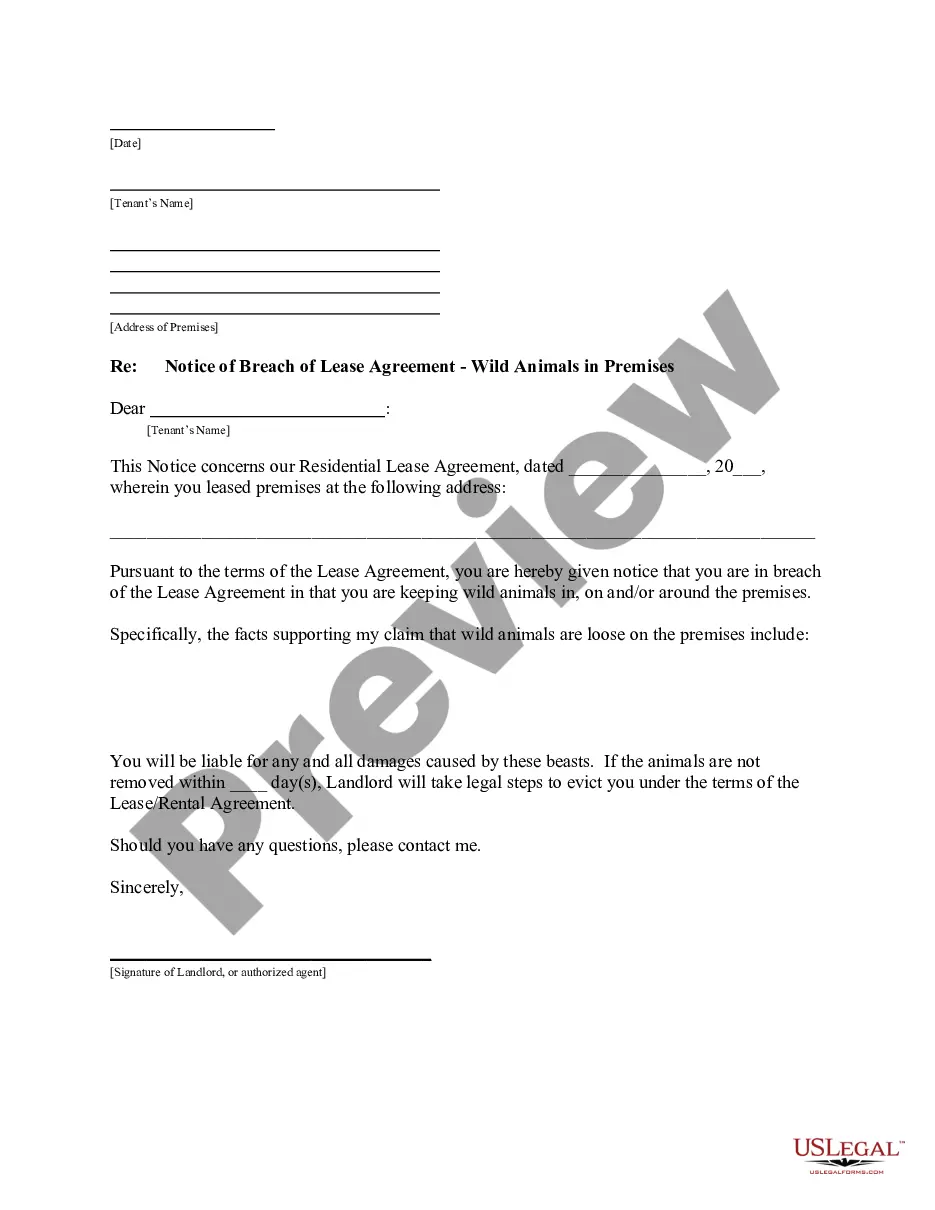
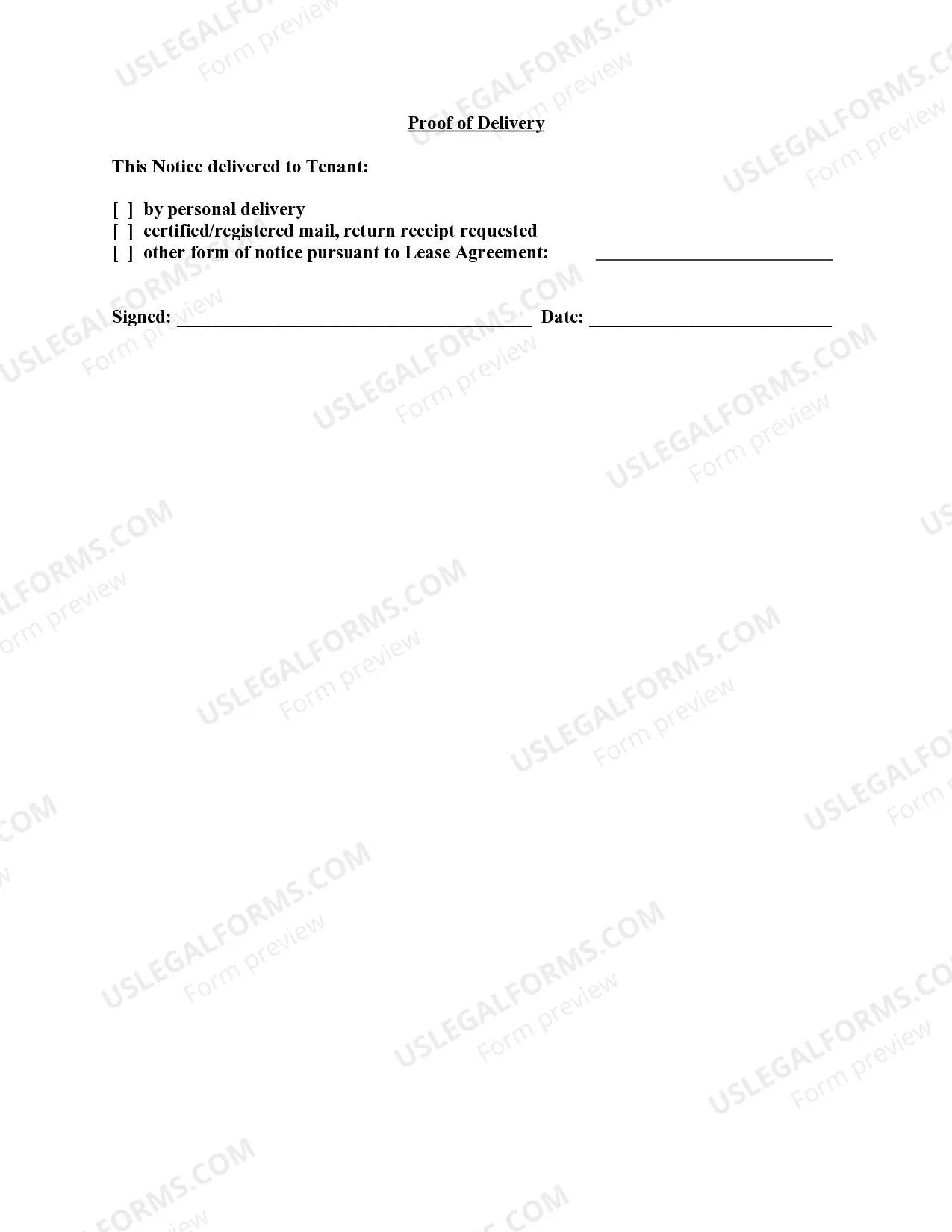
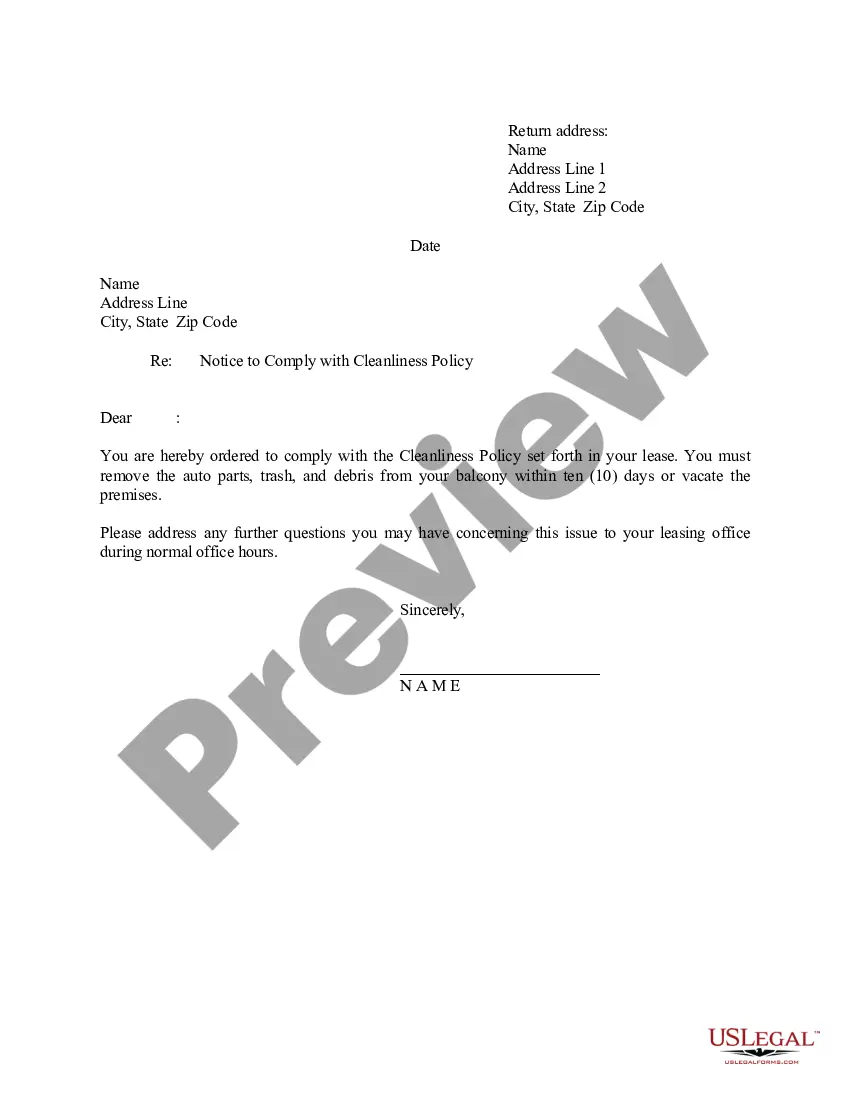
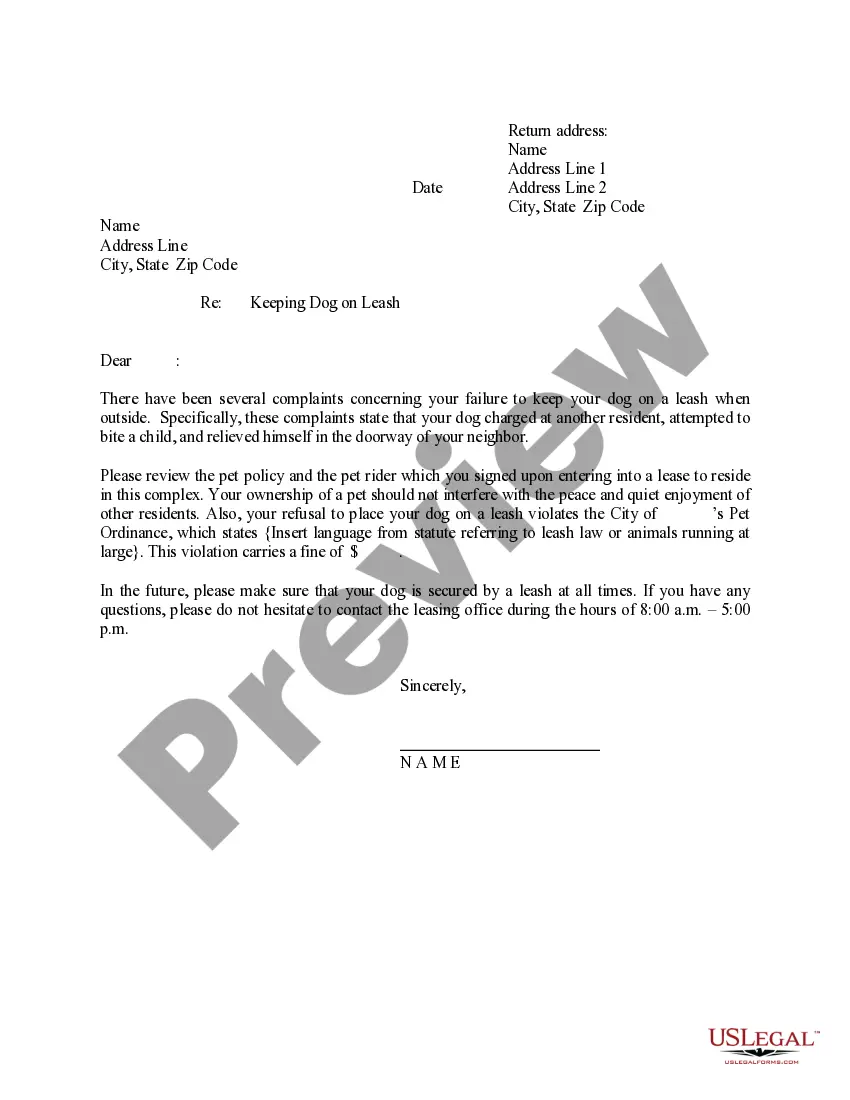
Notice From Landlord To Tenant
Description

Get your form ready online
Our built-in tools help you complete, sign, share, and store your documents in one place.
Make edits, fill in missing information, and update formatting in US Legal Forms—just like you would in MS Word.
Download a copy, print it, send it by email, or mail it via USPS—whatever works best for your next step.
Sign and collect signatures with our SignNow integration. Send to multiple recipients, set reminders, and more. Go Premium to unlock E-Sign.
If this form requires notarization, complete it online through a secure video call—no need to meet a notary in person or wait for an appointment.
We protect your documents and personal data by following strict security and privacy standards.

Make edits, fill in missing information, and update formatting in US Legal Forms—just like you would in MS Word.

Download a copy, print it, send it by email, or mail it via USPS—whatever works best for your next step.

Sign and collect signatures with our SignNow integration. Send to multiple recipients, set reminders, and more. Go Premium to unlock E-Sign.

If this form requires notarization, complete it online through a secure video call—no need to meet a notary in person or wait for an appointment.

We protect your documents and personal data by following strict security and privacy standards.
Looking for another form?









How to fill out Minnesota Letter From Landlord To Tenant As Notice To Remove Wild Animals In Premises?
- Log in to your US Legal Forms account if you're already a member or create a new account if it's your first time.
- Browse through the extensive library of legal forms and select 'Notice from landlord to tenant' that matches your requirements.
- Review the details in Preview mode to ensure the selected form meets local jurisdiction standards.
- If needed, utilize the Search tab to find alternative templates for more specific needs.
- Choose your subscription plan and click the 'Buy Now' button to continue.
- Enter your payment information to finalize the purchase.
- Download the completed form directly to your device for easy access and editing later.
Using US Legal Forms not only simplifies the document creation process but also offers users a wealth of resources, including over 85,000 customizable legal forms.
Start protecting your rights and simplifying your legal processes today by visiting US Legal Forms and exploring their vast library of documents!
Form popularity
FAQ
When writing a letter to your landlord to communicate your move-out plans, begin with a polite greeting. It's effective to say, 'Dear Landlord's Name, I am writing to inform you of my decision to move out of Property Address as of Date. Thank you for your assistance throughout my tenancy.' Crafting a clear and respectful message helps maintain a good rapport.
In a notice letter to your landlord, it’s important to specify the reason for your move and provide your planned move-out date. For example, 'Dear Landlord's Name, I am writing to inform you that I will vacate Property Address by Date due to reason. I appreciate your understanding and support during this time.' This gives clarity and ensures proper communication.
In writing a letter to your landlord to vacate, start with a formal greeting and state your intent clearly. You could write, 'Dear Landlord's Name, I am writing to notify you of my intent to vacate Property Address by Date. I appreciate our time working together and will ensure a smooth transition.' This format keeps everything straightforward and respectful.
When writing a notice letter to your tenant, begin with a clear subject line, and date the letter. The content should include 'Dear Tenant's Name, this letter is to formally notify you to vacate by Date.' Be sure to specify the reasons for the notice and provide contact details for any questions. Using a professional tone helps maintain a positive relationship.
You can politely ask a tenant to move out by expressing your needs directly and kindly. Start with, 'Dear Tenant's Name, I hope this message finds you well. I must inform you that I require you to vacate the property due to reason, with a move-out date of Date.' This respectful approach fosters a better understanding of your situation.
A notice from landlord to tenant should clearly state the intent to terminate the lease. For example, you might begin with, 'Dear Tenant's Name, this letter serves as formal notice for you to vacate the premises located at Property Address. Please ensure to move out by Date.' Including basic details ensures clarity and professionalism.
To write a quick notice to a tenant, keep it straightforward and direct. Clearly state the intent and include the necessary details such as the move-out date and reason if applicable. A notice from landlord to tenant should be professional and concise. Utilizing templates from resources like US Legal Forms can help you create effective notices efficiently.
The minimum time a landlord can give a tenant to move out in New Jersey is typically 30 days. This notice from landlord to tenant serves as a formal communication about the end of the lease. In certain circumstances, such as lease violations, the notice period may be different. Familiarize yourself with your lease agreement and local laws to avoid confusion.
In New Jersey, a landlord generally must give a minimum of 30 days' notice to a tenant to move out. This notice from landlord to tenant allows the tenant sufficient time to find a new place to live. If the lease is month-to-month, this rule usually applies. Always ensure you are compliant with local regulations.
Writing a letter from landlord to tenant to vacate requires clarity and professionalism. Begin with the date and the tenant's name, and clearly state the intent to terminate the lease. Include specifics like the notice period and the final move-out date. Using templates available on platforms like US Legal Forms can simplify this process by providing structured guidance.