Transfer Death Deed Beneficiary With Estate
Description
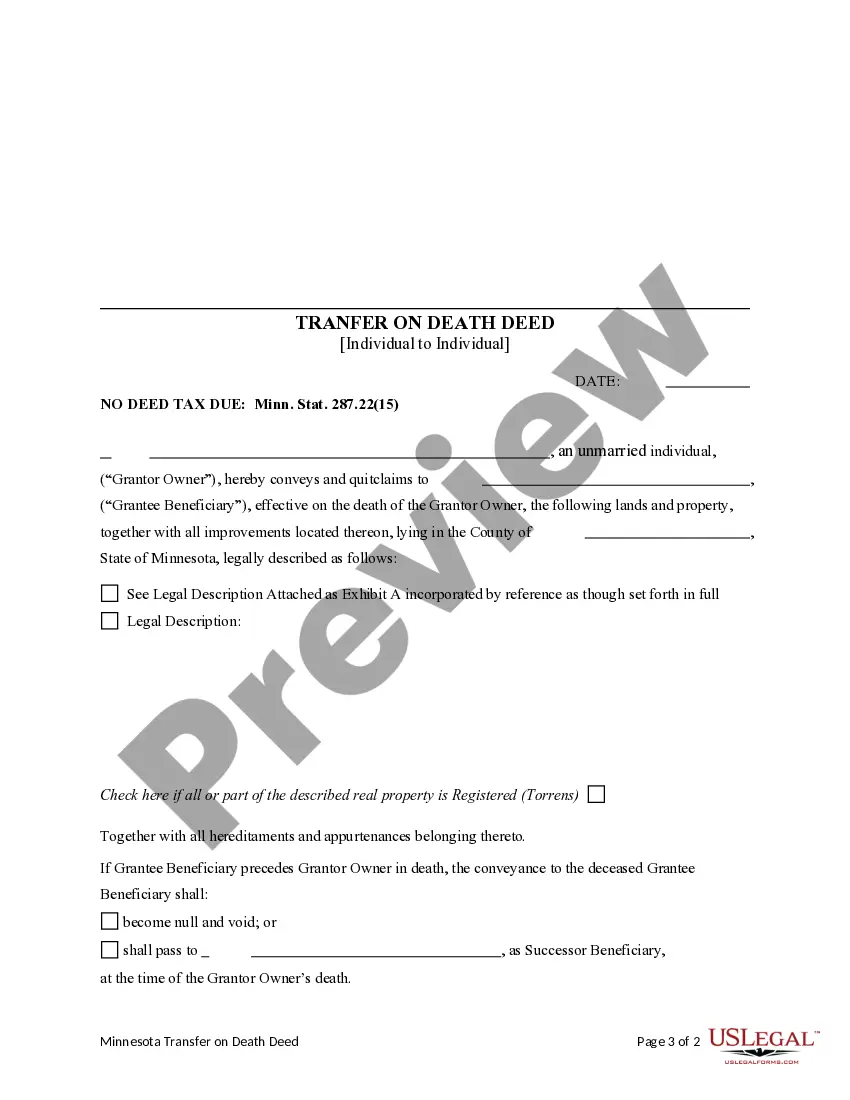
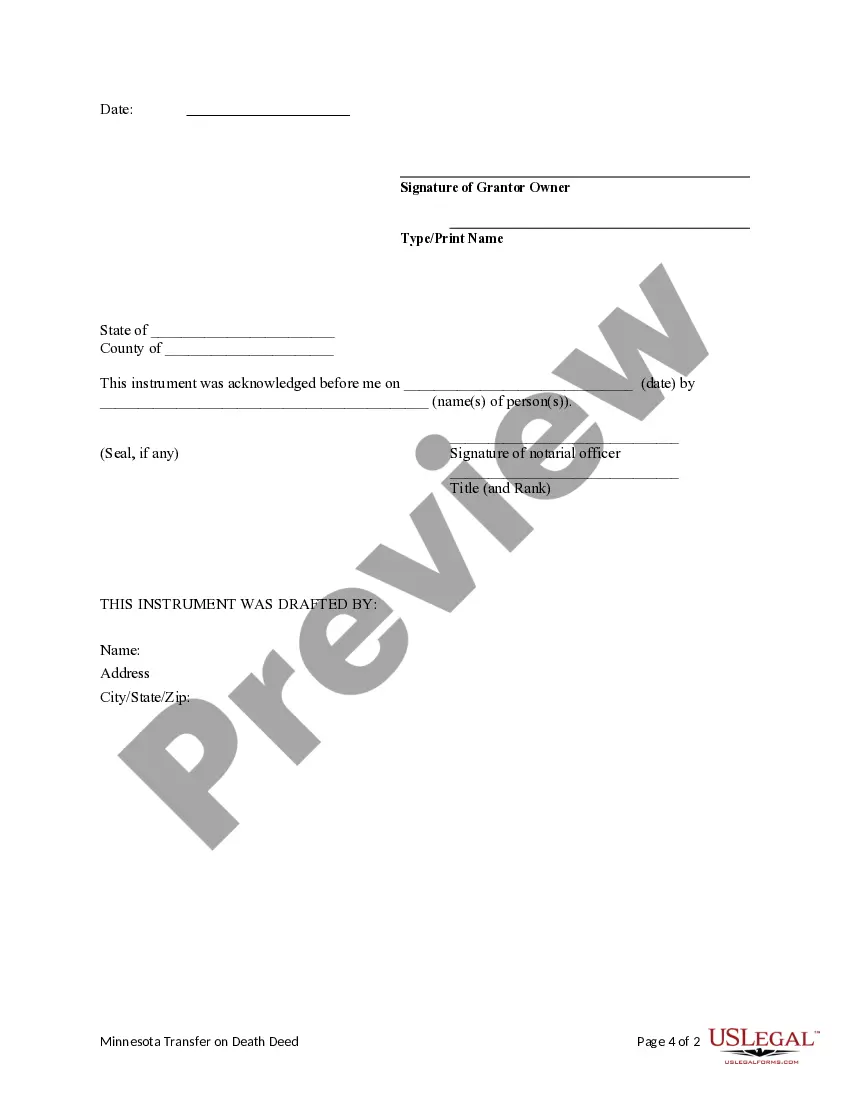

Get your form ready online
Our built-in tools help you complete, sign, share, and store your documents in one place.
Make edits, fill in missing information, and update formatting in US Legal Forms—just like you would in MS Word.
Download a copy, print it, send it by email, or mail it via USPS—whatever works best for your next step.
Sign and collect signatures with our SignNow integration. Send to multiple recipients, set reminders, and more. Go Premium to unlock E-Sign.
If this form requires notarization, complete it online through a secure video call—no need to meet a notary in person or wait for an appointment.
We protect your documents and personal data by following strict security and privacy standards.

Make edits, fill in missing information, and update formatting in US Legal Forms—just like you would in MS Word.

Download a copy, print it, send it by email, or mail it via USPS—whatever works best for your next step.

Sign and collect signatures with our SignNow integration. Send to multiple recipients, set reminders, and more. Go Premium to unlock E-Sign.

If this form requires notarization, complete it online through a secure video call—no need to meet a notary in person or wait for an appointment.

We protect your documents and personal data by following strict security and privacy standards.
Looking for another form?
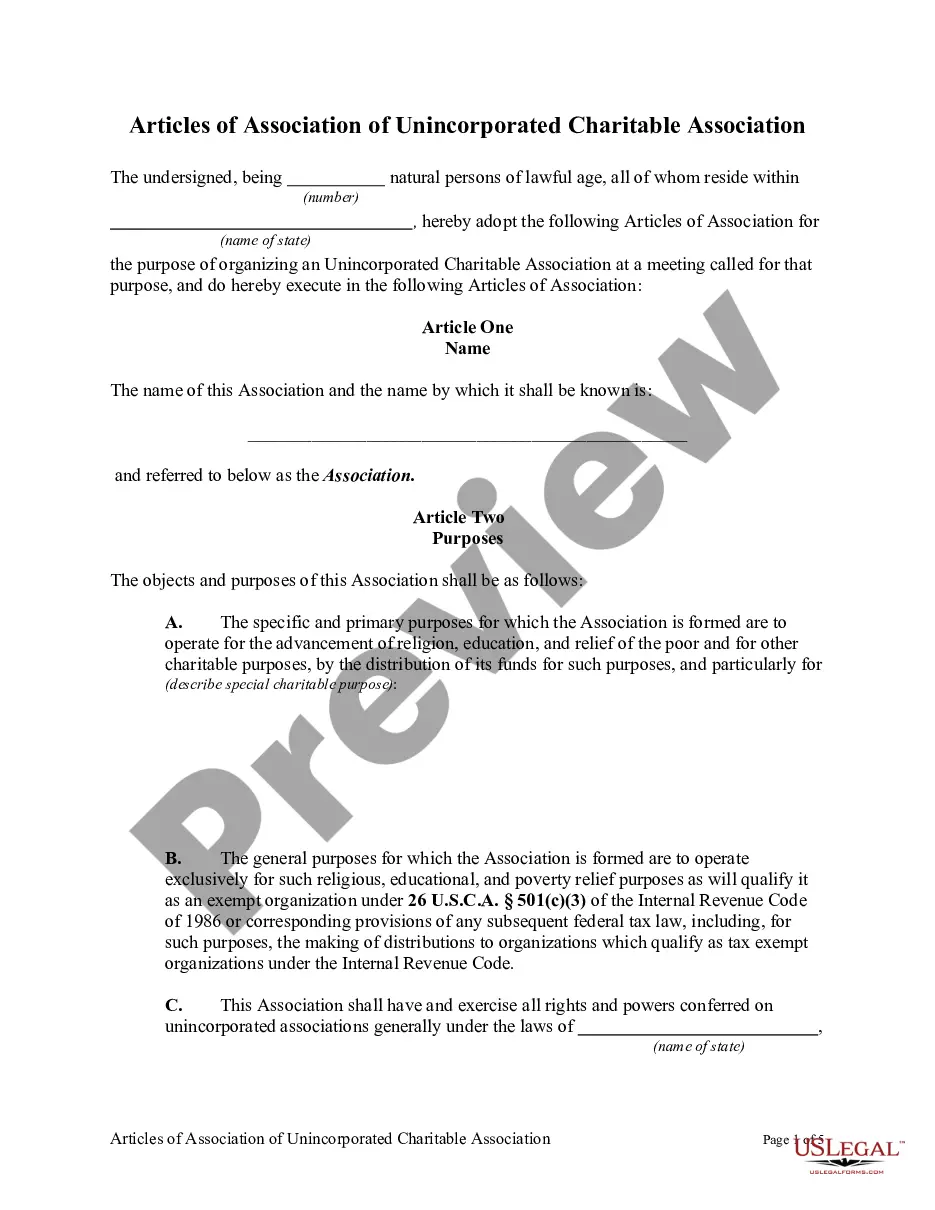





How to fill out Minnesota Transfer On Death Deed - Individual To Individual?
- If you are a returning user, log in to your account, verify your subscription status, and download the required form template by clicking the Download button.
- For first-time users, begin by checking the Preview mode for form descriptions to ensure you've selected the correct document that fits your jurisdiction's requirements.
- If any discrepancies exist, use the Search tab to find another suitable template that meets your needs.
- Purchase the document by clicking on the Buy Now button, selecting your preferred subscription plan, and registering an account to access the legal library.
- Complete your purchase by entering your credit card details or utilizing your PayPal account for payment.
- Download your form and save it to your device. You can access it anytime through the My Forms menu in your profile.
US Legal Forms stands out by offering an extensive library with over 85,000 fillable legal forms, ensuring users can find precisely what they need. Additionally, users can gain access to premium experts who can assist in completing their forms accurately and efficiently.
In conclusion, using US Legal Forms for transferring death deed beneficiaries with estate assets can save you both time and hassle. Get started today and ensure your legal documentation is handled accurately!
Form popularity
FAQ
While a transfer on death deed has advantages, it also comes with drawbacks. One major concern is the potential impact on eligibility for government benefits, as the property still counts as an asset. Additionally, complications may arise if the beneficiary is unable to or unwilling to manage the property after the transfer. It's essential to weigh these factors when considering transfer death deed beneficiary with estate options.
Transferring a deed after probate involves several steps. First, you must obtain the court's approval to handle the deceased's assets. Once you have the necessary documents, you can execute a new deed that names the beneficiaries as the owners. Utilizing the transfer death deed beneficiary with estate approach can simplify this process in some cases.
A transfer on death (TOD) account is not treated as an inheritance. When a beneficiary receives a TOD account, they obtain the assets directly upon the account holder's death. This process differs from traditional inheritance because the assets bypass probate. Thus, the transfer death deed beneficiary with estate benefits from a more straightforward transfer.
The timeline for transferring a deed after death typically aligns with the probate process, often allowing for up to six months or longer based on circumstances. However, for those who wish to expedite the transfer, leveraging the 'Transfer death deed beneficiary with estate' can provide a more efficient solution. Utilizing platforms like uslegalforms can also facilitate this process, helping you navigate the legal requirements easily.
A mortgage can remain in a deceased person's name while the estate is settled, but the debt must be managed. Generally, lenders expect some form of payment or arrangements within a few months after the death. If you want to avoid complications, addressing the mortgage promptly by utilizing the 'Transfer death deed beneficiary with estate' approach is a wise choice.
Transferring property after death can vary in time, influenced by the estate's complexity and local regulations. Typically, if the property involves probate, this could take six months to over a year. However, if you choose to 'Transfer death deed beneficiary with estate', it can significantly reduce this timeframe, ensuring beneficiaries receive their inheritance sooner.
A home can remain in a deceased person's name for a limited time, depending on state laws and whether an estate is opened. Generally, if the estate goes through probate, it may take several months to a year to transfer the property to the designated beneficiaries. To expedite this process, consider using the 'Transfer death deed beneficiary with estate' method, which allows for a smoother and quicker transition.
A transfer on death deed is not the same as a life estate. A life estate allows a person to live in or use the property during their lifetime, while a transfer on death deed allows the property to pass directly to a beneficiary upon the owner's death. Understanding these distinctions can help you effectively navigate your estate planning options, especially when considering a transfer death deed beneficiary with estate.
Transferring a deed to someone who has passed away is not possible because that person can no longer hold title to the property. Instead, it is vital to transfer the property correctly through the estate. Using a transfer death deed beneficiary with estate can streamline the process and ensure that property ownership is transferred to the rightful heirs.
Many states in the U.S. allow transfers on death deeds. These states enable property owners to name beneficiaries who will automatically receive the property upon the owner's death. Checking local laws is essential, as this aspect of estate planning can significantly impact how a transfer death deed beneficiary with estate is executed.