Minnesota Transfer Death Form For Residents
Description
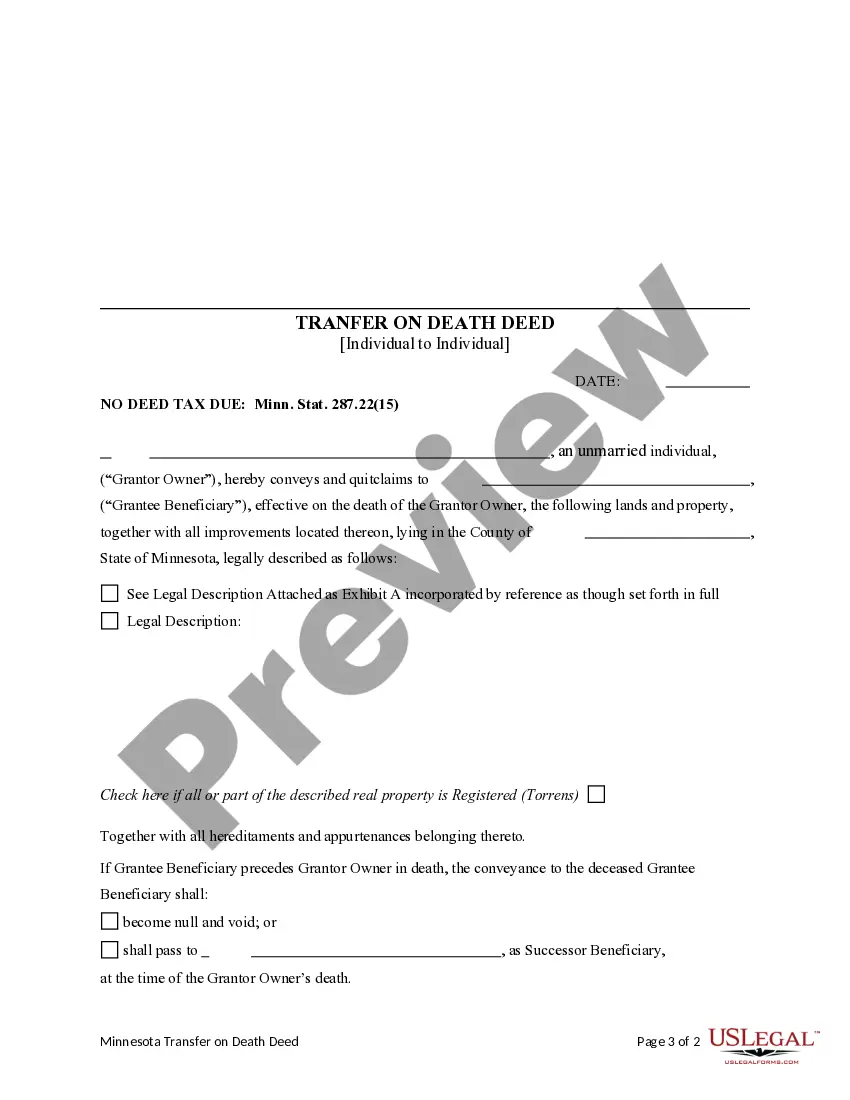
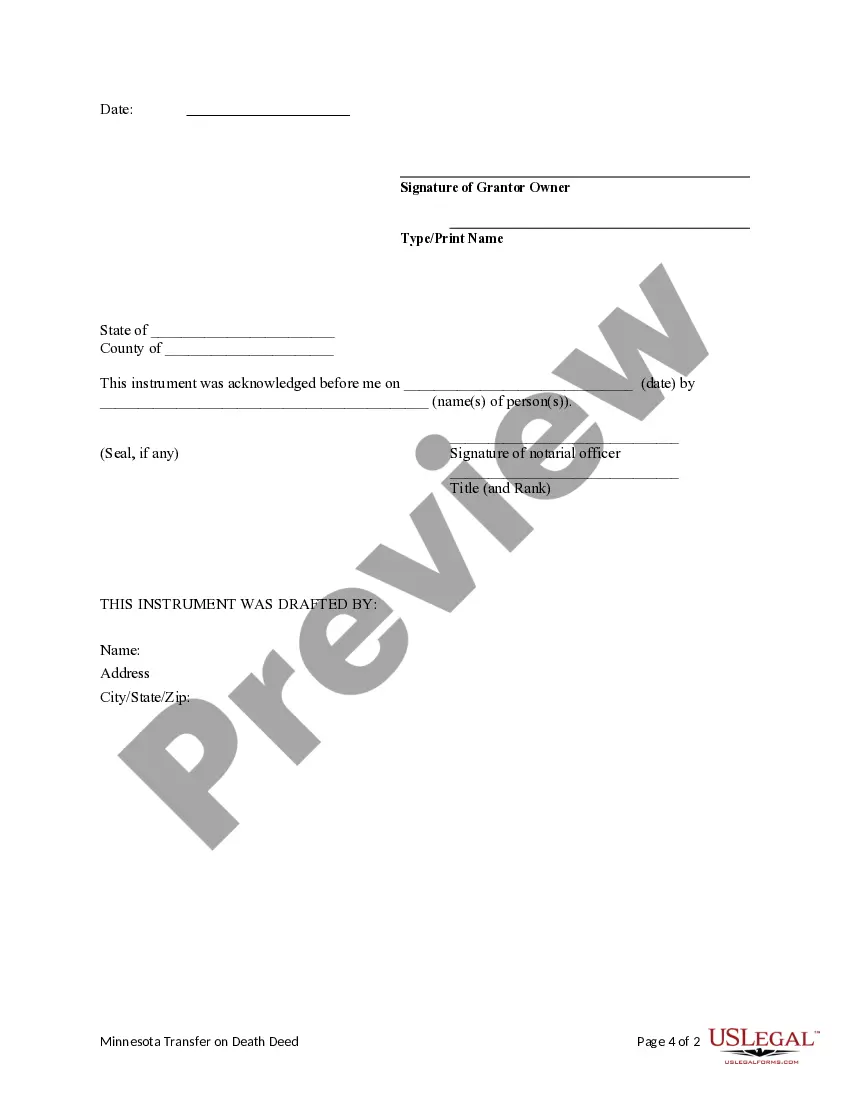

Get your form ready online
Our built-in tools help you complete, sign, share, and store your documents in one place.
Make edits, fill in missing information, and update formatting in US Legal Forms—just like you would in MS Word.
Download a copy, print it, send it by email, or mail it via USPS—whatever works best for your next step.
Sign and collect signatures with our SignNow integration. Send to multiple recipients, set reminders, and more. Go Premium to unlock E-Sign.
If this form requires notarization, complete it online through a secure video call—no need to meet a notary in person or wait for an appointment.
We protect your documents and personal data by following strict security and privacy standards.

Make edits, fill in missing information, and update formatting in US Legal Forms—just like you would in MS Word.

Download a copy, print it, send it by email, or mail it via USPS—whatever works best for your next step.

Sign and collect signatures with our SignNow integration. Send to multiple recipients, set reminders, and more. Go Premium to unlock E-Sign.

If this form requires notarization, complete it online through a secure video call—no need to meet a notary in person or wait for an appointment.

We protect your documents and personal data by following strict security and privacy standards.
Looking for another form?




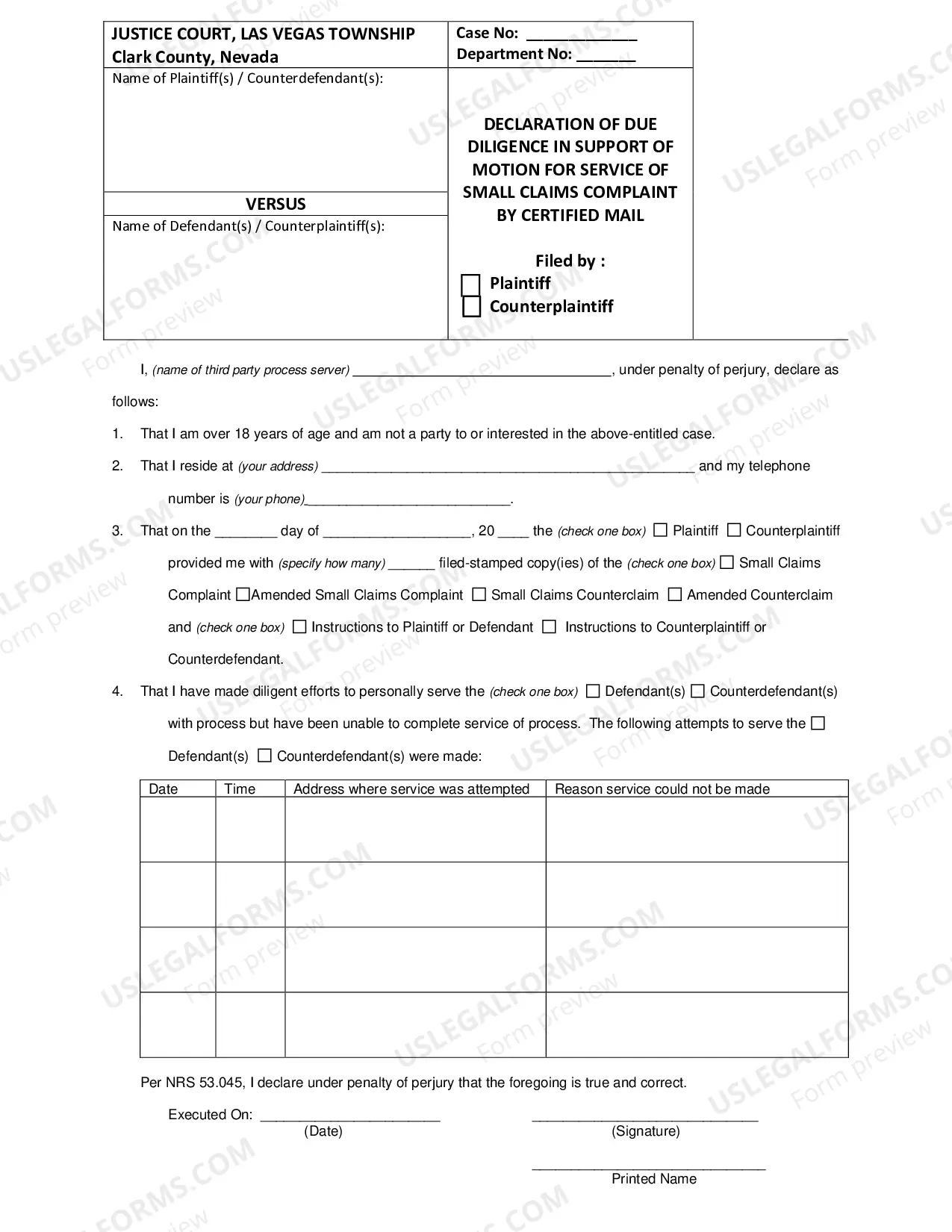


How to fill out Minnesota Transfer On Death Deed - Individual To Individual?
The Minnesota Transfer Death Document For Residents you encounter on this page is a reusable legal template crafted by experienced attorneys in compliance with federal and state laws.
For over 25 years, US Legal Forms has supplied individuals, organizations, and lawyers with more than 85,000 validated, state-specific documents for any business and personal scenario. It’s the fastest, simplest, and most reliable method to acquire the paperwork you require, as the service assures the utmost level of data privacy and anti-malware safeguards.
Subscribe to US Legal Forms to have confirmed legal templates for all of life’s events at your fingertips.
- Search for the document you require and verify it. Browse through the file you searched and preview it or examine the form description to confirm it meets your needs. If it does not, use the search feature to locate the suitable one. Click Buy Now once you have identified the template you need.
- Subscribe and Log In. Select the pricing plan that works for you and set up an account. Use PayPal or a credit card for a swift transaction. If you already possess an account, Log In and review your subscription to continue.
- Obtain the fillable template. Choose the format you desire for your Minnesota Transfer Death Document For Residents (PDF, DOCX, RTF) and download the example to your device.
- Complete and sign the document. Print the template to fill it out by hand. Alternatively, utilize an online versatile PDF editor to quickly and accurately complete and sign your form with a legally-binding electronic signature.
- Download your documents one more time. Use the same document again whenever necessary. Access the My documents section in your profile to re-download any previously downloaded documents.
Form popularity
FAQ
A transfer on death deed can be a useful addition to your estate plan, but it may not address other concerns, like minimizing estate tax or creditor protection, for which you need a trust. In addition to a will or trust, you can also transfer property by making someone else a joint owner, or using a life estate deed.
An Affidavit of Survivorship is a legal document used in Minnesota to transfer the ownership of real estate from one party to another when one of the parties has died. It is typically used by the heirs of a deceased party to transfer the deceased's ownership interest in real estate to the surviving owner.
A motor vehicle is registered in transfer-on-death form by designating on the certificate of title the name of the owner and the names of joint owners with identification of rights of survivorship, followed by the words ?transfer-on-death to (name of beneficiary or beneficiaries).? The designation ?TOD? may be used ...
Disadvantages of a Transfer on Death Deed For example, your property will be subject to probate court if your beneficiary predeceases you and you lack an alternate estate plan. Another disadvantage is if you co-own property under a joint tenancy.
Yes, Minnesota has a law that lets you transfer the title to real estate when you die to avoid probate. It is an estate planning tool called a Transfer on Death Deed (TODD). It is like the "payable on death" (POD) designation on a bank account.