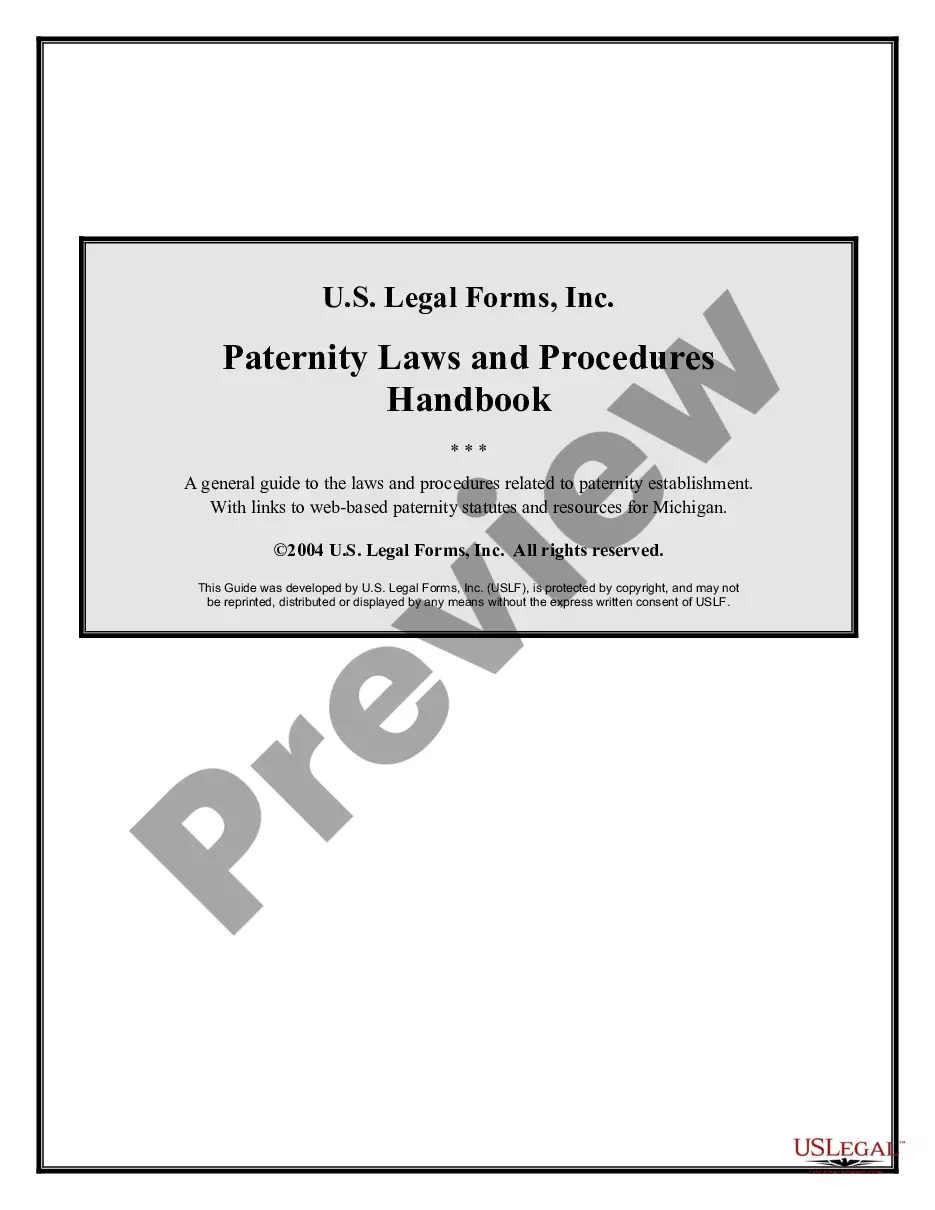
Paternity Laws In Michigan
Description

Get your form ready online
Our built-in tools help you complete, sign, share, and store your documents in one place.
Make edits, fill in missing information, and update formatting in US Legal Forms—just like you would in MS Word.
Download a copy, print it, send it by email, or mail it via USPS—whatever works best for your next step.
Sign and collect signatures with our SignNow integration. Send to multiple recipients, set reminders, and more. Go Premium to unlock E-Sign.
If this form requires notarization, complete it online through a secure video call—no need to meet a notary in person or wait for an appointment.
We protect your documents and personal data by following strict security and privacy standards.

Make edits, fill in missing information, and update formatting in US Legal Forms—just like you would in MS Word.

Download a copy, print it, send it by email, or mail it via USPS—whatever works best for your next step.

Sign and collect signatures with our SignNow integration. Send to multiple recipients, set reminders, and more. Go Premium to unlock E-Sign.

If this form requires notarization, complete it online through a secure video call—no need to meet a notary in person or wait for an appointment.

We protect your documents and personal data by following strict security and privacy standards.
Looking for another form?









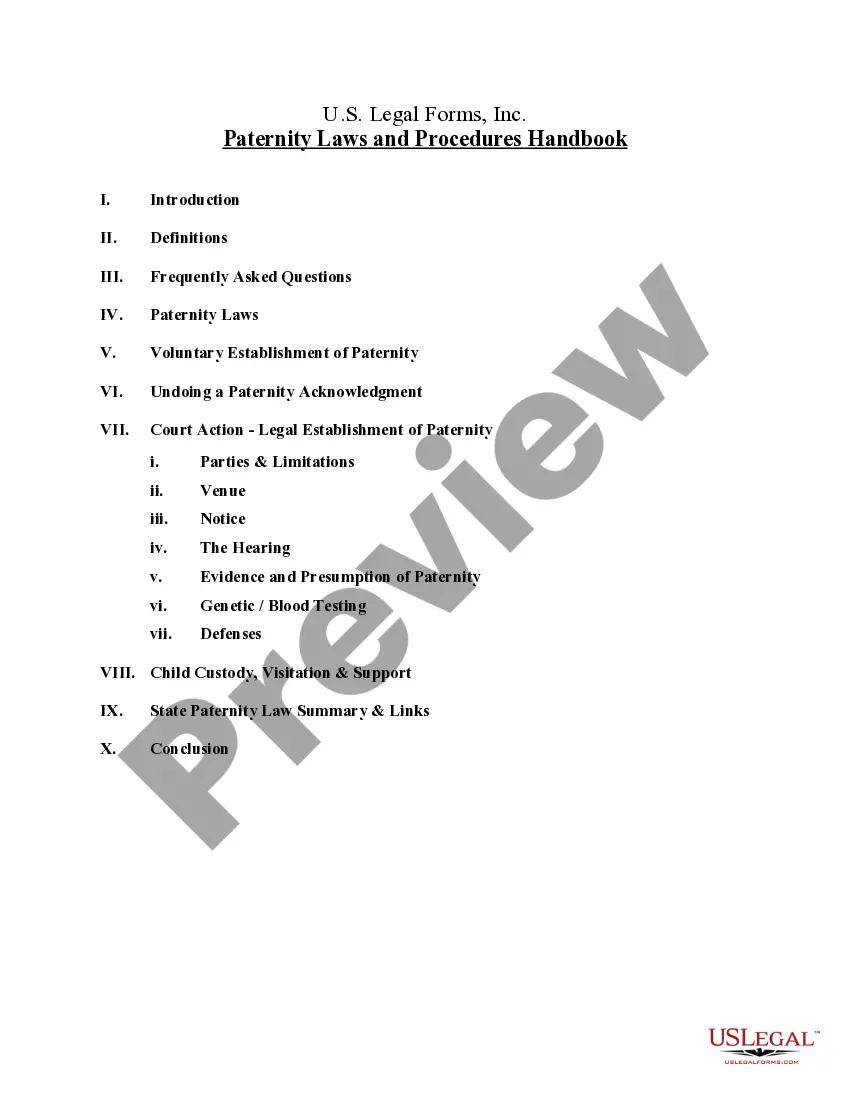
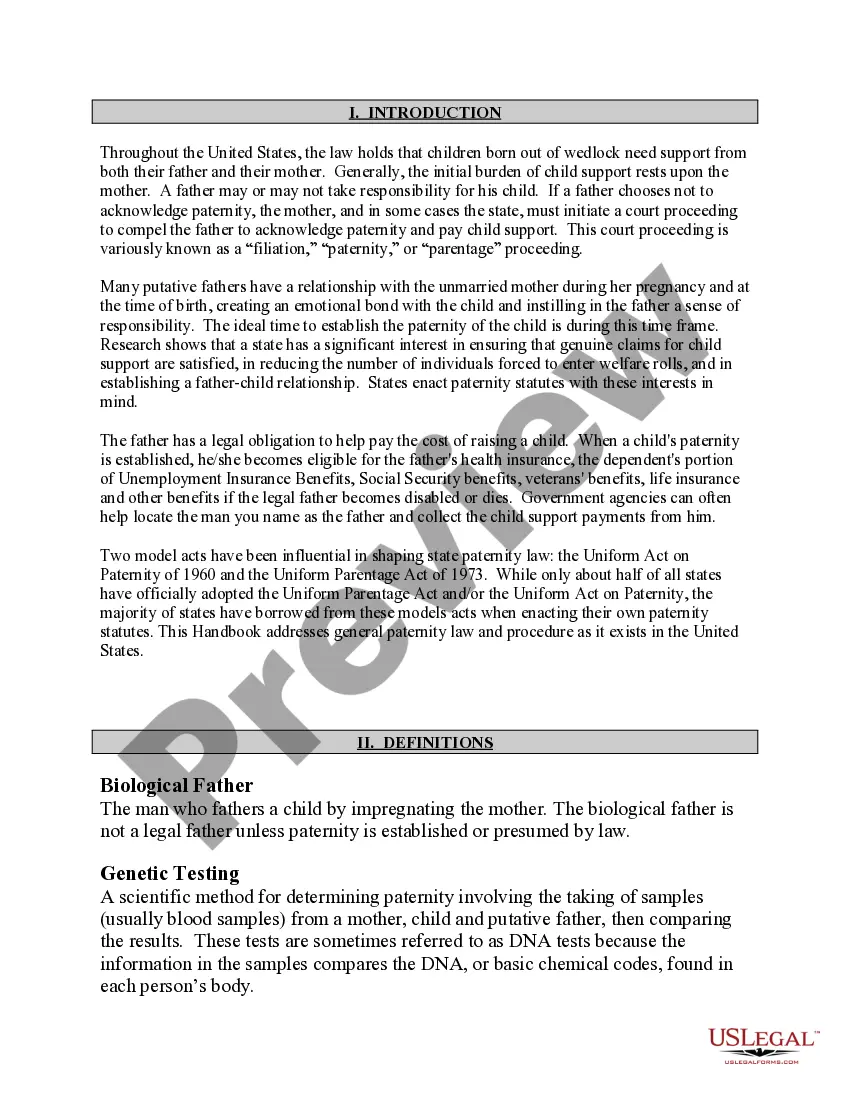
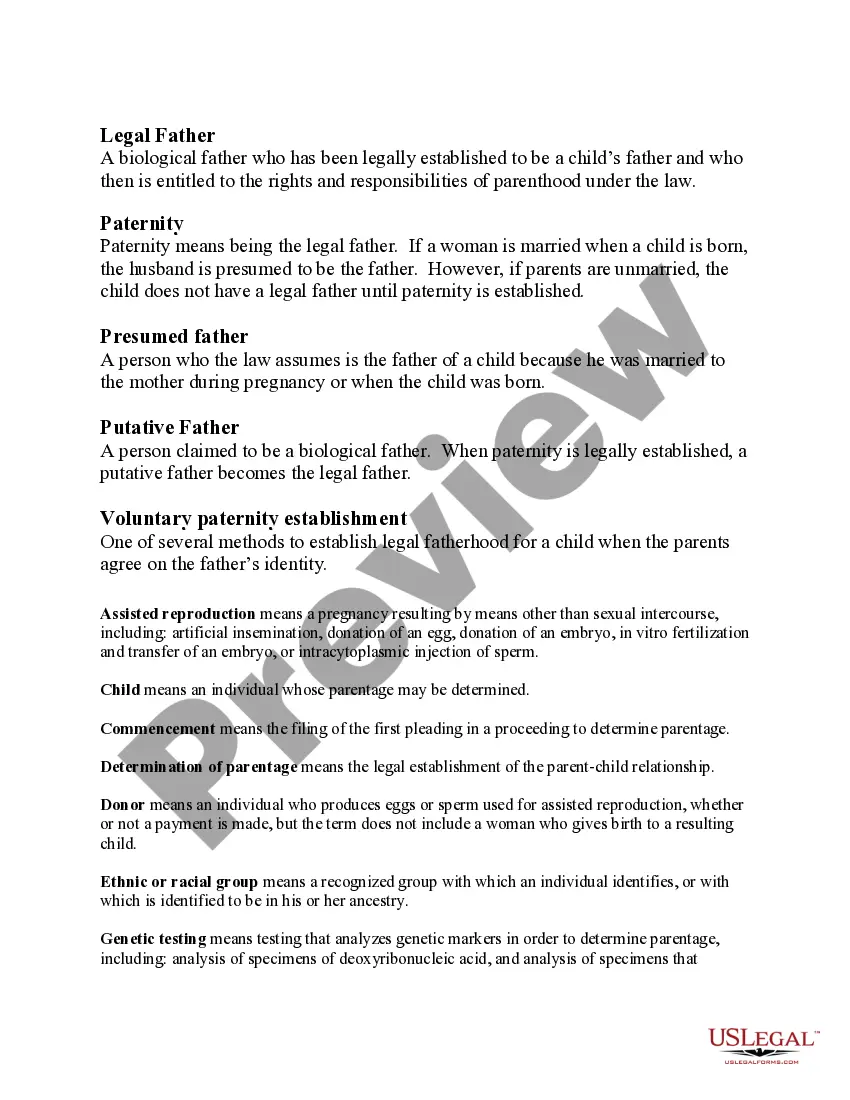
How to fill out Michigan Paternity Law And Procedure Handbook?
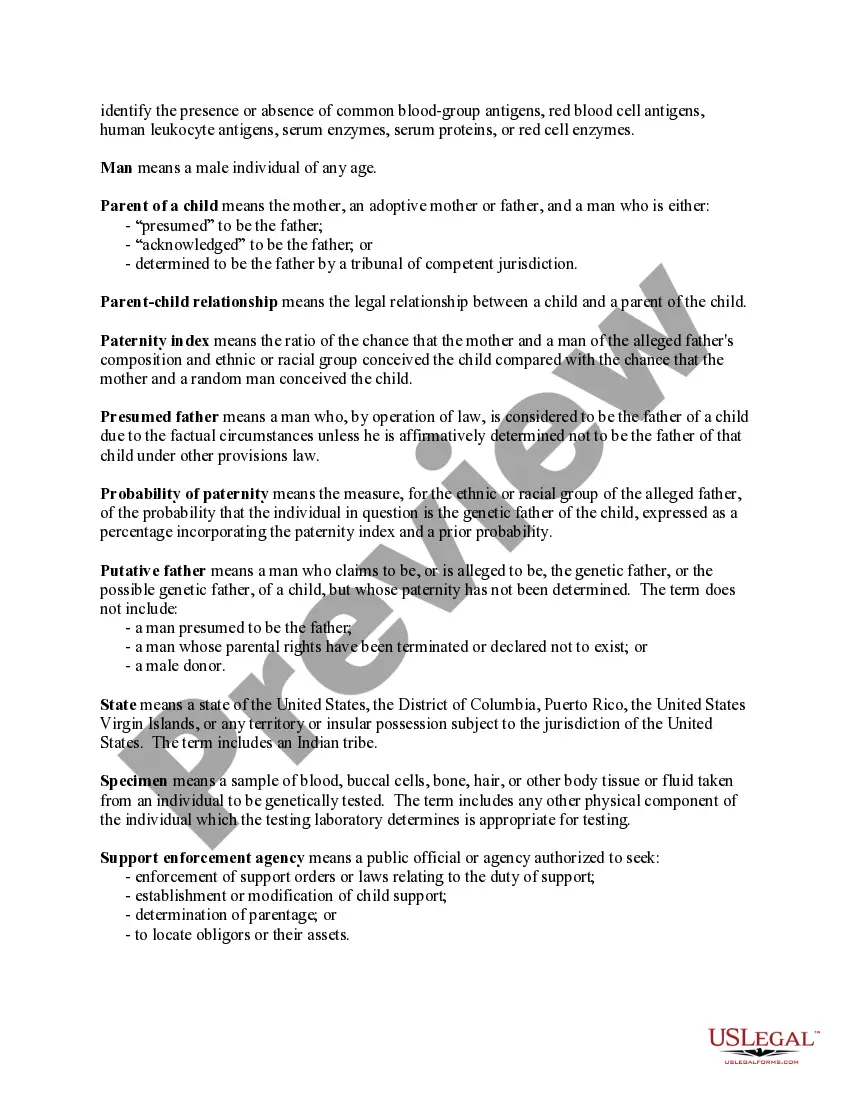
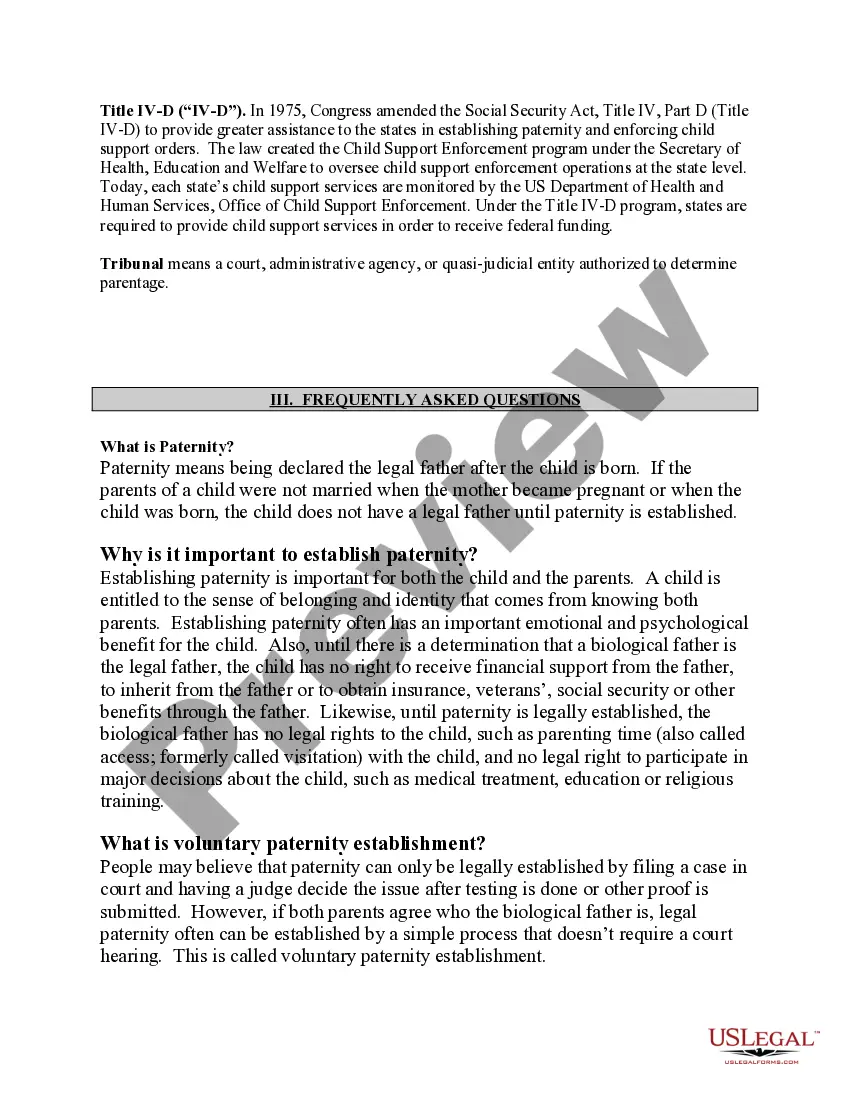
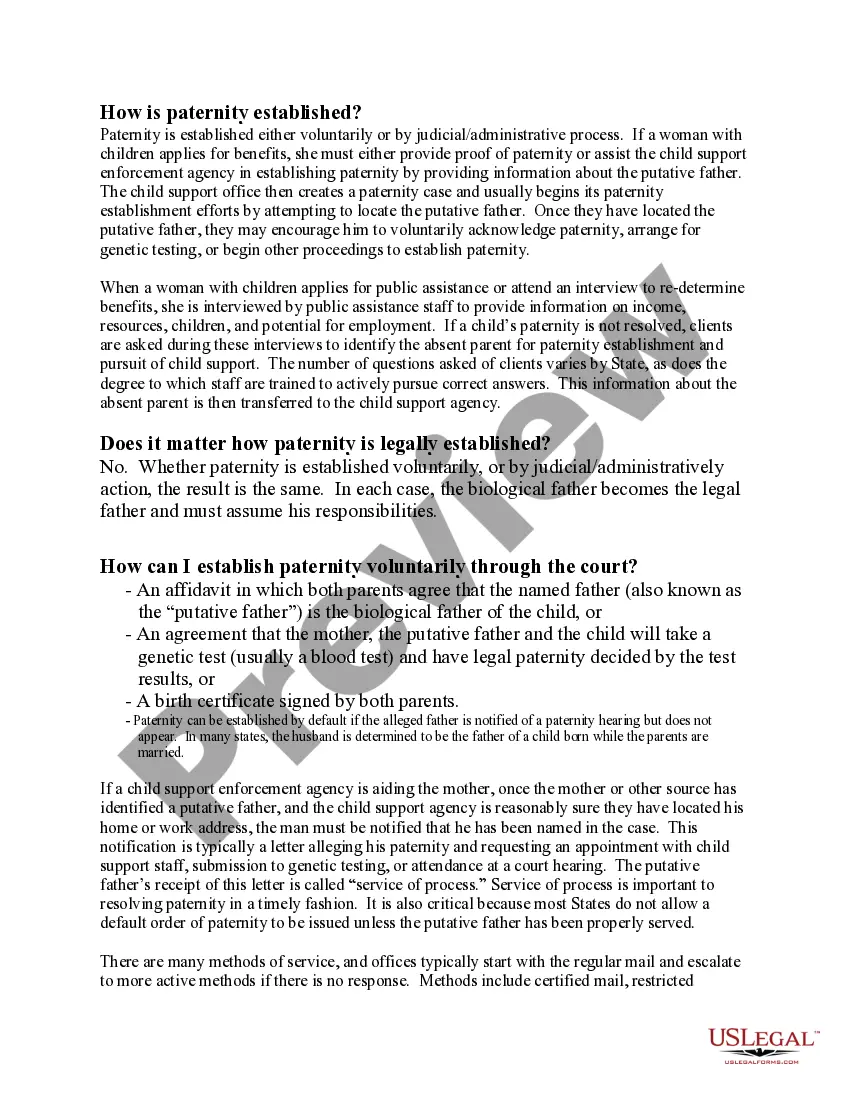
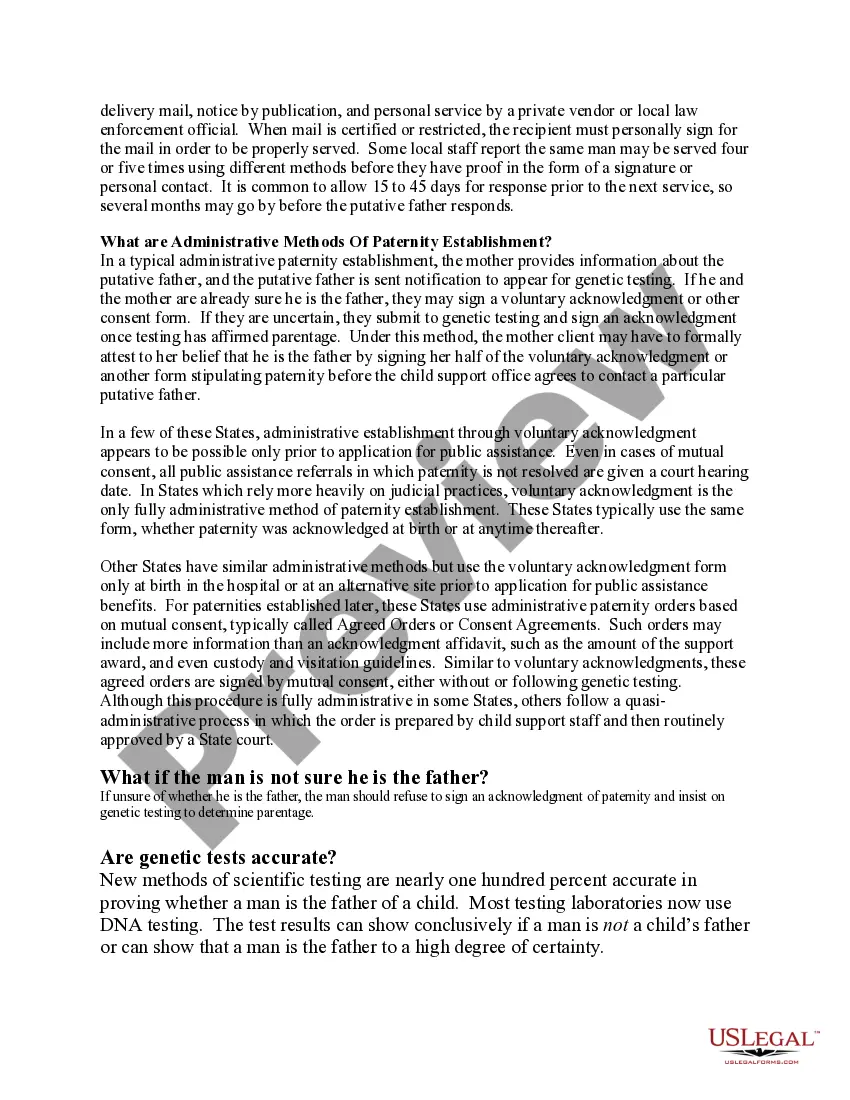
The Paternity Statutes in Michigan displayed on this page is a versatile legal template crafted by qualified attorneys in accordance with federal and state laws.
For over 25 years, US Legal Forms has supplied individuals, companies, and legal practitioners with over 85,000 validated, state-specific documents for any business and personal need. It is the quickest, simplest, and most trustworthy method to acquire the necessary paperwork, as the service assures the utmost level of data protection and anti-malware measures.
Subscribe to US Legal Forms to have verified legal templates for all of life’s circumstances at your fingertips.
- Search for the document you require and examine it.
- Browse through the document you searched and preview it or review the description to ensure it meets your needs. If it doesn’t, utilize the search bar to find the suitable one. Click Buy Now when you have located the template you need.
- Subscribe and Log In.
- Choose the pricing plan that fits you and create an account. Use PayPal or a credit card to execute a swift payment. If you already possess an account, Log In and verify your subscription to proceed.
- Obtain the editable template.
- Select the format you desire for your Paternity Statutes in Michigan (PDF, DOCX, RTF) and download the sample to your device.
- Complete and sign the documents.
- Print the template to fill it out manually. Alternatively, use an online multifunctional PDF editor to quickly and accurately fill out and sign your document electronically.
- Download your documents once again.
- Utilize the same document again whenever required. Access the My documents tab in your profile to redownload any previously retrieved documents.
Form popularity
FAQ
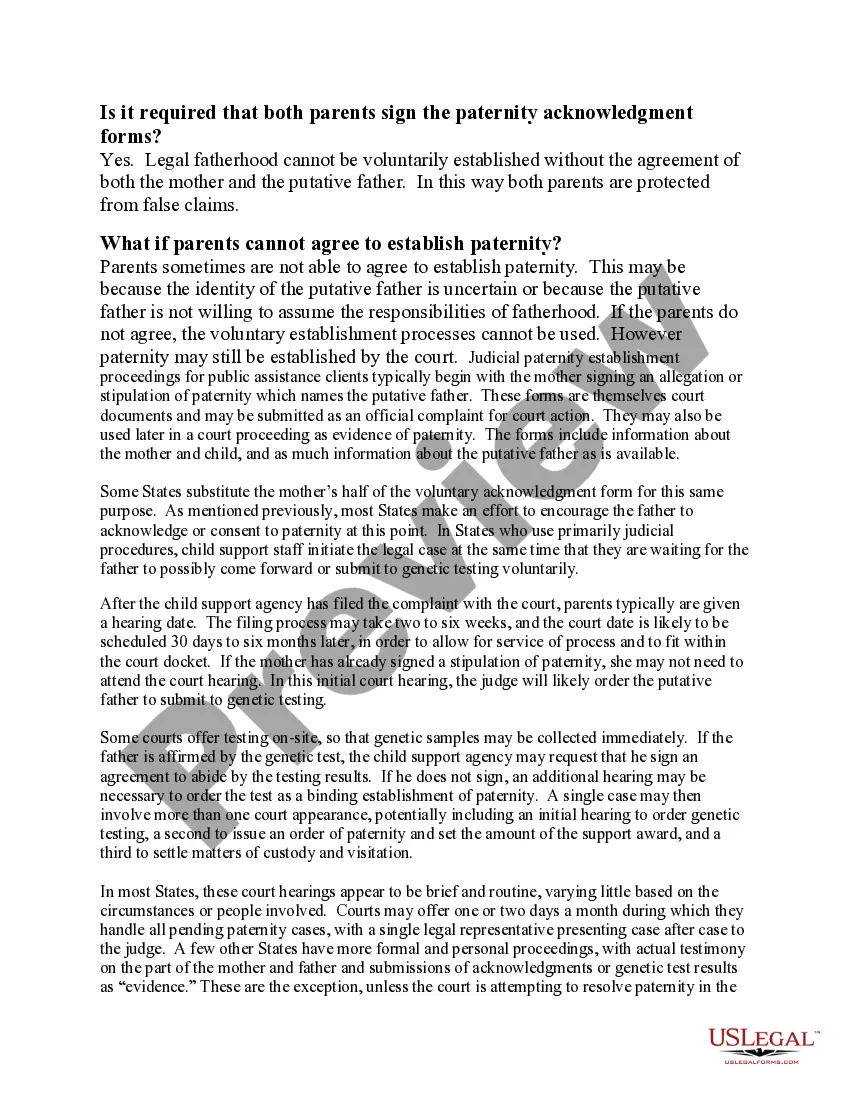
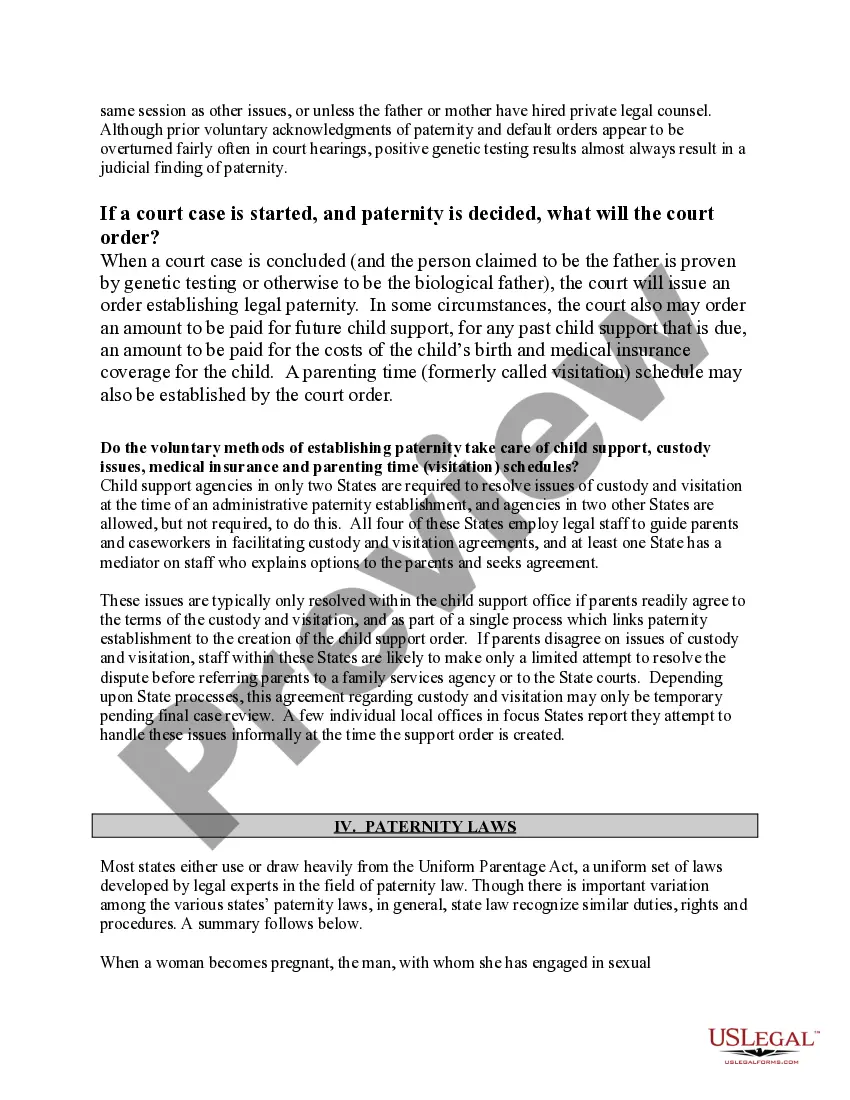
In Michigan the statute of limitations for bringing a paternity suit is when the child reaches the age of 18. In Missouri, a paternity action relating to a child who has no presumed father, i.e. the husband of the mother at the time the child was born, is eighteen years after the birth of the child.
The birth certificate is the record of the child's birth and is usually created at the hospital when the baby is born. It is not used to establish paternity. If the mother is married when she becomes pregnant or when the baby is born, her husband's name will be put on the birth certificate as the child's father.
Acknowledgment of paternity is the voluntary process of both parents signing a notarized Affidavit of Parentage (AOP), legally declaring the paternity of a child. The AOP is the Michigan Department of Community Health (MDCH) form DCH-0682 (see Appendix A). A completed AOP sample form is also attached (see Appendix B).
(2) If the child's mother was not married at the time of conception or birth, the name of the father shall not be entered on the certificate of birth without the written consent of the mother and without the completion, and filing with the state registrar, of an acknowledgment of parentage by the mother and the ...
(2) If a child has a presumed father, a court may determine that the child is born out of wedlock for the purpose of establishing the child's paternity if an action is filed by the presumed father within 3 years after the child's birth or if the presumed father raises the issue in an action for divorce or separate ...