Michigan Disclosure Statement With Pld
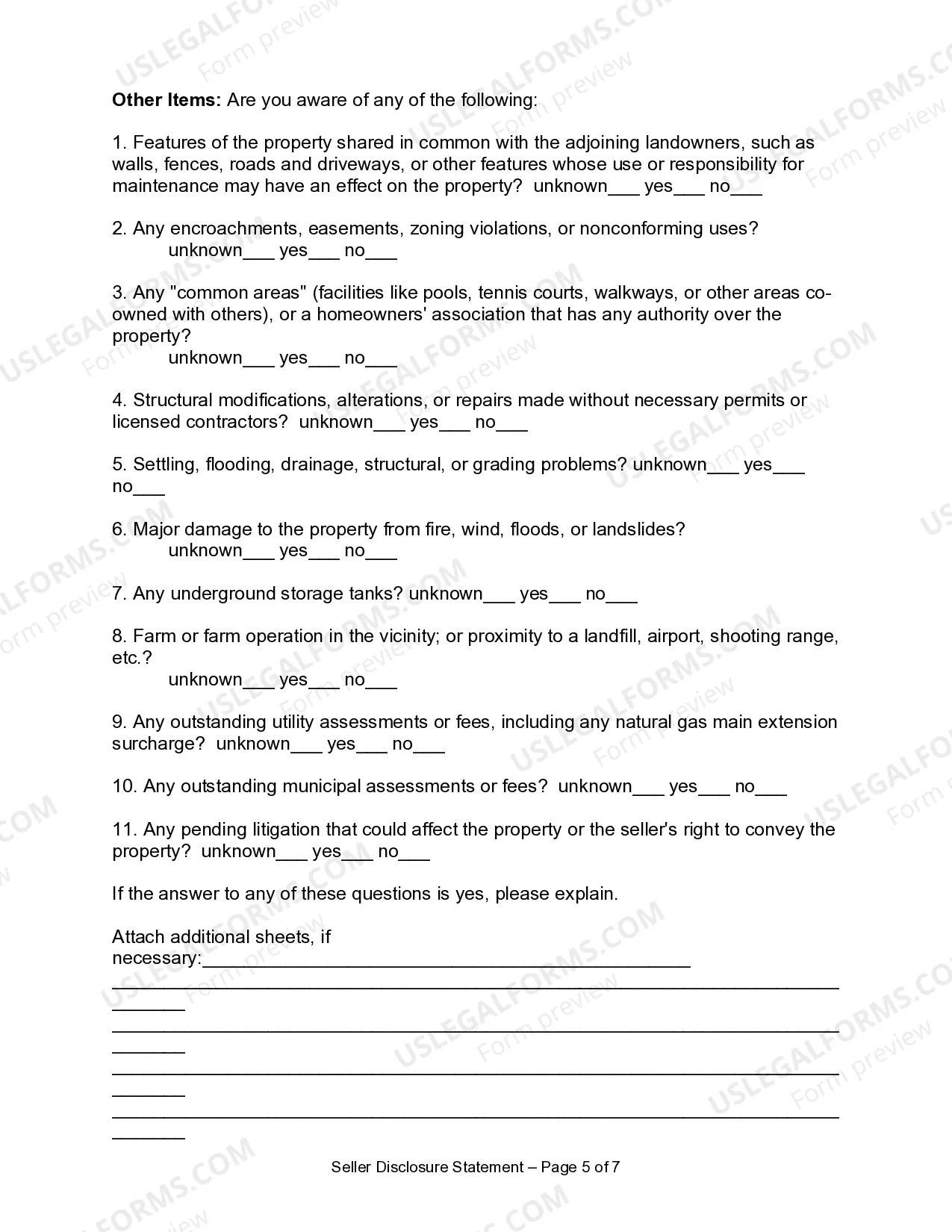
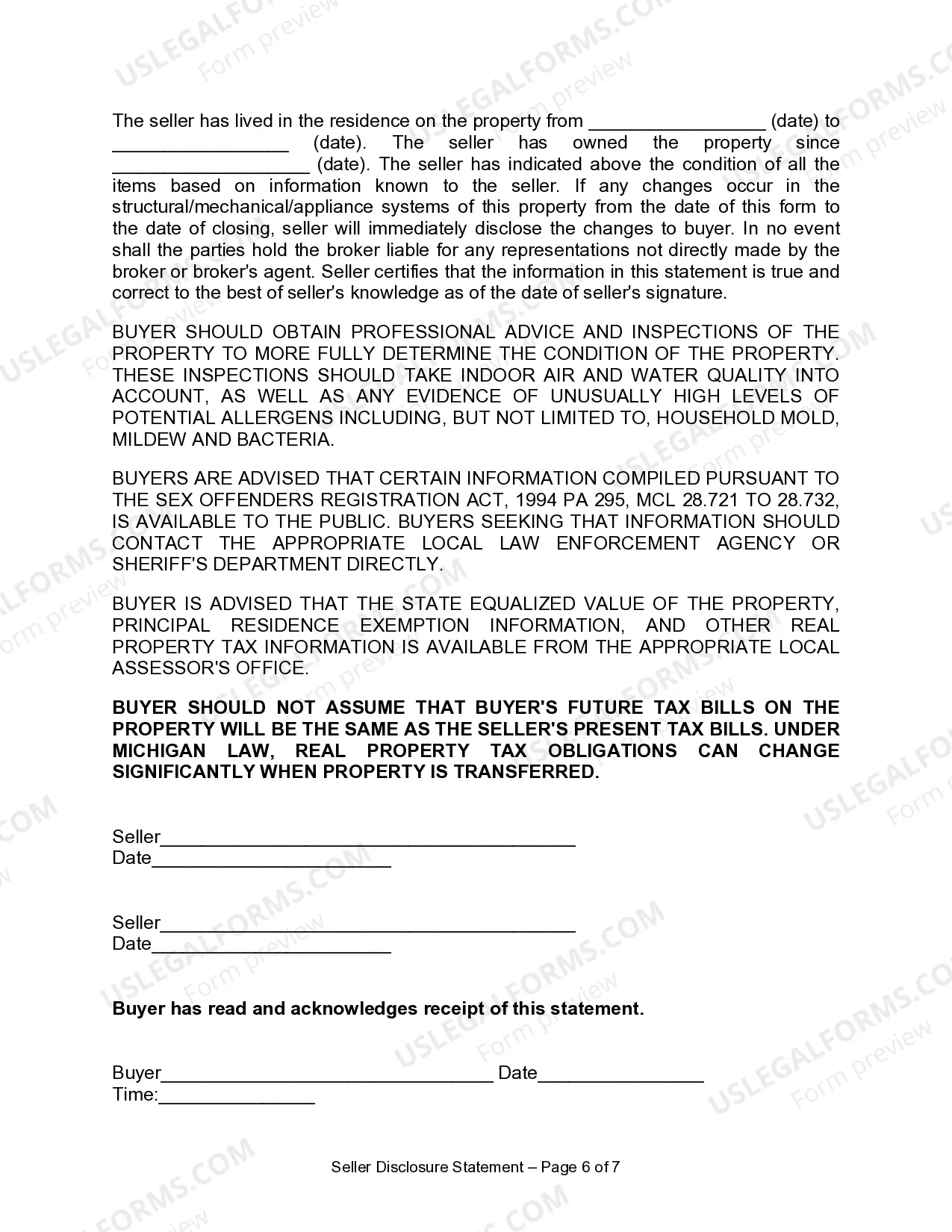
Description
Get your form ready online
Our built-in tools help you complete, sign, share, and store your documents in one place.
Make edits, fill in missing information, and update formatting in US Legal Forms—just like you would in MS Word.
Download a copy, print it, send it by email, or mail it via USPS—whatever works best for your next step.
Sign and collect signatures with our SignNow integration. Send to multiple recipients, set reminders, and more. Go Premium to unlock E-Sign.
If this form requires notarization, complete it online through a secure video call—no need to meet a notary in person or wait for an appointment.
We protect your documents and personal data by following strict security and privacy standards.

Make edits, fill in missing information, and update formatting in US Legal Forms—just like you would in MS Word.

Download a copy, print it, send it by email, or mail it via USPS—whatever works best for your next step.

Sign and collect signatures with our SignNow integration. Send to multiple recipients, set reminders, and more. Go Premium to unlock E-Sign.

If this form requires notarization, complete it online through a secure video call—no need to meet a notary in person or wait for an appointment.

We protect your documents and personal data by following strict security and privacy standards.
Looking for another form?


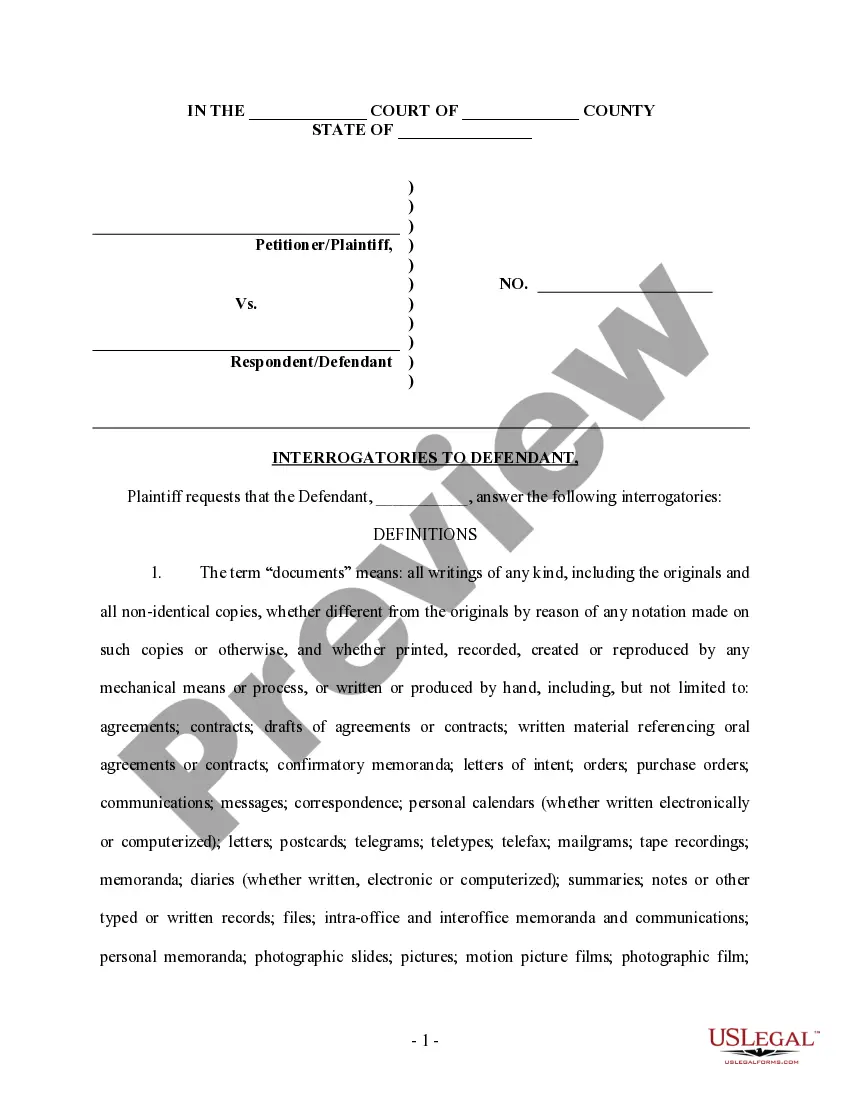




How to fill out Michigan Residential Real Estate Sales Disclosure Statement?
Locating a reliable source for the most up-to-date and pertinent legal samples is a substantial part of navigating bureaucracy.
Acquiring the appropriate legal documents necessitates precision and meticulousness, which is why it is essential to obtain samples of the Michigan Disclosure Statement With Pld exclusively from trustworthy sources, such as US Legal Forms. An incorrect template could squander your time and postpone your situation.
Eliminate the complications associated with your legal paperwork. Explore the extensive collection of US Legal Forms to discover legal samples, verify their applicability to your situation, and download them instantly.
- Utilize the catalog navigation or search bar to find your sample.
- Examine the form’s description to determine if it fulfills the requirements of your state and area.
- Preview the form, if available, to confirm that the template is what you need.
- Return to the search and identify the correct document if the Michigan Disclosure Statement With Pld does not meet your needs.
- Once you are confident in the form’s applicability, download it.
- If you are a registered member, click Log in to verify and access your selected forms in My documents.
- If you do not already have an account, click Buy now to obtain the form.
- Select the pricing option that suits your needs.
- Continue to the registration to complete your purchase.
- Finalize your transaction by choosing a payment method (credit card or PayPal).
- Choose the document format for downloading the Michigan Disclosure Statement With Pld.
- Once you have the form on your device, you can modify it using the editor or print it out and complete it by hand.
Form popularity
FAQ
Yes, you can sue a previous homeowner for non-disclosure in Michigan. Under the Michigan disclosure statement with pld, sellers are required to disclose certain defects and issues related to the property. If a seller fails to reveal significant problems, you may have grounds for a lawsuit. It’s important to gather evidence and consult with a legal expert to understand your rights and options.
A professional disclosure statement for counselors typically includes information about the counselor's qualifications, the services provided, and the client's rights. It may also address confidentiality policies and the limits of confidentiality. This statement helps clients understand the counseling process and sets clear expectations. For those in Michigan, having a Michigan disclosure statement with pld can ensure compliance with local regulations.
When selling a house in Michigan, sellers must disclose any material defects or issues that could influence a buyer's decision. This includes structural problems, past flooding, or pest infestations. Being upfront about these matters fosters trust and reduces the risk of legal disputes. Utilizing a Michigan disclosure statement with pld can help ensure you cover all necessary disclosures.
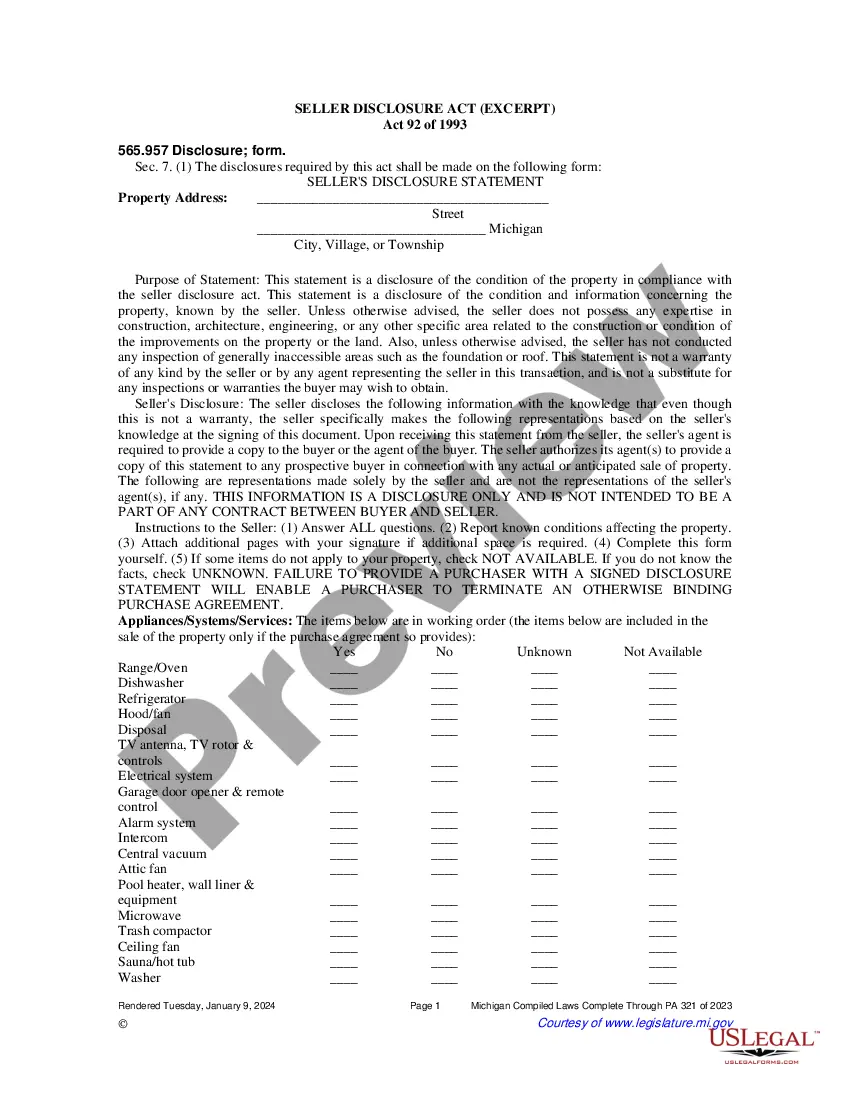
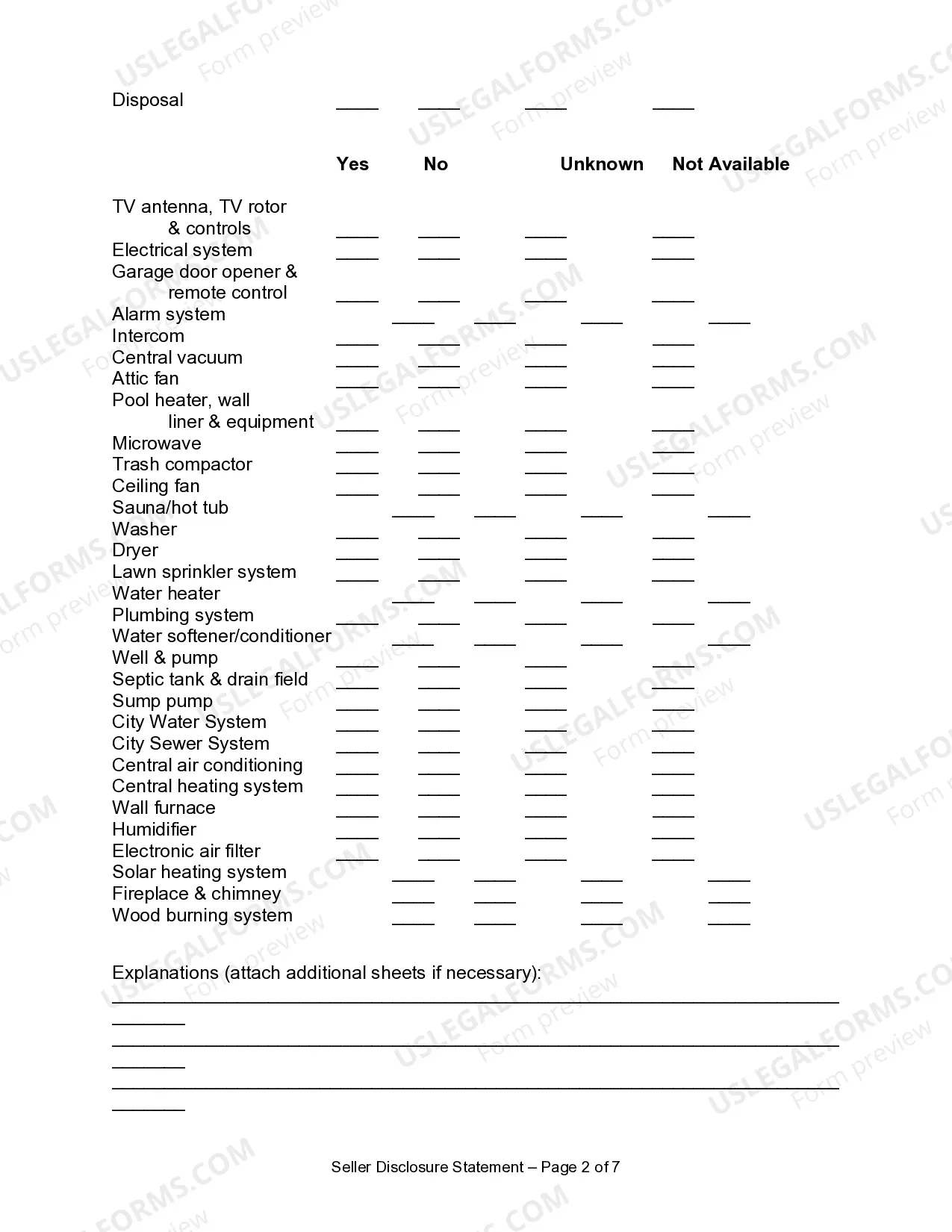
The Michigan disclosure form is a legal document that outlines the condition of a property being sold. It requires sellers to disclose any known issues that could affect the buyer's decision. This form is essential for protecting both the buyer and seller during the transaction. Using a Michigan disclosure statement with pld simplifies the process of filling out this form.
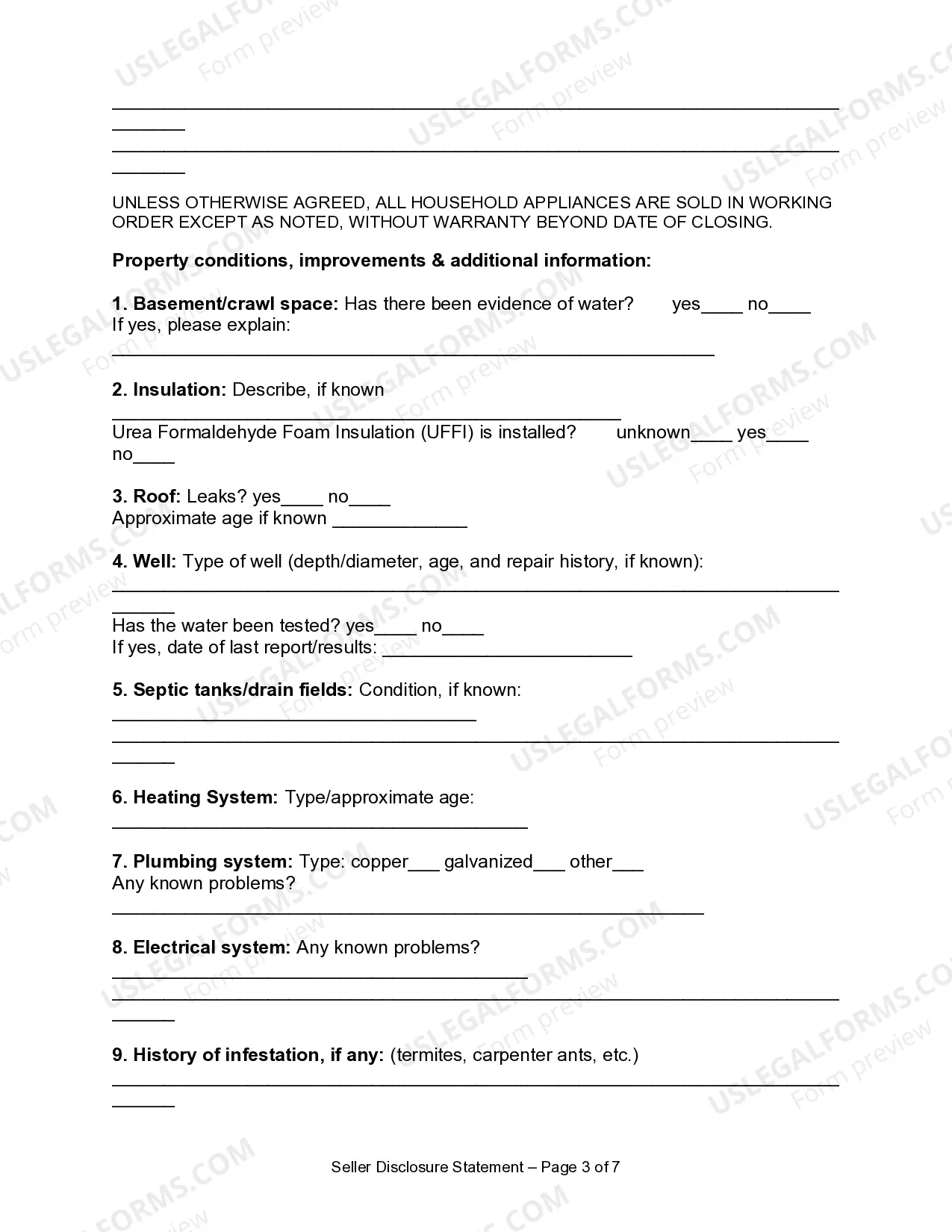
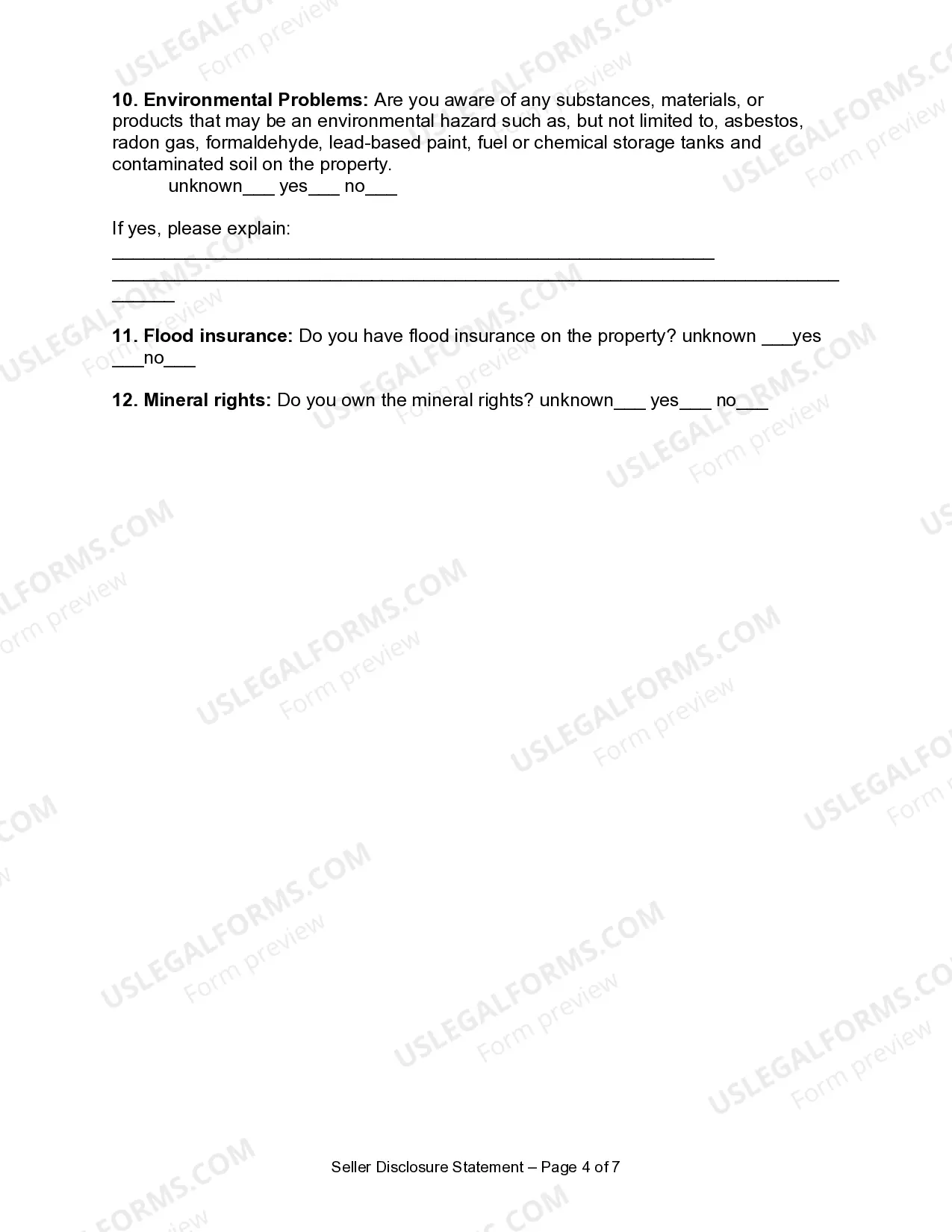
In Michigan, a seller must disclose any known defects affecting the property's value or safety. This includes issues like water damage, plumbing problems, and electrical issues. It's essential to provide accurate information to potential buyers to avoid future disputes. Completing a Michigan disclosure statement with pld ensures that you cover all necessary disclosures.
Yes, as a seller in Michigan, you must disclose any known structural issues when selling your house. This includes problems with the foundation, roof, or any significant repairs that may affect the property's integrity. Transparency is crucial, as failing to disclose such issues can lead to legal repercussions. A Michigan disclosure statement with pld can help guide you through this process.
To avoid capital gains tax in Michigan when selling a house, you can utilize the primary residence exclusion. This allows you to exclude up to $250,000 of gain if you are single, or up to $500,000 if you are married and file jointly. Additionally, consider any improvements made to the property that can adjust your basis, potentially reducing your taxable gain. For detailed assistance, using a Michigan disclosure statement with pld can help ensure you meet all legal requirements.
Examples of seller disclosures in Michigan include information about water damage, pest infestations, and roof condition. Other important factors to note might include the age of major systems like heating and cooling. By including these details in your Michigan disclosure statement with pld, you ensure potential buyers have a complete understanding of the property, which can facilitate a smoother transaction.
Yes, if you are selling residential property in Michigan, you must complete a seller disclosure statement. This document informs potential buyers about the property's condition and any known defects. By providing a Michigan disclosure statement with pld, you protect yourself legally while fostering a transparent relationship with buyers.
Filling out a seller's disclosure in Michigan requires careful attention to detail. First, gather all relevant information about the property's condition, including previous repairs and any known issues. After that, use a clear and straightforward format to document these details in the Michigan disclosure statement with pld, ensuring that you answer all questions honestly to avoid potential legal disputes later.