Life Estate Vs Life Use
Description
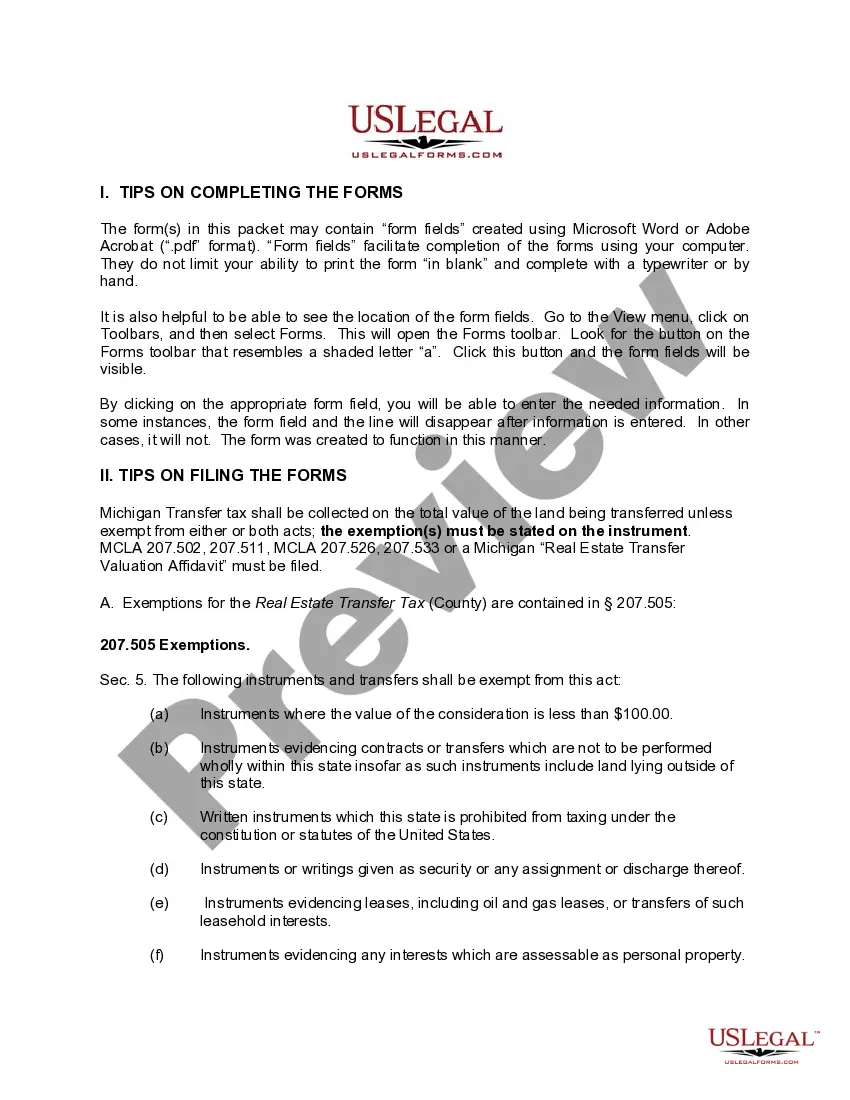
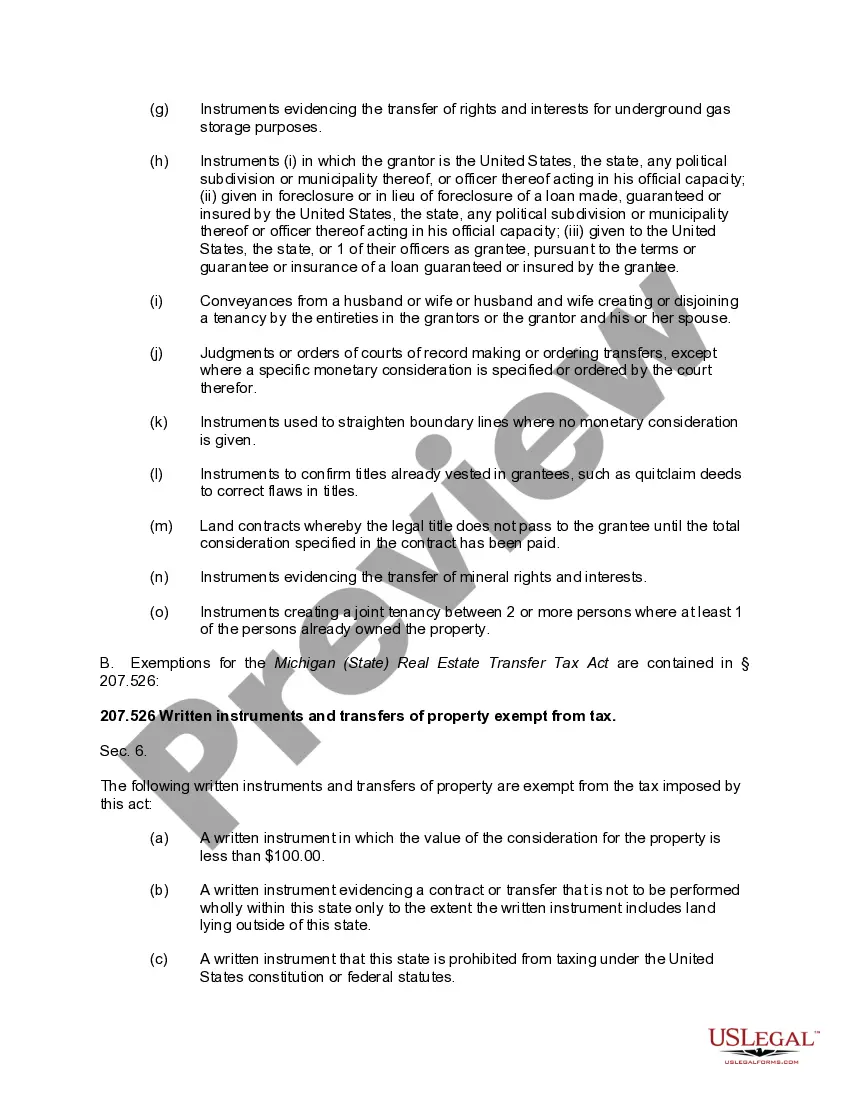
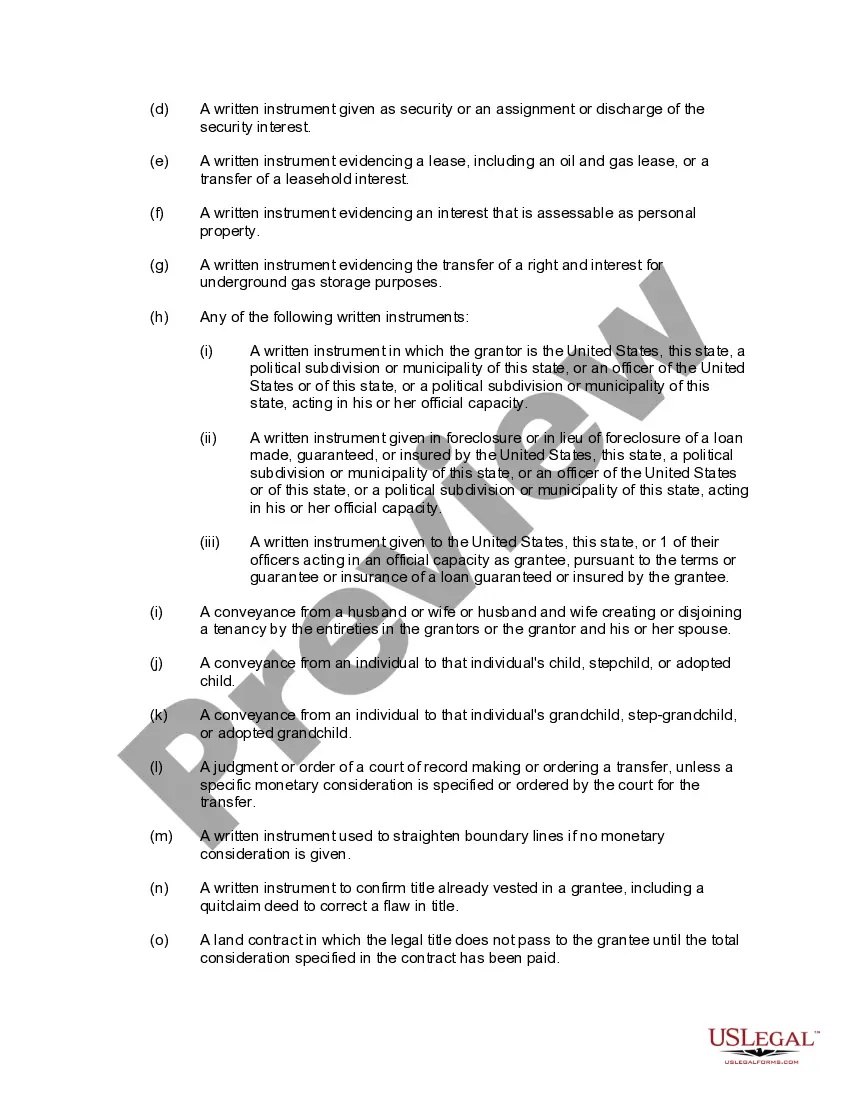
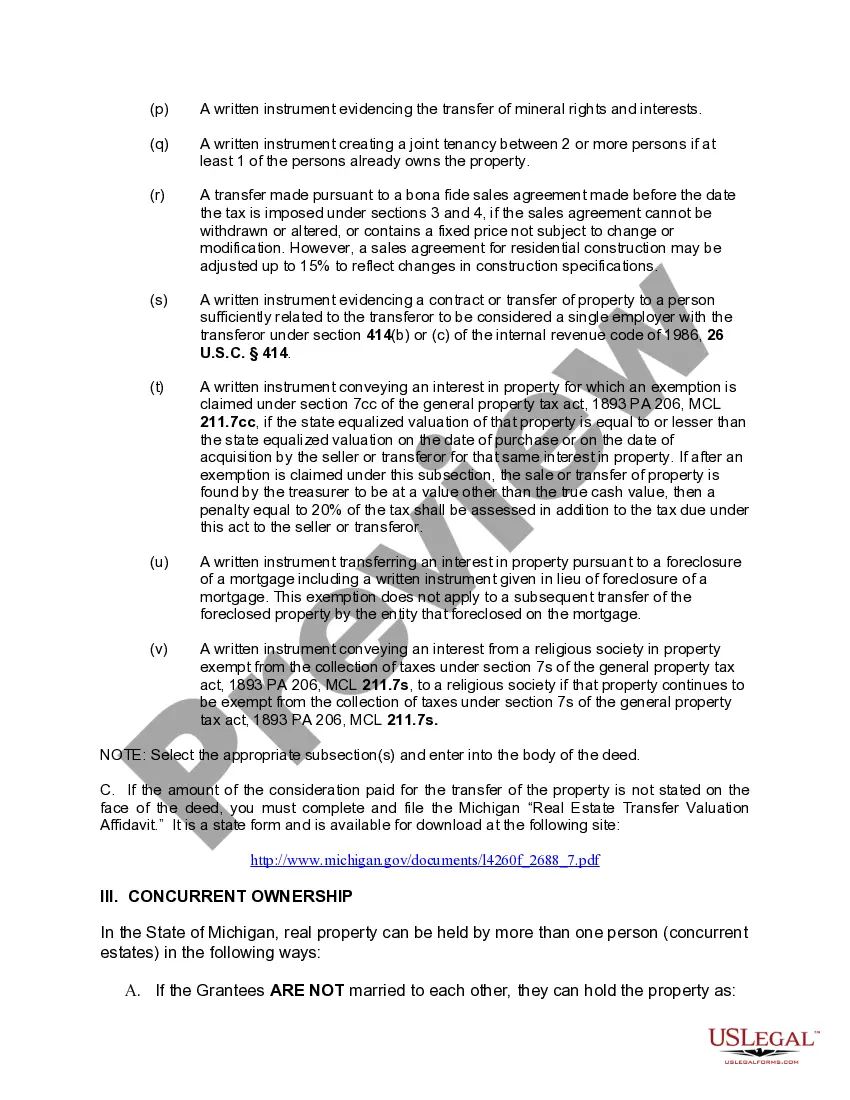
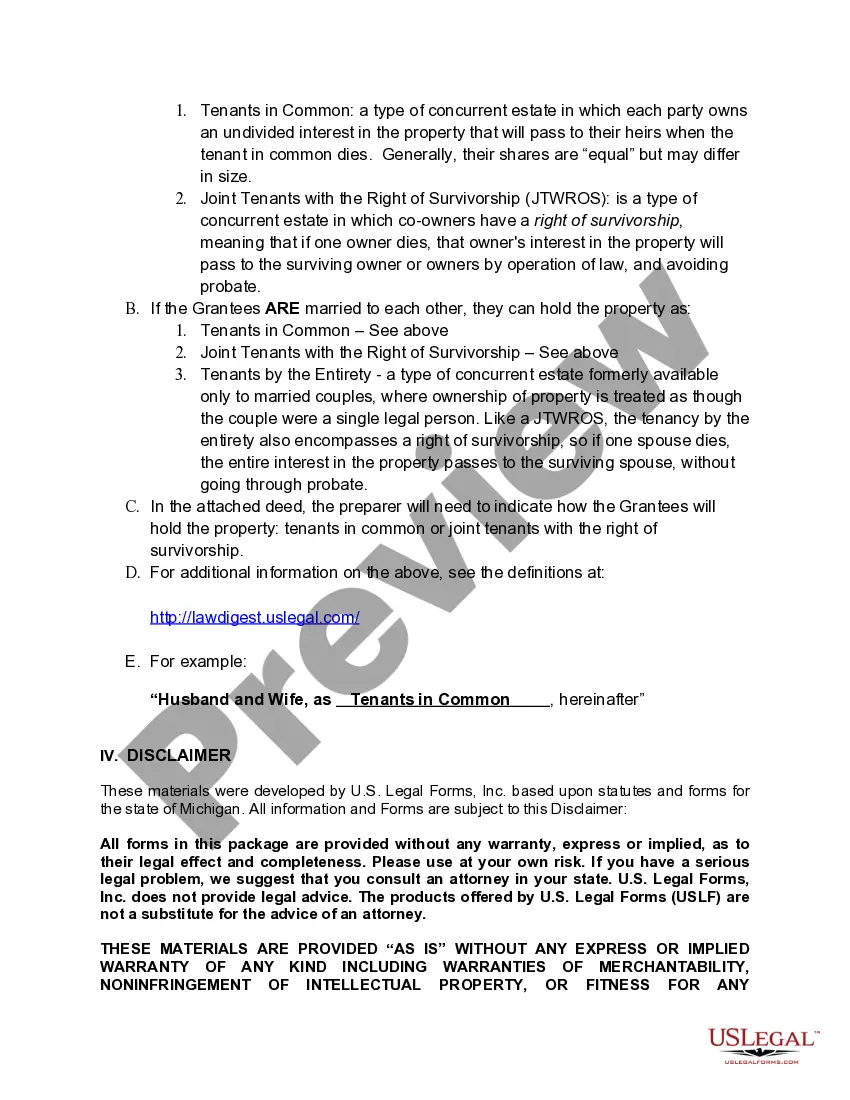
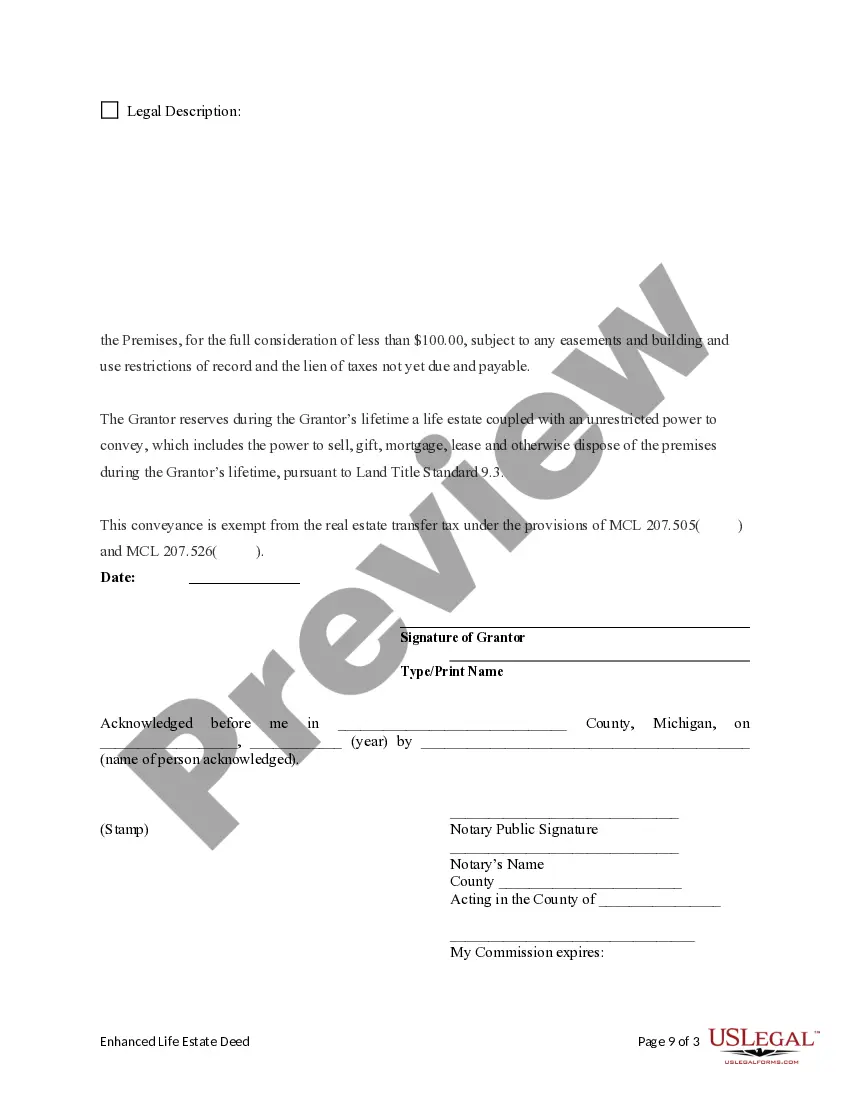

Get your form ready online
Our built-in tools help you complete, sign, share, and store your documents in one place.
Make edits, fill in missing information, and update formatting in US Legal Forms—just like you would in MS Word.
Download a copy, print it, send it by email, or mail it via USPS—whatever works best for your next step.
Sign and collect signatures with our SignNow integration. Send to multiple recipients, set reminders, and more. Go Premium to unlock E-Sign.
If this form requires notarization, complete it online through a secure video call—no need to meet a notary in person or wait for an appointment.
We protect your documents and personal data by following strict security and privacy standards.

Make edits, fill in missing information, and update formatting in US Legal Forms—just like you would in MS Word.

Download a copy, print it, send it by email, or mail it via USPS—whatever works best for your next step.

Sign and collect signatures with our SignNow integration. Send to multiple recipients, set reminders, and more. Go Premium to unlock E-Sign.

If this form requires notarization, complete it online through a secure video call—no need to meet a notary in person or wait for an appointment.

We protect your documents and personal data by following strict security and privacy standards.
Looking for another form?










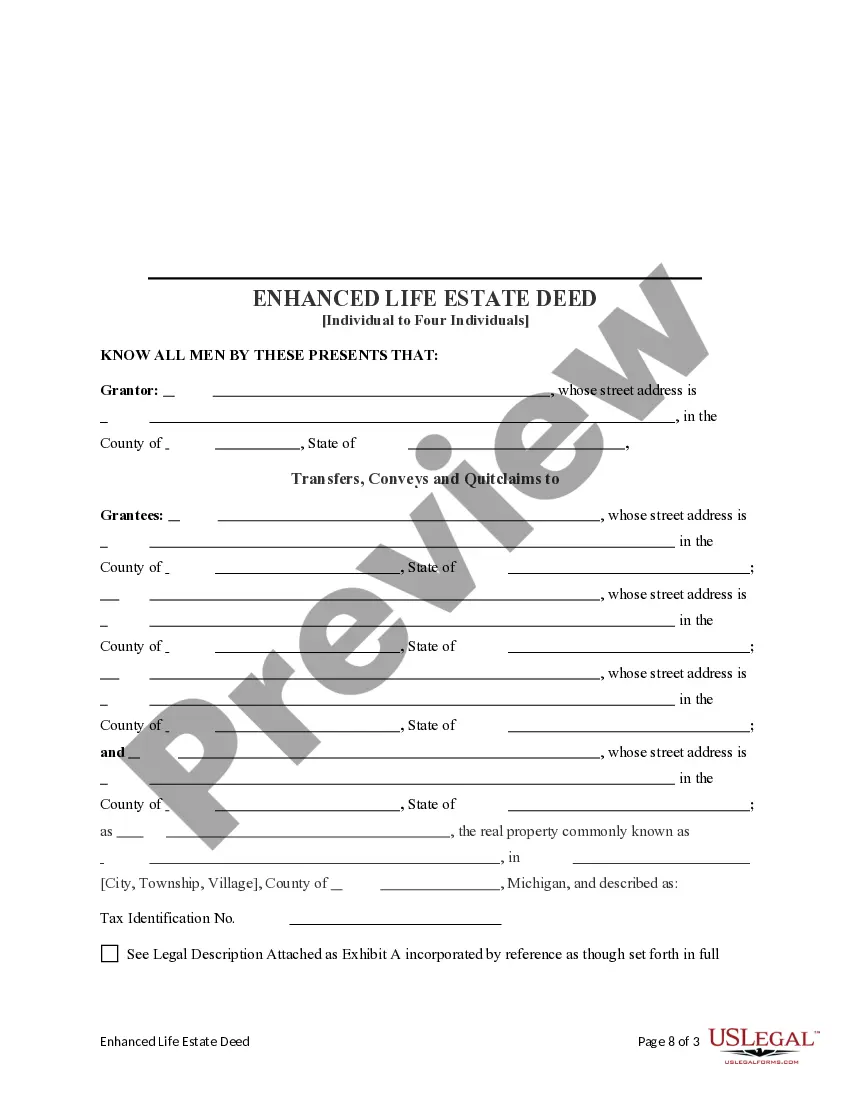
How to fill out Michigan Enhanced Life Estate Or Lady Bird Deed - Individual To Four Individuals?
Regardless of whether it is for corporate reasons or personal issues, everyone will eventually have to deal with legal matters in their lifetime.
Completing legal documents requires meticulous care, beginning with selecting the appropriate form template.
Once it is downloaded, you can complete the form using editing software or print it out and finish it by hand. With a vast US Legal Forms catalog available, you won’t have to waste time searching for the right template online. Utilize the library’s user-friendly navigation to find the appropriate template for any circumstance.
- For example, if you choose an incorrect version of a Life Estate Vs Life Use, it will be rejected upon submission.
- Thus, it is crucial to find a reliable source for legal documents such as US Legal Forms.
- If you need to acquire a Life Estate Vs Life Use template, adhere to these simple steps.
- Locate the required sample through the search bar or catalog navigation.
- Review the form’s details to verify that it aligns with your case, state, and area.
- Click on the preview of the form to view it.
- If it is the incorrect document, return to the search function to find the Life Estate Vs Life Use template you need.
- Obtain the file when it meets your specifications.
- If you already possess a US Legal Forms account, simply click Log in to access previously stored documents in My documents.
- If you do not yet have an account, you can download the form by clicking Buy now.
- Select the suitable pricing option.
- Complete the profile registration form.
- Choose your payment method: utilize a credit card or PayPal account.
- Select the document format you prefer and download the Life Estate Vs Life Use.
Form popularity
FAQ
An additional potential problem with a Life Estate is that it does not offer creditor protection to the beneficiary, so if the heir has a debt or is sued, the creditor or court can come after the house. As you can see, a traditional Life Estate has the potential to create major conflict within a family.
A conventional life estate is one created by grant from the owner of the fee simple estate. A legal life estate is one created by statute in some states and depends on the law of the state where the real estate is located. Examples of this type of life estate include curtsey and dower.
A life estate is a property?usually a residence?that an individual owns and may use for the duration of their lifetime. Called the life tenant, this person shares ownership of the property with a second person.
Life Estates establish two different categories of property owners: the Life Tenant Owner and the Remainder Owner. The Life Tenant Owner maintains the absolute and exclusive right to use the property during his or her lifetime. This can be a sole owner or joint Life Tenants.
A.life estate pur autre vie, in remainder. A life estate pur autre vie is based on a measuring life that's someone other than the life tenant. An estate in remainder is one that passes to a third party at the end of the measuring life, rather than to the grantor or the grantor's heirs.