Rental Increase Letter
Description
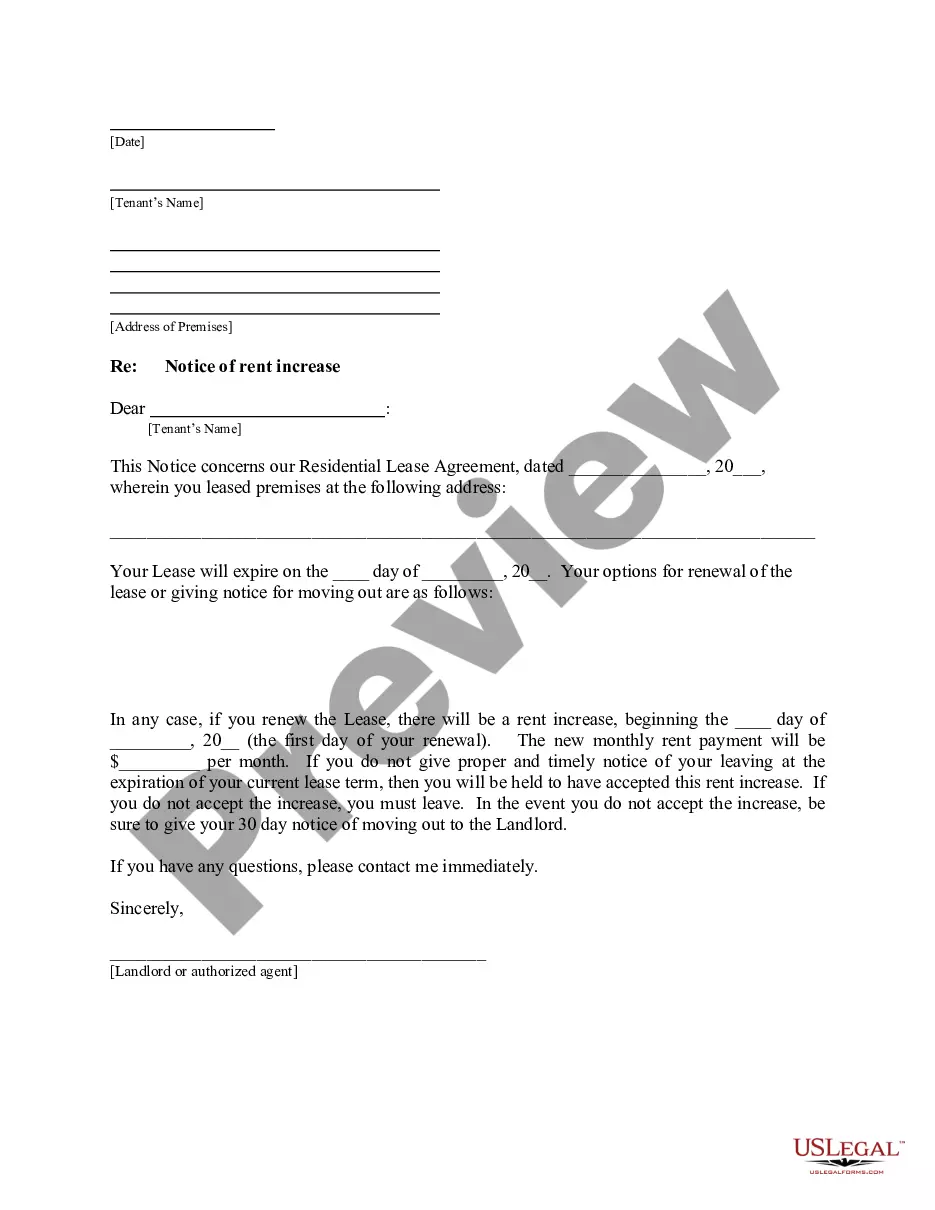
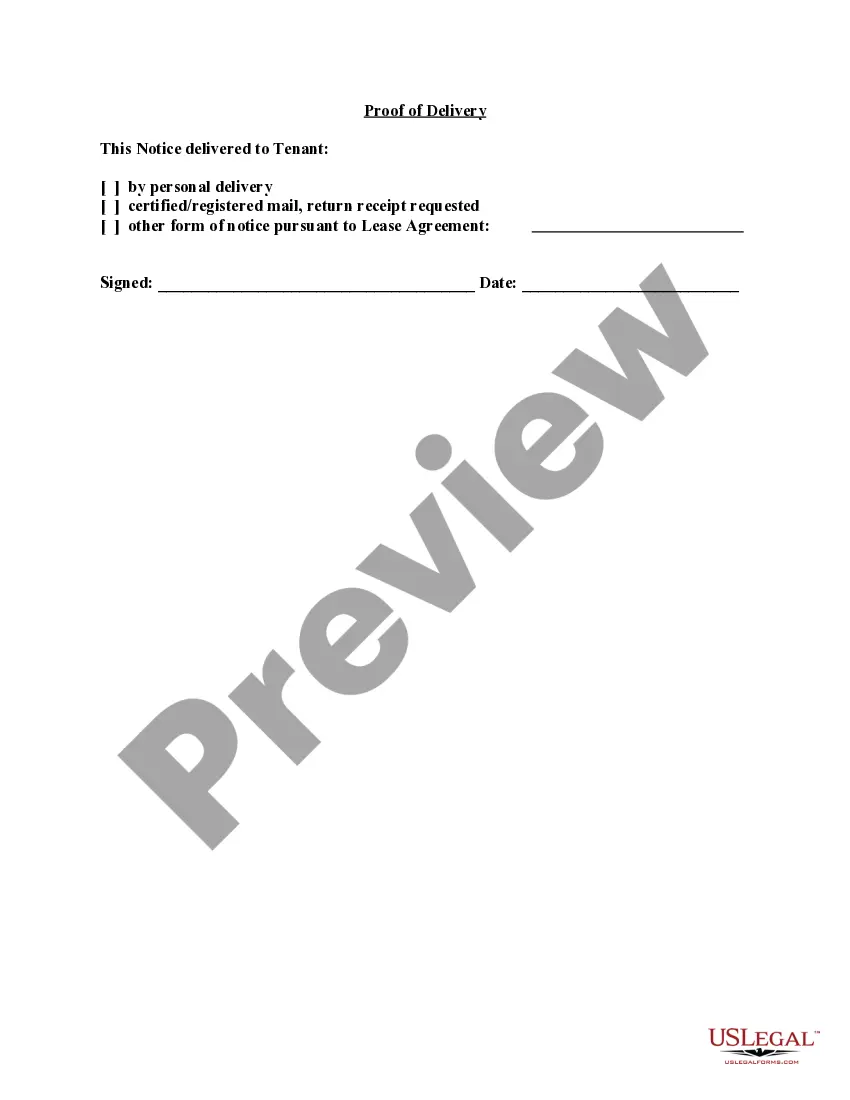
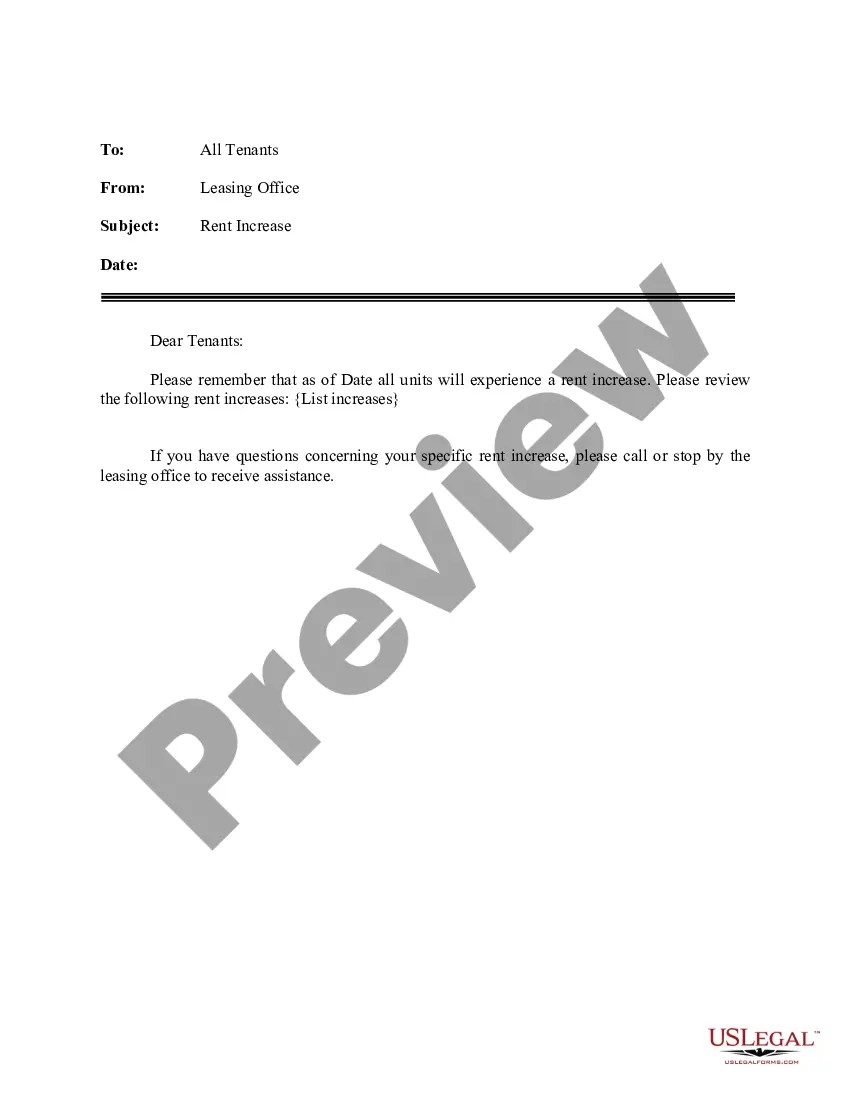
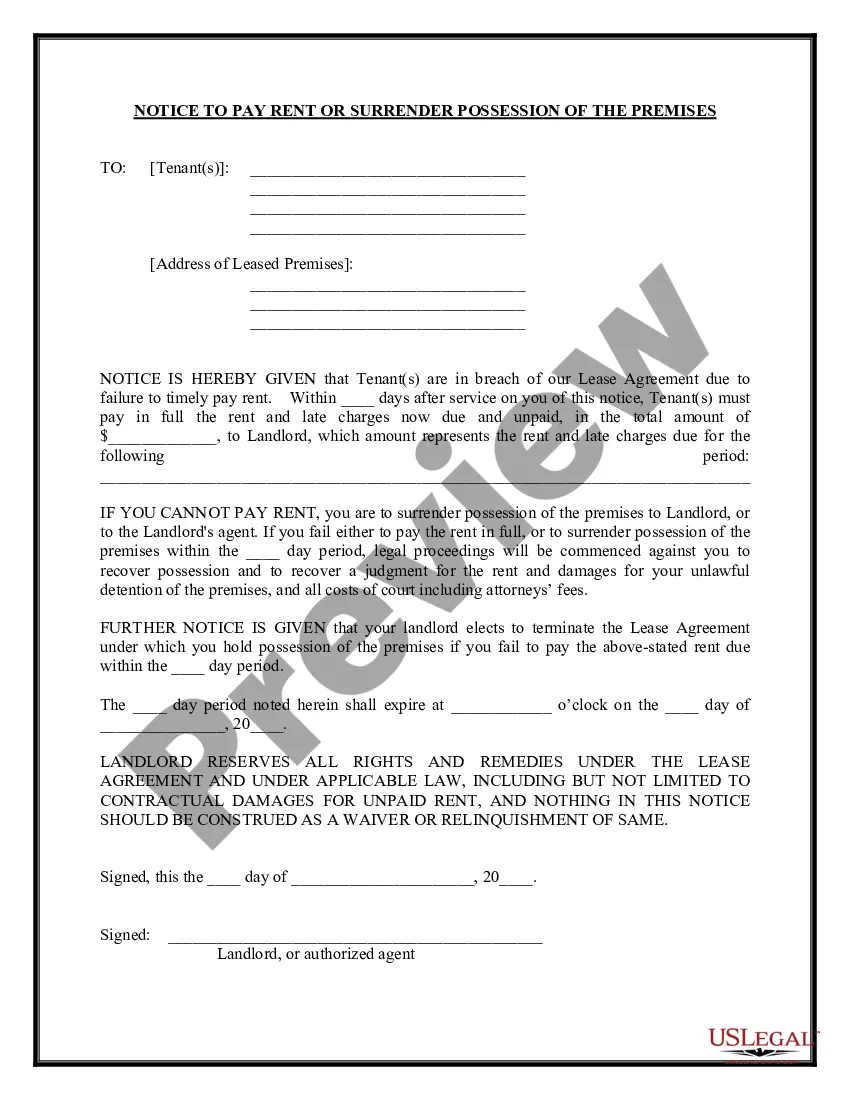
Get your form ready online
Our built-in tools help you complete, sign, share, and store your documents in one place.
Make edits, fill in missing information, and update formatting in US Legal Forms—just like you would in MS Word.
Download a copy, print it, send it by email, or mail it via USPS—whatever works best for your next step.
Sign and collect signatures with our SignNow integration. Send to multiple recipients, set reminders, and more. Go Premium to unlock E-Sign.
If this form requires notarization, complete it online through a secure video call—no need to meet a notary in person or wait for an appointment.
We protect your documents and personal data by following strict security and privacy standards.

Make edits, fill in missing information, and update formatting in US Legal Forms—just like you would in MS Word.

Download a copy, print it, send it by email, or mail it via USPS—whatever works best for your next step.

Sign and collect signatures with our SignNow integration. Send to multiple recipients, set reminders, and more. Go Premium to unlock E-Sign.

If this form requires notarization, complete it online through a secure video call—no need to meet a notary in person or wait for an appointment.

We protect your documents and personal data by following strict security and privacy standards.
Looking for another form?






How to fill out Maine Letter From Landlord To Tenant About Intent To Increase Rent And Effective Date Of Rental Increase?
- If you are a returning user, log in to your account to access your saved forms.
- Verify your subscription status. If it has expired, renew your plan to maintain access.
- For first-time users, start by exploring the Preview mode and detailed descriptions of applicable templates to ensure they align with your needs.
- In case of discrepancies, utilize the Search tab to find a suitable template that meets your local regulations.
- Select the rental increase letter template. Click the Buy Now button and choose a subscription plan that works for you.
- Complete your purchase securely by entering your credit card information or utilizing PayPal.
- Download the completed form onto your device and access it any time from the My Forms section of your profile.
By following these steps, you can efficiently create and manage your rental increase letters with US Legal Forms.
Don't wait; streamline your legal documentation process today with US Legal Forms.
Form popularity
FAQ
The maximum rent increase can vary by location and is often regulated by law. Many places allow rent increases up to a certain percentage, typically ranging from 5% to 10%. It's vital to check local laws and guidelines to ensure compliance. Utilizing a rental increase letter can help formalize your approach while staying within legal limits.
When approaching your landlord for a rent increase, present your reasons clearly and professionally. Gather market data that supports your request, such as comparable rents in your area. A well-structured rental increase letter can help outline your case, demonstrating that you have done your homework and value the property.
To write a letter to your tenant about a rent increase, start with a clear subject line to indicate the purpose. Include the current rent amount, the new rent amount, and the effective date of the increase. Be sure to explain any reasons for the increase, and it is a good practice to send this as a formal rental increase letter for proper documentation.
In California, the law sets limits on how much rent a landlord can increase. Generally, a landlord can raise rent by 10% or the rate of inflation, whichever is lower. However, local rent control laws may impose stricter limitations. Therefore, always check local regulations and consider using a rental increase letter to communicate any changes.
When discussing a rent increase with your landlord, express your concerns clearly and respectfully. Ask questions about the reasons for the increase and how it aligns with local rental rates. This can foster an open dialogue and may lead to a mutual understanding or even negotiations, helping both parties navigate any rental increase letter effectively.
In Texas, there is no limit on how much a landlord can raise the rent, unless the property is under a specific rental agreement or rent control regulation. Landlords must provide proper notice as required by law. If you receive a rental increase letter, review it carefully to understand your rights and any potential responses.
In New Jersey, the legality of raising rent by $300 depends on certain factors, such as lease agreements and local rent control laws. If your property falls under rent control, increases may be limited. It's advisable to review the specific terms outlined in your rental agreement and consult local regulations before reacting to a rental increase letter.
In most cases, there is no set maximum percentage for rent increases; it often varies by location. Local municipalities may impose restrictions or guidelines to ensure fairness. Using a rental increase letter, you can communicate these changes, while also adhering to local rules.
The maximum amount a landlord can raise the rent depends on state and local laws. In many areas, there is no specific cap, but most jurisdictions require landlords to provide proper notice. Always refer to local regulations to ensure compliance when drafting your rental increase letter.
To write a rental increase letter, start by clearly stating the current rent amount and the proposed new amount. Indicate the effective date of the rent increase, giving your tenant adequate notice. Include any relevant local laws or regulations regarding rent increases to provide context, and ensure the letter is professional and straightforward.