Estate Planning For Elderly Parents
Description
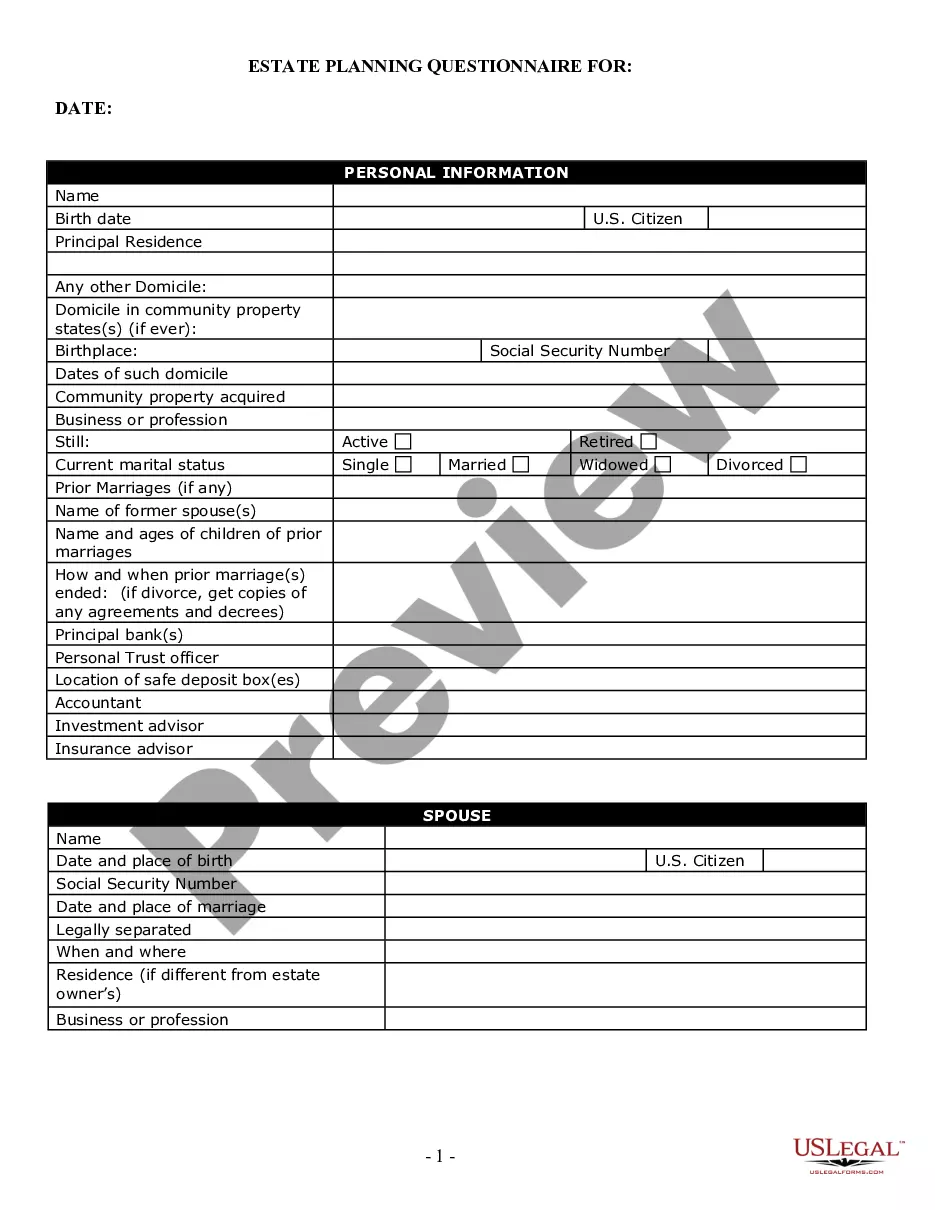
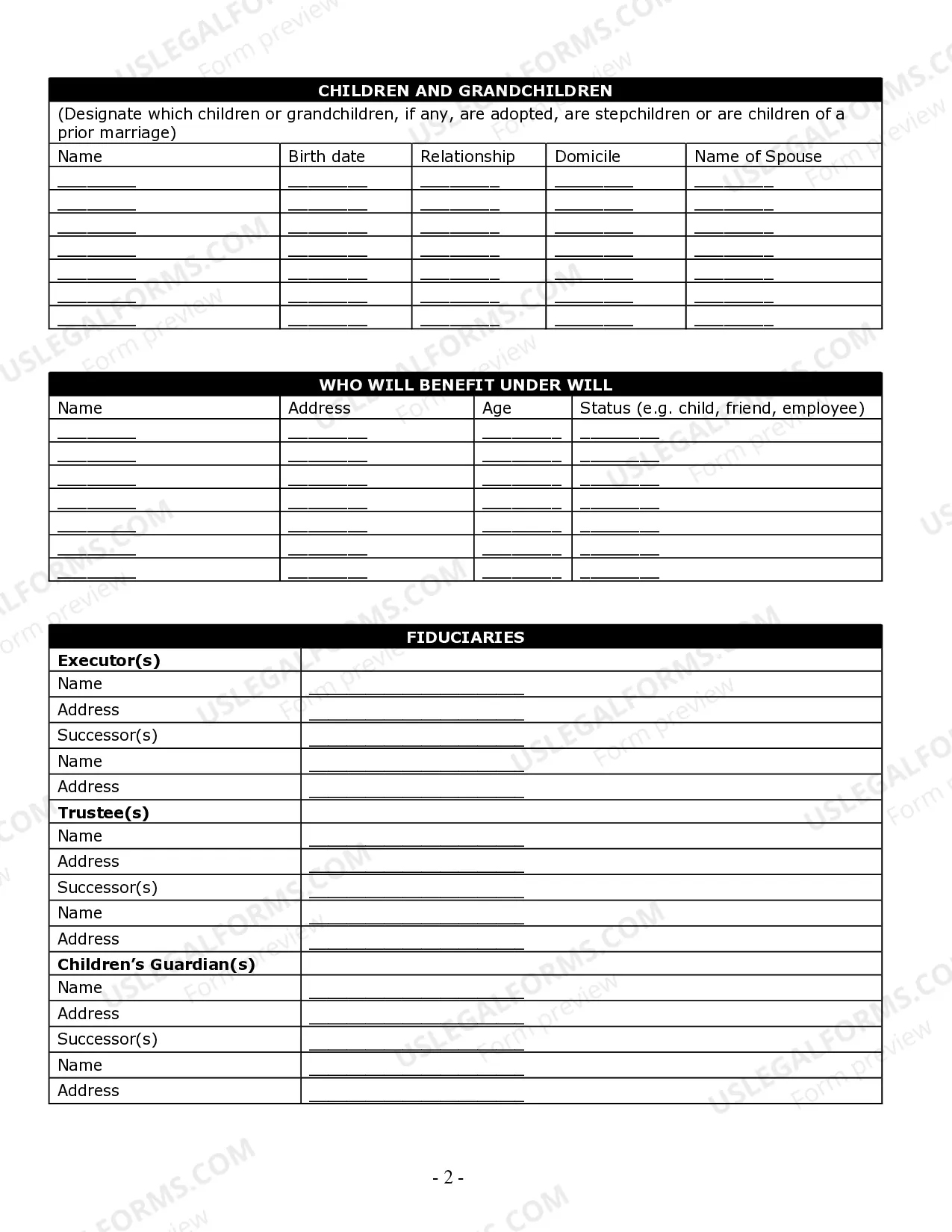
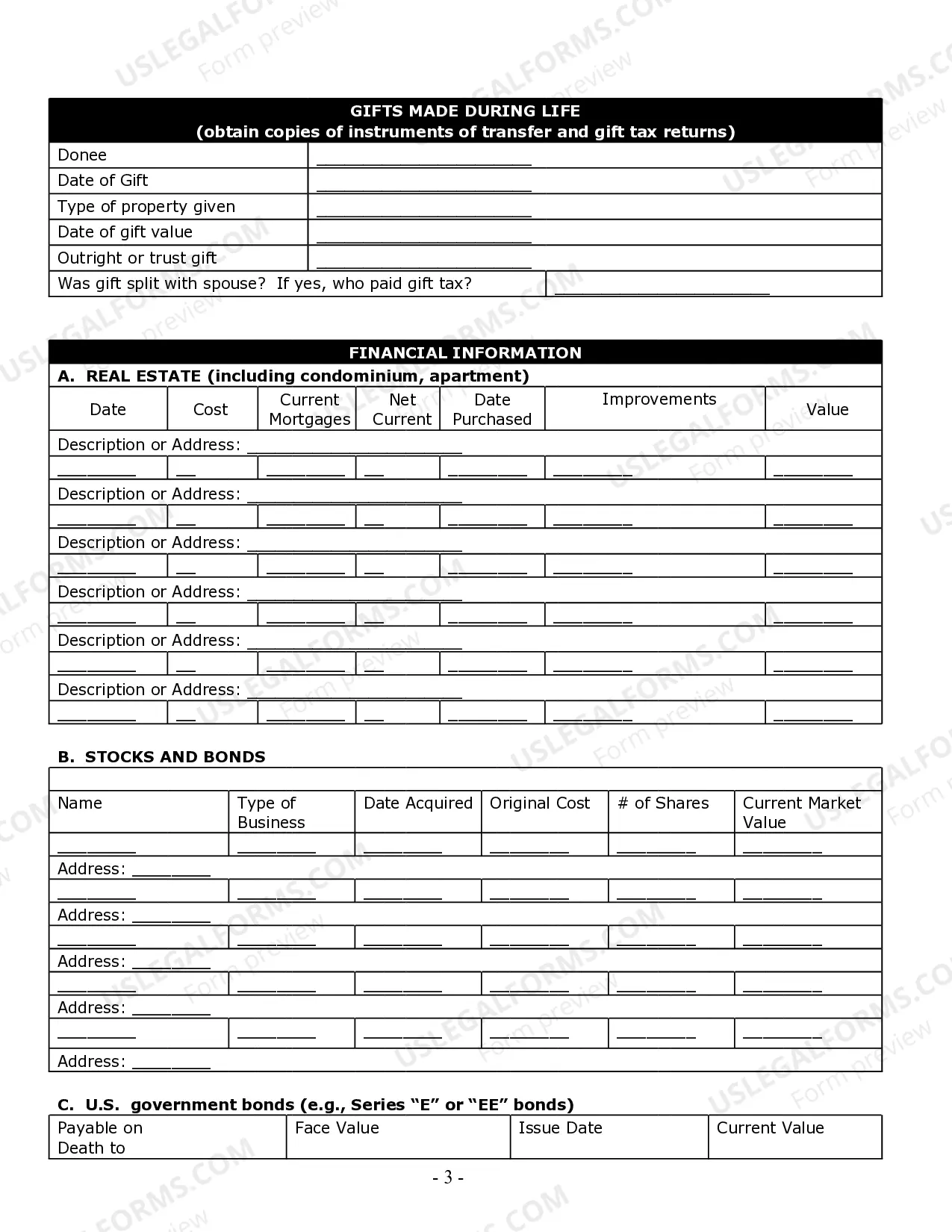
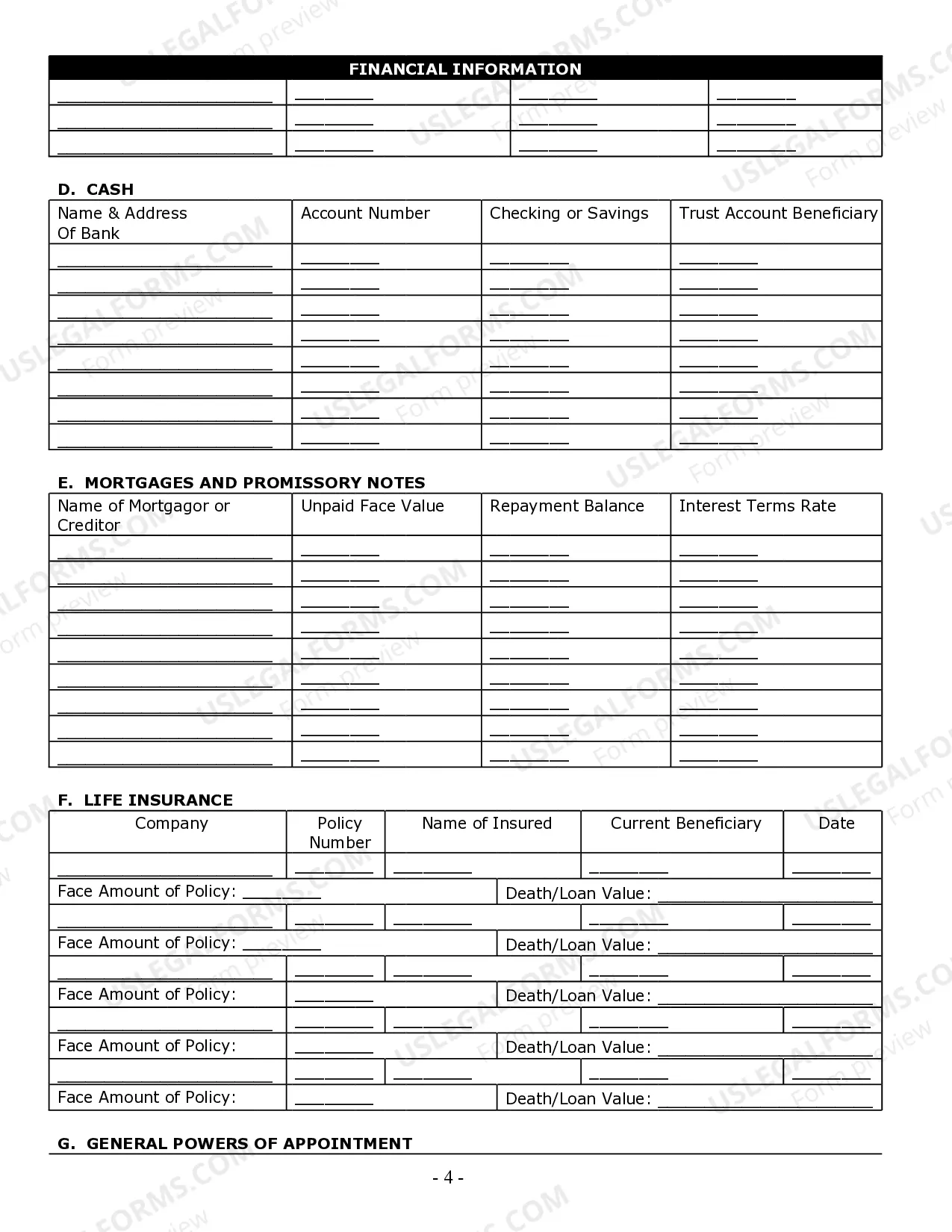



Get your form ready online
Our built-in tools help you complete, sign, share, and store your documents in one place.
Make edits, fill in missing information, and update formatting in US Legal Forms—just like you would in MS Word.
Download a copy, print it, send it by email, or mail it via USPS—whatever works best for your next step.
Sign and collect signatures with our SignNow integration. Send to multiple recipients, set reminders, and more. Go Premium to unlock E-Sign.
If this form requires notarization, complete it online through a secure video call—no need to meet a notary in person or wait for an appointment.
We protect your documents and personal data by following strict security and privacy standards.

Make edits, fill in missing information, and update formatting in US Legal Forms—just like you would in MS Word.

Download a copy, print it, send it by email, or mail it via USPS—whatever works best for your next step.

Sign and collect signatures with our SignNow integration. Send to multiple recipients, set reminders, and more. Go Premium to unlock E-Sign.

If this form requires notarization, complete it online through a secure video call—no need to meet a notary in person or wait for an appointment.

We protect your documents and personal data by following strict security and privacy standards.
Looking for another form?

Form popularity
FAQ
Taking care of elderly parents requires a balance of patience, support, and self-care. It is essential to create a strong support network of family and friends who can help during challenging times. Additionally, investing time in estate planning for elderly parents can alleviate some burdens, ensuring that their needs are met in a structured way while allowing you to focus on your well-being.
The estate planning process typically includes the following seven steps: assessing your assets, determining your goals, choosing your beneficiaries, appointing a power of attorney, creating a living will, establishing a trust if necessary, and reviewing your plan regularly. This structured approach helps ensure your elderly parents' wishes are honored and provides peace of mind. By focusing on estate planning for elderly parents, you can facilitate their care and secure their legacy.
Financial planning for taking care of elderly parents should start with a thorough evaluation of their financial health. Create a budget that captures their monthly expenses and explore potential income sources, such as Social Security or pensions. Incorporating estate planning for elderly parents into this process can help secure assets and outline how their affairs should be managed as needs change.
Financially taking care of elderly parents involves a mixture of budgeting, leveraging benefits, and planning for future needs. You can start by assessing their current financial situation, including income, expenses, and existing assets. Also, considering estate planning for elderly parents can ensure their finances are better organized, allowing you to provide the best care possible.
The 5x5 power rule is another key principle that impacts estate planning for elderly parents. It refers to the flexibility for beneficiaries to withdraw up to $5,000 from a trust annually, incrementally building their access to trust assets without tax consequences. This rule is beneficial as it allows for gradual financial support while preserving the growth of the trust. Understanding this rule equips parents with the tools to optimize their estate plan.
One significant mistake parents often make when setting up a trust fund is failing to communicate their intentions clearly with their beneficiaries. Lack of communication can lead to misunderstandings and conflict among family members. Additionally, not updating the trust to reflect life changes, such as the birth of new children or changes in financial status, can also jeopardize the estate planning for elderly parents. Therefore, engaging with your family is crucial.
The 5 by 5 rule is relevant in the context of estate planning for elderly parents, particularly in trust management. This rule permits beneficiaries to withdraw up to $5,000 or a limited percentage of the trust's value each year without affecting the trust's tax status. This flexibility allows parents to provide financial support to their children while still safeguarding the trust’s primary purpose. Knowing this rule can enhance your overall estate plan.
The 5 and 5 limitation is an important concept in estate planning for elderly parents. It allows a parent to gift up to $5,000 per recipient, per year, without tax implications. Furthermore, if a parent creates an irrevocable trust, they can retain the right to withdraw up to $5,000 from the trust each year. Understanding this limitation helps in managing your estate efficiently and minimizing tax burdens.
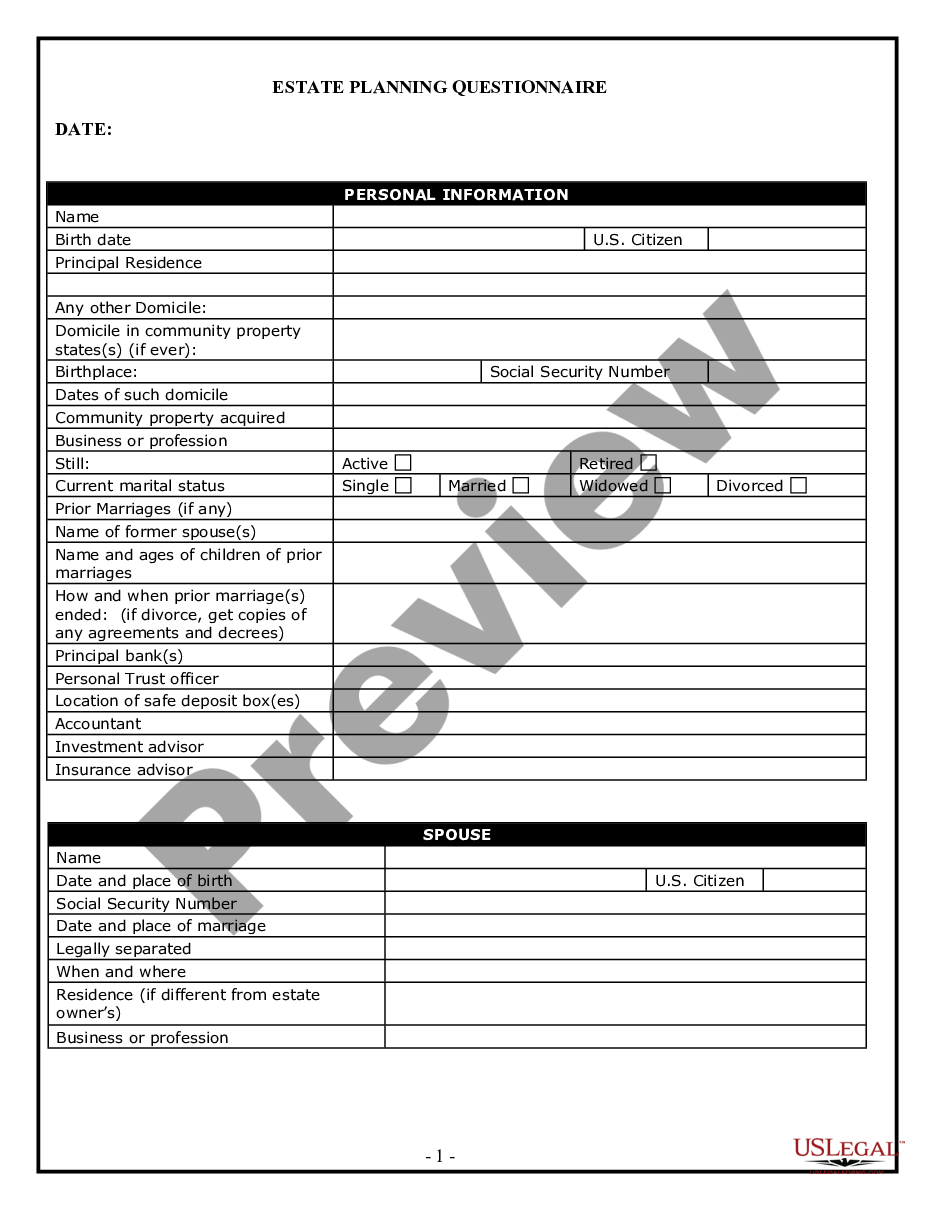
Start by having open discussions with your elderly parents about their wishes and needs regarding their assets and healthcare. It’s essential to approach this topic with sensitivity to ensure their comfort and understanding of estate planning for elderly parents. Consider leveraging resources like USLegalForms to create essential documents such as wills and powers of attorney. Utilizing professional advice can also help navigate the complex details of estate plans, ensuring that every aspect is addressed thoughtfully.
A will is a legal document that outlines how a person's assets should be distributed after their death, while an estate plan includes a will as well as other components such as trusts, powers of attorney, and healthcare directives. For those engaged in estate planning for elderly parents, it’s crucial to understand that an estate plan provides a comprehensive approach to managing both financial and healthcare decisions. This broader strategy can aid in ensuring that your parents’ wishes are honored, leaving no ambiguity. Involving professionals can further enhance clarity in these documents.