Living Will Form For Property
Description
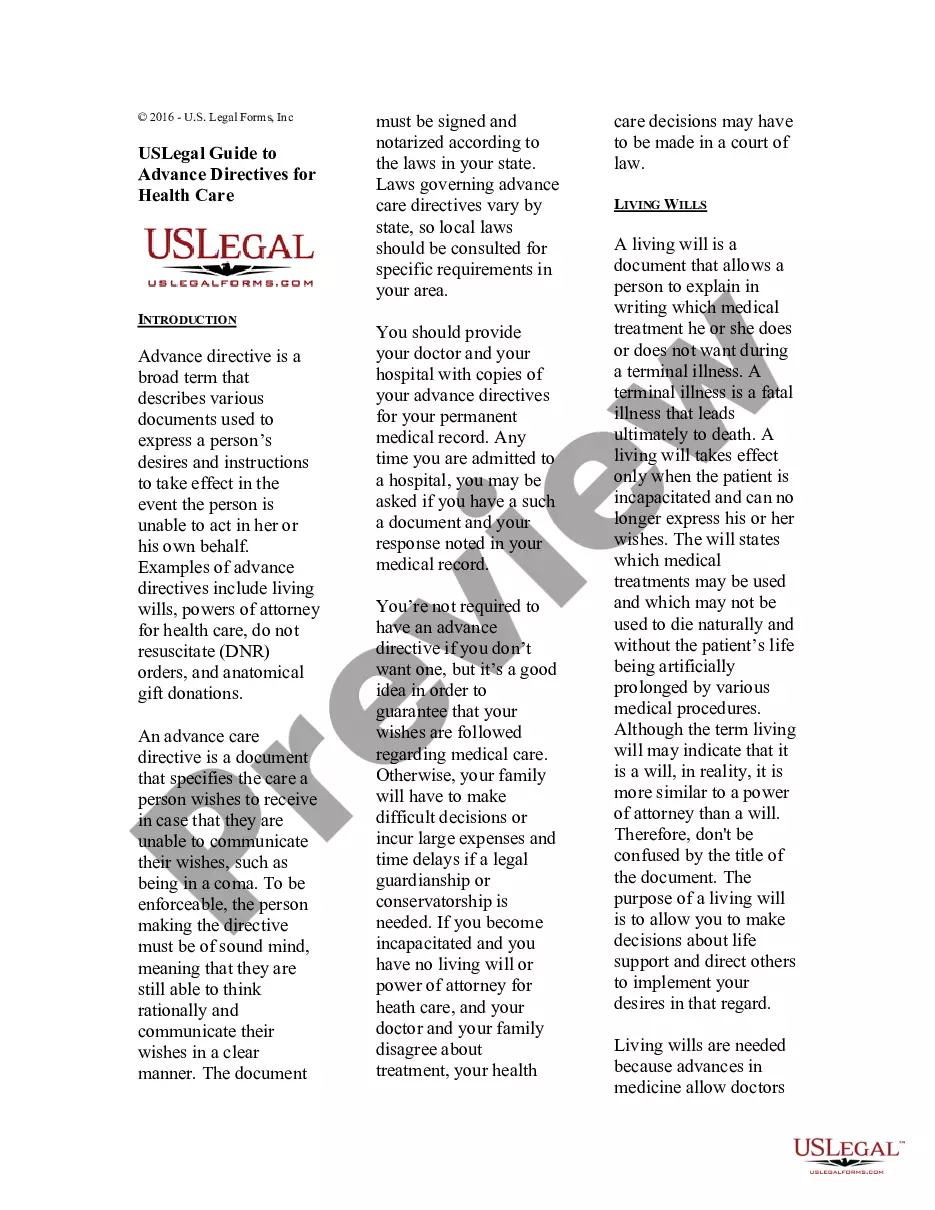
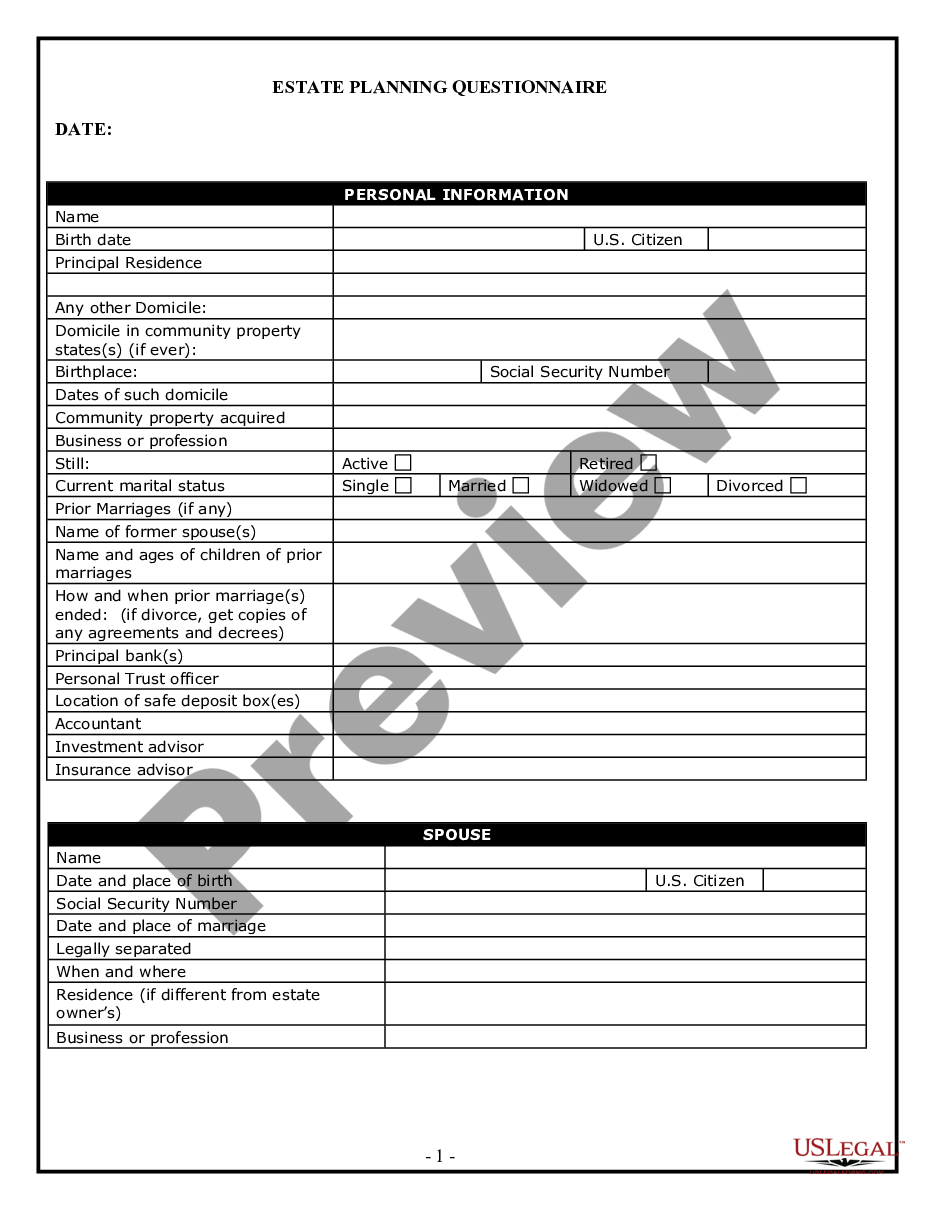
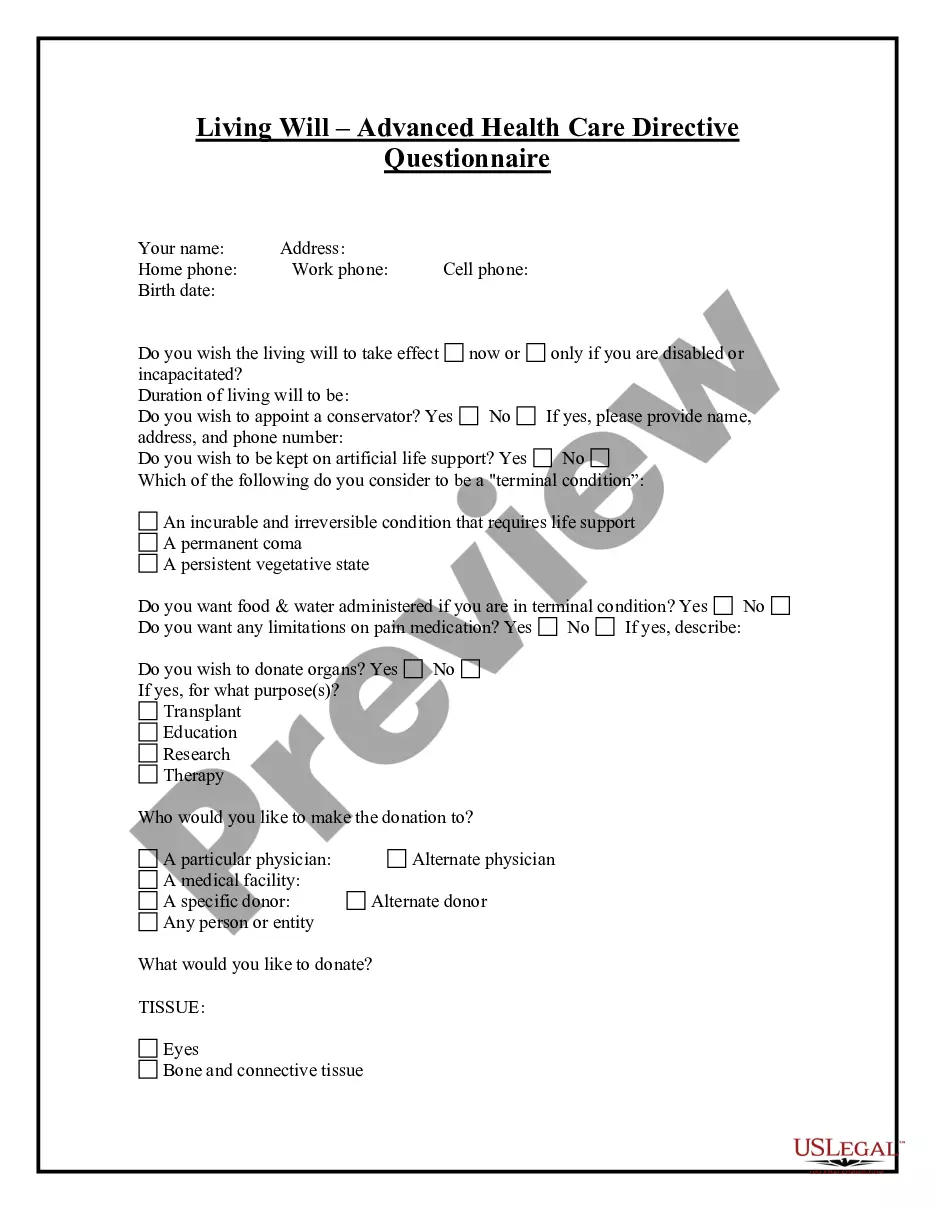
Get your form ready online
Our built-in tools help you complete, sign, share, and store your documents in one place.
Make edits, fill in missing information, and update formatting in US Legal Forms—just like you would in MS Word.
Download a copy, print it, send it by email, or mail it via USPS—whatever works best for your next step.
Sign and collect signatures with our SignNow integration. Send to multiple recipients, set reminders, and more. Go Premium to unlock E-Sign.
If this form requires notarization, complete it online through a secure video call—no need to meet a notary in person or wait for an appointment.
We protect your documents and personal data by following strict security and privacy standards.

Make edits, fill in missing information, and update formatting in US Legal Forms—just like you would in MS Word.

Download a copy, print it, send it by email, or mail it via USPS—whatever works best for your next step.

Sign and collect signatures with our SignNow integration. Send to multiple recipients, set reminders, and more. Go Premium to unlock E-Sign.

If this form requires notarization, complete it online through a secure video call—no need to meet a notary in person or wait for an appointment.

We protect your documents and personal data by following strict security and privacy standards.
Looking for another form?






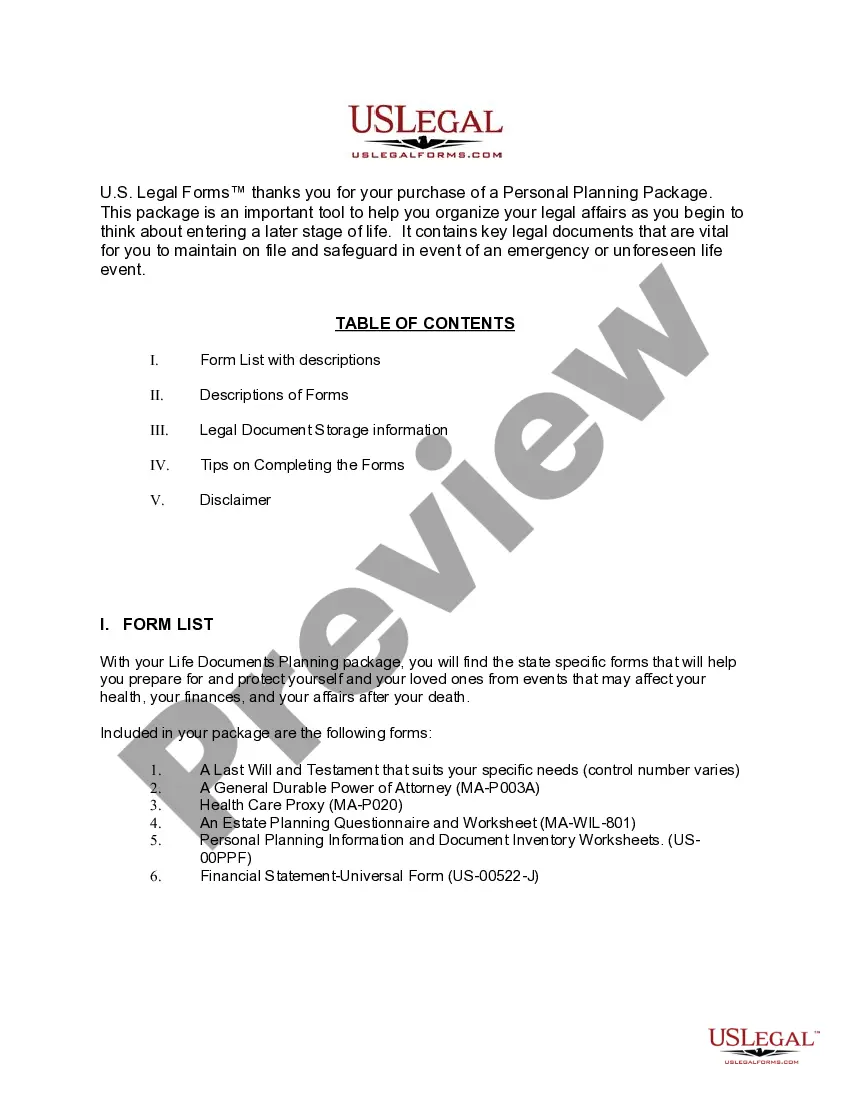
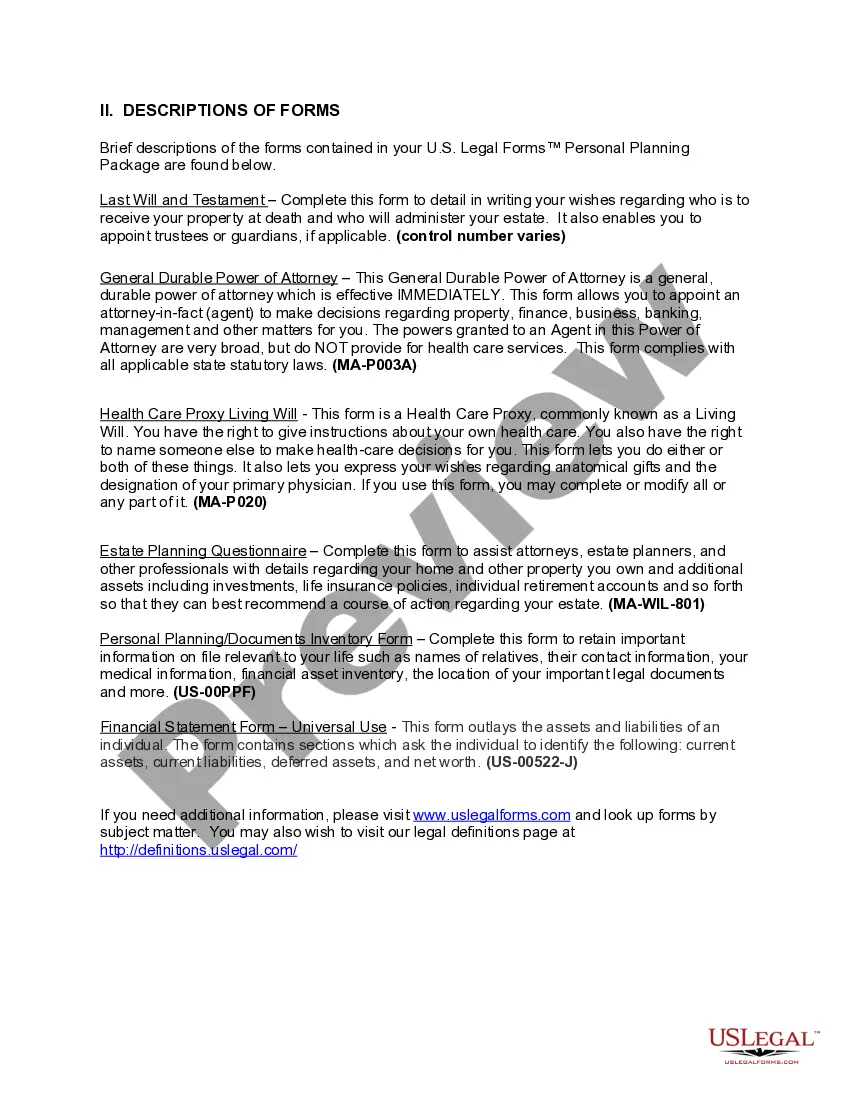
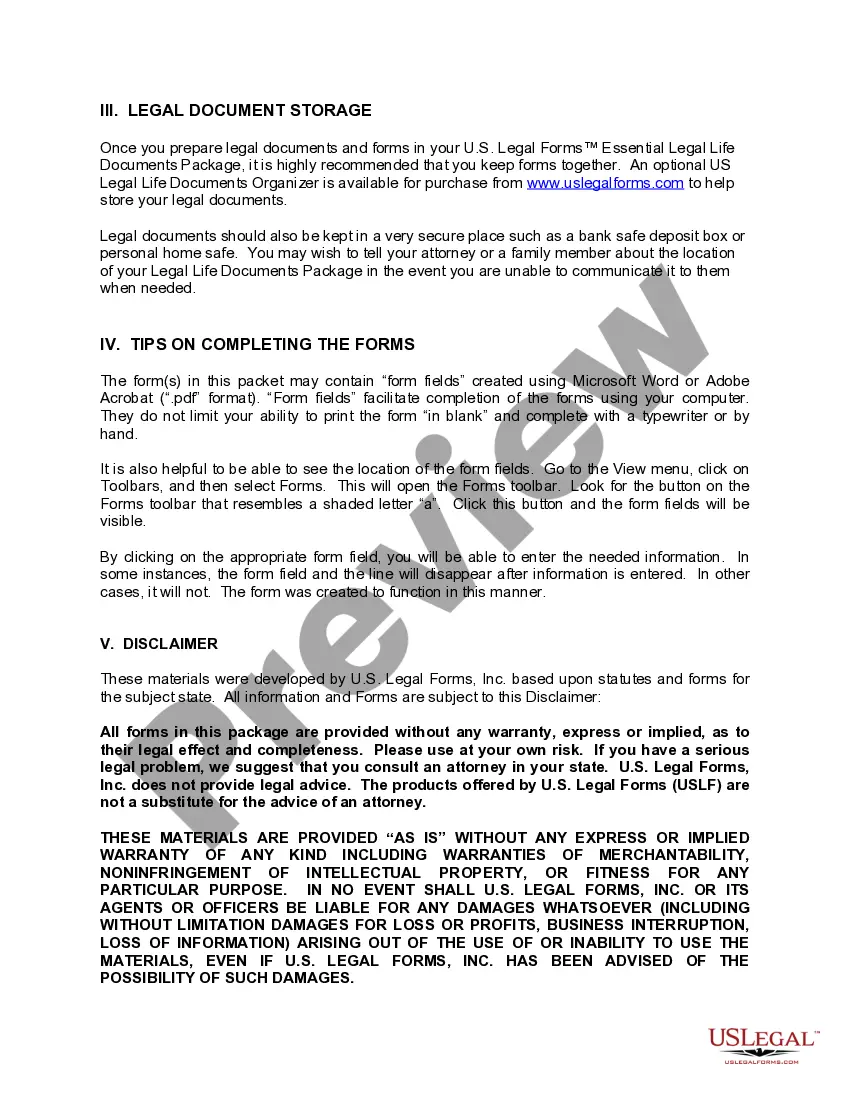
How to fill out Massachusetts Life Documents Planning Package, Including Will, Power Of Attorney And Living Will?
- If you're a returning user, log in to your account and download the living will form template directly. Ensure your subscription is active; renew if necessary.
- For first-time users, start by checking the Preview mode and description of the living will form to confirm it meets your local jurisdiction's requirements.
- If the form isn’t suitable, utilize the Search tab to find an appropriate template that meets your specifications.
- Once you find your form, proceed to purchase it by clicking the Buy Now button and selecting your desired subscription plan. You must create an account for access.
- Complete your transaction by entering payment details through credit card or PayPal to finalize your subscription.
- Download the completed living will form for your records, where you can access it anytime in the My Forms section.
US Legal Forms provides individuals and attorneys with a robust collection of over 85,000 easily fillable legal forms. This extensive library, larger than most competitors, allows you to find exactly what you need with ease.
Don’t put off securing your property decisions. Start your journey with US Legal Forms today!
Form popularity
FAQ
One significant disadvantage of a living will form for property is that it may not be as flexible as you desire. Once established, it could limit your ability to modify property management decisions in the future without proper updates. Additionally, if not understood well by your loved ones, it might lead to confusion about your wishes. Regularly reviewing and updating your living will can help mitigate these issues and ensure your intentions remain clear.
When drafting a living will form for property, you might include specific statements like, 'In the event I am unable to communicate my wishes, I request that my assets be managed according to the following guidelines.' This clear articulation of your desires regarding property ensures that your family understands your intentions. Using templates from US Legal Forms can provide structured wording that covers all necessary aspects succinctly.
Property is indeed included in a will, which serves as a comprehensive guide for the distribution of your assets after your passing. Unlike a living will form for property, which deals with life-sustaining treatment preferences, a will directly addresses how your property and assets will be transferred. To manage your property according to your wishes, it’s crucial to have both documents in place. This way, your wishes regarding both your medical care and your assets are clearly defined.
Yes, a living will form for property can address decisions related to your assets. Although a living will primarily focuses on medical decisions, it can include your preferences about property management. It’s important to clearly articulate how you want your property to be handled should you be unable to do so yourself. This ensures that your wishes are honored and minimizes potential disputes.
To complete your living will form for property, start by gathering your personal information and details about your property. Clearly state your wishes regarding the management of your property in case you become incapacitated. You can find user-friendly templates on platforms like US Legal Forms that guide you through the process. Make sure to review your form and sign it in the presence of witnesses, as required by your state.
A living will can be overridden by a court decision or newer legal documents that take precedence. Additionally, if you become capable of making decisions again, you can express your current wishes verbally or through a new document. Do keep in mind that health care providers need to adhere to established laws and regulations, ensuring your living will form for property is respected.
Creating a living will form for property in Alabama requires written documentation that expresses your health care preferences. You need to sign this document in front of two witnesses, who also must sign it to validate your wishes. Additionally, specifying clear instructions can help reduce confusion during critical moments. Make sure your document is detailed and reflects your desires.
One main drawback of a living will is its limited scope, as it only addresses medical decisions and does not cover property matters. This means that if you wish to outline your financial wishes, you will need a separate document. Additionally, some may find it difficult to confront end-of-life decisions when creating the form. It’s essential to prepare carefully and consider all aspects.
In Minnesota, a living will does not require notarization, but having it notarized can add an extra layer of validity. The living will form for property should be signed by the individual and witnessed by two people who are not related. Notarization can make your document more credible during legal processes if disputes arise.
A living will form for property primarily focuses on medical decisions rather than property distribution. It outlines your wishes for health care if you become unable to communicate. If your goal is to address property matters, consider creating a separate legal document, such as a will or trust, to clearly specify how your assets should be managed.