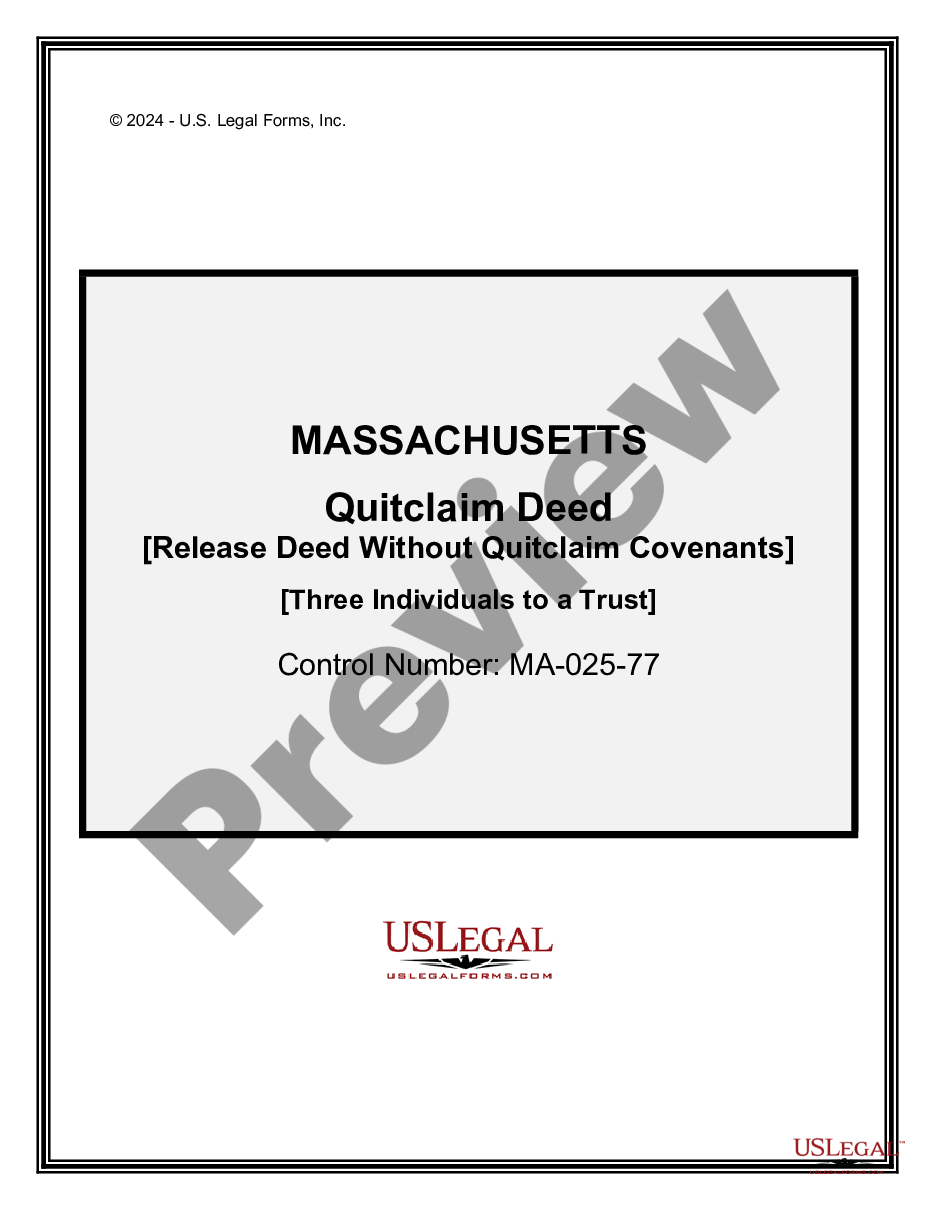
Quitclaim Deed With Life Estate
Description



Get your form ready online
Our built-in tools help you complete, sign, share, and store your documents in one place.
Make edits, fill in missing information, and update formatting in US Legal Forms—just like you would in MS Word.
Download a copy, print it, send it by email, or mail it via USPS—whatever works best for your next step.
Sign and collect signatures with our SignNow integration. Send to multiple recipients, set reminders, and more. Go Premium to unlock E-Sign.
If this form requires notarization, complete it online through a secure video call—no need to meet a notary in person or wait for an appointment.
We protect your documents and personal data by following strict security and privacy standards.

Make edits, fill in missing information, and update formatting in US Legal Forms—just like you would in MS Word.

Download a copy, print it, send it by email, or mail it via USPS—whatever works best for your next step.

Sign and collect signatures with our SignNow integration. Send to multiple recipients, set reminders, and more. Go Premium to unlock E-Sign.

If this form requires notarization, complete it online through a secure video call—no need to meet a notary in person or wait for an appointment.

We protect your documents and personal data by following strict security and privacy standards.
Looking for another form?







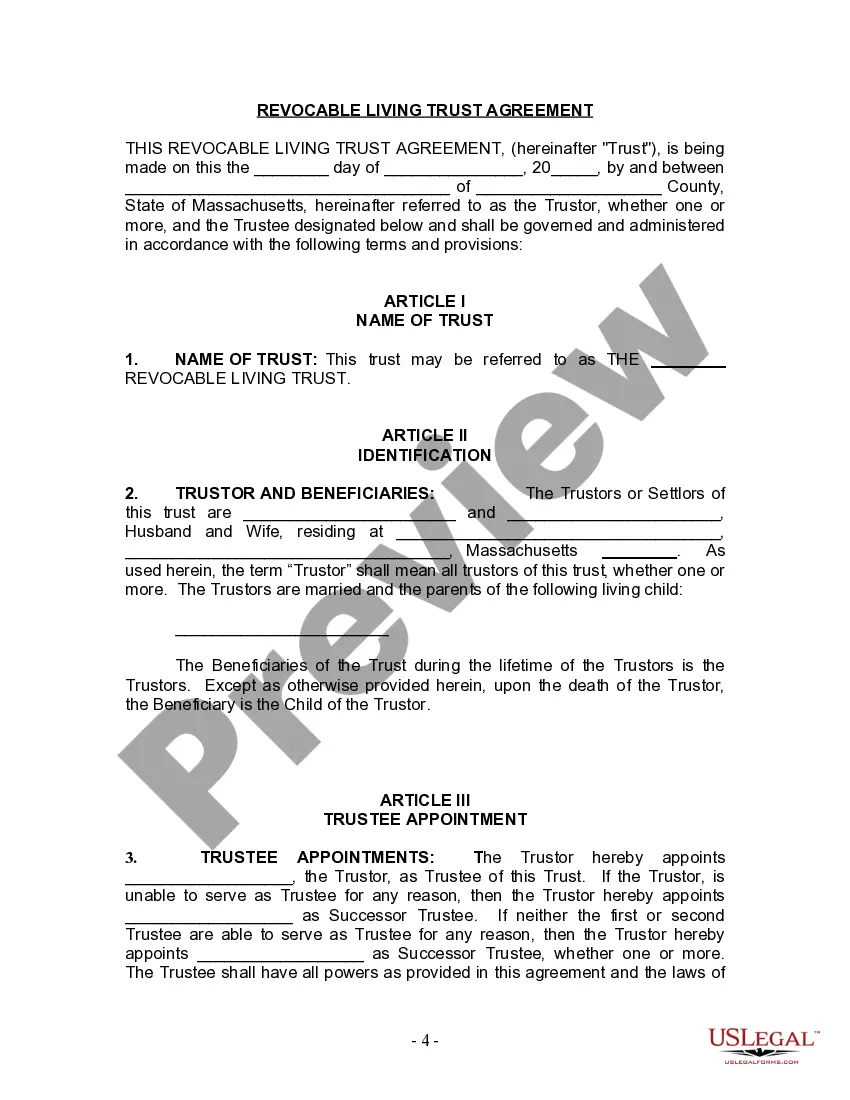
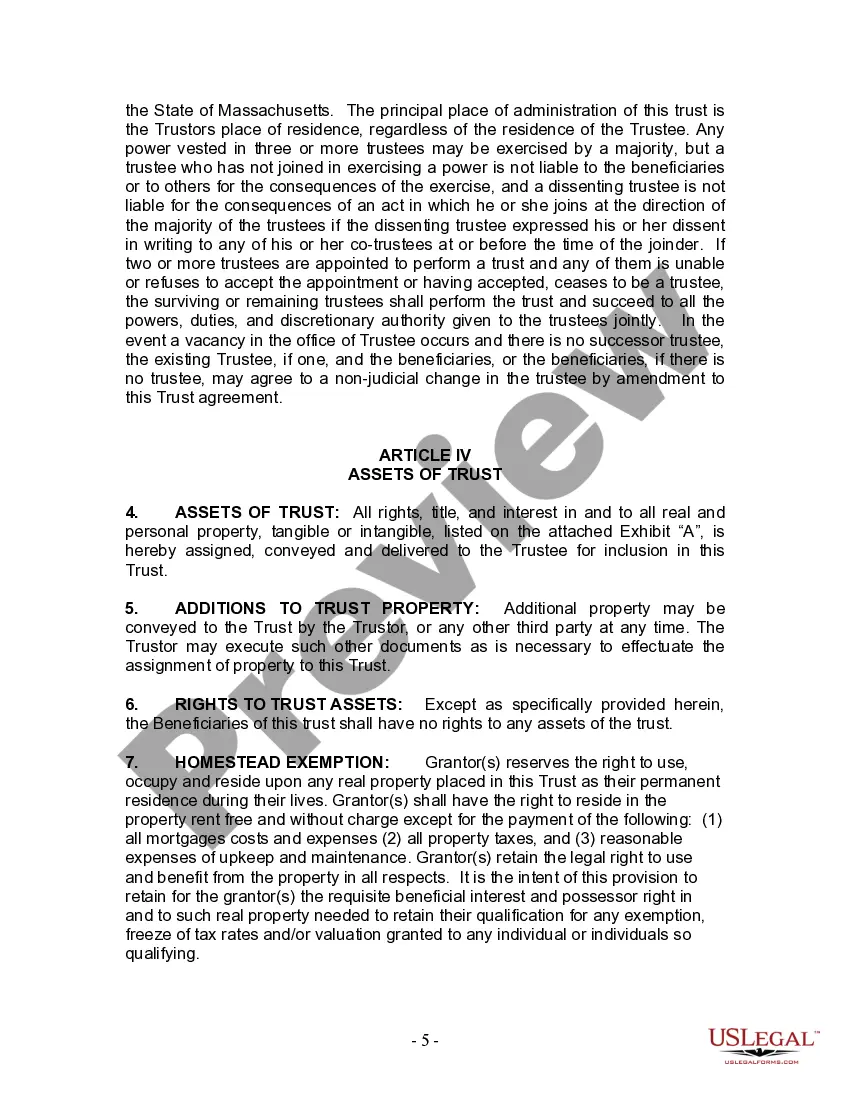
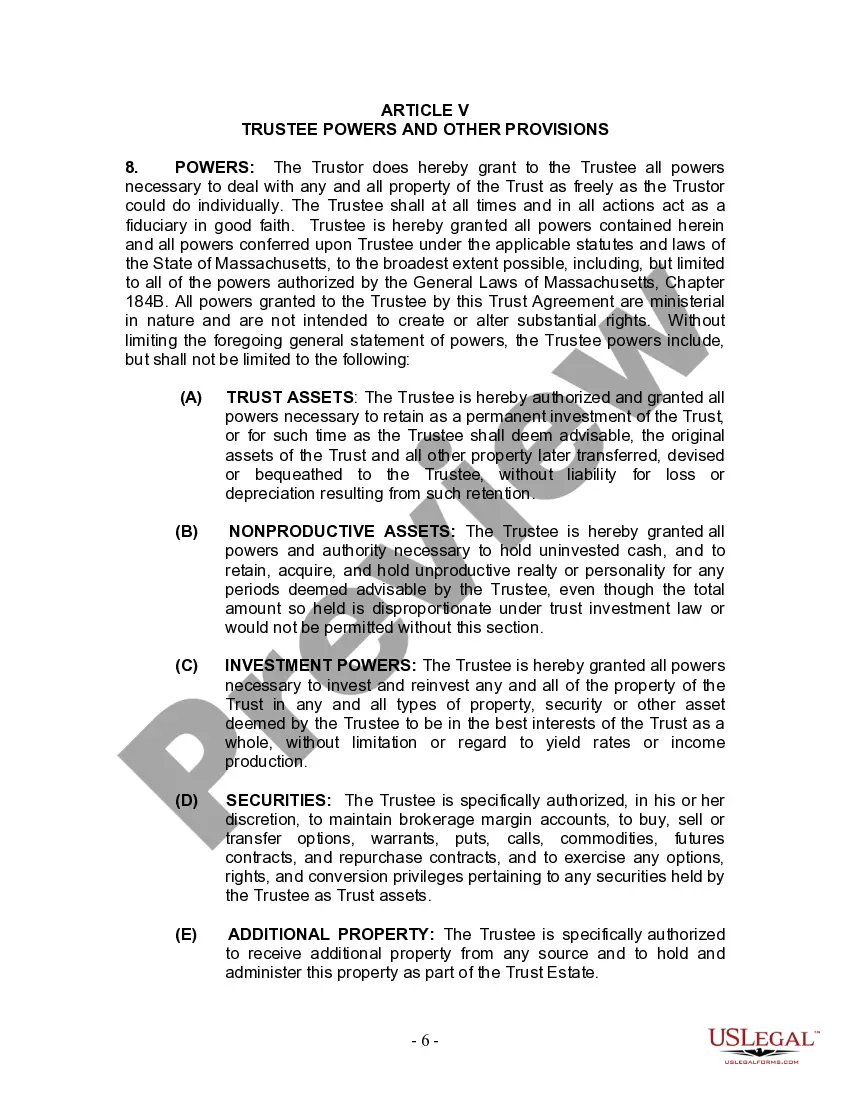
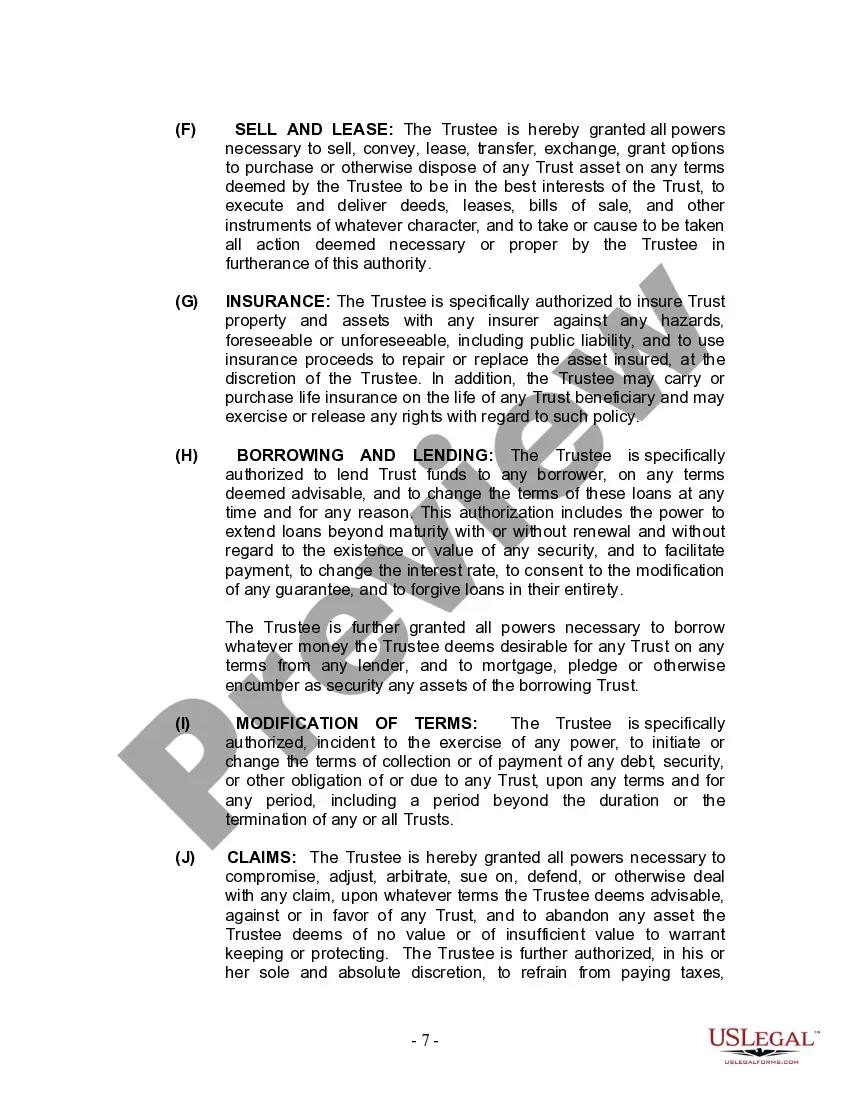
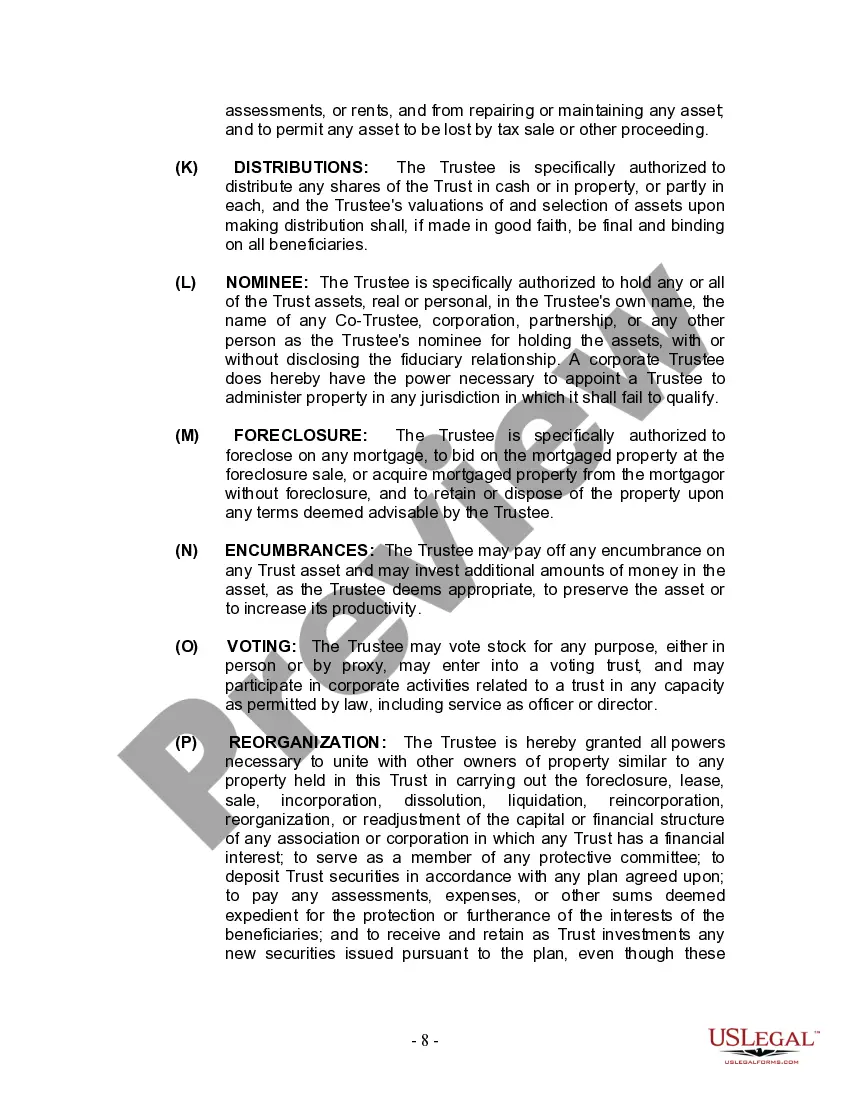
How to fill out Massachusetts Quitclaim Deed, W/O Quitclaim Covenants, From Three Individuals To A Trust?
- Log in to your account on the US Legal Forms website if you are an existing user. Make sure your subscription is active and click on the Download button for the form template you need.
- If you are new to the service, start by checking the preview and description of the quitclaim deed with life estate to ensure it fits your needs and complies with local jurisdictional requirements.
- If the form you need is not suitable, use the search feature to find another template that fits your specifications better.
- Once you’ve found the correct document, click on the Buy Now button and select your preferred subscription plan. Register for an account to access the extensive library of resources.
- Proceed with your purchase by entering your credit card information or using PayPal to complete the transaction.
- After purchasing, download the template to your device for easy access. You can revisit the form anytime from the My Forms menu in your profile.
In conclusion, obtaining a quitclaim deed with life estate through US Legal Forms is an efficient way to manage your legal paperwork. The service not only offers a comprehensive library but also provides access to expert assistance, ensuring your documents are completed accurately.
Don’t hesitate to get started today and explore the valuable resources available at US Legal Forms!
Form popularity
FAQ
A quitclaim deed with a life estate is a legal document that allows an owner to transfer property rights to another person while retaining the right to live on the property for their lifetime. This means the grantor can enjoy the property without fear of losing control, while also designating a future owner. Utilizing a quitclaim deed with a life estate can simplify property transfer issues and ensure long-term intentions are met.
People often create life estates to provide a secure living situation while ensuring property transfer to heirs. This arrangement allows individuals to maintain control of the property during their lifetime, while preventing it from being subjected to probate after death. Consequently, a quitclaim deed with a life estate can offer peace of mind regarding future property intentions.
A life estate can limit your control over the property. Once established, the life tenant cannot sell or mortgage the property without consent from the remainderman. Additionally, any incurred costs like property taxes or maintenance are typically the responsibility of the life tenant. Thus, understanding these aspects is crucial before establishing a quitclaim deed with a life estate.
Getting around a life estate typically involves some planning and possibly legal action. A life tenant might consider negotiating with the remainderman for an early transfer or buyout of their interest, depending on the situation. Alternatively, consulting with a legal expert familiar with quitclaim deeds with life estates can offer tailored strategies to help navigate any obstacles.
A quitclaim deed with a life estate is a legal document used to transfer property while retaining certain rights for the current owner. In this arrangement, the grantor gives up their ownership interest in the property, yet retains the right to live in and use the property for the rest of their life. This setup provides a straightforward way to pass property to heirs while allowing the current owner security during their lifetime.
A life estate deed can be a beneficial option for certain individuals, especially for estate planning purposes. It allows the life tenant to retain use of the property while ensuring that it will pass to the remainderman without going through probate. However, it is vital to consider personal circumstances and consult with legal experts, as the quitclaim deed with life estate may not be the best route for everyone.
One disadvantage of a life estate is that it limits the life tenant's ability to fully control the property. The life tenant cannot sell or mortgage the property without the consent of the remainderman. Additionally, the quitclaim deed with life estate can create complications in estate planning, as it affects the distribution of property after the life tenant's death.
Selling a house held in a life estate is possible, but it involves specific considerations. The life tenant can sell their interest; however, the buyer will only acquire the property for the duration of the life tenant's lifetime. This limitation can impact the sale's profitability, so understanding the implications of a quitclaim deed with life estate is crucial for potential sellers and buyers.
A will does not override a life estate when it comes to property rights. If a property is held in a life estate, the life tenant retains the right to use the property during their lifetime. However, once the life tenant passes away, the property automatically transfers to the remainderman outlined in the quitclaim deed with life estate. Therefore, it's essential to understand your options and the implications of a will in conjunction with a life estate.
Yes, you can quitclaim a life estate, which allows the life tenant to transfer their interest to another party. This is often done through a quitclaim deed with life estate, which can effectively streamline the transfer process. However, it’s important to ensure that all parties involved understand the implications of the transfer. You may also want to consult with a legal expert to navigate any complexities involved.