Louisiana Trust Laws
Description
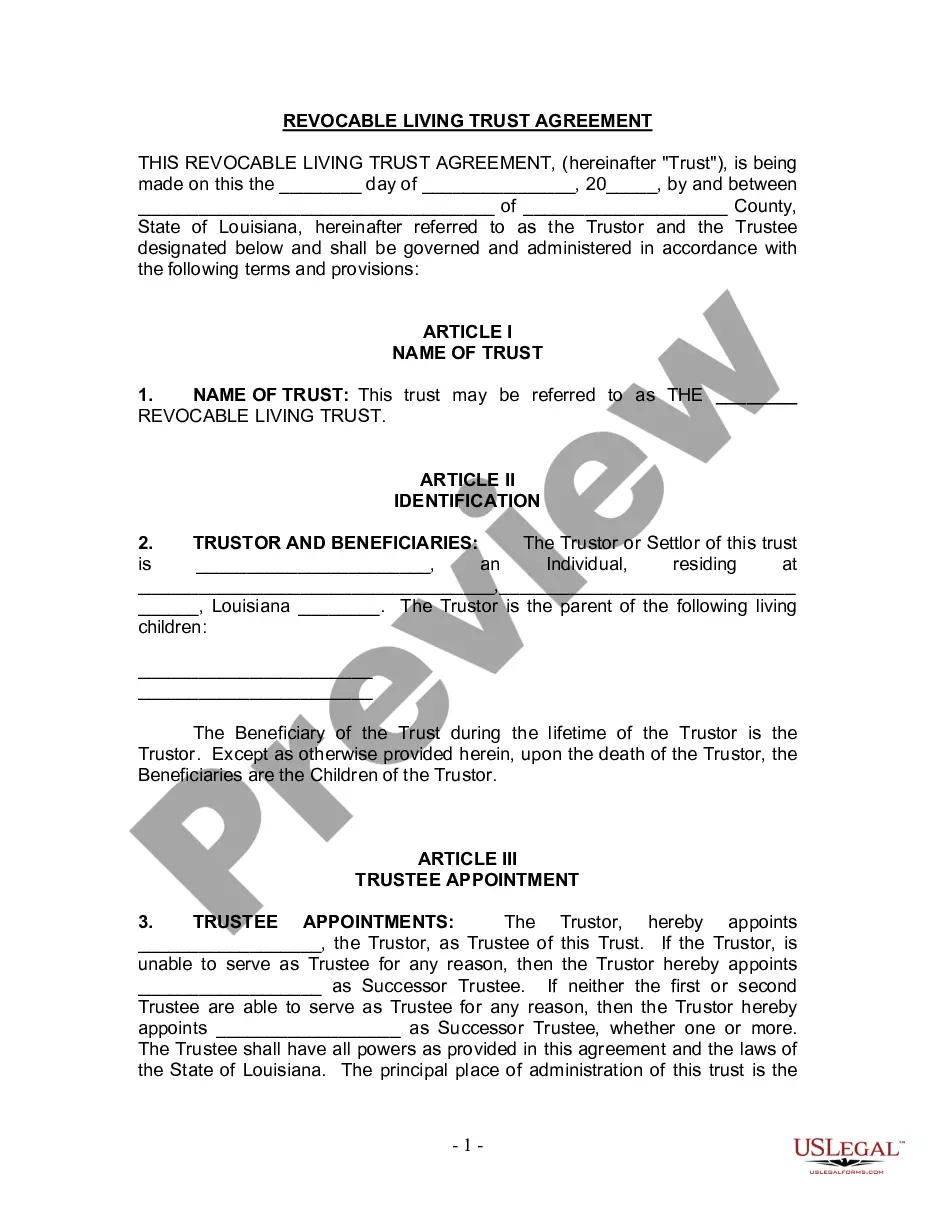
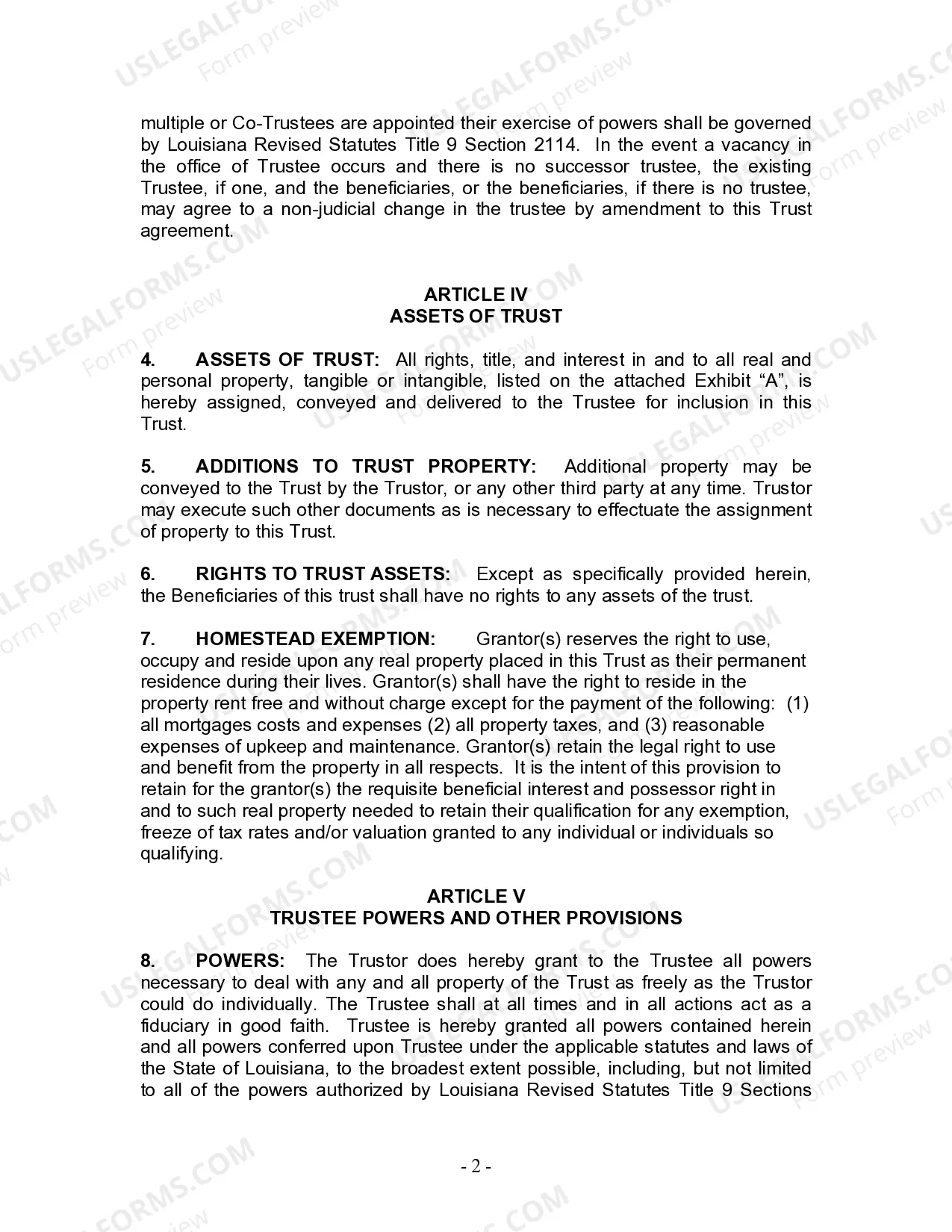
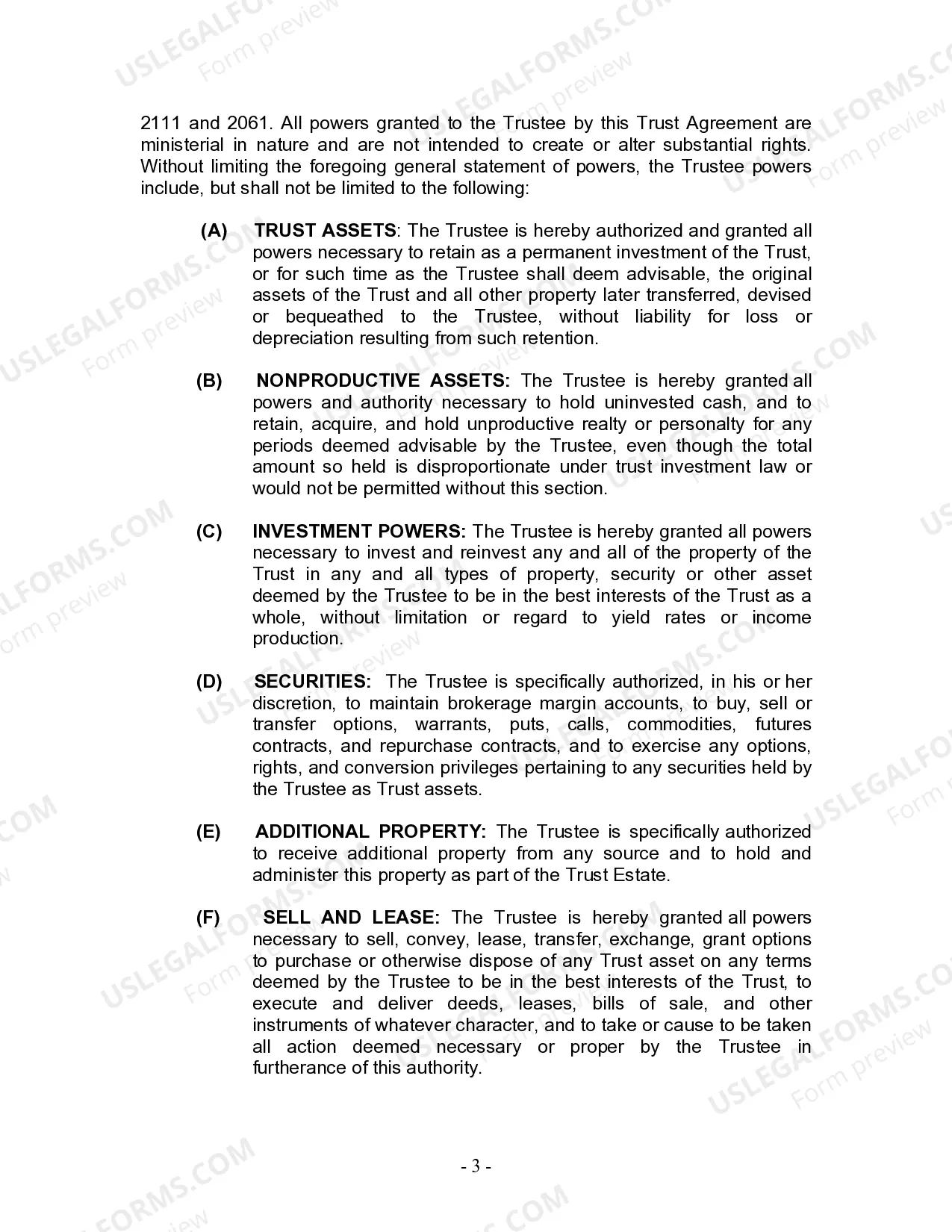
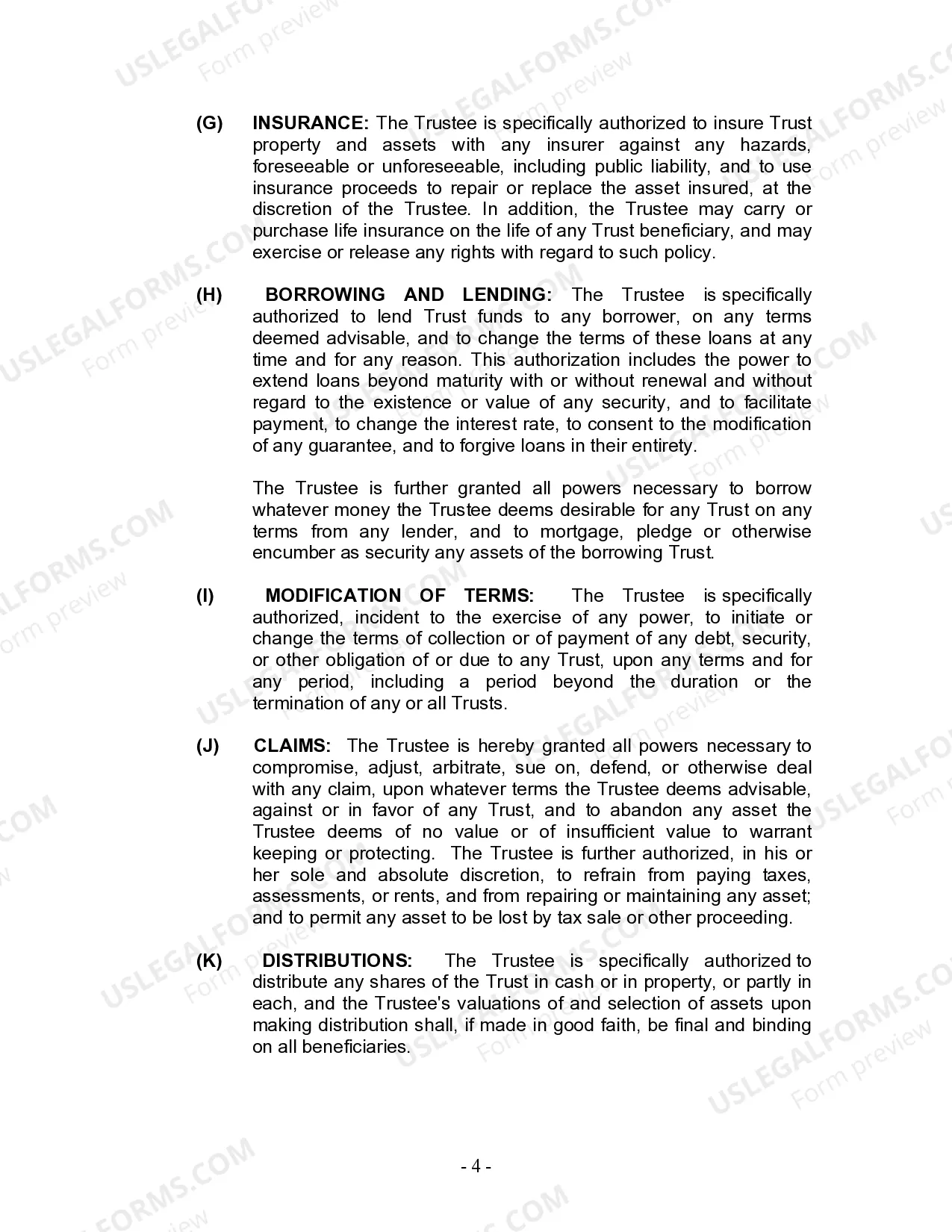
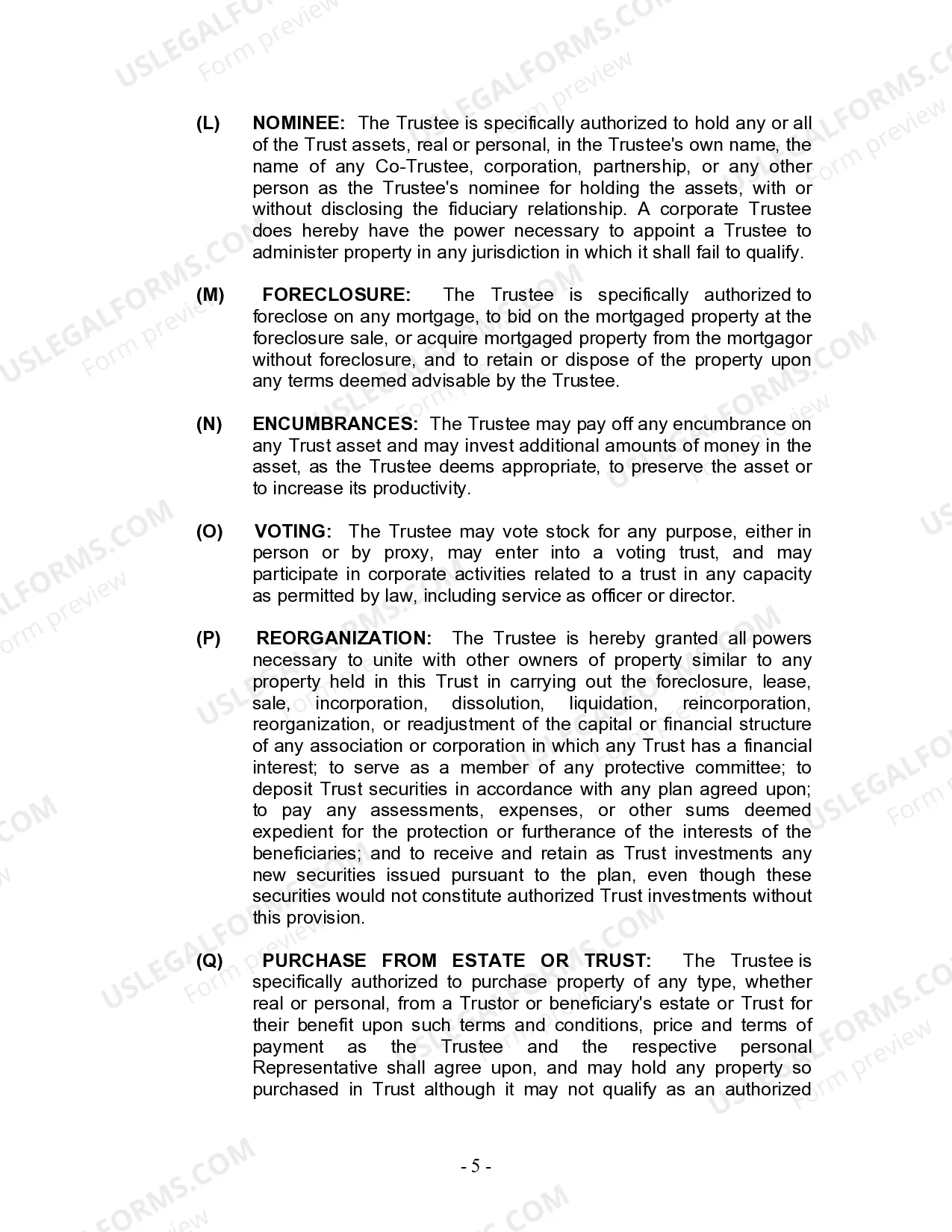
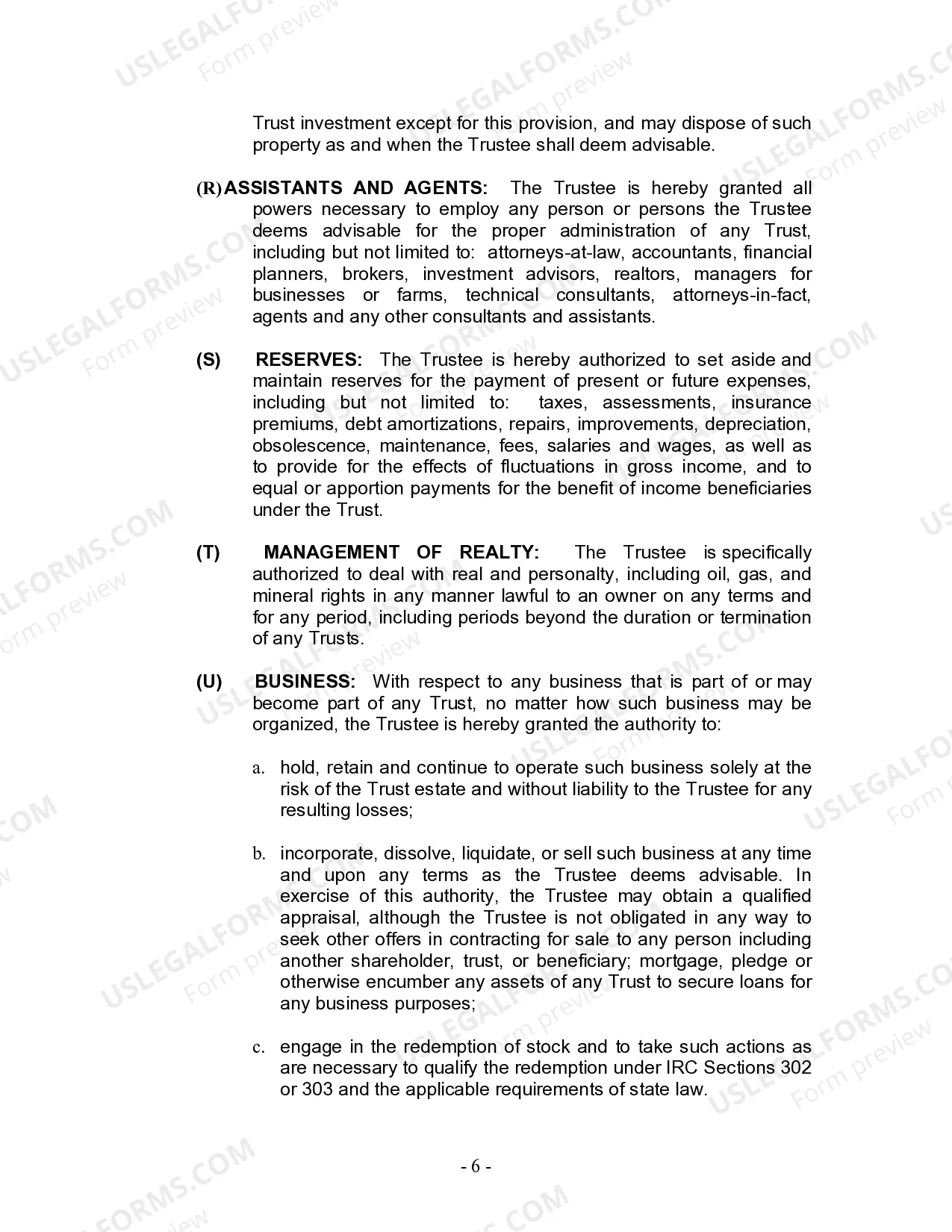
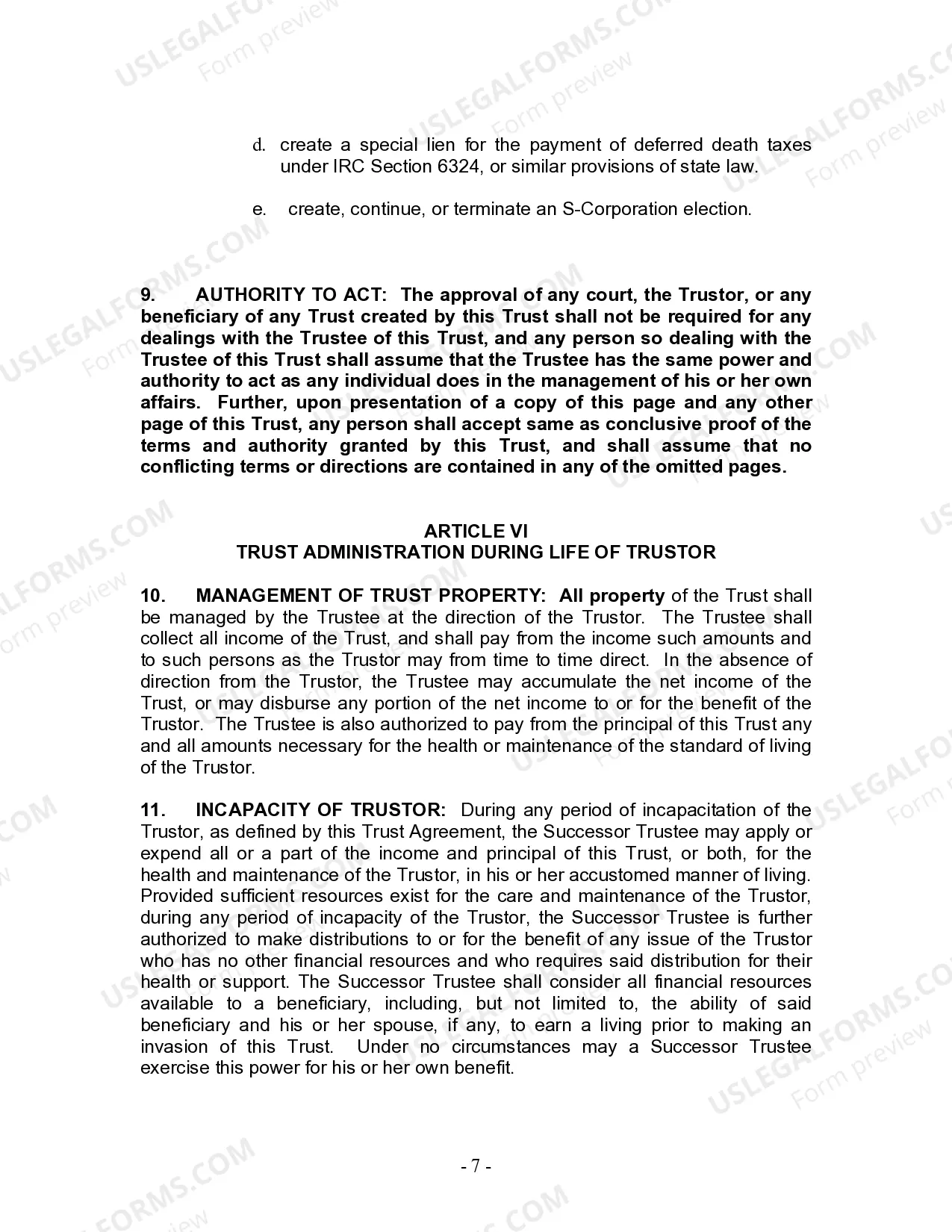
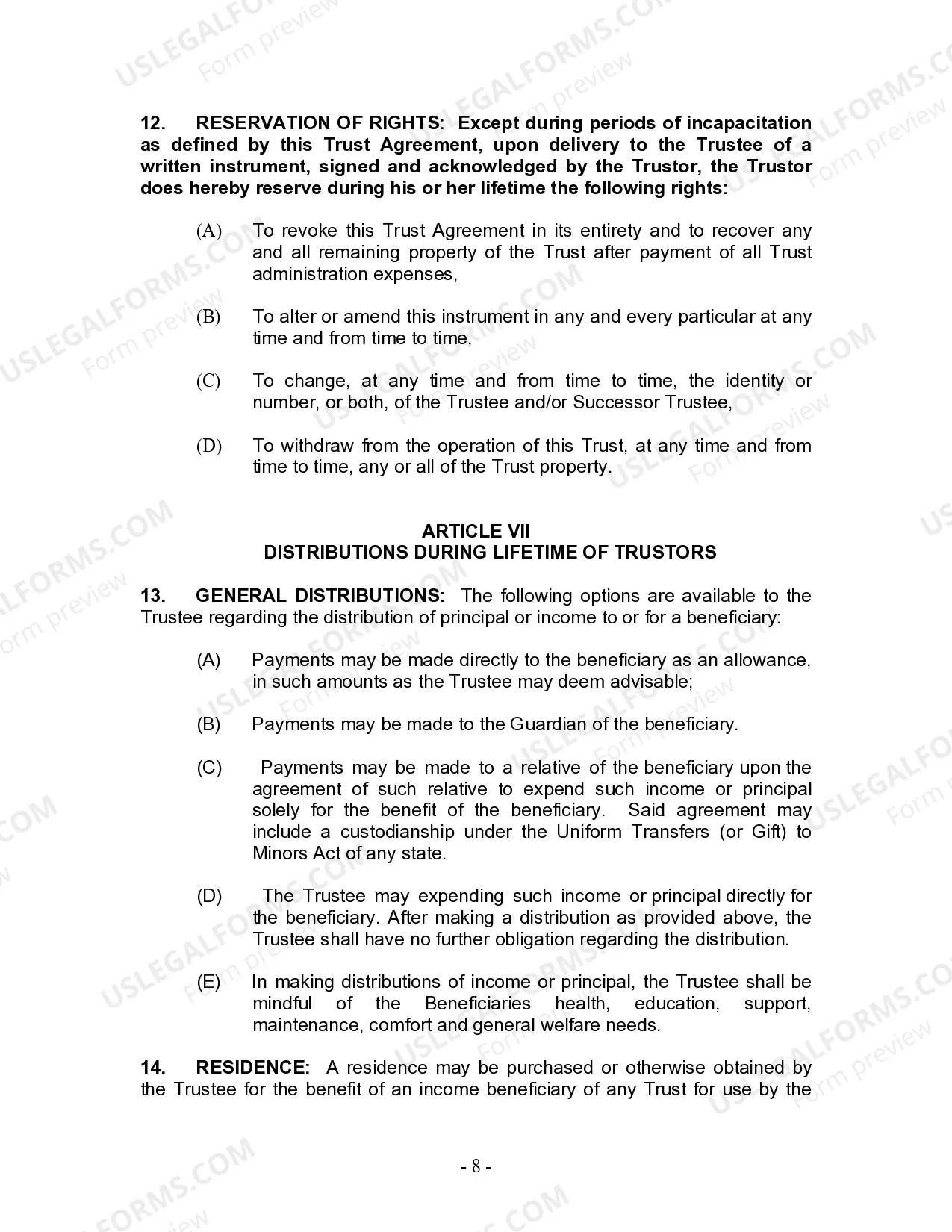



Get your form ready online
Our built-in tools help you complete, sign, share, and store your documents in one place.
Make edits, fill in missing information, and update formatting in US Legal Forms—just like you would in MS Word.
Download a copy, print it, send it by email, or mail it via USPS—whatever works best for your next step.
Sign and collect signatures with our SignNow integration. Send to multiple recipients, set reminders, and more. Go Premium to unlock E-Sign.
If this form requires notarization, complete it online through a secure video call—no need to meet a notary in person or wait for an appointment.
We protect your documents and personal data by following strict security and privacy standards.

Make edits, fill in missing information, and update formatting in US Legal Forms—just like you would in MS Word.

Download a copy, print it, send it by email, or mail it via USPS—whatever works best for your next step.

Sign and collect signatures with our SignNow integration. Send to multiple recipients, set reminders, and more. Go Premium to unlock E-Sign.

If this form requires notarization, complete it online through a secure video call—no need to meet a notary in person or wait for an appointment.

We protect your documents and personal data by following strict security and privacy standards.
Looking for another form?








Form popularity
FAQ
Yes, a trust must often file a tax return with the IRS, particularly if it generates income. This requirement ensures that the trust is compliant and transparent under federal tax laws. As trusts are subject to specific provisions of Louisiana trust laws, it's important to understand these obligations. Engaging with tax experts can ensure your trust meets its filing requirements and maintains its integrity.
Failing to file taxes on a trust can lead to penalties and interest charges imposed by the IRS. Trusts are required to report income annually, and neglecting this can complicate financial obligations, affecting beneficiaries under Louisiana trust laws. It's crucial to stay compliant with tax regulations to ensure the smooth operation of the trust. Utilizing tax professionals can help avoid these pitfalls and assure proper adherence to tax requirements.
To file a trust, you typically need to submit a formal trust document that outlines its terms and conditions. Depending on your circumstances, additional forms might be necessary to transfer assets into the trust. Using resources like US Legal Forms can simplify this process by providing the correct forms tailored to Louisiana trust laws. A well-filed trust ensures effective asset management and minimizes potential legal disputes.
One common mistake parents make is being unclear about their intentions for the trust fund. Without specific instructions, the trust may not accomplish the intended goals for their children. Properly structuring the trust and defining terms is crucial under Louisiana trust laws to ensure assets are managed and distributed effectively. Consulting professionals can help clarify your goals and tailor the trust to reflect your wishes.
Filing a trust in Louisiana involves creating the trust document and ensuring it complies with Louisiana trust laws. You must formally assign your assets to the trust and consider recording the trust documentation with the appropriate parish clerk. If you're uncertain about the process, platforms like US Legal Forms can provide the templates and guidance necessary to meet legal requirements. Properly filing your trust protects your intentions and benefits your beneficiaries.
A trust in Texas must have a lawful purpose, clear terms, and a trustee to manage the assets. It's essential that the trust meets the criteria outlined by Louisiana trust laws if assets are involved in both states. Additionally, the grantor must demonstrate intent to create the trust, ensuring that it abides by state regulations. If you're considering a trust that spans across states, seeking expert guidance can help you navigate these complexities.
In Louisiana, a trustee has specific powers granted by the trust document and state law. These powers typically include managing trust assets, making investment decisions, distributing income or principal to beneficiaries, and ensuring compliance with Louisiana trust laws. A trustee also has a fiduciary duty to act in the best interests of the beneficiaries, which means they must manage the trust's assets responsibly and transparently. Understanding these powers is essential for both trustees and beneficiaries.
An irrevocable trust in Louisiana operates by transferring assets into a trust that cannot be changed or dissolved by the grantor. When you set up this trust, it becomes a separate legal entity, and the assets within are managed by a designated trustee. This structure protects assets from estate taxes and creditors, while also ensuring that the trust's terms are followed as per Louisiana trust laws. It's a powerful tool for both estate planning and asset protection.
Irrevocable trust law in Louisiana outlines specific regulations governing the establishment and administration of these trusts. Under these laws, once assets are transferred into an irrevocable trust, they cannot be removed or altered by the grantor. This legal framework is designed to protect beneficiaries from creditors and ensure that the assets are used according to the grantor's wishes. Understanding these laws is crucial for anyone considering setting up an irrevocable trust.
The primary disadvantage of an irrevocable trust lies in its lack of flexibility. Once you establish this type of trust under Louisiana trust laws, you typically cannot modify or revoke it without court approval. This means that you give up control over the assets placed in the trust, which can make adjustments difficult in changing circumstances. It is essential to weigh this commitment against your long-term financial goals.
