Seizure Warning
Description
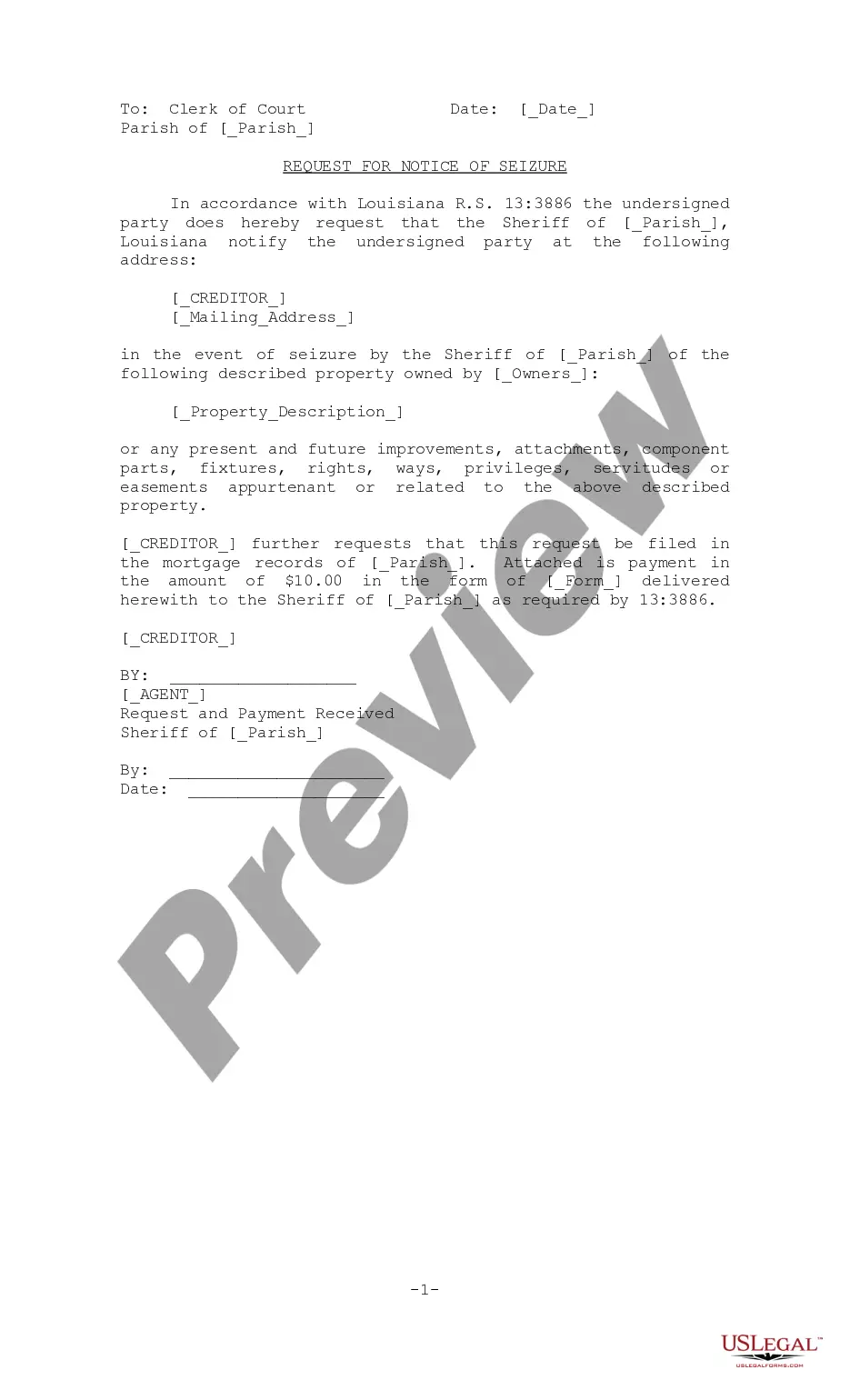
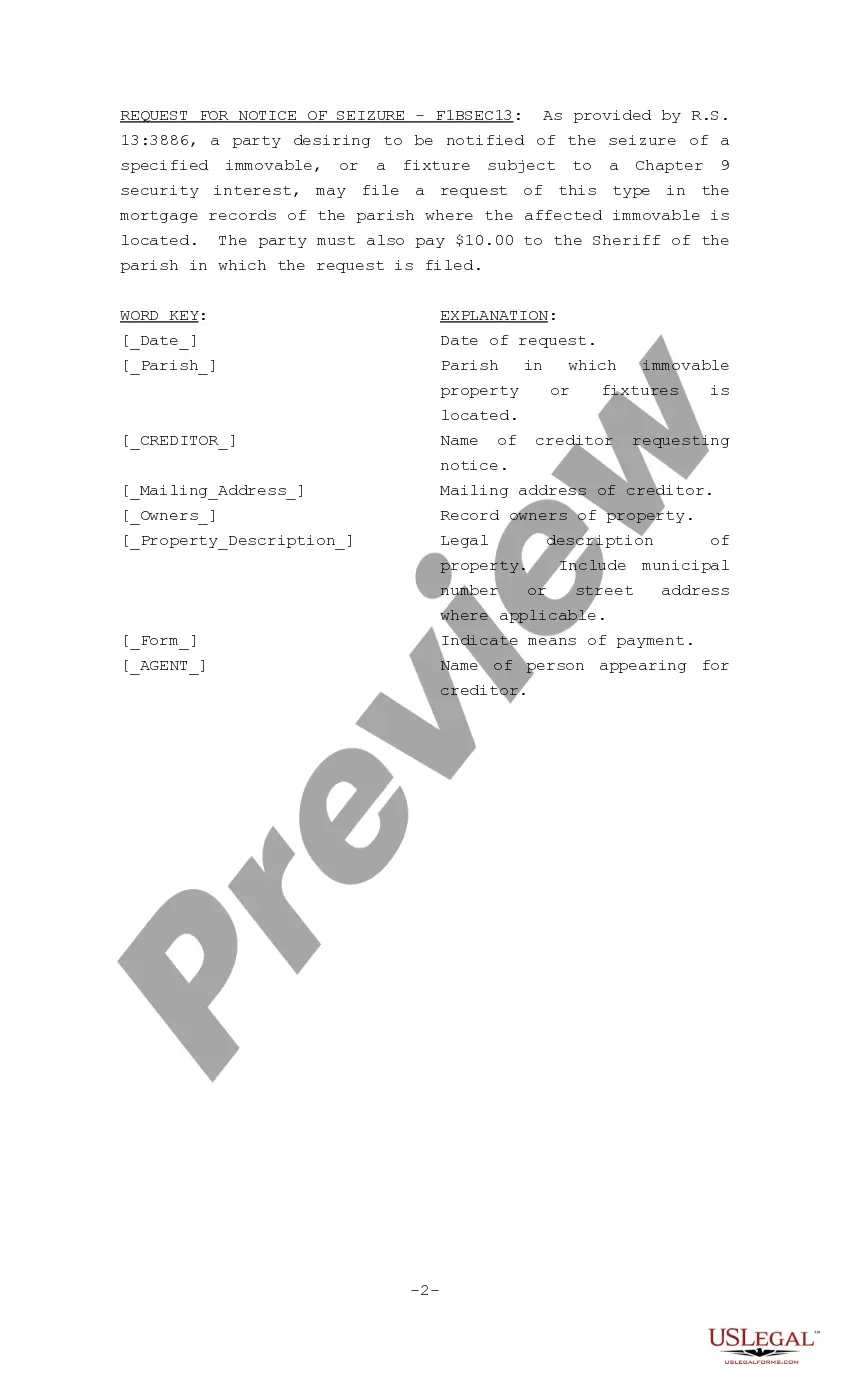
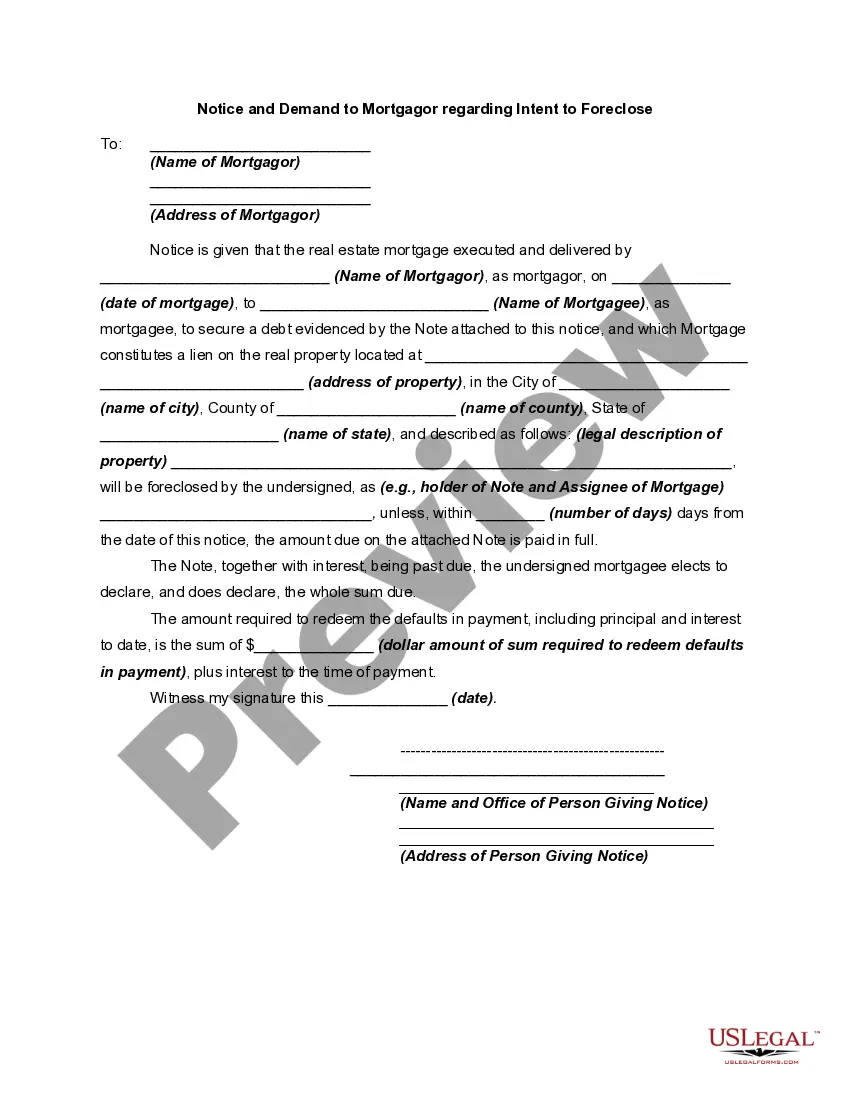
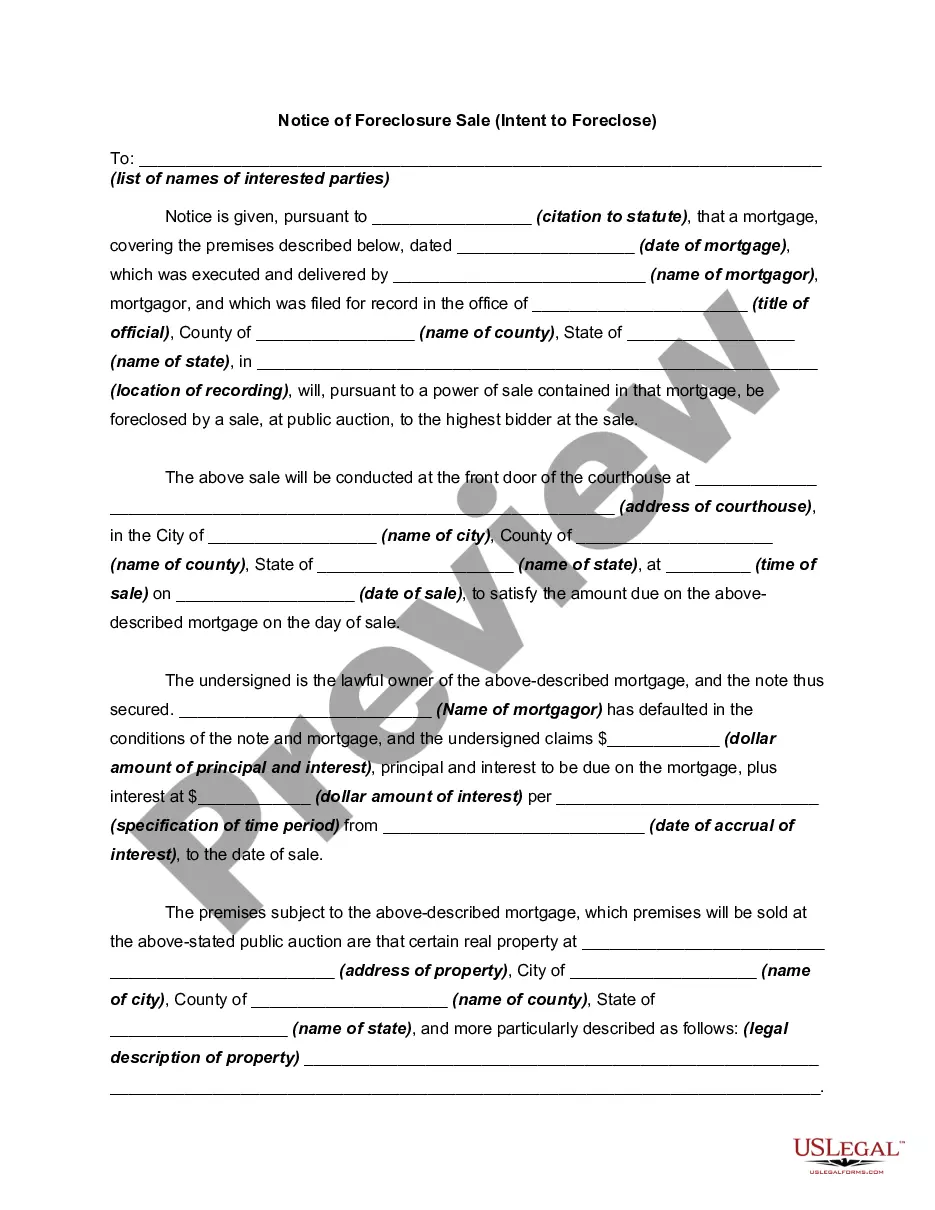
Get your form ready online
Our built-in tools help you complete, sign, share, and store your documents in one place.
Make edits, fill in missing information, and update formatting in US Legal Forms—just like you would in MS Word.
Download a copy, print it, send it by email, or mail it via USPS—whatever works best for your next step.
Sign and collect signatures with our SignNow integration. Send to multiple recipients, set reminders, and more. Go Premium to unlock E-Sign.
If this form requires notarization, complete it online through a secure video call—no need to meet a notary in person or wait for an appointment.
We protect your documents and personal data by following strict security and privacy standards.

Make edits, fill in missing information, and update formatting in US Legal Forms—just like you would in MS Word.

Download a copy, print it, send it by email, or mail it via USPS—whatever works best for your next step.

Sign and collect signatures with our SignNow integration. Send to multiple recipients, set reminders, and more. Go Premium to unlock E-Sign.

If this form requires notarization, complete it online through a secure video call—no need to meet a notary in person or wait for an appointment.

We protect your documents and personal data by following strict security and privacy standards.
Looking for another form?






How to fill out Louisiana Request For Notice Of Seizure?
- If you're a returning user, log in to your account and check your subscription status. Click the Download button to save your desired form template.
- For first-time users, start by previewing the available forms. Ensure your chosen template meets your jurisdiction's requirements by checking the form description carefully.
- If the form does not suit your needs, utilize the Search tab to explore other templates until you find the perfect one.
- Once you've found the right document, proceed to purchase. Click the Buy Now button and select your desired subscription plan.
- Input your payment details using your credit card or PayPal to complete the purchase.
- Finally, download your form and save it on your device. You can always access it later in the My Forms section of your profile.
US Legal Forms not only offers an extensive library of over 85,000 fillable documents but also ensures that you receive expert assistance whenever needed. This ensures that your completed forms are reliable and legally sound.
By following this guide, accessing your legal documents is simpler than ever. Embrace the benefits of US Legal Forms today and take control of your legal needs!
Form popularity
FAQ
Documenting a seizure episode requires an accurate account of the event's characteristics. Capture the duration, types of movements observed, and the individual's post-seizure state. Clear documentation provides a vital resource for healthcare professionals, enabling informed decisions and better care planning in response to seizure warnings.
Recording a seizure involves carefully noting the start and end times, physical signs, and emotional or cognitive responses of the affected person. Use a consistent format for ease of tracking over time. This detailed record can offer essential insights into seizure patterns, acting as an effective seizure warning for healthcare providers.
To document a seizure episode, maintain clarity and detail. Record the time of onset, duration, and the specifics of movements or behavior changes. This information acts as a crucial seizure warning, helping to form a picture of the individual's seizure patterns for future reference and treatment planning.
During a seizure, a nurse should document the exact time the seizure starts and finishes, as well as the type of movements observed. It's essential to note any vital signs and the patient's condition post-seizure. Comprehensive documentation ensures that medical history is clear, which supports ongoing treatment strategies and allows for effective monitoring.
When describing a seizure episode, focus on the onset, duration, and observable behaviors. Detail the person's movements, any loss of consciousness, and the recovery phase following the seizure. Accurately capturing these aspects enhances the understanding of the seizure warning signs and patterns, aiding healthcare providers in diagnosing and treating as needed.
To effectively document a post seizure, first record the time the seizure ended and note any immediate effects on the person. Include observations such as the individual's responsiveness, confusion level, and any injuries sustained. A well-documented account serves as a valuable reference for medical professionals, further assisting in ongoing care.
The rule of 3 for seizures refers to the guideline that if a person experiences three seizures within a short time frame, it is crucial to seek medical attention immediately. This rule serves as a seizure warning, indicating a potential escalation in severity. Being aware of this rule helps individuals and caregivers respond promptly, ensuring proper care.
Documenting seizure activity involves recording important details systematically. Begin by noting the time, duration, and type of seizure experienced. Include observations about the patient's behavior before, during, and after the seizure, as well as any interventions you administered. This documentation supports accurate medical evaluations and informs future treatment decisions. Consider using the US Legal Forms platform to streamline the reporting process.
Documenting a seizure nursing note requires specificity and clarity. Include the patient’s name, date and time of the seizure, and a detailed account of the event. Record your observations about the duration, characteristics, and response to interventions. This thorough documentation serves as a critical reference for ongoing care and treatment planning.
Writing a flash warning involves creating a clear, concise message that alerts individuals to potential seizure activity. Start by outlining key symptoms and recommended actions, such as moving obstacles away from the person experiencing the seizure. Make it visually distinct, using bold lettering or bright colors that draw attention. This ensures those nearby can react promptly.