Bail For Jewelry
Description

Get your form ready online
Our built-in tools help you complete, sign, share, and store your documents in one place.
Make edits, fill in missing information, and update formatting in US Legal Forms—just like you would in MS Word.
Download a copy, print it, send it by email, or mail it via USPS—whatever works best for your next step.
Sign and collect signatures with our SignNow integration. Send to multiple recipients, set reminders, and more. Go Premium to unlock E-Sign.
If this form requires notarization, complete it online through a secure video call—no need to meet a notary in person or wait for an appointment.
We protect your documents and personal data by following strict security and privacy standards.

Make edits, fill in missing information, and update formatting in US Legal Forms—just like you would in MS Word.

Download a copy, print it, send it by email, or mail it via USPS—whatever works best for your next step.

Sign and collect signatures with our SignNow integration. Send to multiple recipients, set reminders, and more. Go Premium to unlock E-Sign.

If this form requires notarization, complete it online through a secure video call—no need to meet a notary in person or wait for an appointment.

We protect your documents and personal data by following strict security and privacy standards.
Looking for another form?


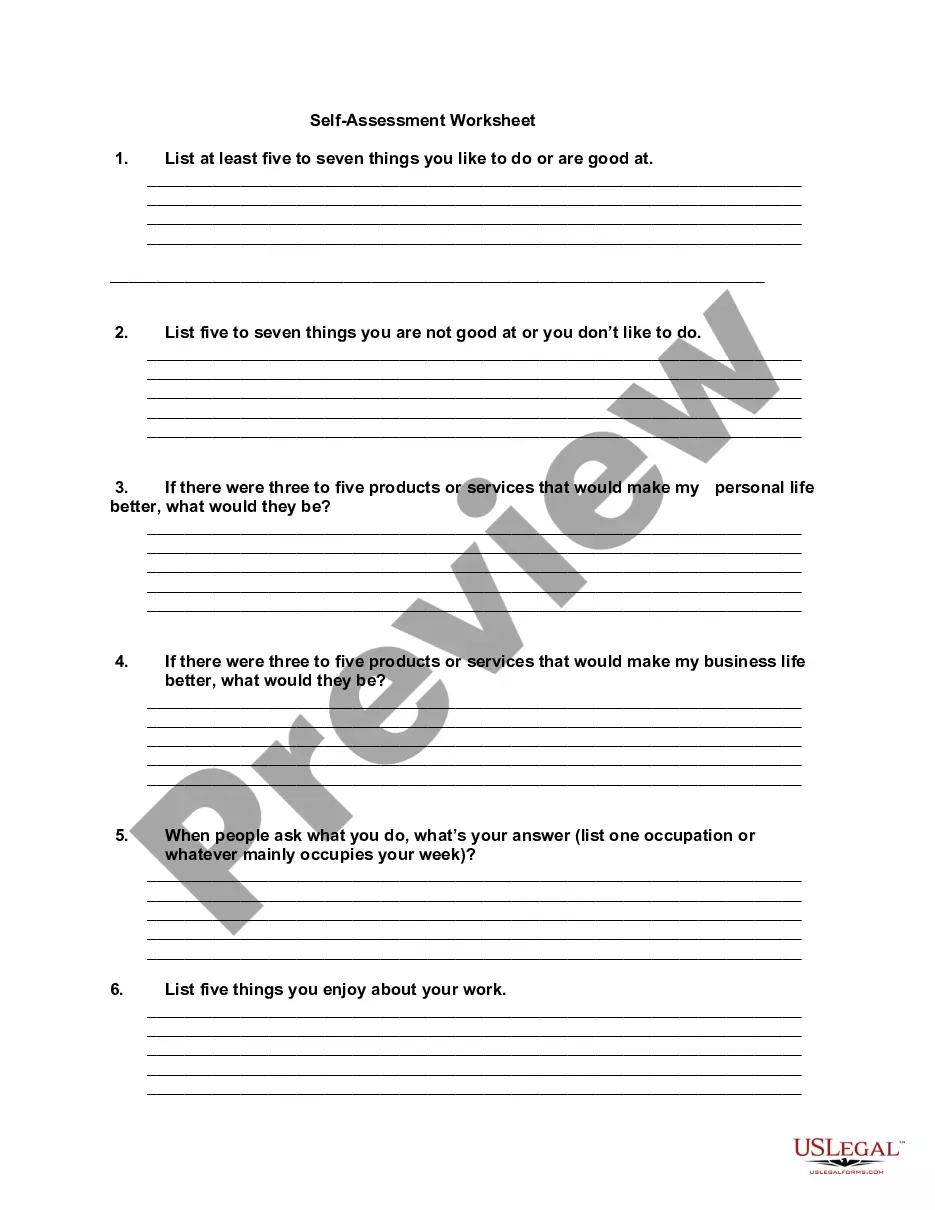
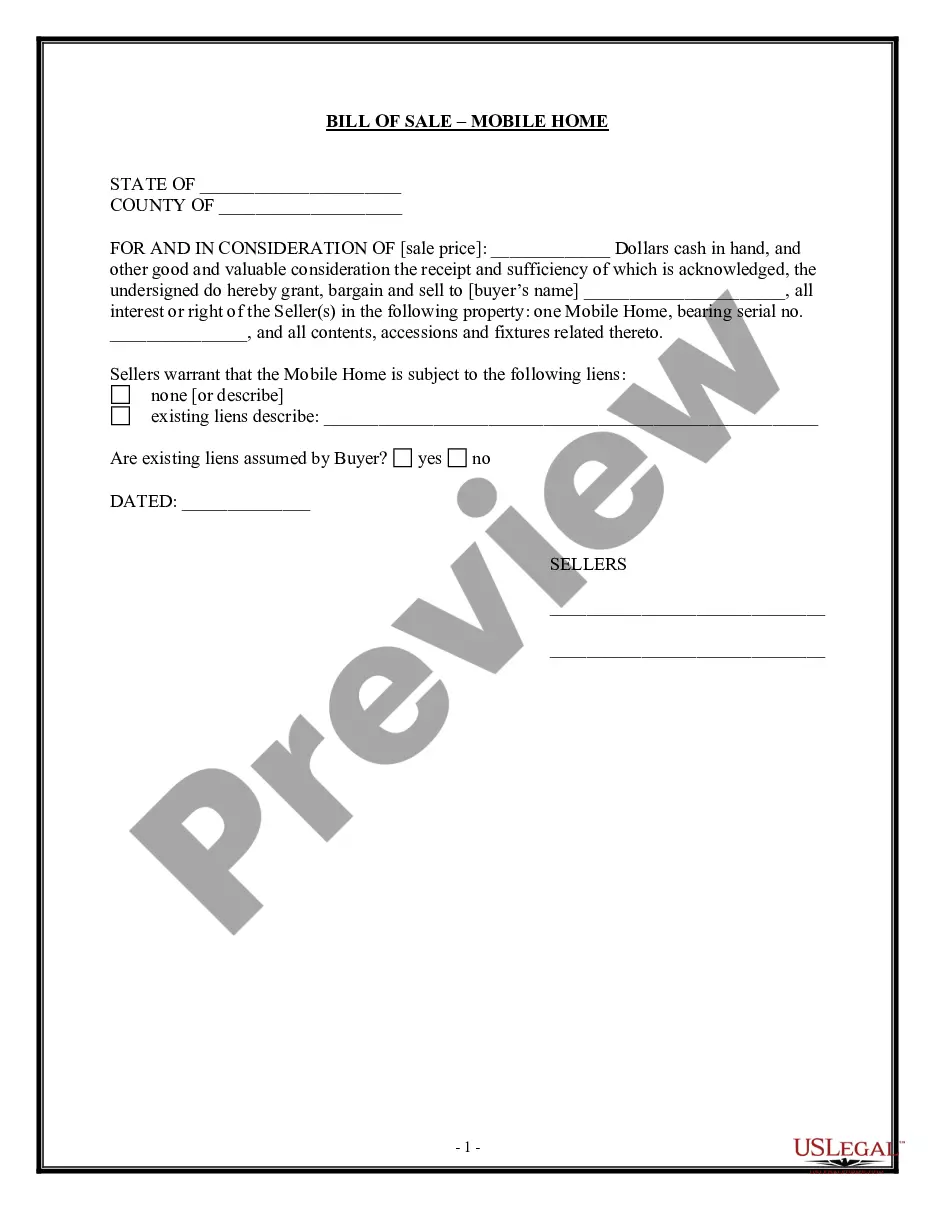




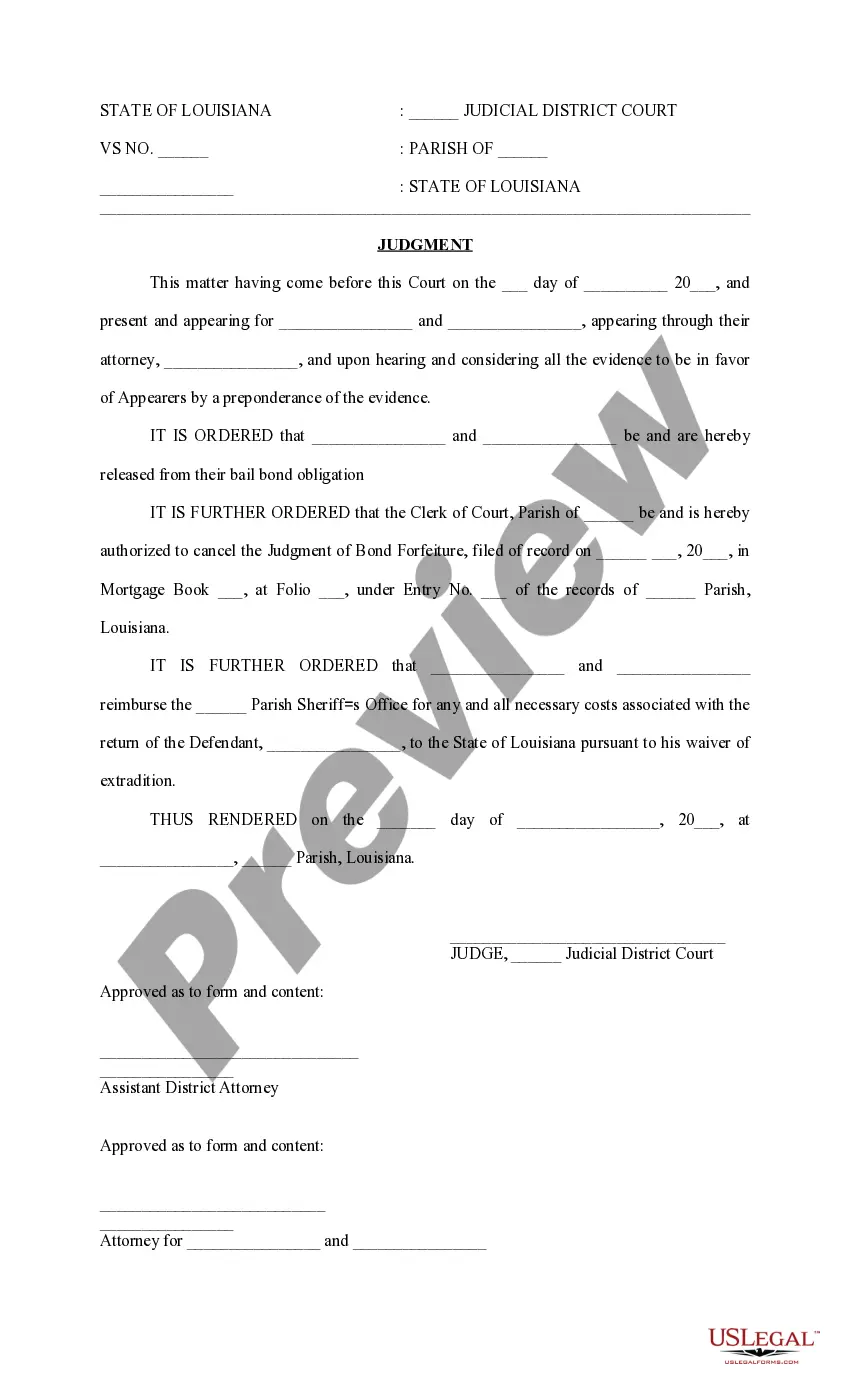
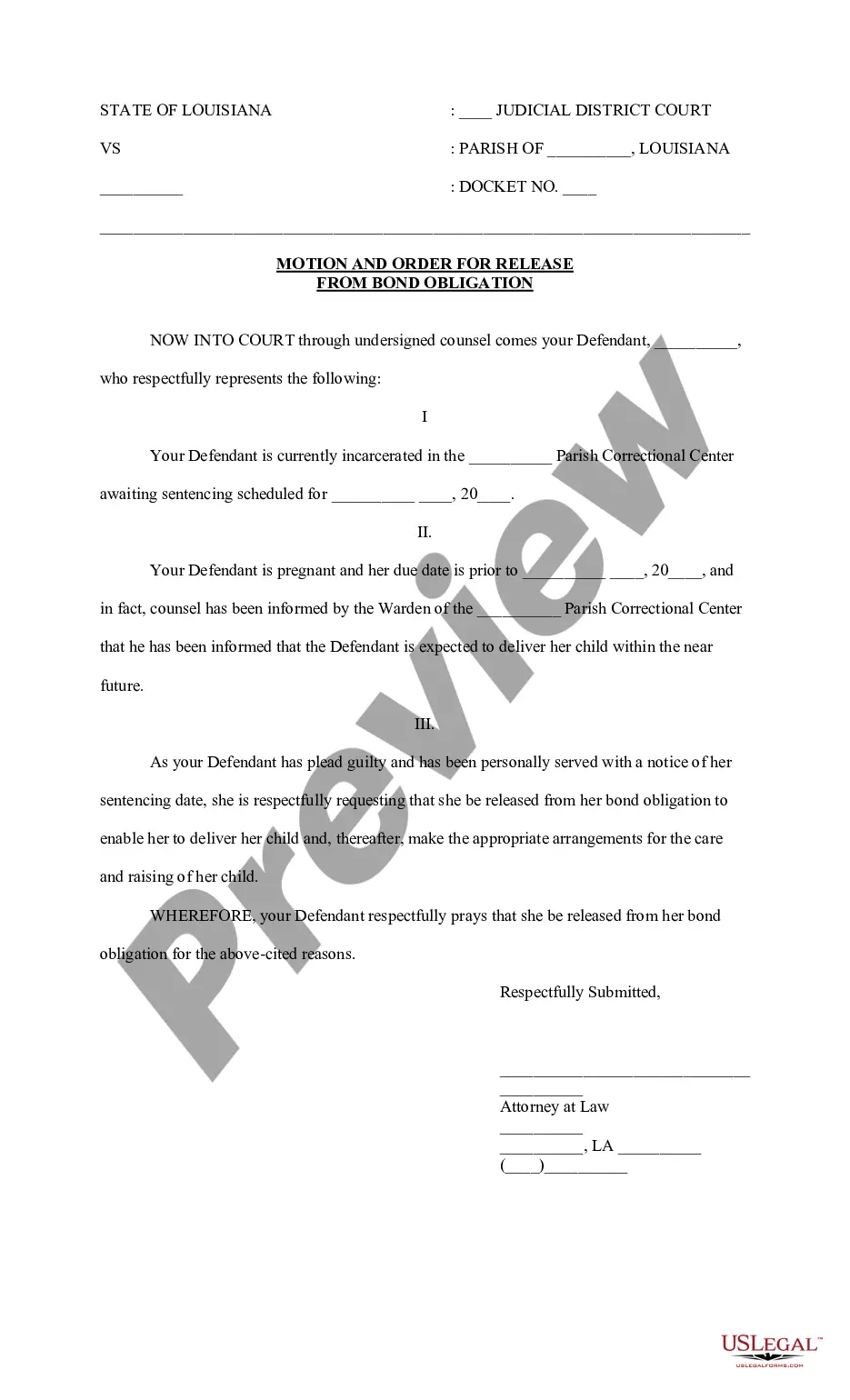
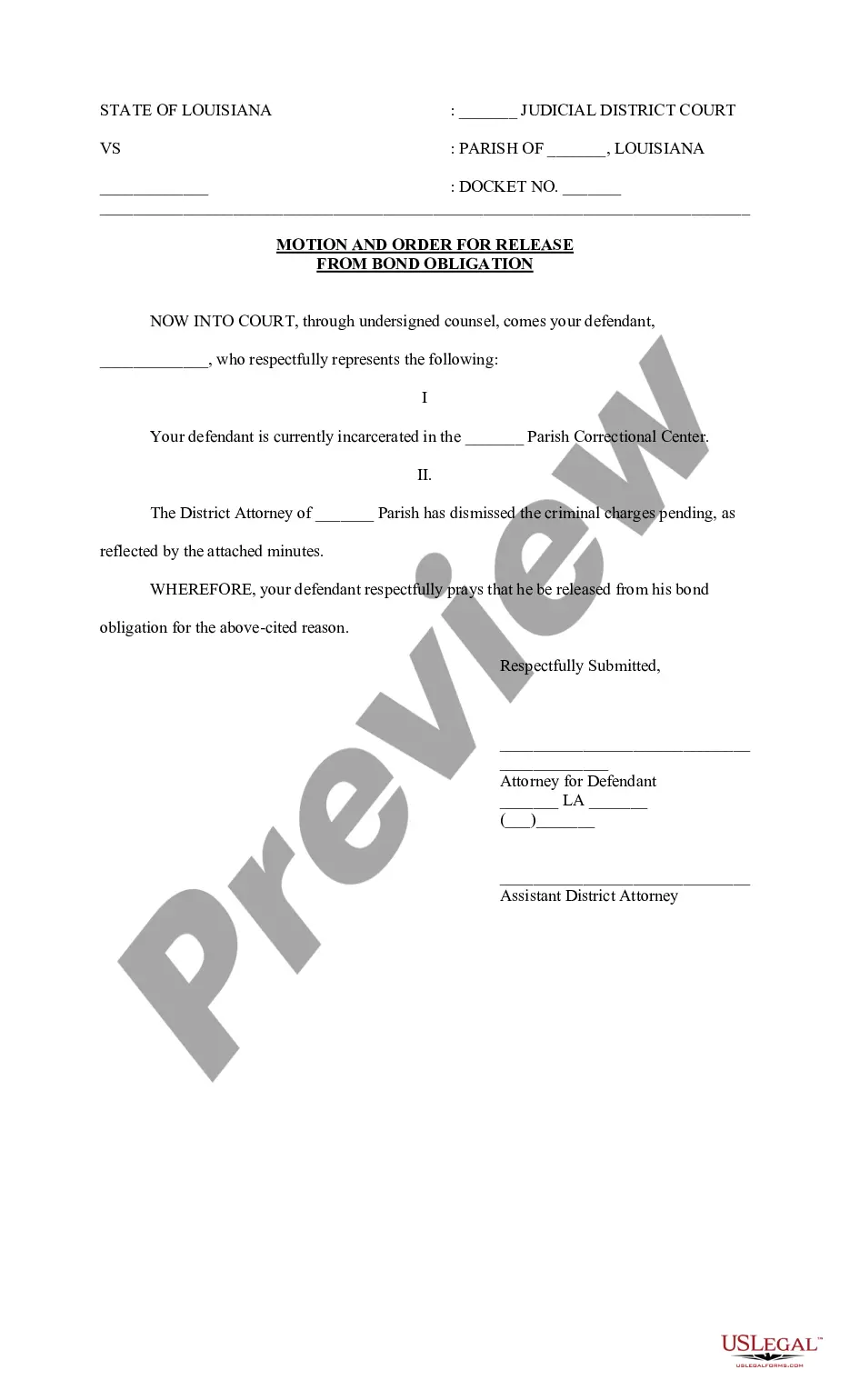
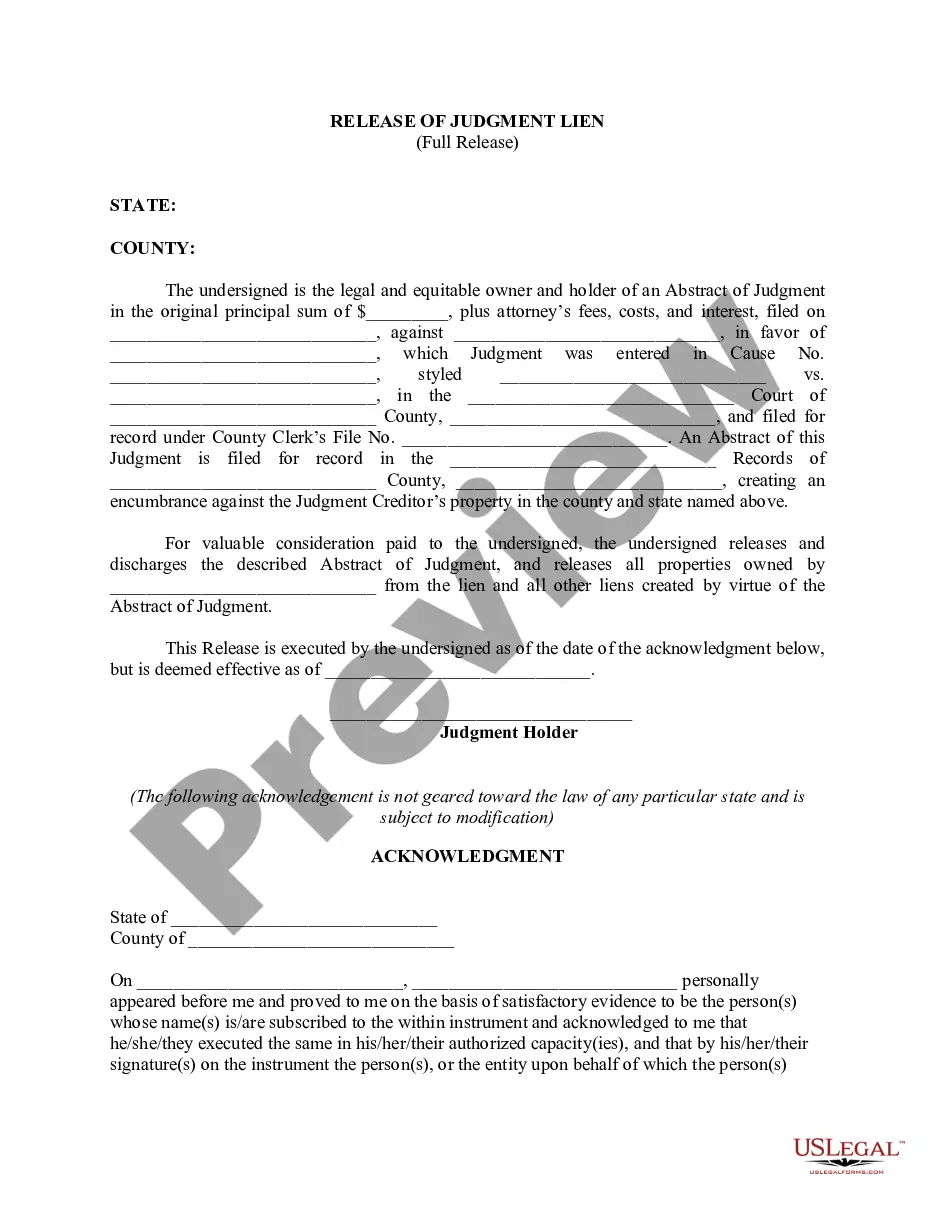
How to fill out Louisiana Judgment Of Release From Bail Bond Obligation?
- If you are a returning user, log in to your account to download the required form. Verify that your subscription is active to avoid any interruptions.
- For first-time users, review the form preview and descriptions available on the site to find the one that fits your needs and complies with local jurisdiction.
- If you need a different template, utilize the Search feature to locate alternative forms that better suit your requirements.
- To purchase the document, click the Buy Now button, select your desired subscription plan, and sign up for an account for access to the forms library.
- Complete your transaction by entering your credit card details or selecting your PayPal account for a secure payment.
- Once purchased, download your form to your device. You can further access it anytime from the My Forms section of your profile.
In conclusion, US Legal Forms stands out with a robust collection of legal documents and expert support. This service not only provides convenience but also ensures you have access to all necessary resources for managing your legal needs effectively.
Start today by visiting US Legal Forms and explore the tools available for your legal documentation.
Form popularity
FAQ
Creating a bail for a pendant can be a rewarding experience. Start by cutting a small piece of wire, then shape it into a loop that will hold your pendant. Ensure the loop is securely wrapped to prevent the pendant from slipping. By making your own bail for jewelry, you can personalize your designs and achieve a unique look.
To open a jewelry loop, take two pairs of pliers and grasp the loop on either side. Gently twist one side away from you while pushing the other side toward you. This action will create an opening, allowing you to attach or remove items. Remember, when closing the loop, twist it back to its original position to secure everything.
Using a pinch clip is simple and effective for securing jewelry components together. Start by placing the clip over the desired area of your jewelry piece, ensuring a snug fit. Next, apply pressure to the clip’s sides to secure your items in place. This handy tool is perfect for those who want to create custom pieces with ease.
Opening a pinch bail is a straightforward process. Simply pinch the sides of the bail together, then slightly pull apart until you create enough space for your jewelry piece. Use flat-nose pliers for better grip and control during this process. This method ensures that your jewelry remains secure while allowing for easy changes.
To open a pinch bail for jewelry making, gently squeeze the top of the bail using your fingers or pliers. This action will create an opening, allowing you to attach your pendant or gemstone. Always take care not to apply excessive force, as this can damage the bail. Once attached, you can release the bail, securing your piece in place.
A snap bail is a type of fastener used in jewelry design. It allows you to easily attach and detach your jewelry pieces with a simple snap action. This feature enhances convenience, making it ideal for those looking to switch out pendants or charms effortlessly. Utilizing a snap bail for jewelry adds versatility to your collection.
To make a beautiful bail, choose materials that coordinate with your pendant and the overall design of the jewelry. Start by shaping the wire into a loop or other desired form, ensuring it provides stability and style. After securing the bail, refine its appearance with finishing touches like polishing or coating. Crafting a stunning bail for jewelry will elevate your creations and impress your clients or friends.
On a necklace, 'bail' refers to the attachment point that allows a pendant to hang on the chain. The bail enables the pendant to move freely, adding to the necklace's overall design. When purchasing a necklace, ensure that the bail supports the weight and style of the pendant. Understanding the role of bail for jewelry can enrich your appreciation for the craftsmanship involved.
To use a bail in jewelry making, first select a bail that complements your pendant's design and size. You'll need to attach the bail securely to the pendant, which may involve using jump rings or soldering. Once the bail is fixed, you can easily thread the pendant onto a chain or cord. Mastering the use of bail for jewelry enhances both functionality and style in your creations.
The term 'pendant bail' refers to the specific type of bail used for hanging pendants. While you could simply say 'bail,' mentioning 'pendant bail' provides clarity in the context of jewelry design. Knowing the difference can help you select the right component for your projects. This understanding enhances your knowledge of bail for jewelry and its applications.