Complaint For Damages And Injunctive Relief
Description
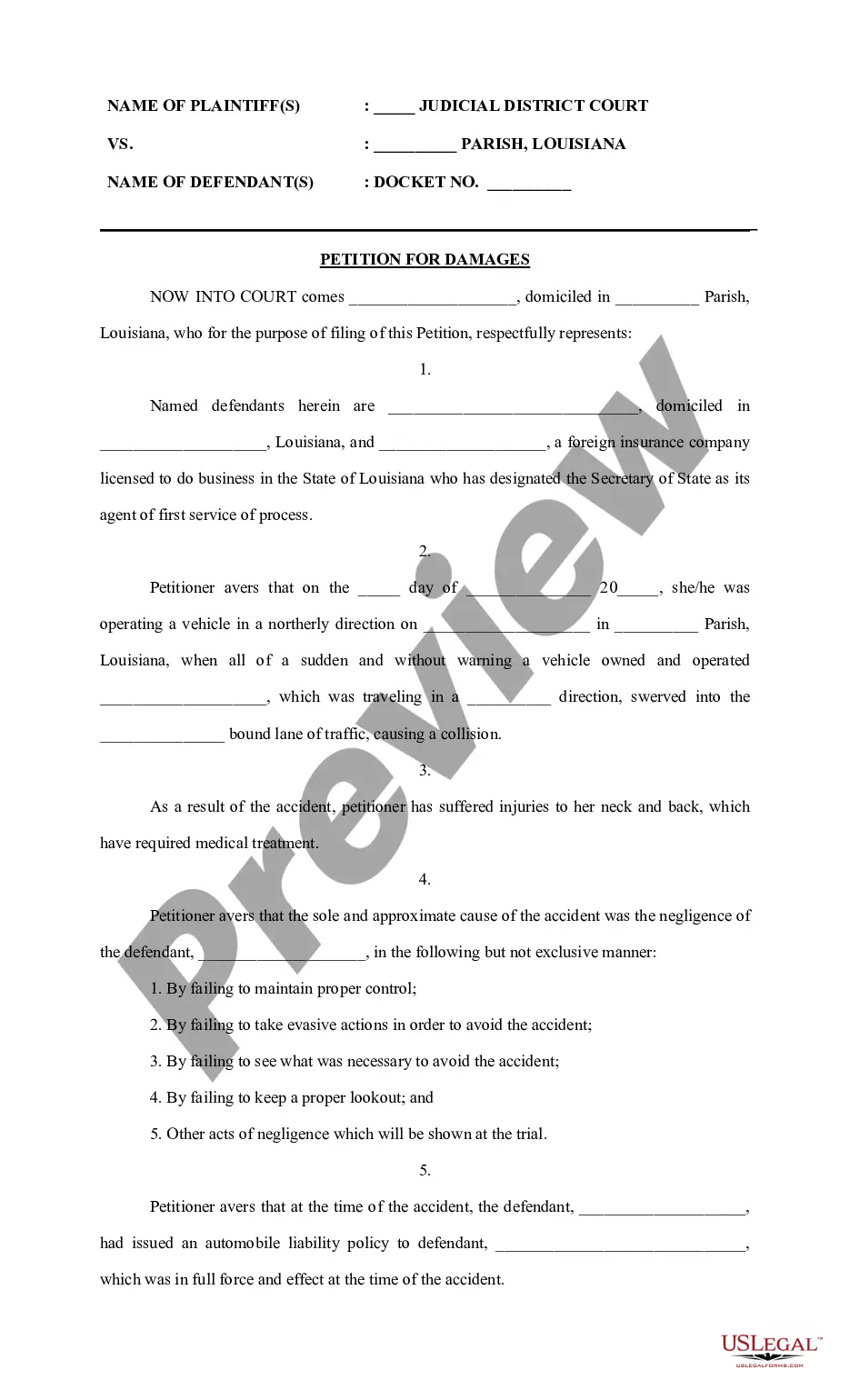
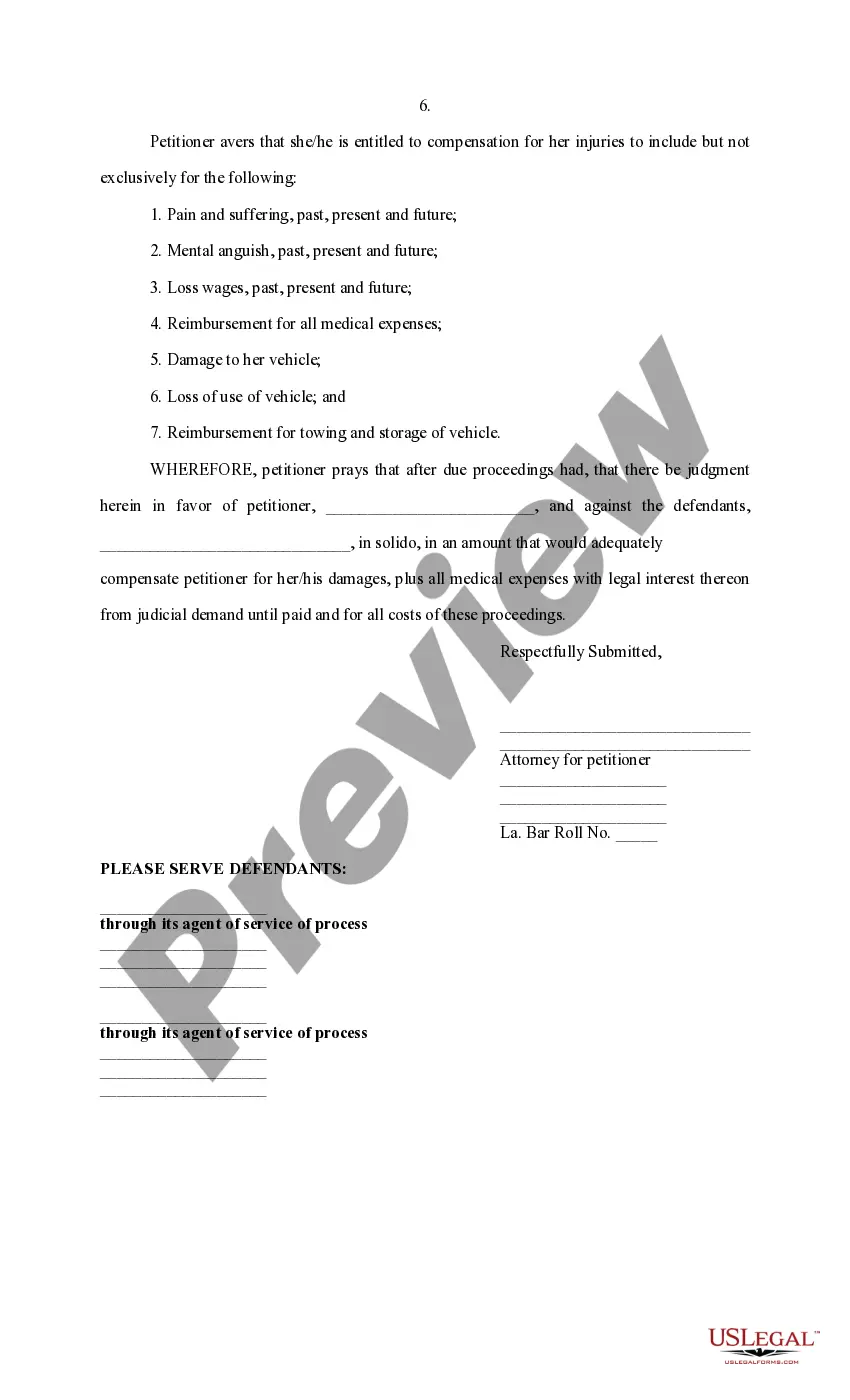
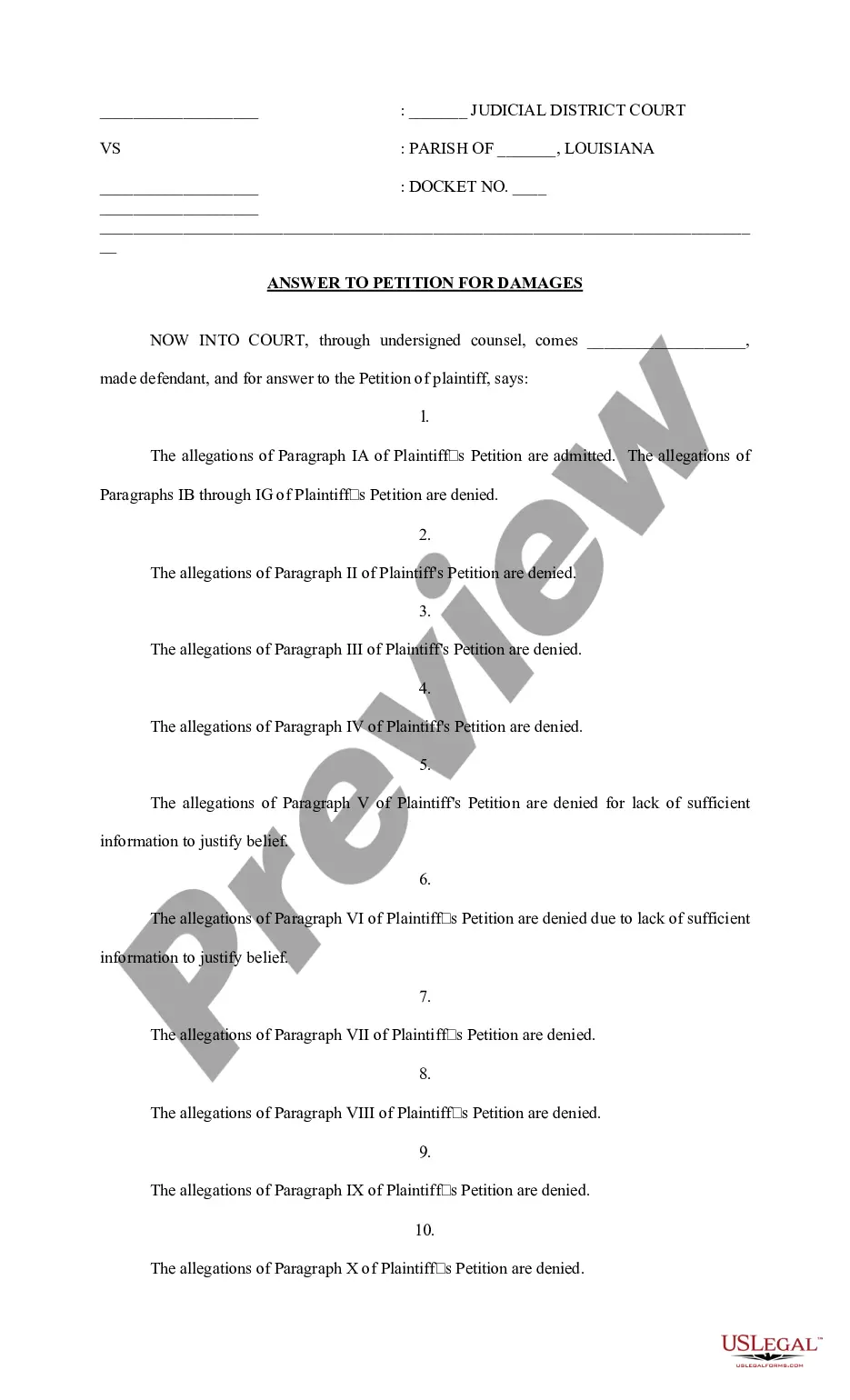
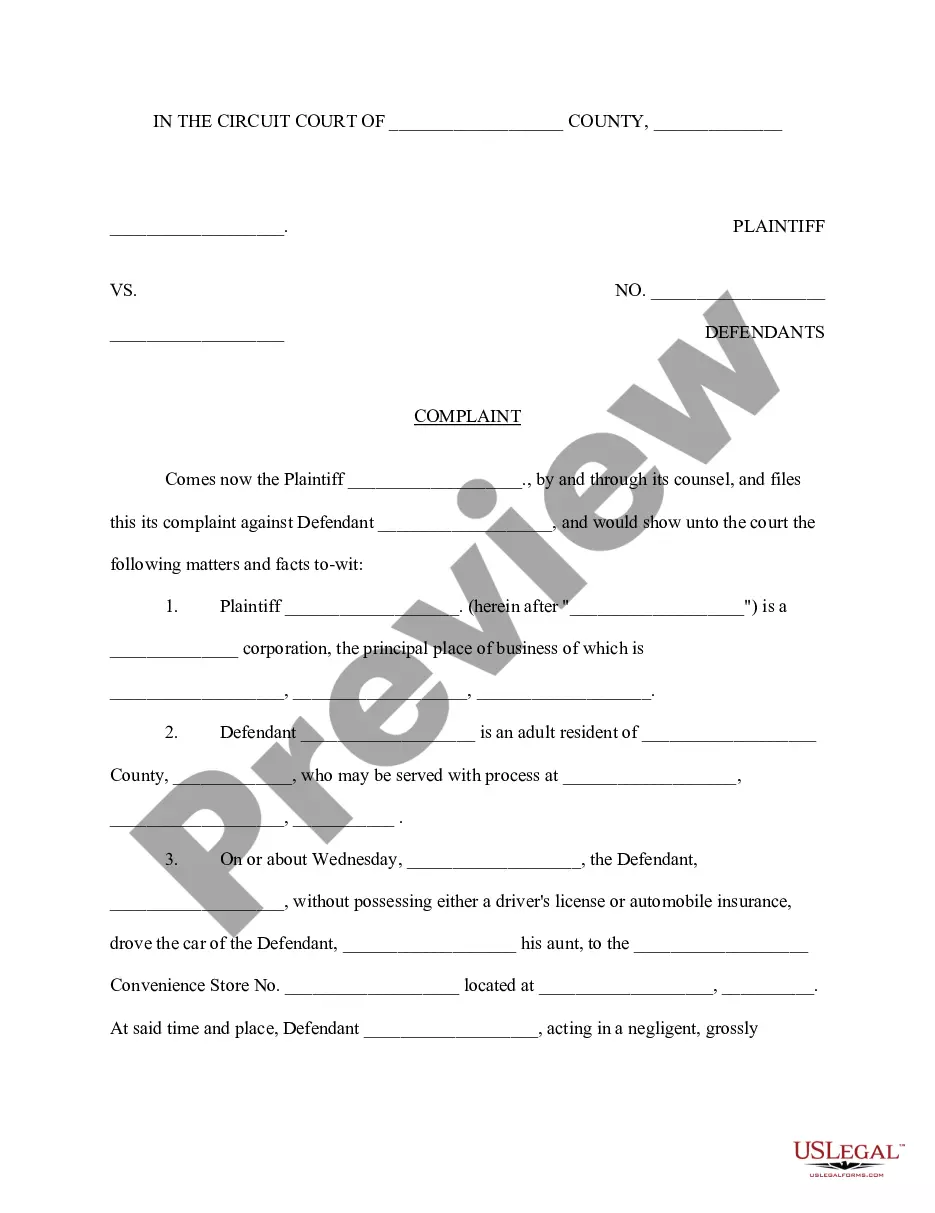
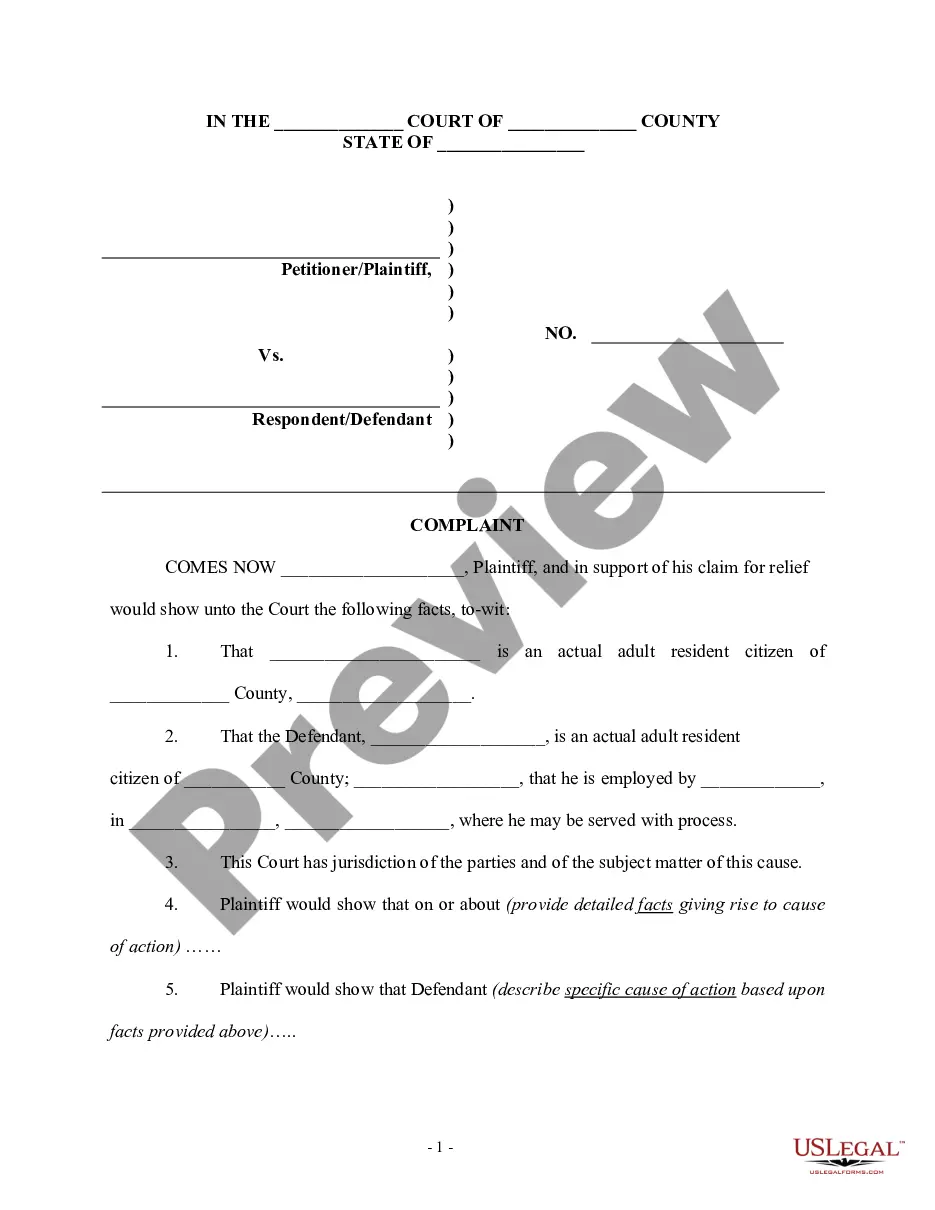
Get your form ready online
Our built-in tools help you complete, sign, share, and store your documents in one place.
Make edits, fill in missing information, and update formatting in US Legal Forms—just like you would in MS Word.
Download a copy, print it, send it by email, or mail it via USPS—whatever works best for your next step.
Sign and collect signatures with our SignNow integration. Send to multiple recipients, set reminders, and more. Go Premium to unlock E-Sign.
If this form requires notarization, complete it online through a secure video call—no need to meet a notary in person or wait for an appointment.
We protect your documents and personal data by following strict security and privacy standards.

Make edits, fill in missing information, and update formatting in US Legal Forms—just like you would in MS Word.

Download a copy, print it, send it by email, or mail it via USPS—whatever works best for your next step.

Sign and collect signatures with our SignNow integration. Send to multiple recipients, set reminders, and more. Go Premium to unlock E-Sign.

If this form requires notarization, complete it online through a secure video call—no need to meet a notary in person or wait for an appointment.

We protect your documents and personal data by following strict security and privacy standards.
Looking for another form?
How to fill out Louisiana Petition For Damages?
Creating legal documents from the beginning can occasionally feel a bit daunting.
Certain cases may require extensive investigation and significant financial resources.
If you're looking for a simpler and more economical method of generating Complaint For Damages And Injunctive Relief or any other paperwork without unnecessary complications, US Legal Forms is always accessible.
Our online repository of more than 85,000 current legal templates encompasses nearly every aspect of your financial, legal, and personal matters. With merely a few clicks, you can promptly access state- and county-specific forms meticulously crafted for you by our legal experts.
Examine the document preview and descriptions to ensure you have located the form you need. Confirm that the form you choose adheres to the specifications of your state and county. Select the most suitable subscription option to obtain the Complaint For Damages And Injunctive Relief. Download the document, then complete, authenticate, and print it out. US Legal Forms enjoys a stellar reputation and over 25 years of expertise. Sign up with us now and make form processing an easy and efficient task!
- Utilize our site whenever you require trustworthy and dependable services that enable you to swiftly find and download the Complaint For Damages And Injunctive Relief.
- If you’re already familiar with our website and have set up an account in the past, just Log In to your account, choose the form, and download it or retrieve it again at any time later from the My documents section.
- Not registered yet? No worries. It takes only a few minutes to sign up and browse the catalog.
- However, before proceeding directly to download Complaint For Damages And Injunctive Relief, consider these suggestions.
Form popularity
FAQ
In order to properly write a cause of action, several things must be included. The names of the Plaintiff and Defendant. The legal means by which the Plaintiff is bringing the lawsuit. Be sure to only include the facts, not opinions. ... Offer expert opinions and lay out the evidence. ... Request of relief.
Difference Between Damages and Injunctive Relief In brief, damages are usually awarded in the form of money, whereas injunctive relief is in the form of a court order to stope someone from doing something.
The party seeking a preliminary injunctive relief must demonstrate: (1) irreparable injury in the absence of such an order; (2) that the threatened injury to the moving party outweighs the harm to the opposing party resulting from the order; (3) that the injunction is not adverse to public interest; and (4) that the ...
State as briefly as possible the facts showing that each plaintiff is entitled to the injunction or other relief sought. State how each defendant was involved and what each defendant did that caused the plaintiff harm or violated the plaintiff's rights, including the dates and places of that involvement or conduct.
It is well established that, to determine whether an injunction is ?just and proper,? courts apply the ?familiar set of four equitable factors: the movant's likelihood of success on the merits; the possibility of irreparable injury to the moving party; the extent to which the balance of hardships favors each party; and ...