Louisiana Custody Law For Unmarried Couples
Description
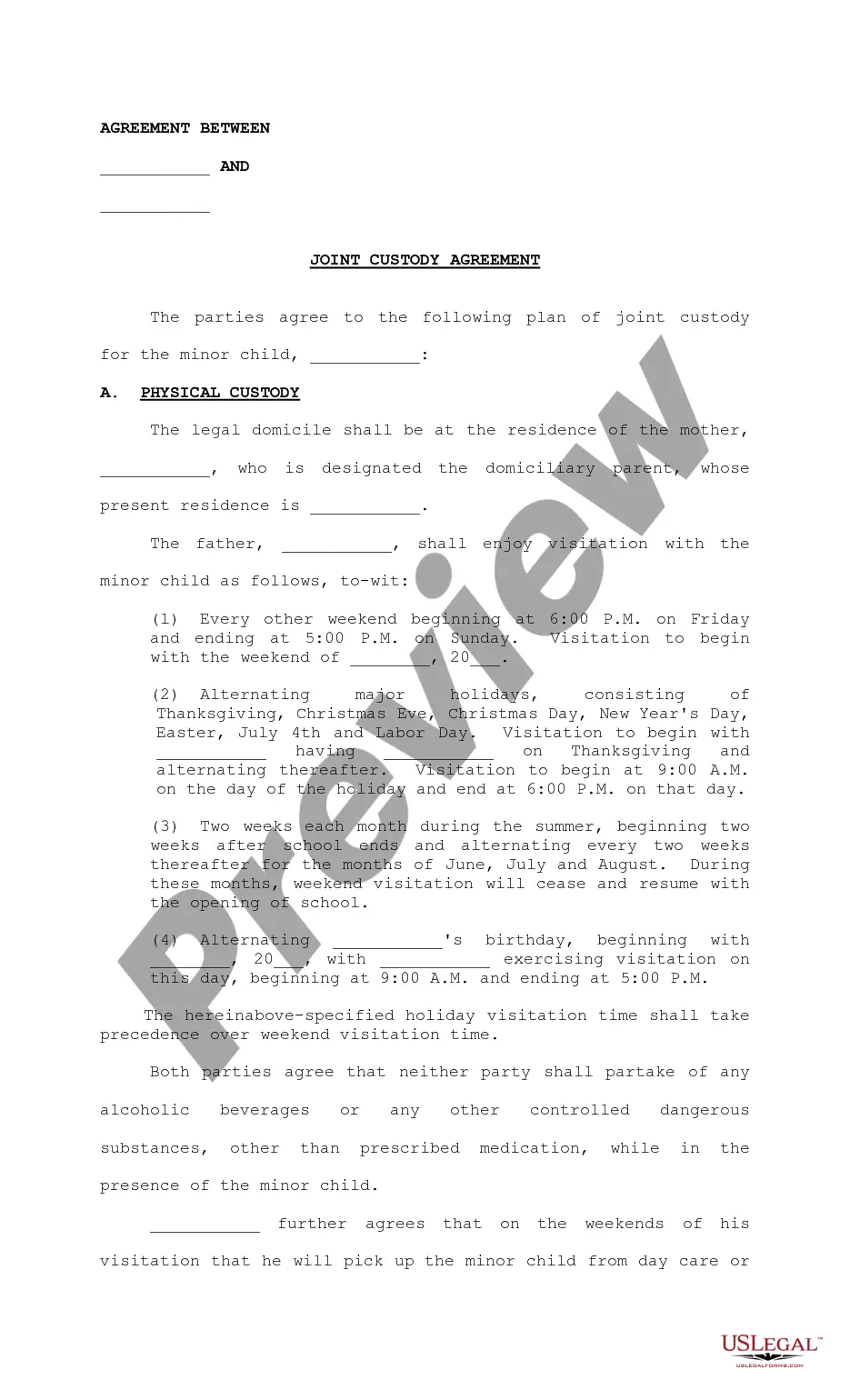
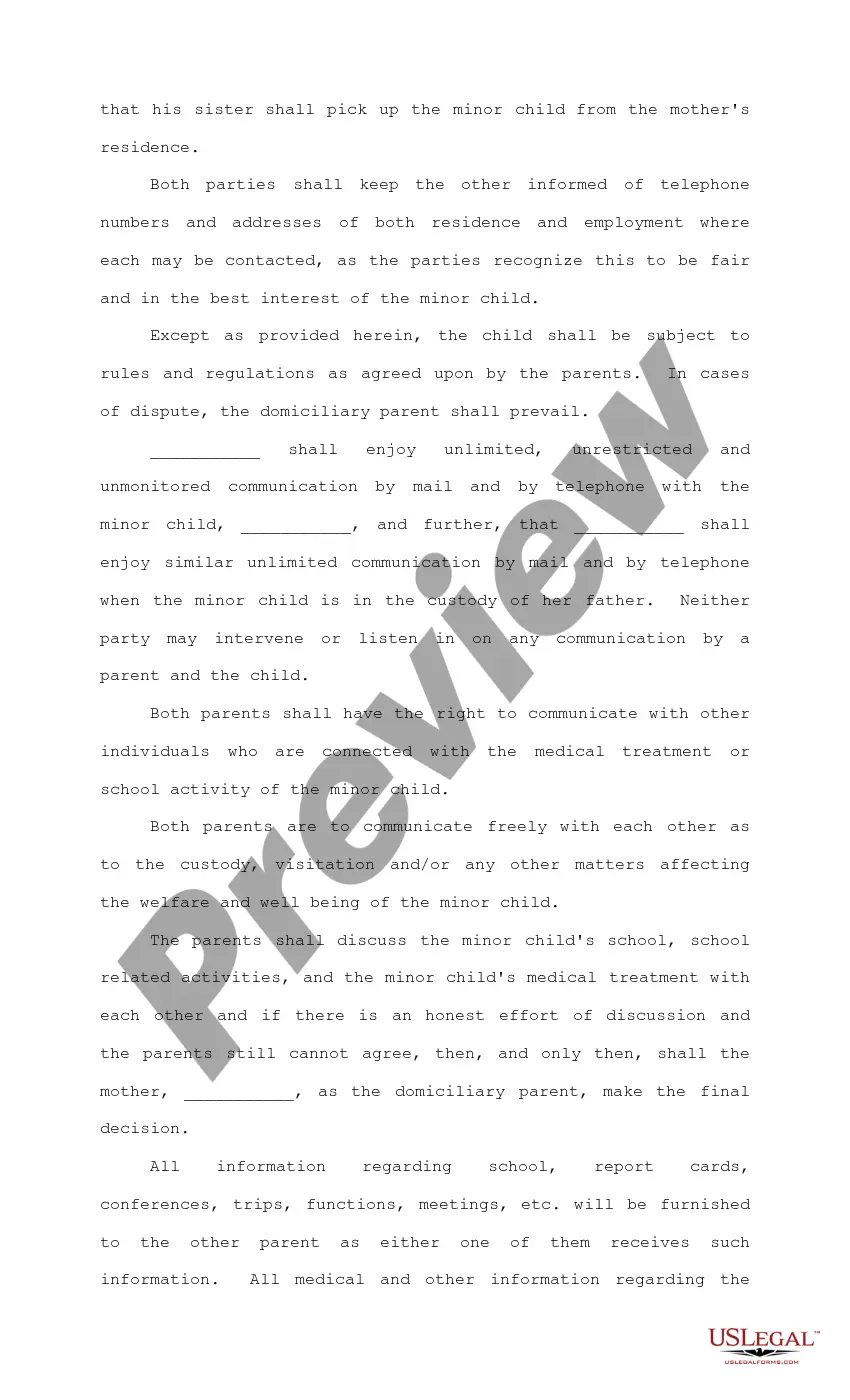
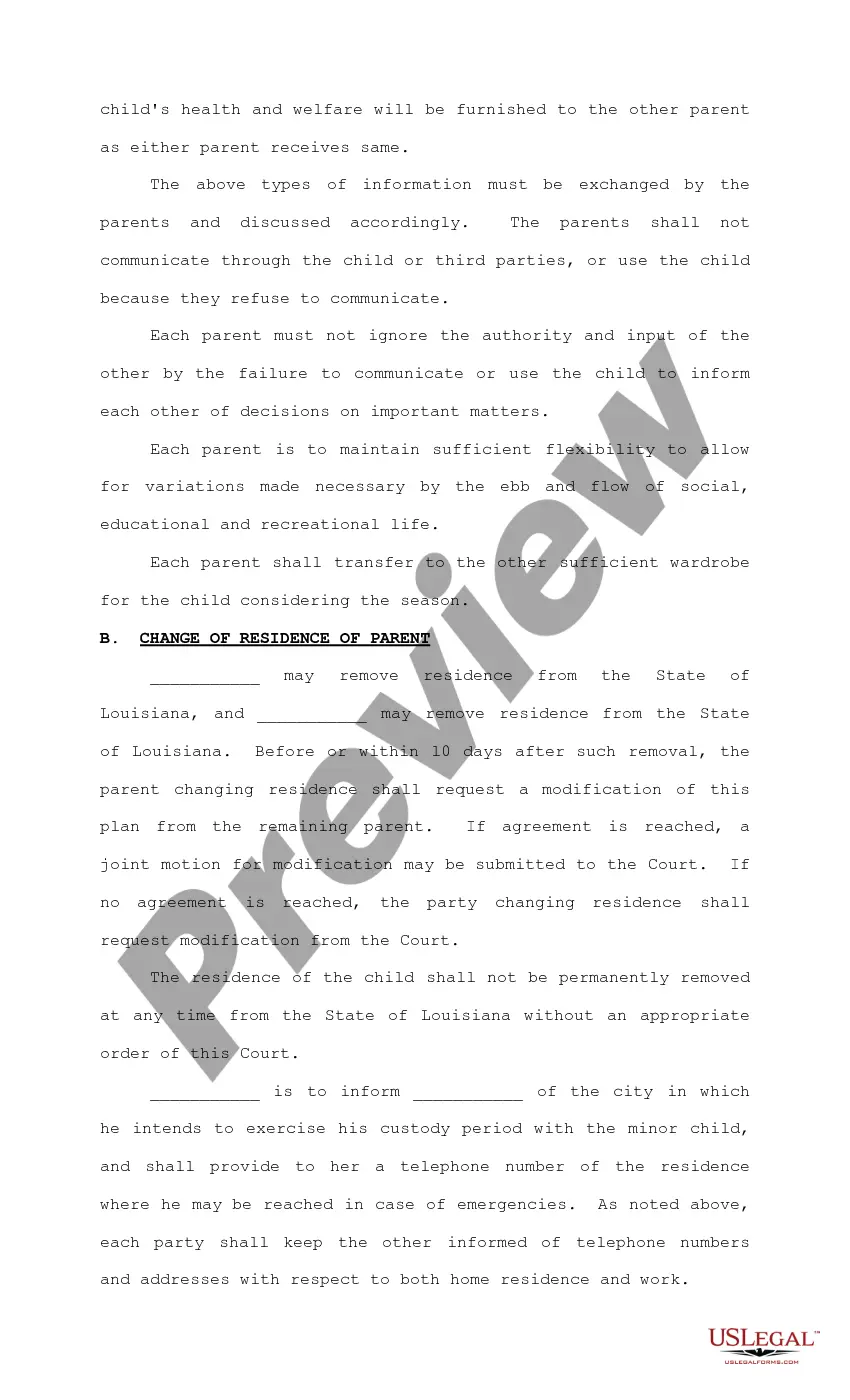
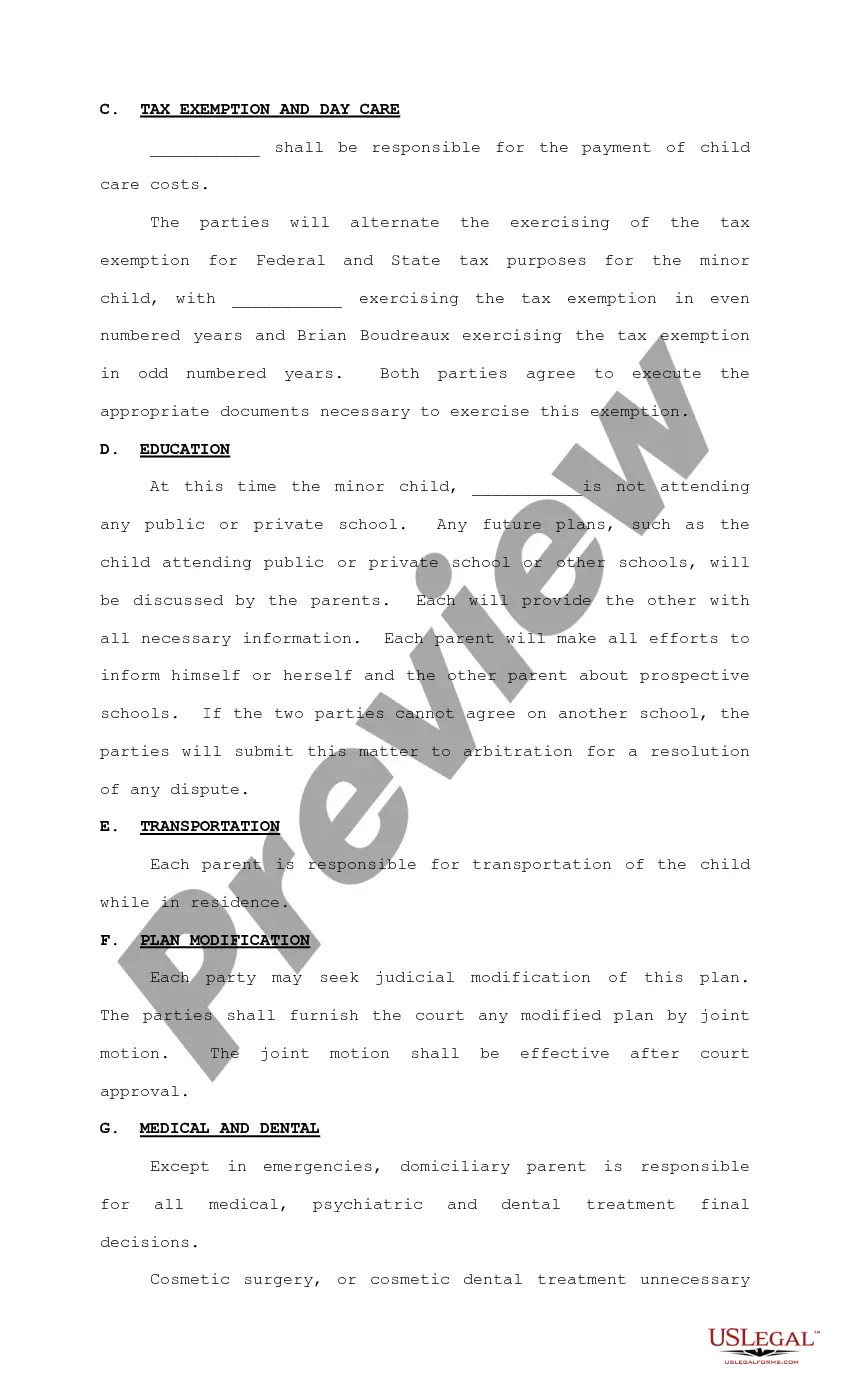
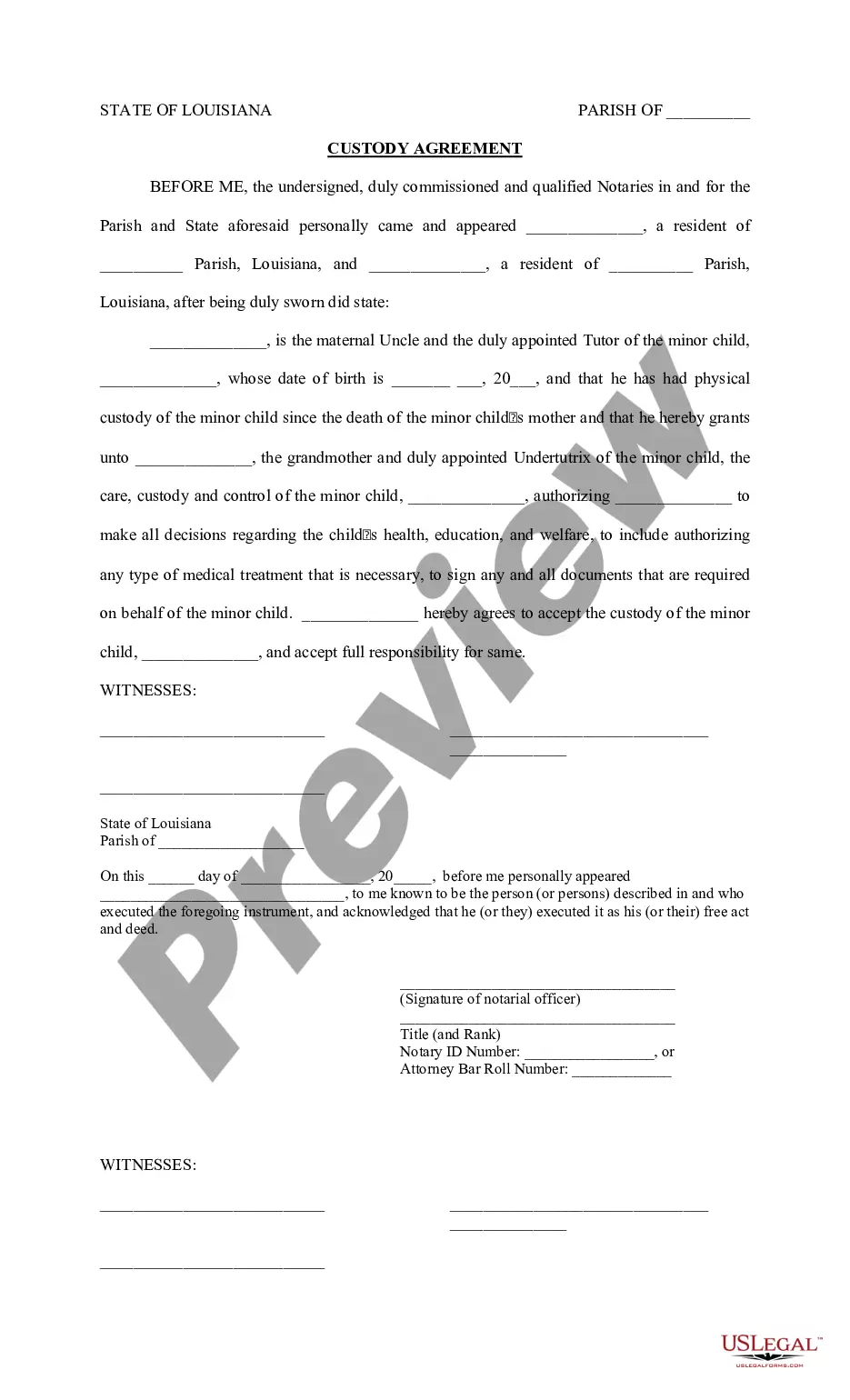
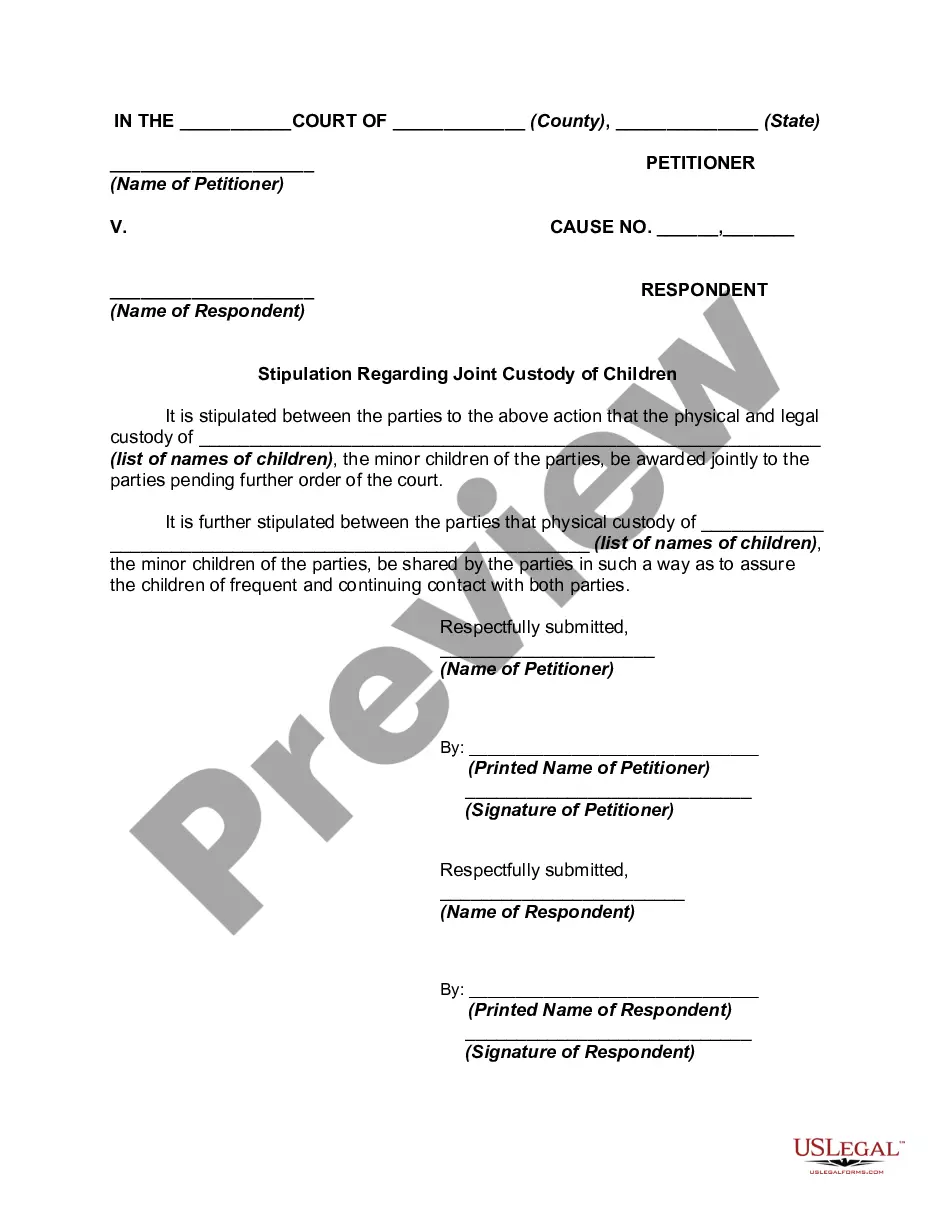
Get your form ready online
Our built-in tools help you complete, sign, share, and store your documents in one place.
Make edits, fill in missing information, and update formatting in US Legal Forms—just like you would in MS Word.
Download a copy, print it, send it by email, or mail it via USPS—whatever works best for your next step.
Sign and collect signatures with our SignNow integration. Send to multiple recipients, set reminders, and more. Go Premium to unlock E-Sign.
If this form requires notarization, complete it online through a secure video call—no need to meet a notary in person or wait for an appointment.
We protect your documents and personal data by following strict security and privacy standards.

Make edits, fill in missing information, and update formatting in US Legal Forms—just like you would in MS Word.

Download a copy, print it, send it by email, or mail it via USPS—whatever works best for your next step.

Sign and collect signatures with our SignNow integration. Send to multiple recipients, set reminders, and more. Go Premium to unlock E-Sign.

If this form requires notarization, complete it online through a secure video call—no need to meet a notary in person or wait for an appointment.

We protect your documents and personal data by following strict security and privacy standards.
Looking for another form?
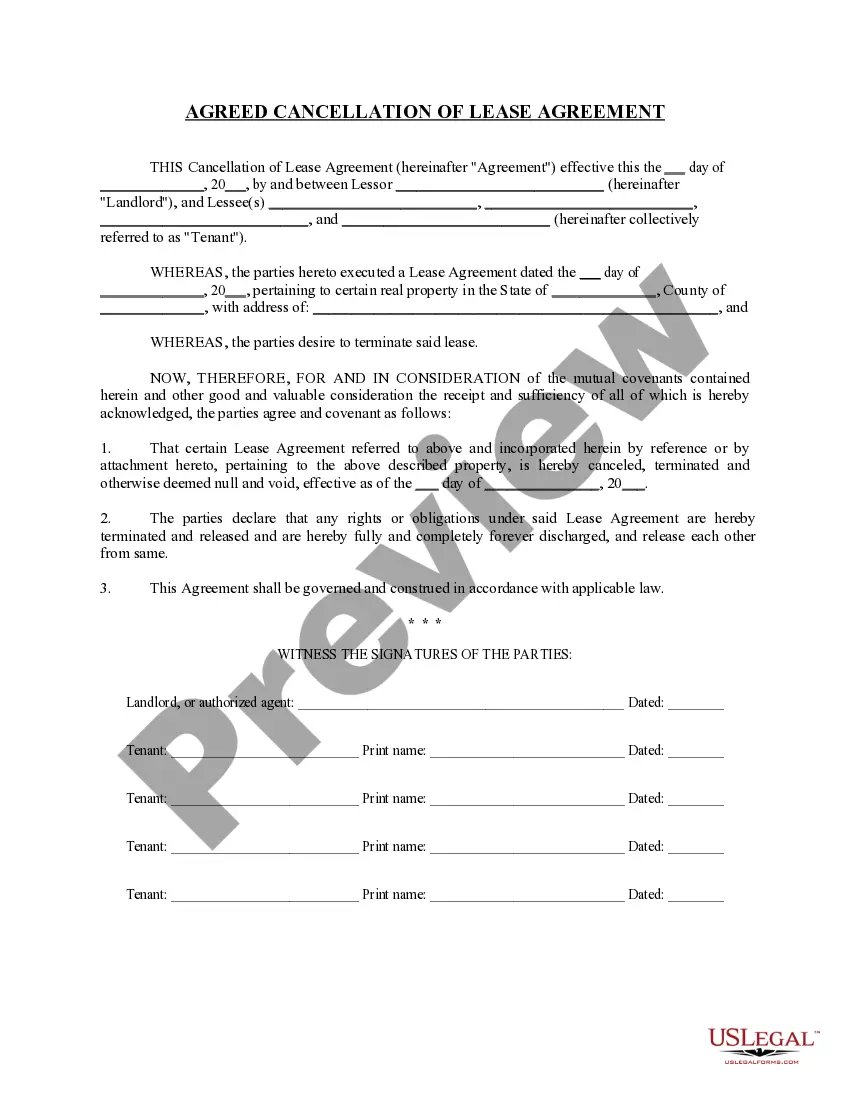
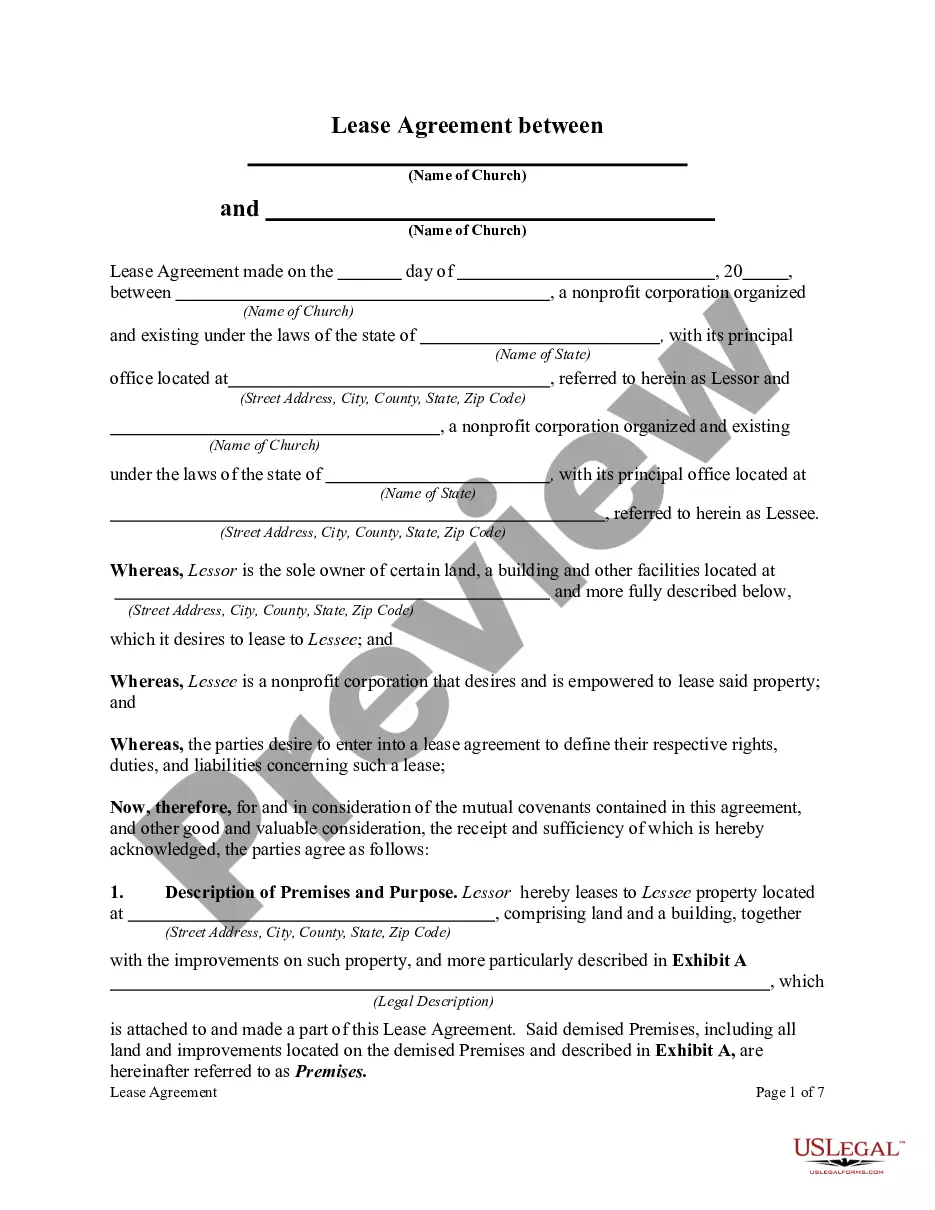


How to fill out Louisiana Joint Custody Agreement?
The Louisiana Custody Legislation For Unwed Partners you see on this page is a versatile formal template created by expert attorneys in accordance with federal and local laws.
For over 25 years, US Legal Forms has offered individuals, businesses, and lawyers more than 85,000 authenticated, state-specific documents for various business and personal scenarios. It’s the fastest, simplest and most reliable method to acquire the forms you require, as the service ensures the utmost level of data security and anti-malware safeguards.
Subscribe to US Legal Forms to have authenticated legal templates for all of life’s situations at your fingertips.
- Search for the document you require and examine it.
- Browse through the file you searched and preview it or review the form description to ensure it matches your needs. If it does not, utilize the search bar to find the suitable one. Click Buy Now when you have located the template you need.
- Subscribe and sign in.
- Choose the pricing plan that best suits you and create an account. Use PayPal or a credit card for a quick payment. If you already have an account, Log In and check your subscription to proceed.
- Acquire the fillable template.
- Choose the format you want for your Louisiana Custody Legislation For Unwed Partners (PDF, DOCX, RTF) and save the sample to your device.
- Fill out and sign the paperwork.
- Print the template to fill it out by hand. Alternatively, utilize an online multifunctional PDF editor to quickly and accurately complete and sign your form with a legally-binding electronic signature.
- Download your paperwork once more.
- Use the same document again whenever necessary. Access the My documents tab in your profile to redownload any previously purchased forms.
Form popularity
FAQ
One of the biggest mistakes in a custody battle under Louisiana custody law for unmarried couples is failing to communicate effectively with your co-parent. This often leads to misunderstandings and escalates conflict. Instead, prioritize open dialogue to convey your intentions and concerns clearly. Establishing a cooperative relationship shows the court that you are willing to work for the child's best interest.
As a rule in most states, if the parents are not married, the mother is automatically given primary custody rights over the children. This means she has complete authority to make any major and minor decisions regarding her child's welfare.
The Court will consider the "capacity and disposition of each party to provide the child with food, clothing, medical care, and other material needs." Capacity is not limited to whether the parent can afford to buy these things. A parent may have the ability to purchase them, but not the disposition to do so.
Ing to the Louisiana Child Custody Jurisdiction and Enforcement Act (RS 01), any biological parent has the right to seek visitation rights or child custody. Their rights do not hinge on whether they are married to the child's other parent, or even whether they were married when the child was born.
If one partner is not a legal parent of the child, that partner may not have any parental rights. Ideally, if an unmarried partner wants to remain in the child's life, both parties will create an agreement that outlines parenting time and other rights and responsibilities for the unrelated parent.
A written petition has to be filed in the court that does juvenile cases where the parents or you live. At least one of the parents has to sign the petition. You will sign an affidavit attached to the petition saying you are willing to take custody of the child.