Appeal Contents
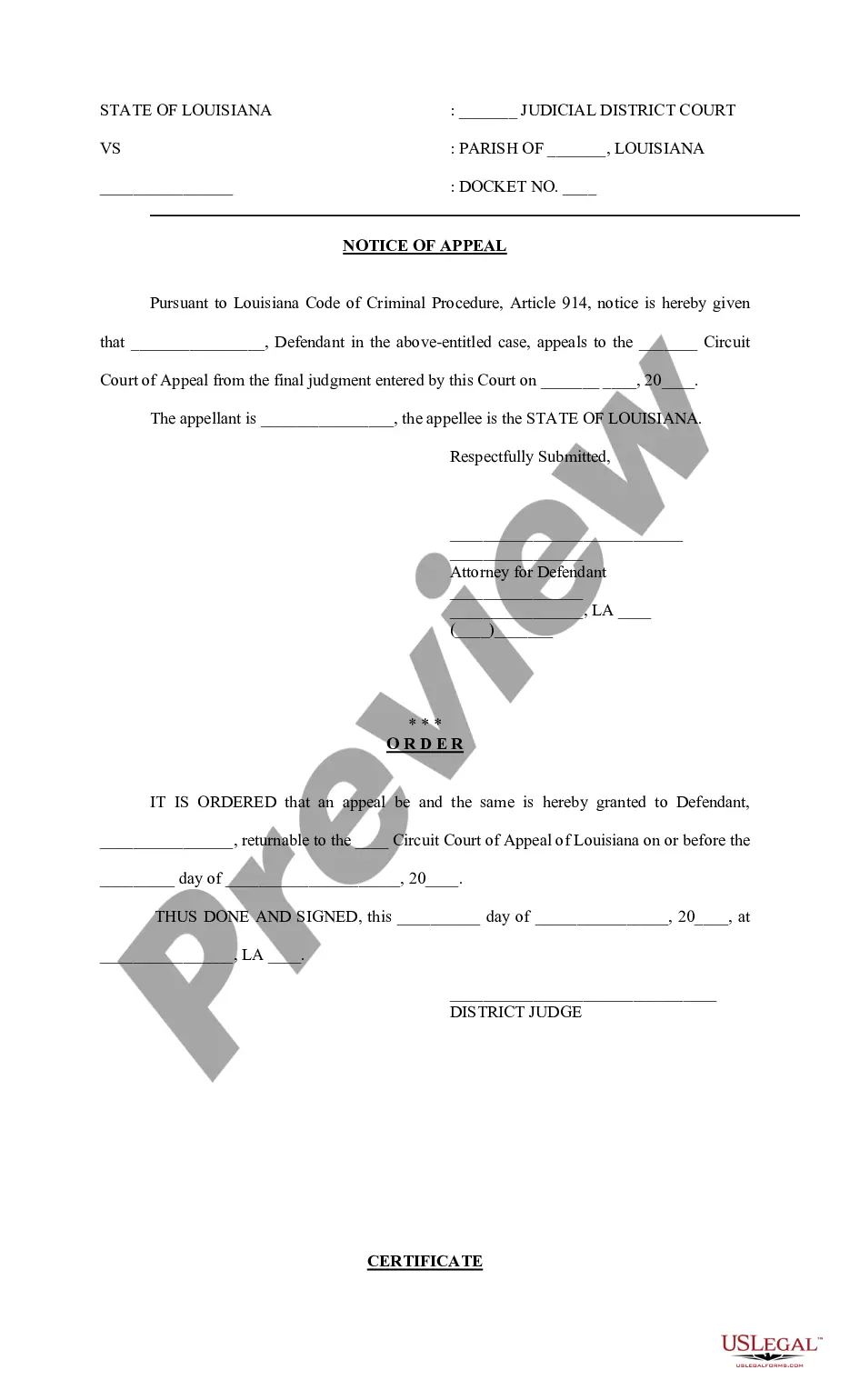
Description

Get your form ready online
Our built-in tools help you complete, sign, share, and store your documents in one place.
Make edits, fill in missing information, and update formatting in US Legal Forms—just like you would in MS Word.
Download a copy, print it, send it by email, or mail it via USPS—whatever works best for your next step.
Sign and collect signatures with our SignNow integration. Send to multiple recipients, set reminders, and more. Go Premium to unlock E-Sign.
If this form requires notarization, complete it online through a secure video call—no need to meet a notary in person or wait for an appointment.
We protect your documents and personal data by following strict security and privacy standards.

Make edits, fill in missing information, and update formatting in US Legal Forms—just like you would in MS Word.

Download a copy, print it, send it by email, or mail it via USPS—whatever works best for your next step.

Sign and collect signatures with our SignNow integration. Send to multiple recipients, set reminders, and more. Go Premium to unlock E-Sign.

If this form requires notarization, complete it online through a secure video call—no need to meet a notary in person or wait for an appointment.

We protect your documents and personal data by following strict security and privacy standards.
Looking for another form?




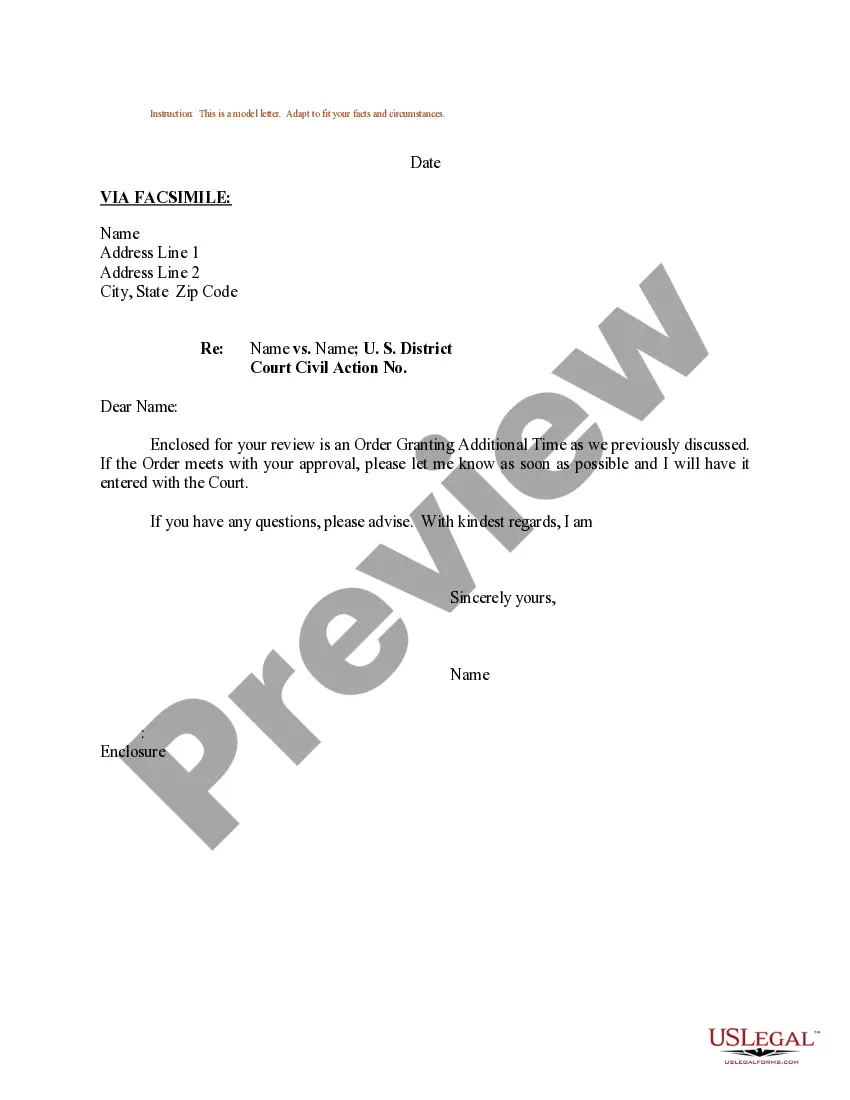
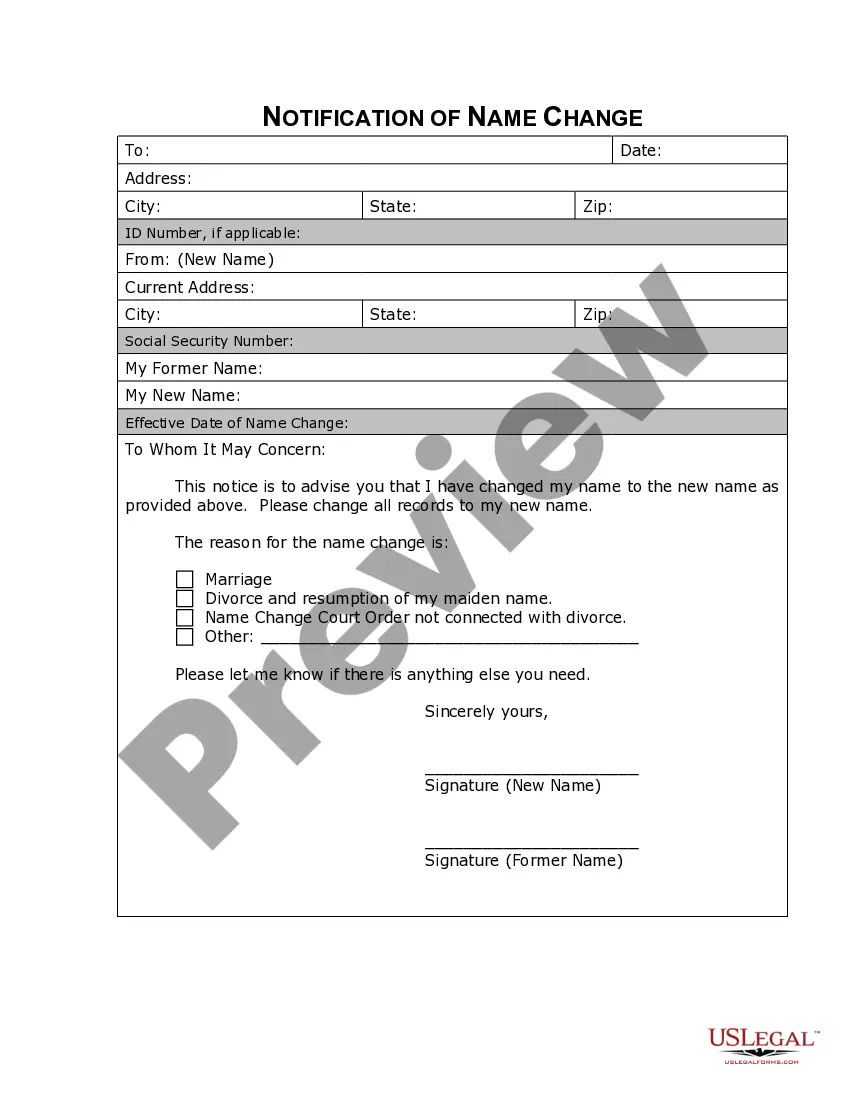


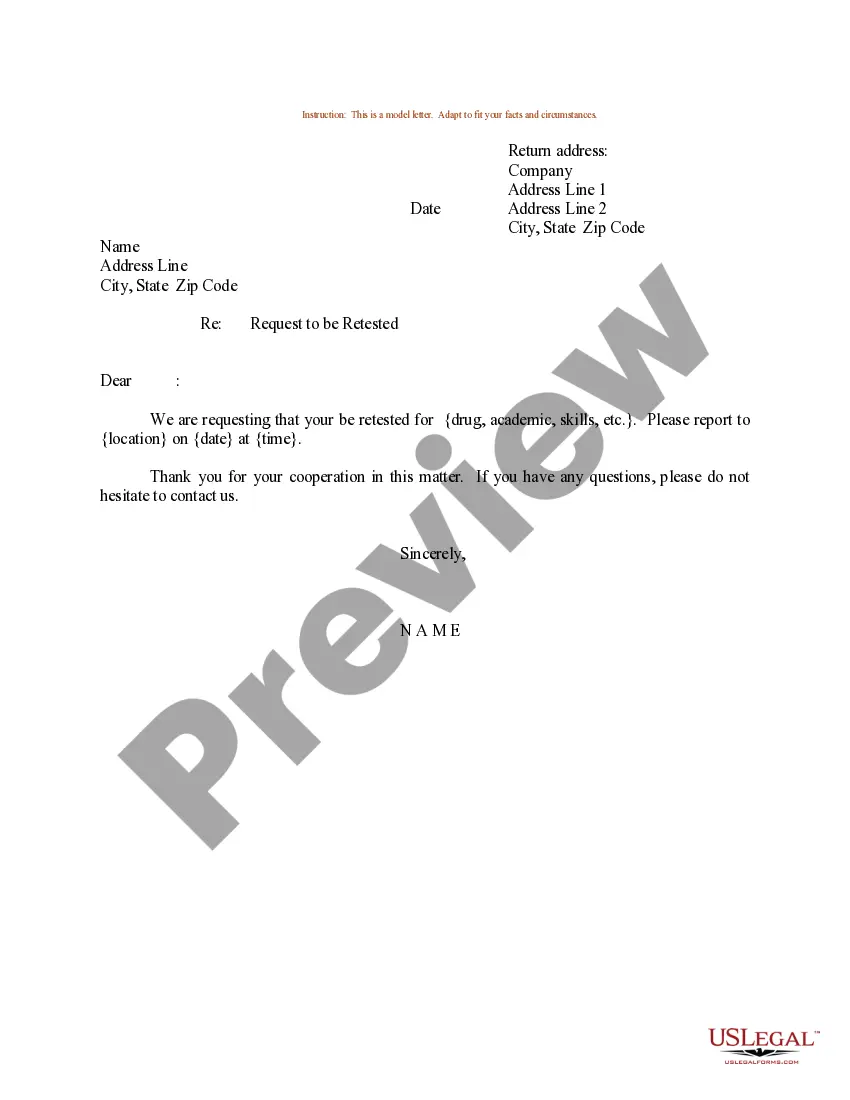
How to fill out Louisiana Notice Of Appeal And Order?
- Log in to your account if you’re a returning user, or create a new account if it’s your first time. Make sure your subscription is active.
- Preview the desired form by checking its description to ensure it meets your local jurisdiction's requirements.
- If you need another template, utilize the Search tab to find the correct document.
- Select the 'Buy Now' button and choose a subscription plan that suits your needs, registering your account for access.
- Complete your purchase with a credit card or PayPal for secure payment.
- Download your form and save it to your device for easy access anytime via the My Forms section in your profile.
In conclusion, US Legal Forms offers invaluable resources for efficiently appealing contents, with an extensive collection of legal forms tailored to your needs. By following these steps, you can quickly obtain the legal documentation required to move forward confidently.
Don't wait! Start your legal journey today by visiting US Legal Forms.
Form popularity
FAQ
Writing grounds for appeal requires you to clearly outline the legal or factual errors you believe occurred during your original case. Start by referencing specific laws or procedural guidelines that relate to your argument, ensuring your appeal contents are well-supported with evidence. Each ground should be articulated logically and succinctly to convey your point decisively. A clear presentation increases the likelihood of a favorable review by the appellate court.
When filing an appeal, it is important to clearly state the basis for your appeal in your documents. Focus on the specific points of law or fact that you believe were incorrectly handled in the lower court's decision. Be concise and ensure your appeal contents directly address how these errors affected the outcome of your case. This clarity can assist the court in understanding your perspective effectively.
The procedure for appeal generally entails preparing a notice of appeal, filing your appeal contents, and preparing your briefs for submission. It is crucial to follow the precise rules laid out by the appellate court regarding timelines and document formats. Once your materials are submitted, the court reviews them and may schedule a hearing to discuss the case further. Keeping track of the entire process is vital to ensure a successful appeal.
The process of making an appeal begins with filing a notice of appeal, which informs the court and the opposing party of your intent. Following this, you will need to prepare the appeal contents, including the trial transcript and relevant documents. Afterward, you can submit your brief outlining your arguments for the appeal. The appellate court will then review the submitted materials, a process that can take time.
To successfully win an appeal, meticulously prepare your appeal contents and present a clear, logical argument outlining the errors in the original trial. Include any substantial evidence that supports your claim and adhere strictly to procedural rules. Additionally, consider utilizing resources like USLegalForms to streamline the appeal process and ensure all documents are in order.
Good grounds for appeal generally include issues related to jury misconduct, improper legal instructions, and the introduction of inadmissible evidence. By effectively identifying these issues, you can build a strong foundation for your appeal. Your appeal contents should emphasize how each ground undermines the fairness of the trial.
In an appeal, you can use various types of evidence, including written documents, transcripts, and testimonies that highlight errors in the original trial. Also, any newly discovered evidence that was not available during the original proceedings can be leveraged. It’s crucial that your appeal contents reflect this evidence clearly and succinctly.
A good reason for an appeal includes a significant legal mistake that hurt your case, such as improper admission of evidence or inadequate representation. Additionally, a lack of substantial evidence supporting the verdict can also serve as a solid basis for an appeal. Focus on presenting these reasons in your appeal contents for maximum impact.
To successfully appeal a case, you must prove that a legal error occurred that negatively affected the trial's outcome. This could involve showing that the judge made a mistake in interpreting the law, or that the evidence was misapplied. Your appeal contents should clearly outline these errors and their consequences.
New evidence in an appeal refers to information not available during the original trial that could significantly affect the outcome. This might include witness statements, documents, or other materials that strengthen your case. Ensure that any new evidence is relevant and admissible in court; otherwise, it might not be given due consideration in your appeal contents.