Failure Dwelling Remedy For A Building
Description
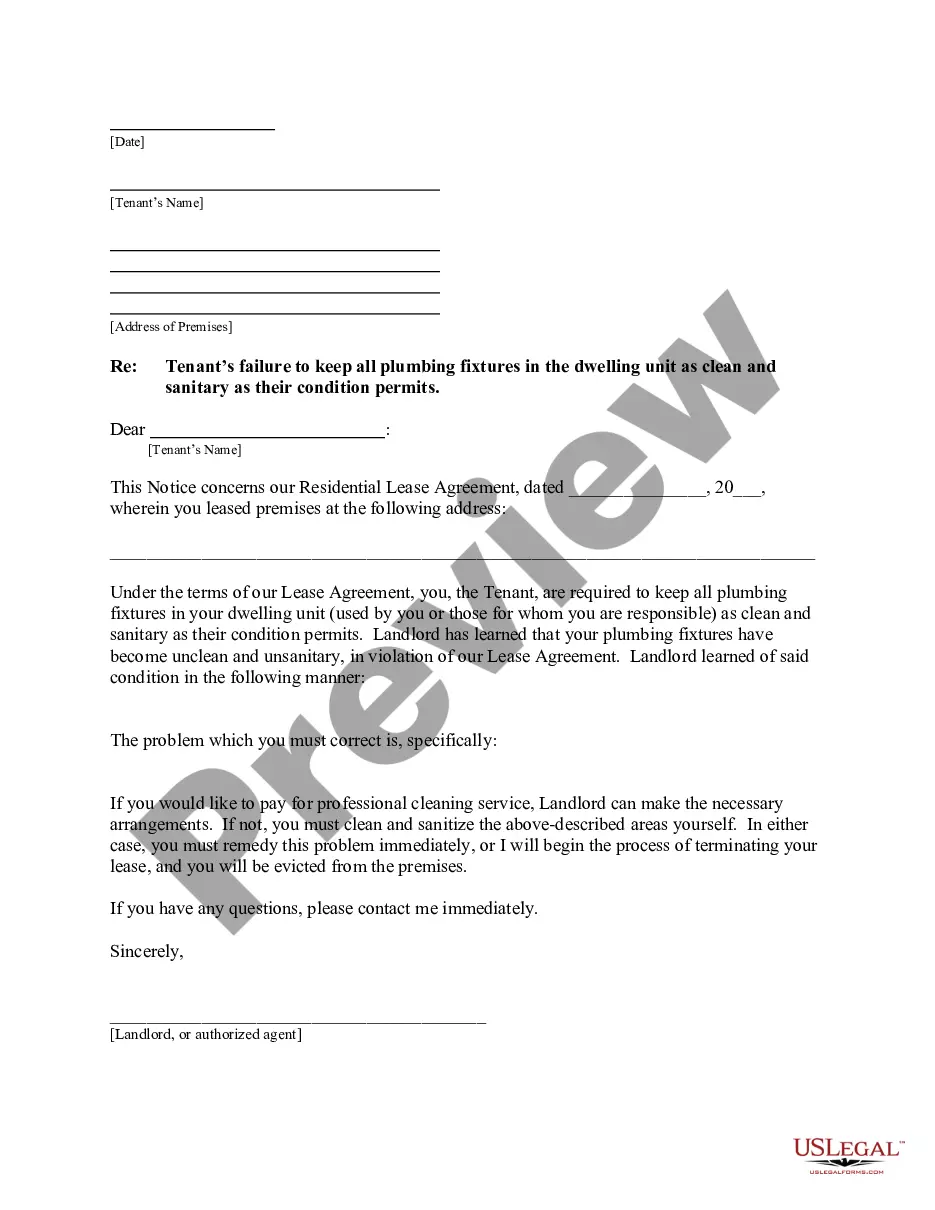


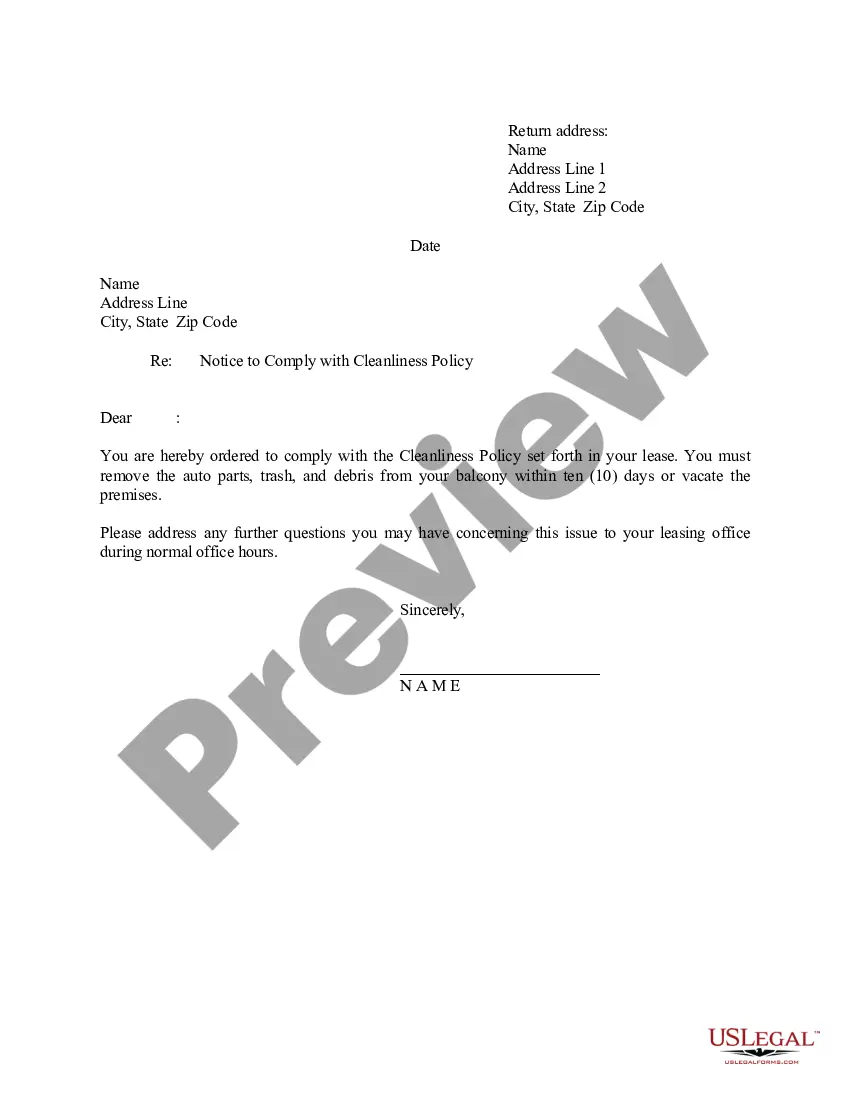

Get your form ready online
Our built-in tools help you complete, sign, share, and store your documents in one place.
Make edits, fill in missing information, and update formatting in US Legal Forms—just like you would in MS Word.
Download a copy, print it, send it by email, or mail it via USPS—whatever works best for your next step.
Sign and collect signatures with our SignNow integration. Send to multiple recipients, set reminders, and more. Go Premium to unlock E-Sign.
If this form requires notarization, complete it online through a secure video call—no need to meet a notary in person or wait for an appointment.
We protect your documents and personal data by following strict security and privacy standards.

Make edits, fill in missing information, and update formatting in US Legal Forms—just like you would in MS Word.

Download a copy, print it, send it by email, or mail it via USPS—whatever works best for your next step.

Sign and collect signatures with our SignNow integration. Send to multiple recipients, set reminders, and more. Go Premium to unlock E-Sign.

If this form requires notarization, complete it online through a secure video call—no need to meet a notary in person or wait for an appointment.

We protect your documents and personal data by following strict security and privacy standards.
Looking for another form?










How to fill out Louisiana Letter From Landlord To Tenant For Failure To Keep All Plumbing Fixtures In The Dwelling Unit As Clean As Their Condition Permits - Remedy Or Lease Terminates?
- If you're a returning user, log into your account and download the required form by clicking the Download button. Ensure your subscription is active; if not, renew it according to your payment plan.
- For first-time users, check the Preview mode and form description carefully. Make sure you select the right form that aligns with your needs and complies with local jurisdiction.
- If you find any discrepancies, utilize the Search tab to find the correct template. Once you identify the right form, proceed to the next step.
- Click the Buy Now button to purchase the document and select your preferred subscription plan. You will need to create an account to access the extensive library of legal forms.
- Complete your purchase by entering your payment information via credit card or PayPal.
- Download your form after purchase and save it. You can access this template anytime from the My Forms section of your account.
With US Legal Forms, individuals and attorneys gain quick access to a vast library of over 85,000 legal documents. This ensures you can find the precise forms needed for your building’s requirements with ease.
Don't hesitate—start streamlining your legal document process today with US Legal Forms and secure the legal remedies necessary for your building.
Form popularity
FAQ
The most common type of foundation failure typically involves settlement due to shifting soil conditions. This can lead to uneven floors, cracked walls, and other visible signs of distress. A proactive approach using a failure dwelling remedy for a building ensures that these foundation issues are handled before they escalate.
A building may fail in various ways, including structural deformation, foundation shifts, excessive moisture intrusion, or material degradation. Each type of failure carries unique risks and implications for safety and usability. Applying a comprehensive failure dwelling remedy for a building is crucial to address these various issues effectively.
To fix settlement issues, it's essential to first identify the root cause, such as drainage problems or poor soil conditions. Solutions may involve foundation repair techniques or improving drainage systems to manage water flow around the structure. Implementing a suitable failure dwelling remedy for a building can effectively resolve such challenges.
Buildings can collapse for several reasons, including a lack of maintenance, design errors, foundation failures, natural disasters, and excessive loads. Each of these factors can compromise structural integrity over time. Identifying these risks and utilizing a failure dwelling remedy for a building can help prevent catastrophic outcomes.
A structure can fail through cracking, excessive settlement, water damage, or material fatigue. Cracking can affect both aesthetics and safety, while settlement may lead to misalignment. Addressing these forms of failure with an effective failure dwelling remedy for a building can help restore functionality and integrity.
Fixing building settlement may involve techniques such as underpinning, slabjacking, or installing piers. Each method aims to lift and support the structure, reducing the risks associated with settlement. A reliable failure dwelling remedy for a building considers your specific situation and ensures a safe, lasting solution.
Yes, house settling can often be fixed, especially if addressed early. Solutions include underpinning, which reinforces the foundation, or soil stabilization methods that enhance ground support. Engaging professional services can help you choose the appropriate failure dwelling remedy for a building to restore its stability.
Five common causes for structural failure include design flaws, material defects, environmental factors, improper construction practices, and inadequate maintenance. Understanding these causes can help you prioritize safety and develop strategies to reinforce your building. Utilizing the right failure dwelling remedy for a building can assist in addressing these issues effectively.
Footing failures usually result from inadequate load-bearing capacity, poor drainage, or ground movement. When the soil beneath the footing is insufficient to support the weight of the structure, it may lead to cracks or shifting. Addressing these causes promptly through a failure dwelling remedy for a building can restore stability and safety.
Several factors can weaken a foundation, including water intrusion, poor soil quality, and improper construction methods. Excess moisture can erode materials and destabilize the ground below, while inadequate preparation can compromise the foundation's support. Regular inspections can identify issues early, allowing you to implement a failure dwelling remedy for a building before serious problems arise.