Limited Business
Description
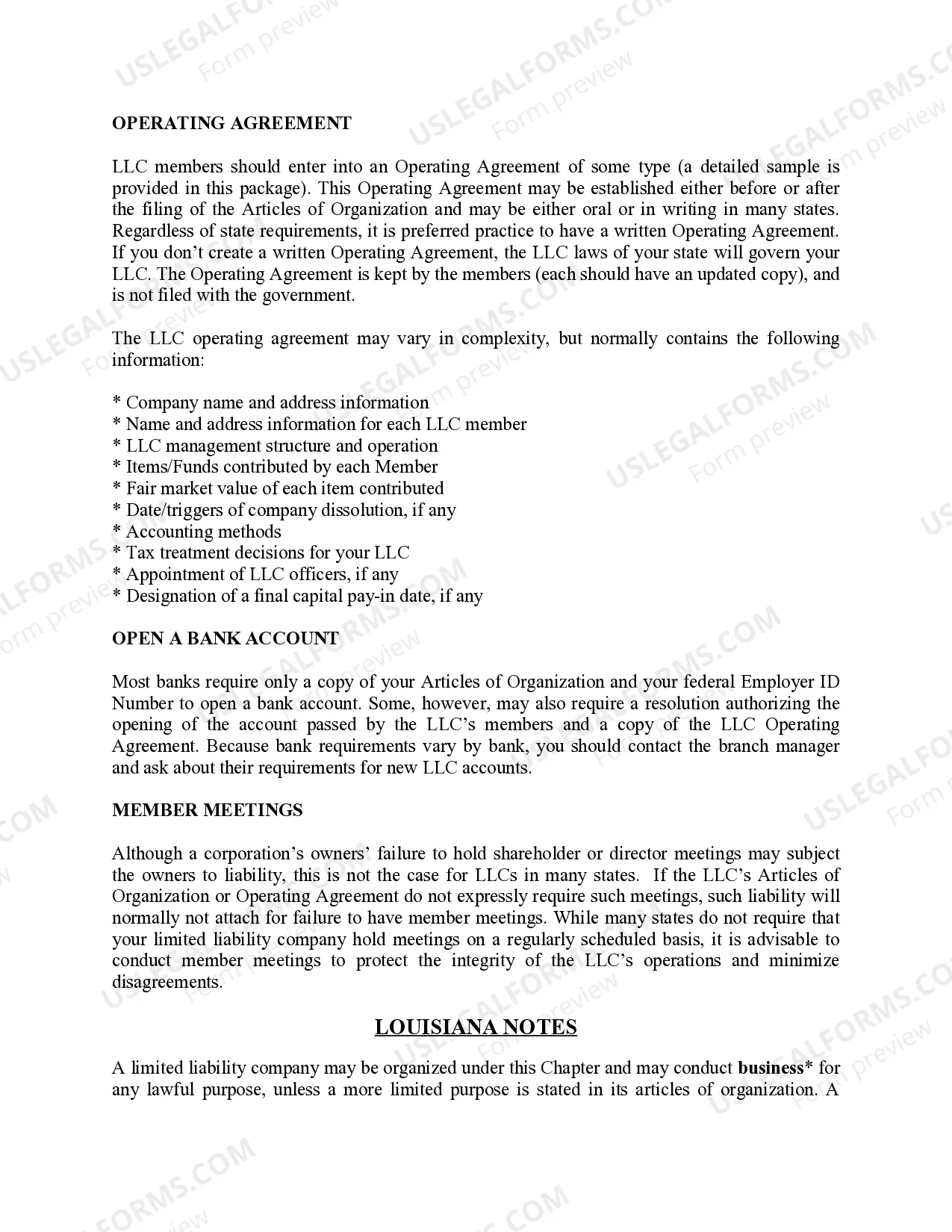
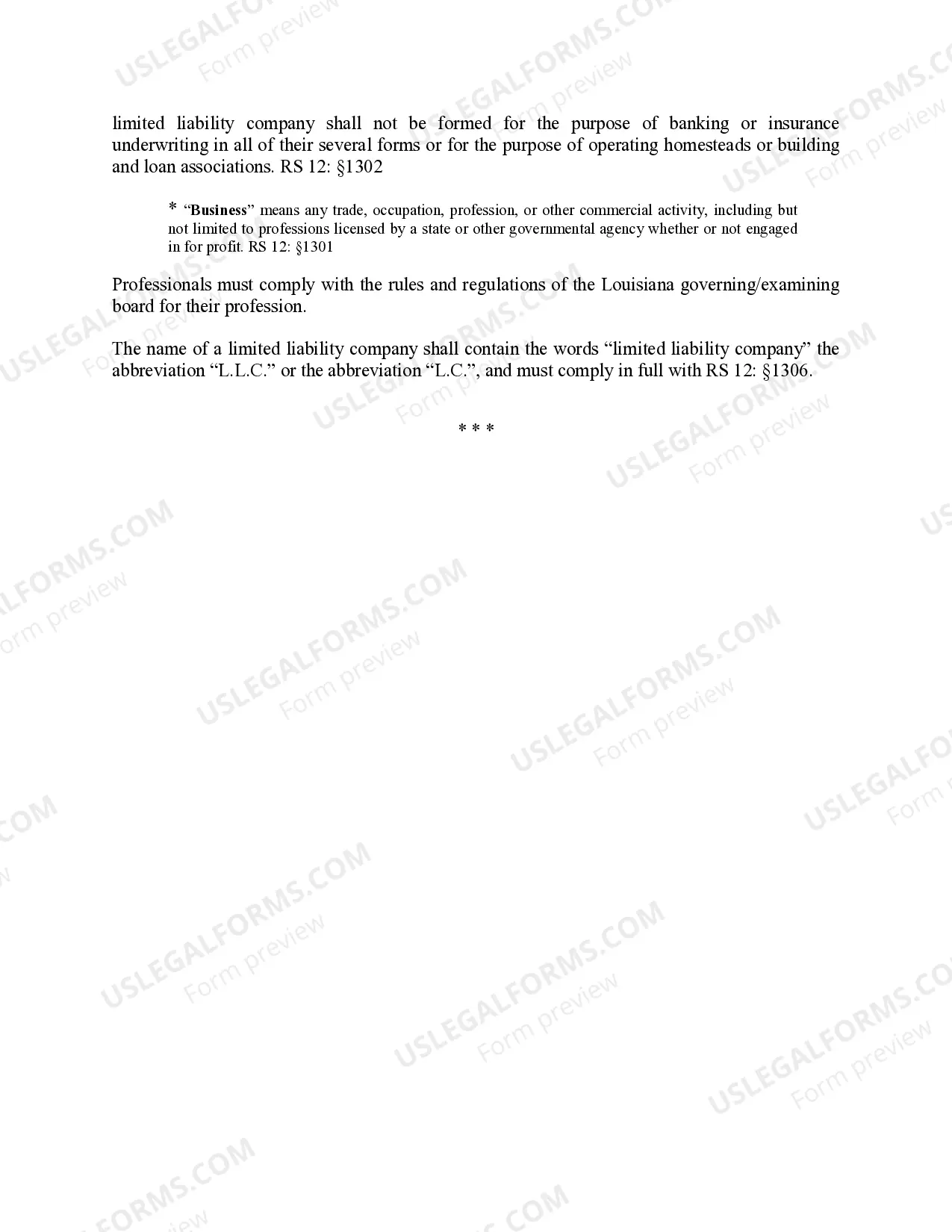
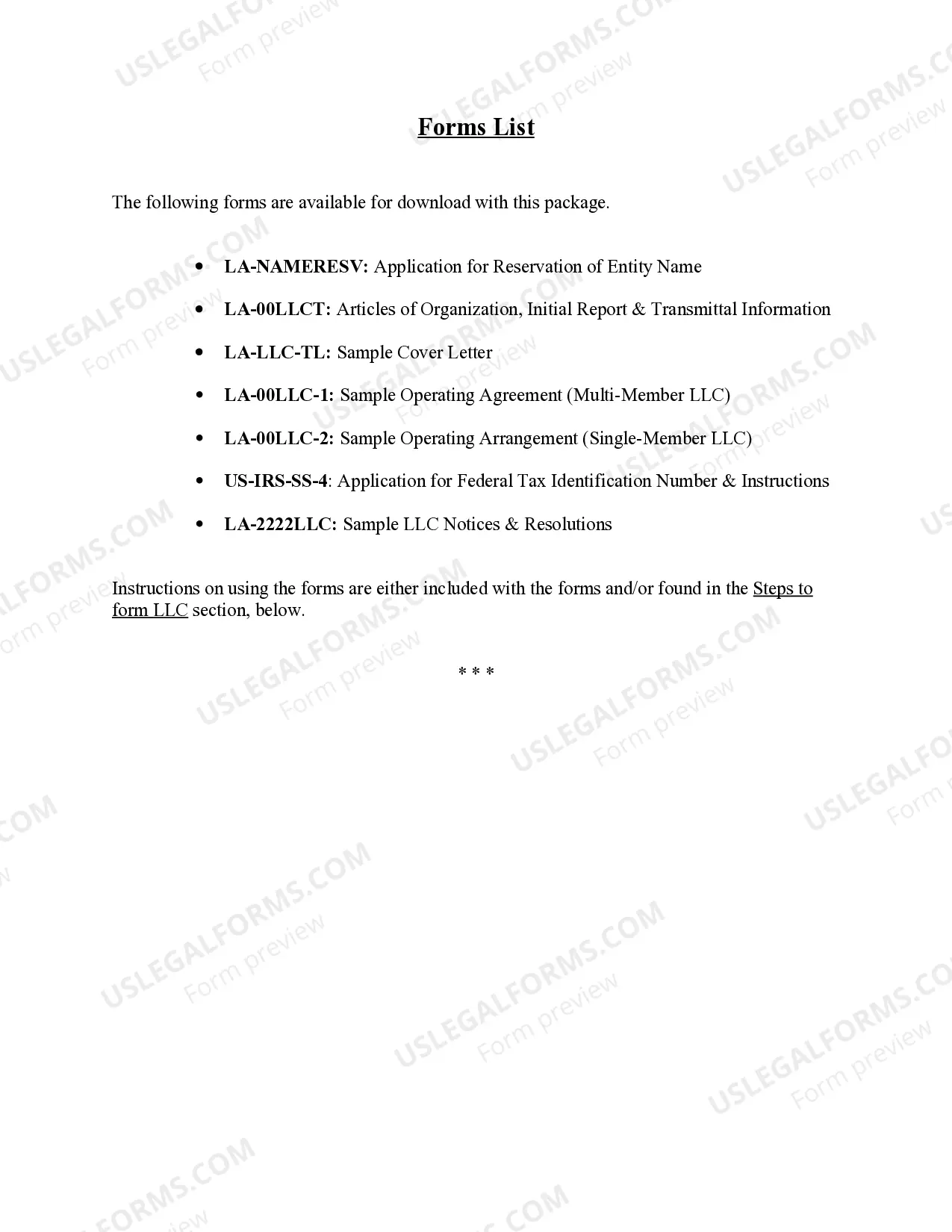
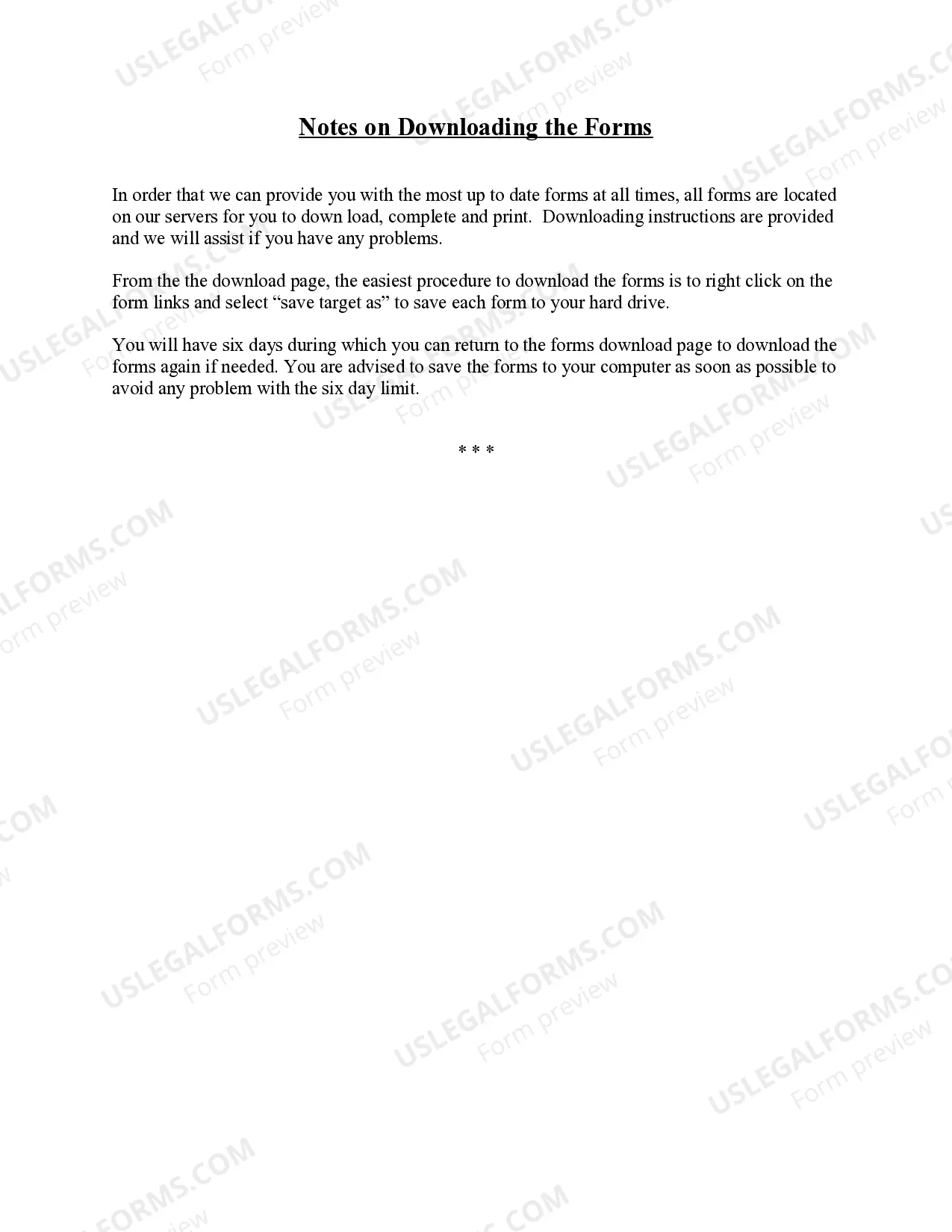

Get your form ready online
Our built-in tools help you complete, sign, share, and store your documents in one place.
Make edits, fill in missing information, and update formatting in US Legal Forms—just like you would in MS Word.
Download a copy, print it, send it by email, or mail it via USPS—whatever works best for your next step.
Sign and collect signatures with our SignNow integration. Send to multiple recipients, set reminders, and more. Go Premium to unlock E-Sign.
If this form requires notarization, complete it online through a secure video call—no need to meet a notary in person or wait for an appointment.
We protect your documents and personal data by following strict security and privacy standards.

Make edits, fill in missing information, and update formatting in US Legal Forms—just like you would in MS Word.

Download a copy, print it, send it by email, or mail it via USPS—whatever works best for your next step.

Sign and collect signatures with our SignNow integration. Send to multiple recipients, set reminders, and more. Go Premium to unlock E-Sign.

If this form requires notarization, complete it online through a secure video call—no need to meet a notary in person or wait for an appointment.

We protect your documents and personal data by following strict security and privacy standards.
Looking for another form?


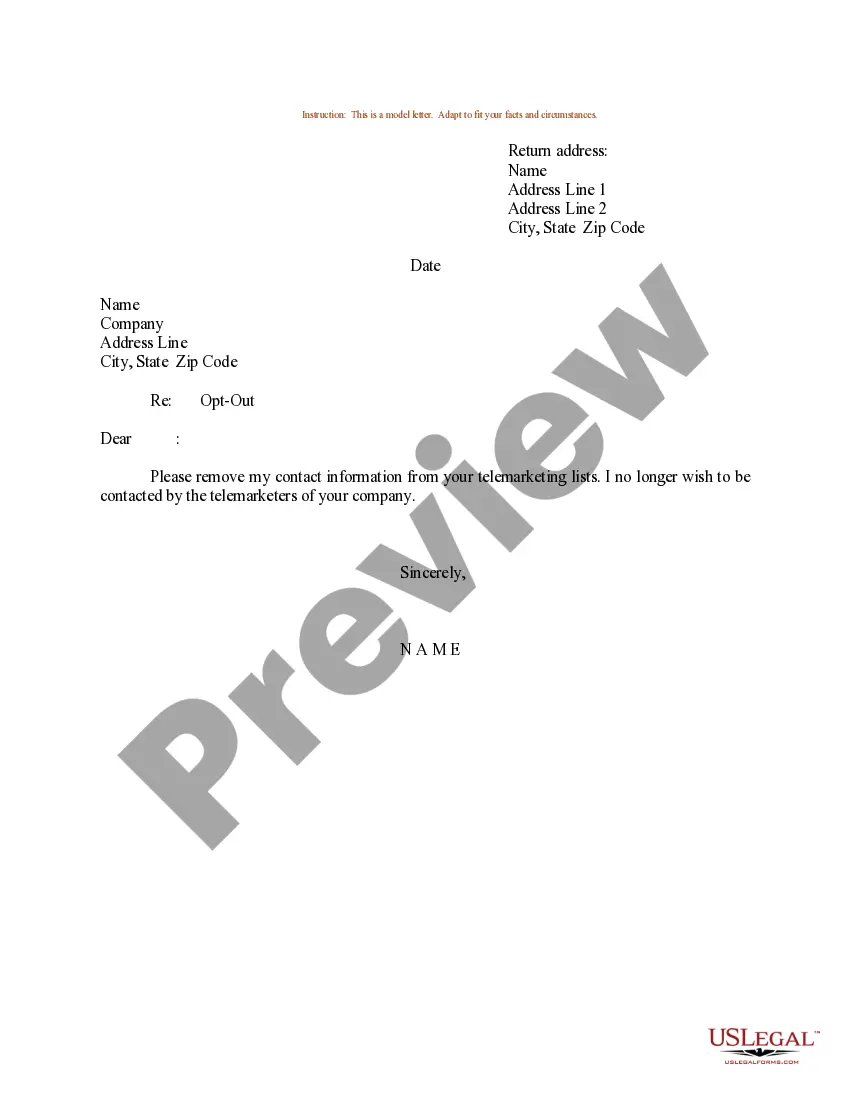
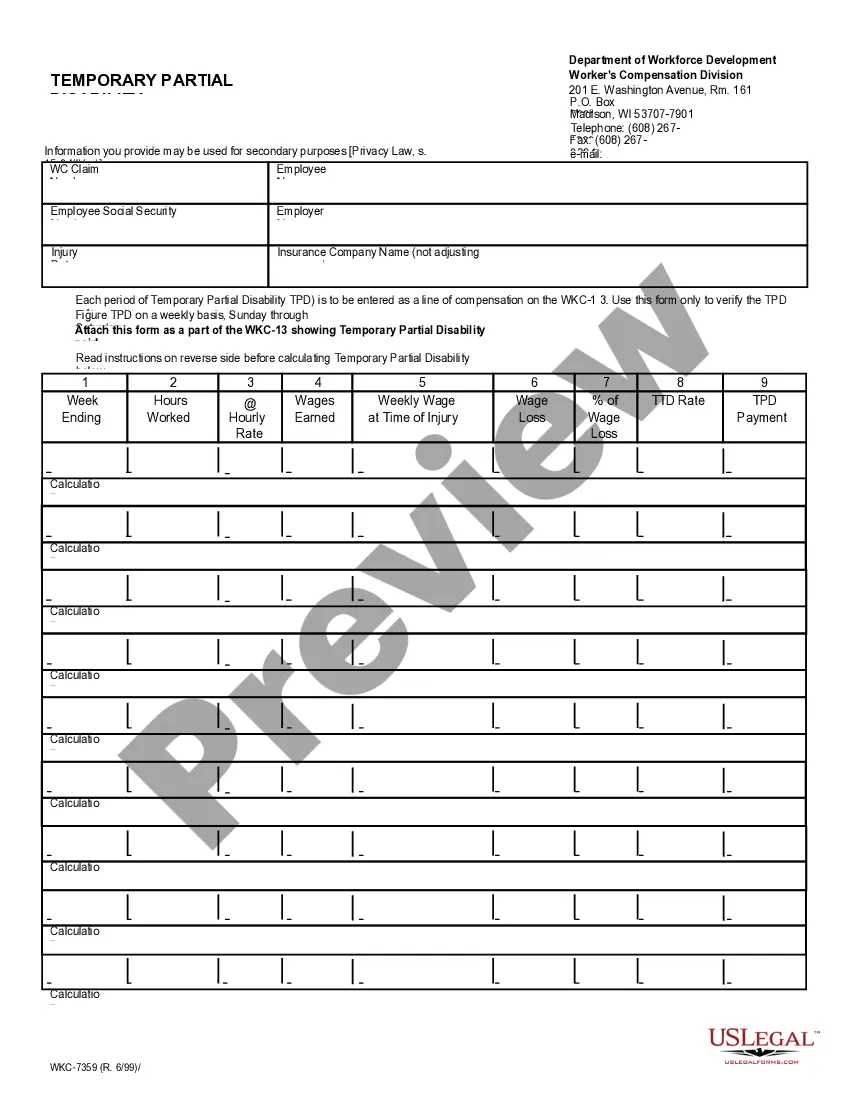


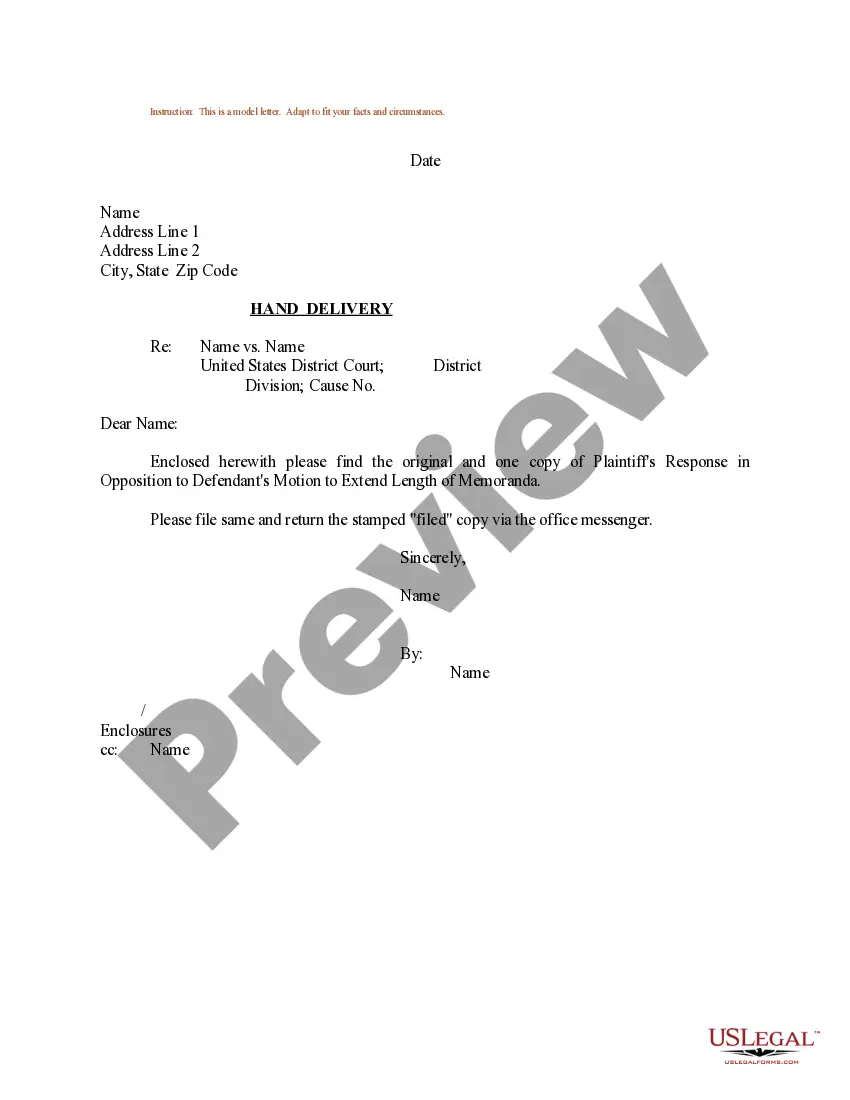



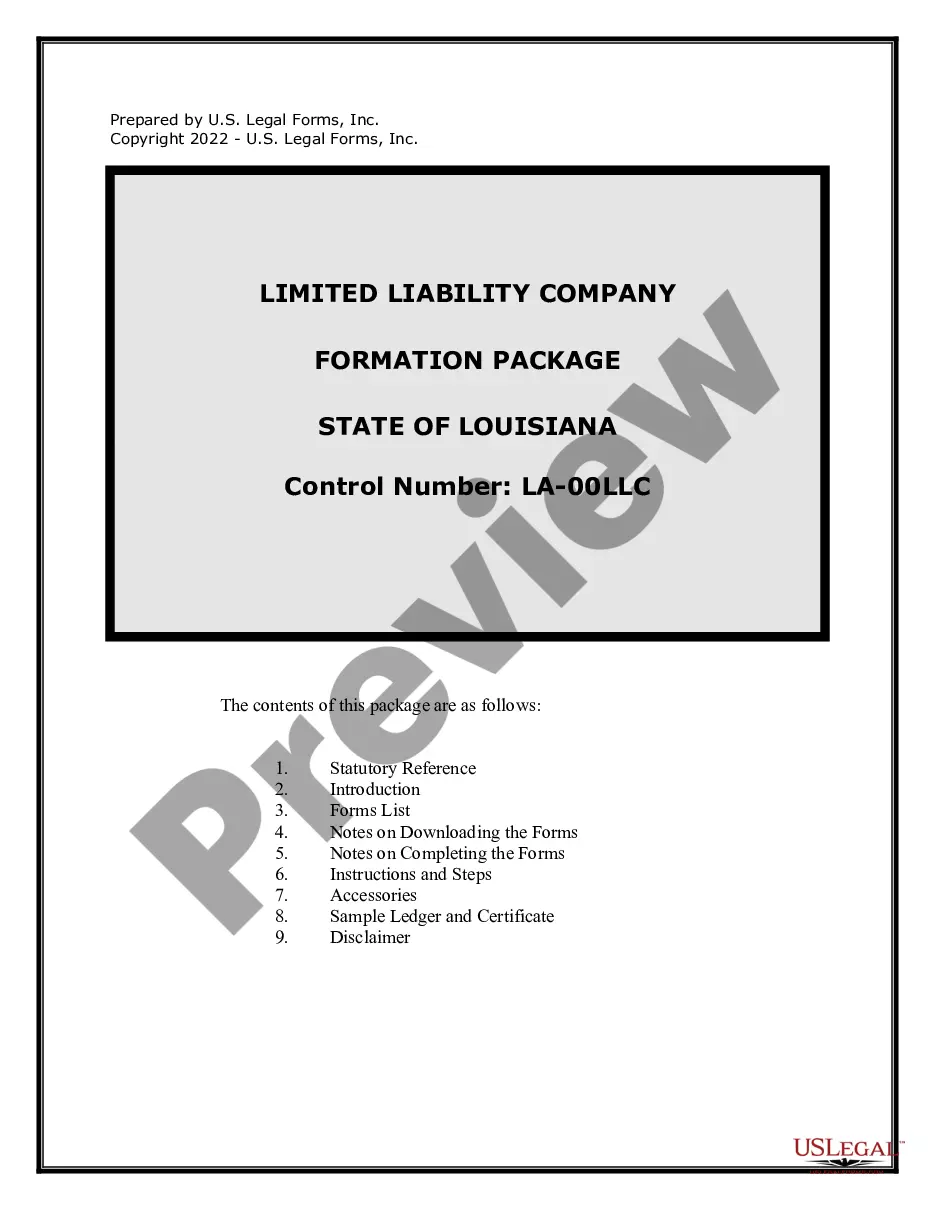
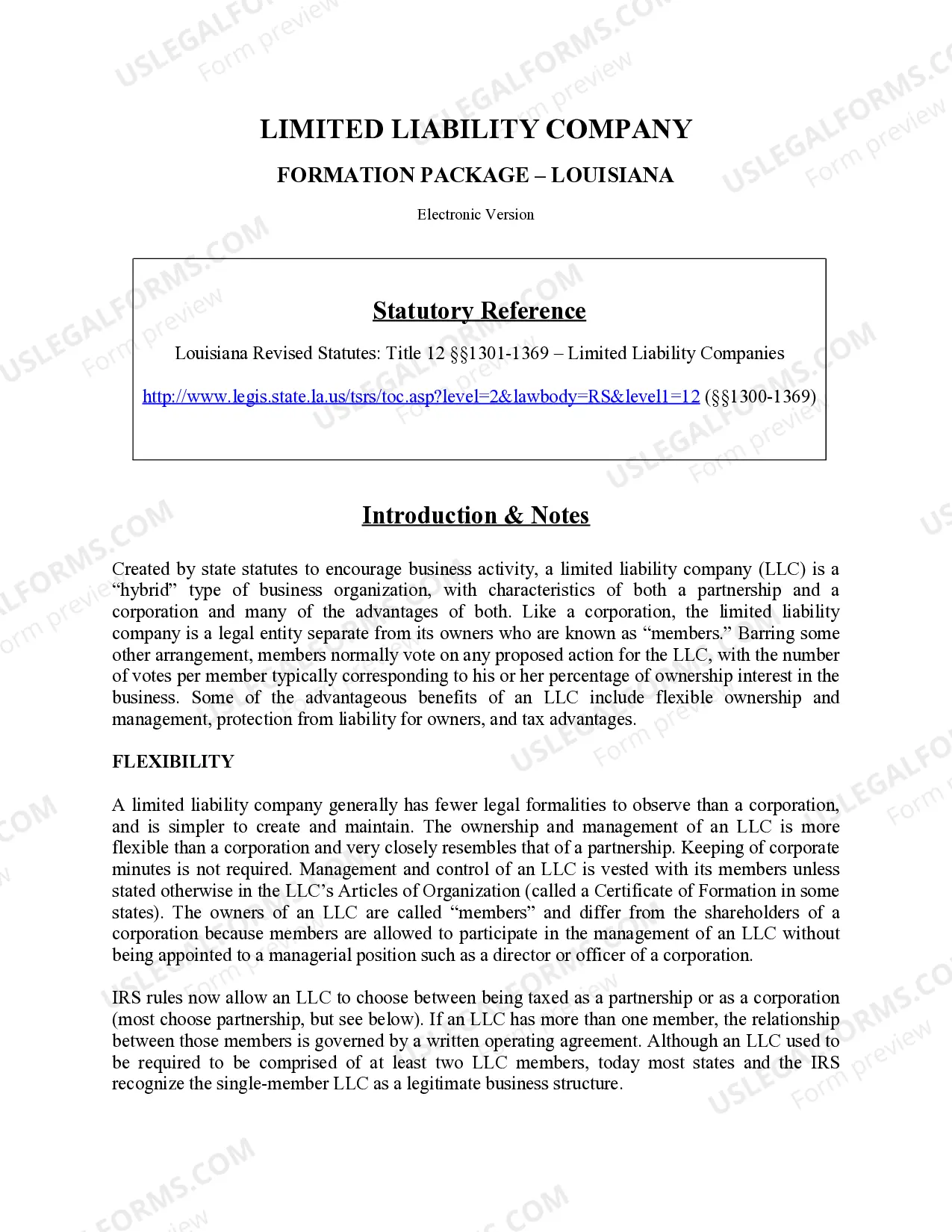
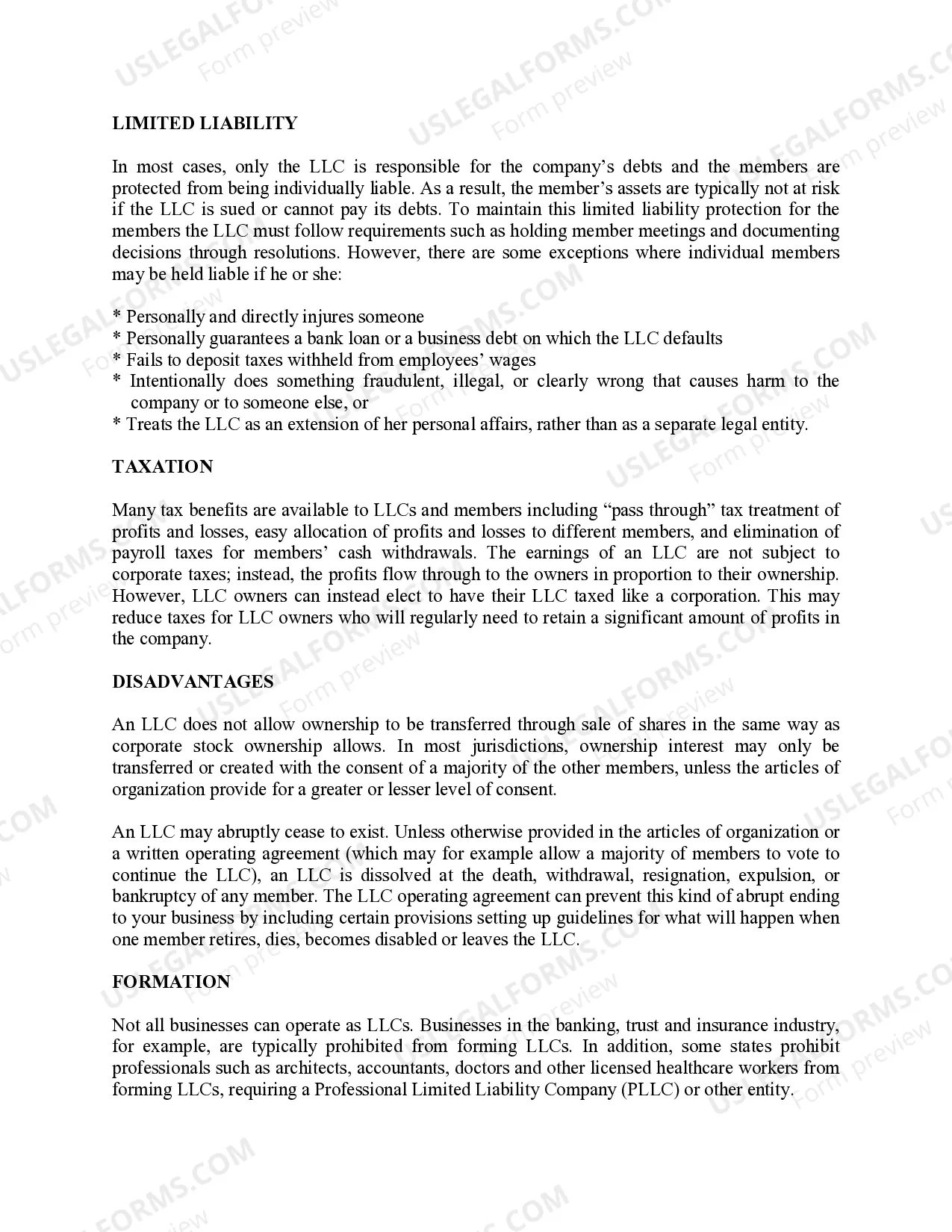
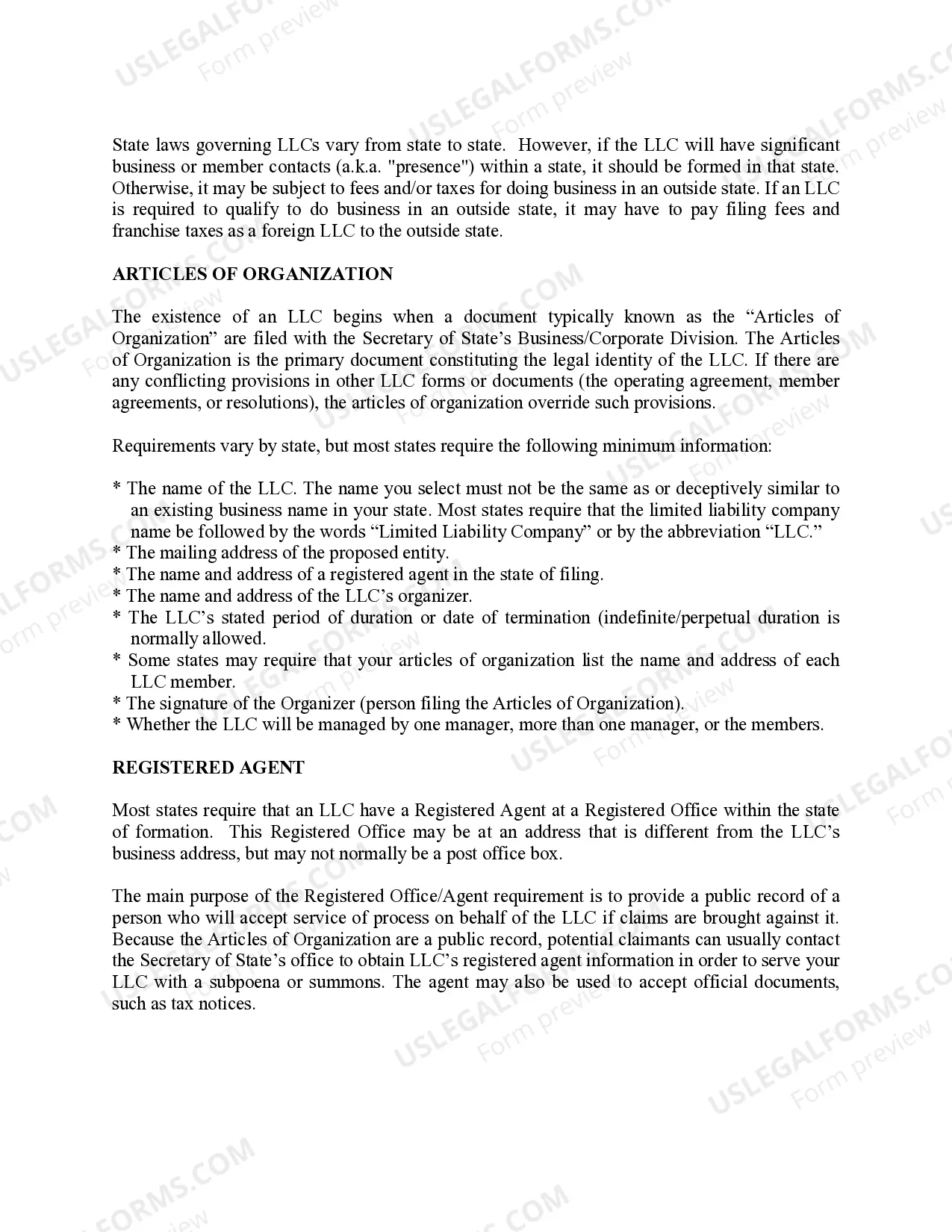
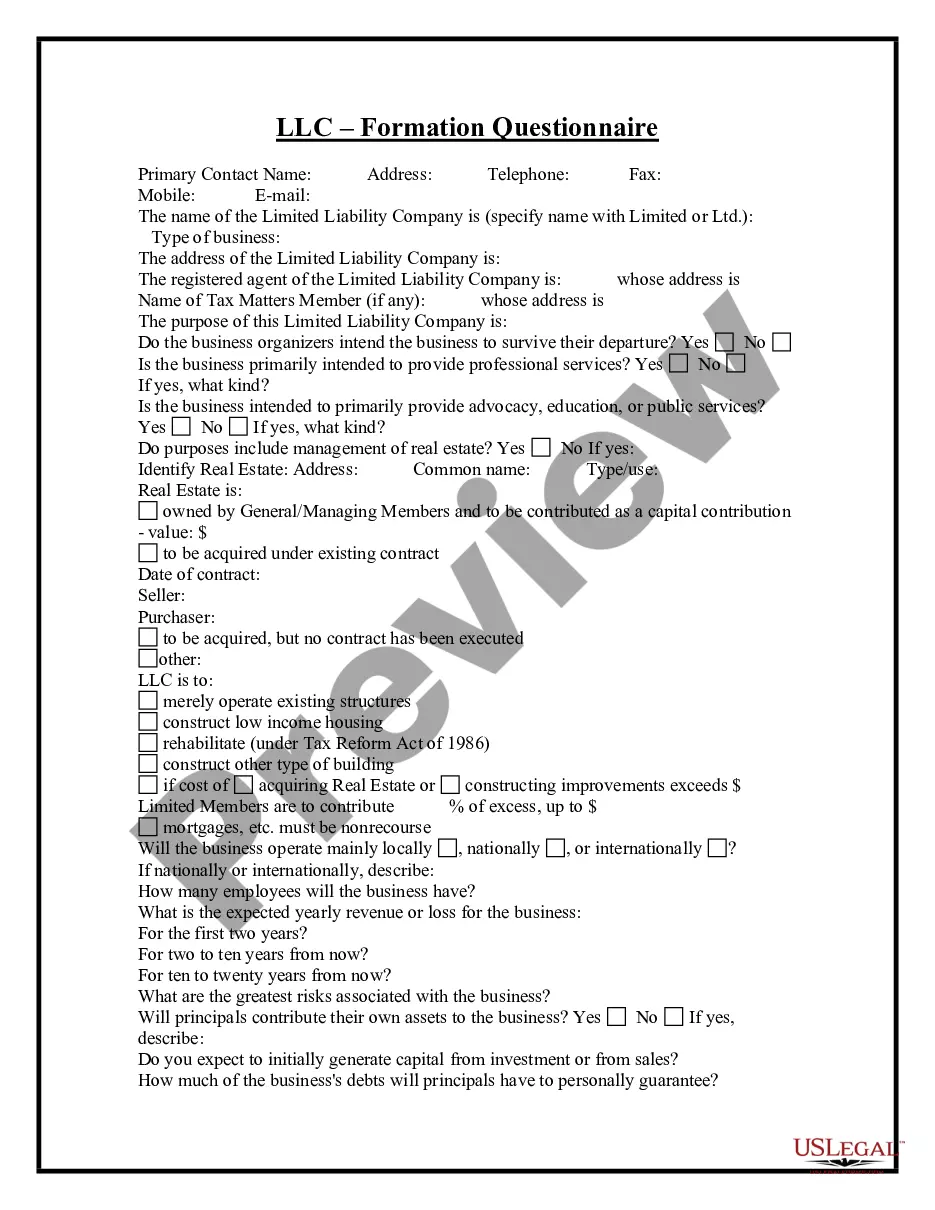
How to fill out Louisiana Limited Liability Company LLC Formation Package?
- If you're already a member, log into your account and ensure your subscription remains active. Click the Download button to retrieve your required form.
- For new users, begin by exploring the Preview mode and form description. Confirm that the selected document aligns with your needs and complies with local jurisdiction requirements.
- If the chosen form isn't a perfect fit, utilize the Search feature to find the correct template. Proceed only if the form meets your criteria.
- To purchase the document you want, click on the Buy Now button. Select your desired subscription plan and create an account to unlock access to the comprehensive library.
- Complete your purchase by submitting your payment details through credit card or PayPal. Once confirmed, the transaction will secure your subscription.
- Finally, download the form to your device. It will also be available anytime in the My Forms section of your profile.
Using US Legal Forms means you can quickly and efficiently generate legal documents tailored specifically to your needs. With access to premium experts for assistance, you can ensure your documents are precise and compliant.
Don't wait any longer—start utilizing the benefits of US Legal Forms today and streamline your limited business operations!
Form popularity
FAQ
Being a limited company means you operate under a legal framework that offers your business protection and credibility. In a limited business, you can issue shares and attract investment, which supports growth and expansion. This structure separates your personal finances from business liabilities, ensuring you are not financially responsible for debts beyond your investment. As you explore this option, uslegalforms can guide you in setting up your limited company efficiently.
While both a limited company and an LLC (Limited Liability Company) offer liability protection, they differ in structure and taxation. A limited company often refers to a corporation that can issue shares, while an LLC provides flexibility in management and passes through taxation. In a limited business, formalities like regular meetings and extensive records may be required, whereas LLCs typically have fewer regulations. Choosing between them depends on your business goals and desired level of complexity.
The term 'limited' in business refers to the restriction of liability of the owners within a company structure. In a limited business, owners are liable only for the amount they invested in the company, protecting personal assets from business risks. This structure encourages entrepreneurship by reducing financial exposure and instilling consumer confidence in business operations. With a limited business, you can enjoy growth opportunities while limiting personal risk.
When a business is a limited company, it means that its owners have limited liability. This structure protects personal assets from being used to satisfy business debts. In a limited business, the company operates as a separate legal entity, allowing it to enter contracts and own property independently from its owners. This separation provides a layer of security for the owners while offering benefits like tax advantages.
A limited company qualifies as a business entity where the owners' liability is limited to their investment. This means that personal assets are generally protected if the company incurs debt or faces lawsuits. A limited company can be structured as an LLC or a limited corporation, both offering distinct benefits suited to varying business needs.
As mentioned earlier, you cannot use 'limited' instead of 'LLC' interchangeably. While both structures offer liability protection, they serve different legal purposes. Understanding these terms will help you accurately represent your business and choose the best option for your situation.
An example of a limited liability company is a small consulting firm that offers specialized advice while limiting the owners' personal liability. By choosing this structure, the owners protect their personal assets from company debts and lawsuits. This strategic choice positions the business for growth while providing peace of mind to its members.
You cannot simply use 'limited' instead of 'LLC' because they refer to different structures. 'Limited' typically indicates a broader category, such as a limited company or partnership, whereas 'LLC' specifically designates a Limited Liability Company. It's important to understand the distinctions when registering your business to ensure you choose the right structure for your needs.
Many types of businesses can be limited, including those structured as limited liability companies, limited partnerships, or even limited corporations. In a limited partnership, for example, there are general partners who manage the business and limited partners who invest but do not participate in management. This structure allows for flexible investment opportunities while protecting personal assets.
A limited business can often refer to a Limited Liability Company (LLC) or a limited partnership. For instance, a law firm operating as a limited liability partnership provides personal liability protection for its members while sharing profits. This structure helps the business operate with reduced risk, making it a popular choice for various professionals.