Trust Account For Real Estate
Description

Get your form ready online
Our built-in tools help you complete, sign, share, and store your documents in one place.
Make edits, fill in missing information, and update formatting in US Legal Forms—just like you would in MS Word.
Download a copy, print it, send it by email, or mail it via USPS—whatever works best for your next step.
Sign and collect signatures with our SignNow integration. Send to multiple recipients, set reminders, and more. Go Premium to unlock E-Sign.
If this form requires notarization, complete it online through a secure video call—no need to meet a notary in person or wait for an appointment.
We protect your documents and personal data by following strict security and privacy standards.

Make edits, fill in missing information, and update formatting in US Legal Forms—just like you would in MS Word.

Download a copy, print it, send it by email, or mail it via USPS—whatever works best for your next step.

Sign and collect signatures with our SignNow integration. Send to multiple recipients, set reminders, and more. Go Premium to unlock E-Sign.

If this form requires notarization, complete it online through a secure video call—no need to meet a notary in person or wait for an appointment.

We protect your documents and personal data by following strict security and privacy standards.
Looking for another form?








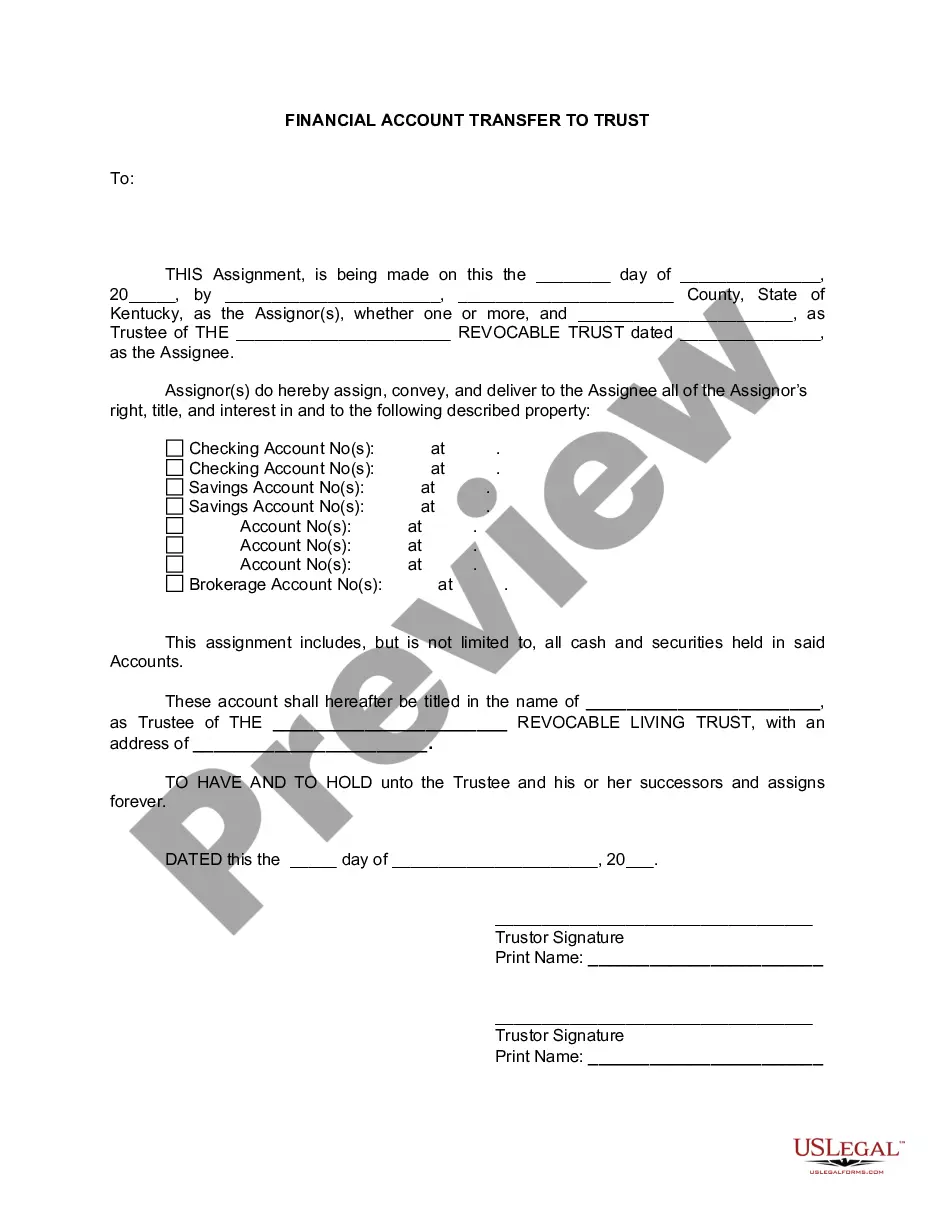
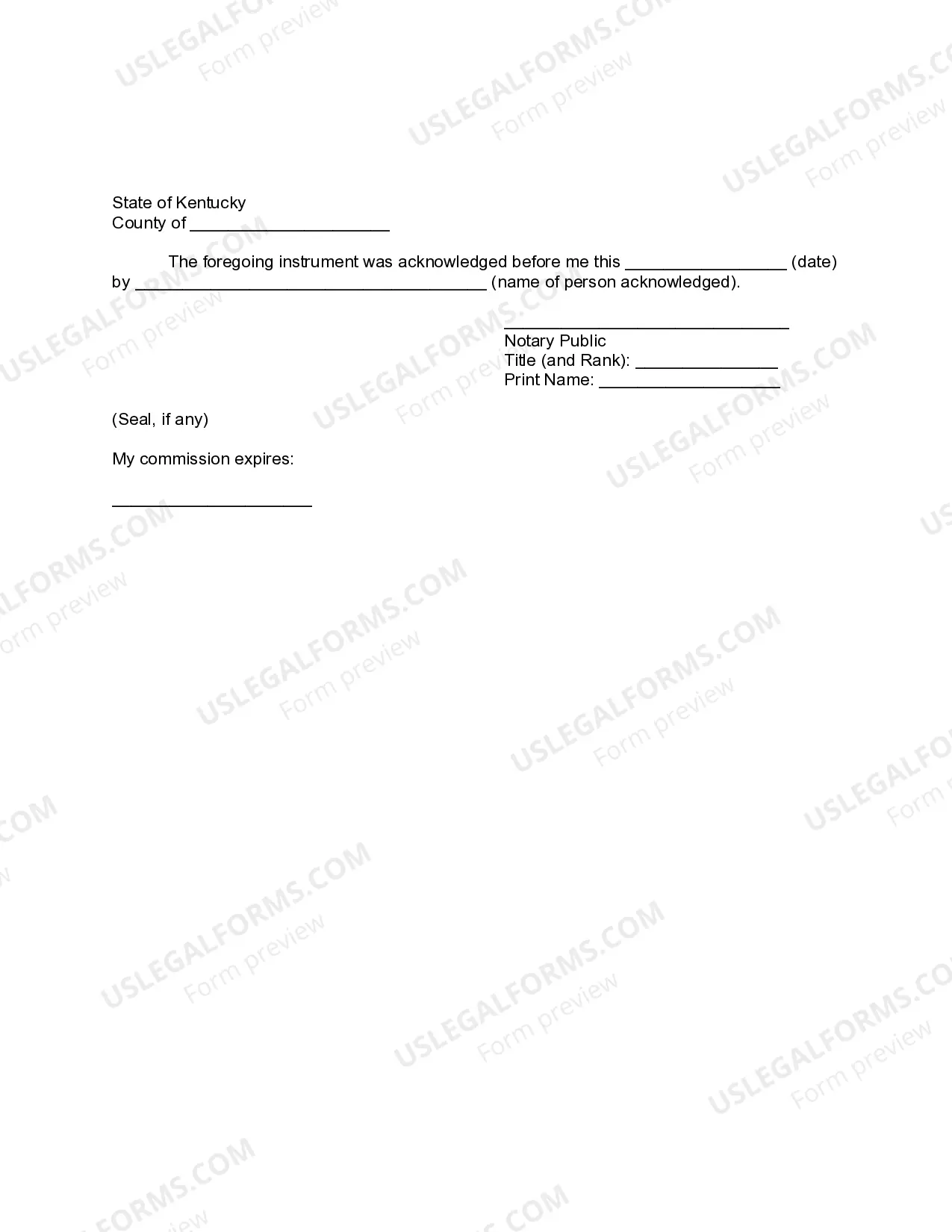
How to fill out Kentucky Financial Account Transfer To Living Trust?
- Begin by checking if you already have an account with US Legal Forms. If so, log in to access your files and verify your subscription status.
- If you're new to our service, start by exploring the Preview mode for the required form. Ensure it matches your needs and conforms to your local jurisdiction.
- Utilize the Search tab to find alternative templates if the current one doesn’t fully meet your criteria.
- Once you’ve confirmed the right document, click 'Buy Now' and select your preferred subscription plan. Create an account to unlock access to our extensive library.
- Proceed with your purchase by entering your payment information either via credit card or PayPal.
- Download the document to your device for easy access. You can also find it anytime in the My Forms section of your profile.
With US Legal Forms, you’re equipped to navigate the complexities of legal documentation for real estate. Our robust library of over 85,000 forms simplifies the process and provides you with the confidence needed in managing trust accounts.
Don’t hesitate to harness the power of US Legal Forms today and ensure your real estate transactions are legally sound and effortless.
Form popularity
FAQ
Whether your parents should put their assets in a trust largely depends on their financial and personal goals. A trust can simplify the transfer of assets and provide protection for both family members and real estate holdings. It may also help avoid probate, which can prolong the distribution process. Ultimately, a thoughtful discussion with a legal expert can help guide this decision.
The biggest mistake parents make when setting up a trust fund often involves inadequate planning about who will manage the trust after their passing. Without clearly designated trustees or guidelines for asset distribution, families may face disputes and confusion. Additionally, overlooking the real estate aspect in the trust can lead to complications in managing and transferring these assets.
An example of a trust account in real estate is a property management trust account. This account holds funds that cover property-related expenses, such as maintenance and repairs, while ensuring that rental income is deposited correctly. Such trust accounts provide a clear separation between personal and investment funds, which is crucial for effective asset management and transparency.
The main downfall of having a trust can include the associated costs, such as initial setup fees and ongoing management expenses. Furthermore, trusts require careful maintenance to ensure they operate as intended, which can add administrative burdens. Also, some people find that trusts can complicate the inheritance process if not structured clearly, especially in real estate matters.
To set up a trust account for an estate, begin by determining the type of trust that best suits your needs. Next, consider consulting a legal professional to aid in drafting the trust document. After that, you will need to transfer the assets into the trust, which can include real estate properties, bank accounts, or other possessions. Finally, make sure to register the trust account properly to ensure all assets are safeguarded.
One significant downside of putting assets in a trust can be the complexity of the setup process. Often, establishing a trust requires legal assistance, which can incur costs. Additionally, once assets are placed in a trust, you may lose direct control over them, as the trust dictates how they are managed. This could limit your flexibility in handling your assets, particularly in real estate.
When choosing a bank to open a trust account for real estate, consider institutions with a strong reputation for customer service and trust products. Look for banks that offer specific features suitable for real estate, such as online banking and competitive interest rates. Additionally, reviewing customer reviews can give you insights into the best options available. Uslegalforms provides guidance on selecting the right bank that fits your trust account needs.
The best person to set up a trust is an experienced estate planning attorney who specializes in trust accounts for real estate. This professional can provide legal advice tailored to your situation and ensure that the trust meets all legal standards. Additionally, they can help you navigate state-specific requirements, making the process smoother. Platforms like uslegalforms also offer resources to help you find the right professional.
To open a trust account for real estate, you first need to create the trust document outlining its terms and beneficiaries. Next, gather necessary identification and paperwork to present to a bank. After that, visit the chosen financial institution to open the account, ensuring you comply with all legal requirements. If this process feels overwhelming, uslegalforms can assist you with the necessary documentation.
The best bank account for a trust account for real estate depends on your specific requirements. Generally, look for accounts that offer low fees, easy access to funds, and excellent customer service. Some banks also provide additional features like online management tools, which can be useful for monitoring your trust’s financial activities. Uslegalforms can help you evaluate your options and choose wisely.