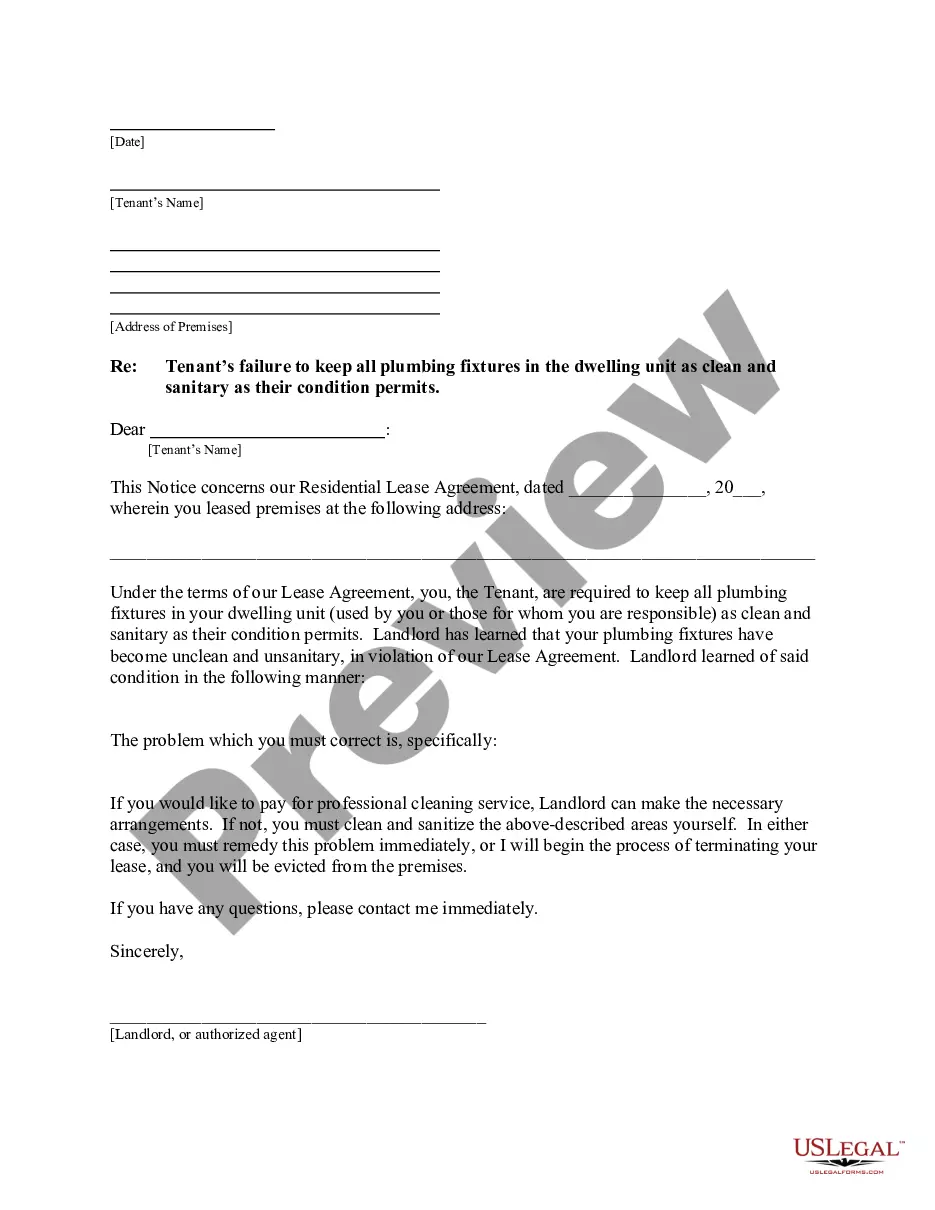
Tenant Failure Plumbing With No Water
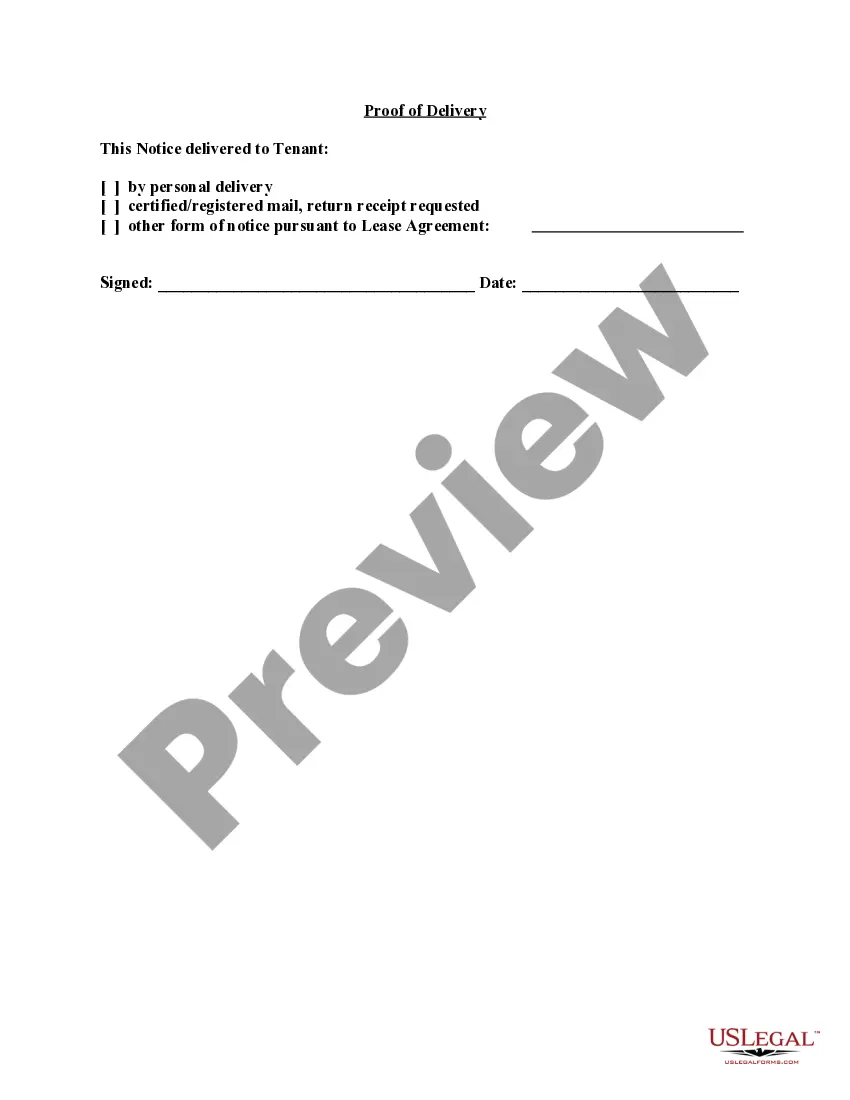
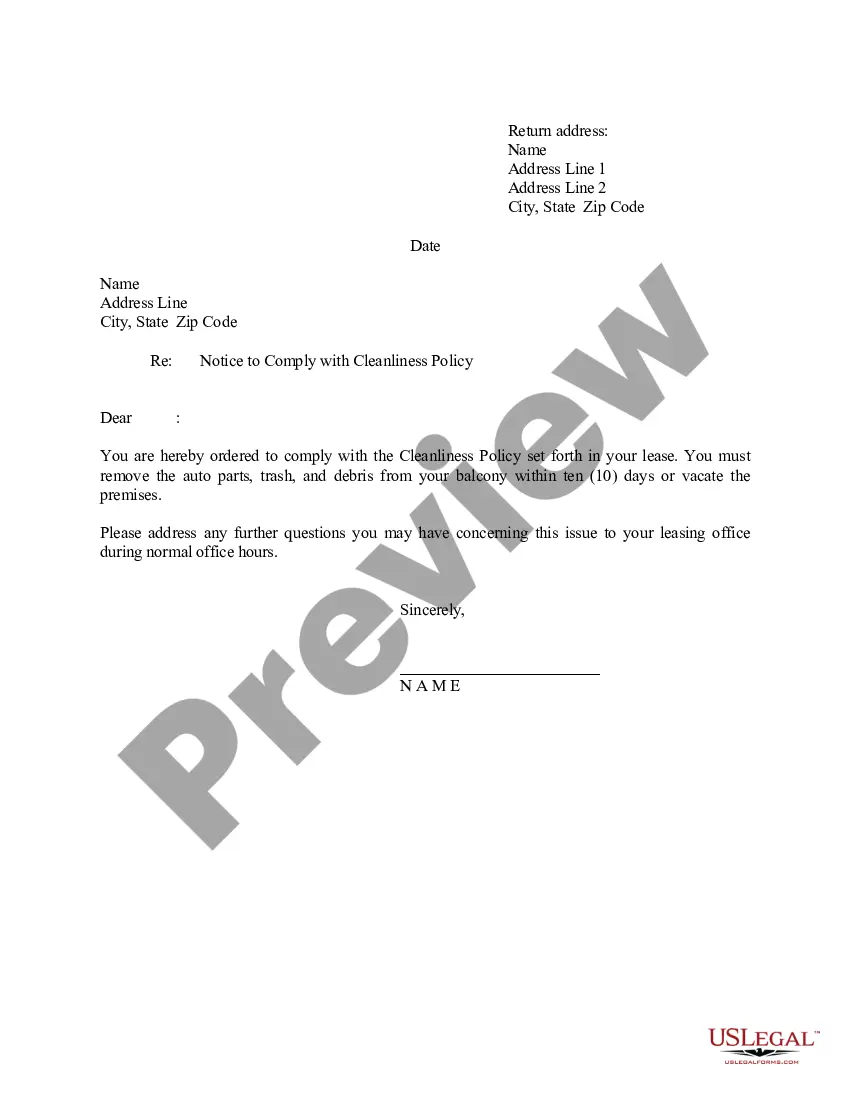
Description


Get your form ready online
Our built-in tools help you complete, sign, share, and store your documents in one place.
Make edits, fill in missing information, and update formatting in US Legal Forms—just like you would in MS Word.
Download a copy, print it, send it by email, or mail it via USPS—whatever works best for your next step.
Sign and collect signatures with our SignNow integration. Send to multiple recipients, set reminders, and more. Go Premium to unlock E-Sign.
If this form requires notarization, complete it online through a secure video call—no need to meet a notary in person or wait for an appointment.
We protect your documents and personal data by following strict security and privacy standards.

Make edits, fill in missing information, and update formatting in US Legal Forms—just like you would in MS Word.

Download a copy, print it, send it by email, or mail it via USPS—whatever works best for your next step.

Sign and collect signatures with our SignNow integration. Send to multiple recipients, set reminders, and more. Go Premium to unlock E-Sign.

If this form requires notarization, complete it online through a secure video call—no need to meet a notary in person or wait for an appointment.

We protect your documents and personal data by following strict security and privacy standards.
Looking for another form?





How to fill out Kentucky Letter From Landlord To Tenant For Failure To Keep All Plumbing Fixtures In The Dwelling Unit As Clean As Their Condition Permits - Remedy Or Lease Terminates?
- If you’re a returning user, log in to your account and ensure your subscription is active. Download the required form by clicking the Download button.
- For new users, start by checking the form descriptions to choose one that suits your needs and meets local jurisdiction requirements.
- If no suitable form is found, utilize the Search tab at the top to locate the appropriate template.
- Once you identify a suitable document, click the Buy Now button to select your desired subscription plan and create an account for access.
- Complete your purchase by entering your credit card information or opting to pay via PayPal.
- Finally, download the form to your device and access it anytime in the My Forms section.
In summary, using US Legal Forms simplifies the daunting task of managing tenant failure plumbing with no water. With a robust collection of over 85,000 forms, users can confidently find and utilize templates that fit their specific legal needs.
Get started today and ensure that you have the proper legal documentation at your fingertips!
Form popularity
FAQ
In Texas, landlords must provide adequate water service, and leaving a tenant without water is generally not permissible for an extended period. If you experience tenant failure plumbing with no water, landlords are typically required to address the issue promptly to avoid potential health and safety violations. If your landlord does not act within a reasonable timeframe, you may have the right to pursue legal remedies. Consider utilizing platforms like US Legal Forms to help navigate your rights and responsibilities.
Tenants can be responsible for certain plumbing issues, especially if they contributed to the problem, such as through careless usage. However, in scenarios of tenant failure plumbing with no water due to normal wear and tear, the landlord usually holds responsibility. It is essential for tenants to communicate promptly with their landlords about plumbing problems to ensure quick resolution. Understanding your lease and local regulations can clarify these responsibilities.
The responsibility for plumbing issues, including tenant failure plumbing with no water, typically falls on the landlord. In most cases, landlords are obligated to maintain plumbing systems and ensure water supply for their tenants. However, if damages result from tenant negligence, such as misuse or failure to report issues promptly, tenants may bear some responsibility. Always review your lease agreement and local laws for specific obligations.
Yes, no running water is considered an emergency situation for an apartment. When you experience tenant failure plumbing with no water, it can severely disrupt your daily life and sanitation. Quickly addressing this issue is crucial, as it affects hygiene and health. As a tenant, you should report this problem to your landlord immediately, as they are responsible for maintaining essential services like water.
Typically, tenants are not responsible for plumbing issues unless they caused the damage. If you experience tenant failure plumbing with no water due to normal wear and tear, your landlord must handle repairs. Reviewing your lease agreement can clarify your obligations. For further assistance, platforms like US Legal Forms can help you understand your rights and responsibilities.
A landlord should address tenant failure plumbing with no water, especially regarding a working toilet, promptly. Many states mandate that landlords repair essential plumbing issues, like toilets, within a specific time frame. Leaving you without a toilet for extended periods can violate housing codes. You have the right to repair and deduct or seek assistance if the situation persists.
In general, the landlord is responsible for plumbing issues related to tenant failure plumbing with no water. They must maintain the plumbing system and ensure it functions properly. However, if damages result from tenant negligence, that responsibility may shift. Understanding your lease and local laws can clarify your responsibilities.
When facing tenant failure plumbing with no water, you have specific rights. Under most state laws, landlords must provide essential services, including water. If the water is cut off due to plumbing failures, you can typically request repairs. If your landlord fails to act in a reasonable time, you may have grounds to file complaints or seek legal action.
Landlord neglect refers to a landlord's failure to address maintenance issues, like tenant failure plumbing with no water, that directly impact a tenant's living conditions. This can include ignoring repair requests, allowing unsafe conditions to persist, or failing to provide necessary services. If you believe you are experiencing landlord neglect, consider seeking help from platforms like uslegalforms to understand your options effectively.
Uninhabitable living conditions in Texas include situations like lack of water, tenant failure plumbing with no water, significant leaks, or major structural issues. If these conditions compromise a tenant's health or safety, tenants have grounds to seek repairs or potentially terminate their lease. Understanding these conditions helps tenants know their rights and seek assistance if needed.