Kentucky Quitclaim Deed With A Child
Description


Get your form ready online
Our built-in tools help you complete, sign, share, and store your documents in one place.
Make edits, fill in missing information, and update formatting in US Legal Forms—just like you would in MS Word.
Download a copy, print it, send it by email, or mail it via USPS—whatever works best for your next step.
Sign and collect signatures with our SignNow integration. Send to multiple recipients, set reminders, and more. Go Premium to unlock E-Sign.
If this form requires notarization, complete it online through a secure video call—no need to meet a notary in person or wait for an appointment.
We protect your documents and personal data by following strict security and privacy standards.

Make edits, fill in missing information, and update formatting in US Legal Forms—just like you would in MS Word.

Download a copy, print it, send it by email, or mail it via USPS—whatever works best for your next step.

Sign and collect signatures with our SignNow integration. Send to multiple recipients, set reminders, and more. Go Premium to unlock E-Sign.

If this form requires notarization, complete it online through a secure video call—no need to meet a notary in person or wait for an appointment.

We protect your documents and personal data by following strict security and privacy standards.
Looking for another form?







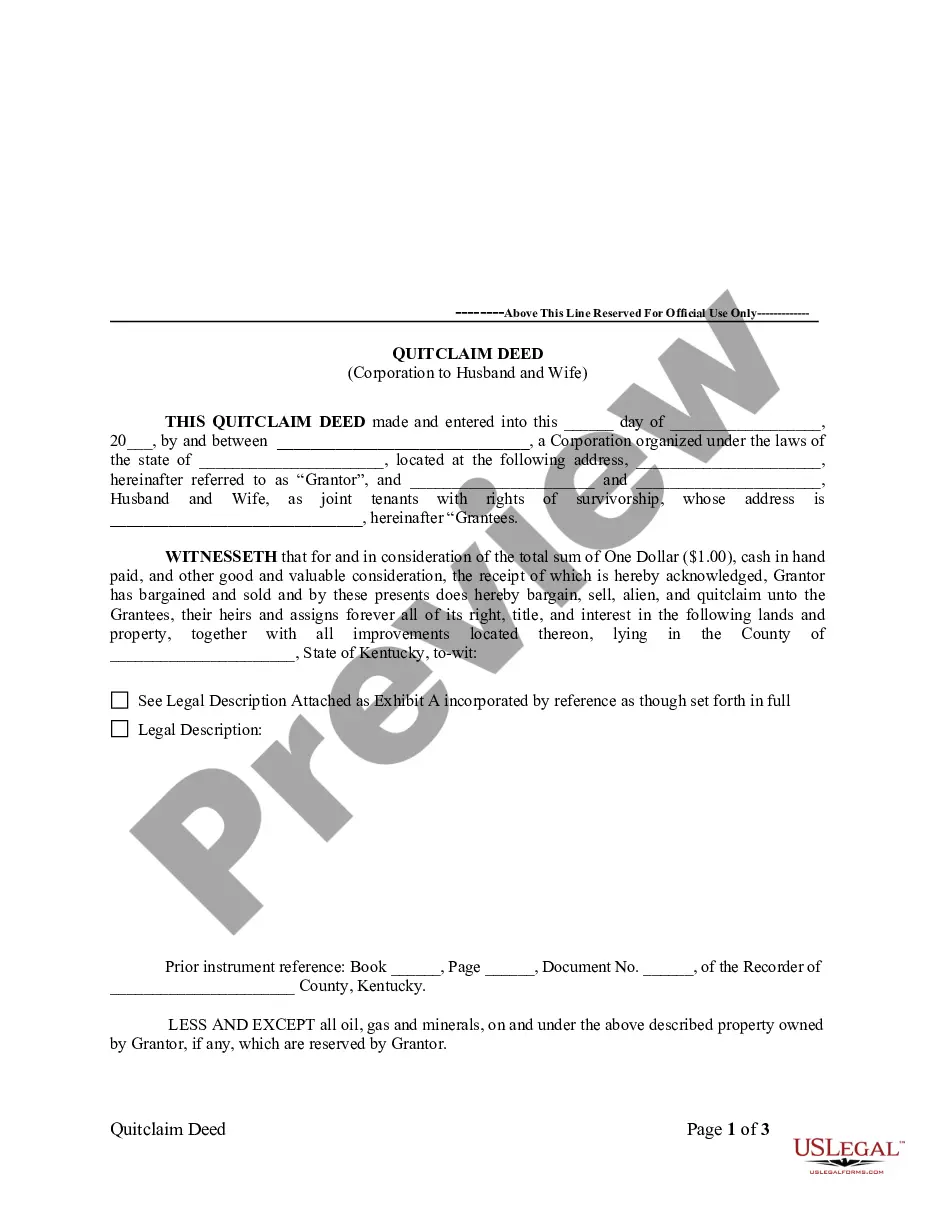
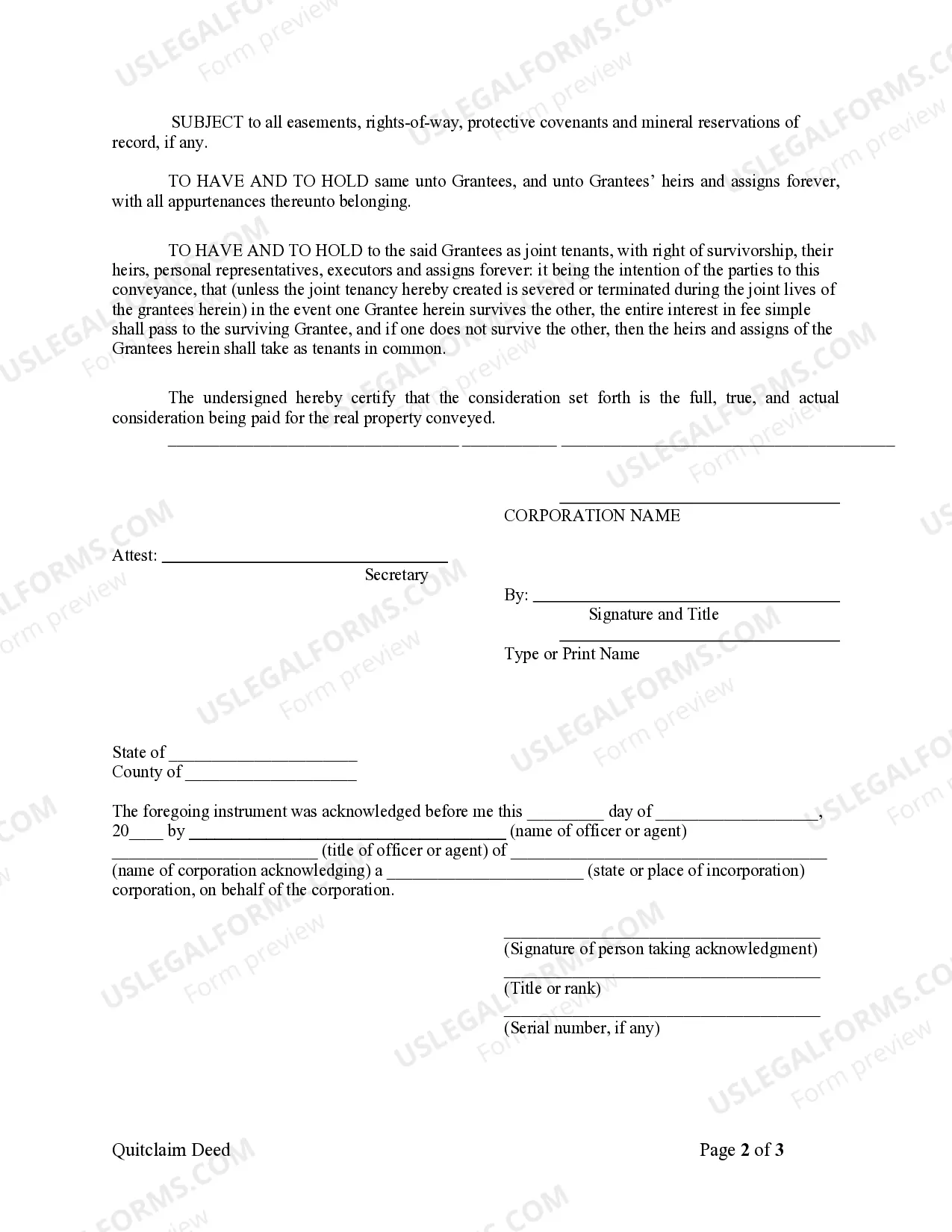
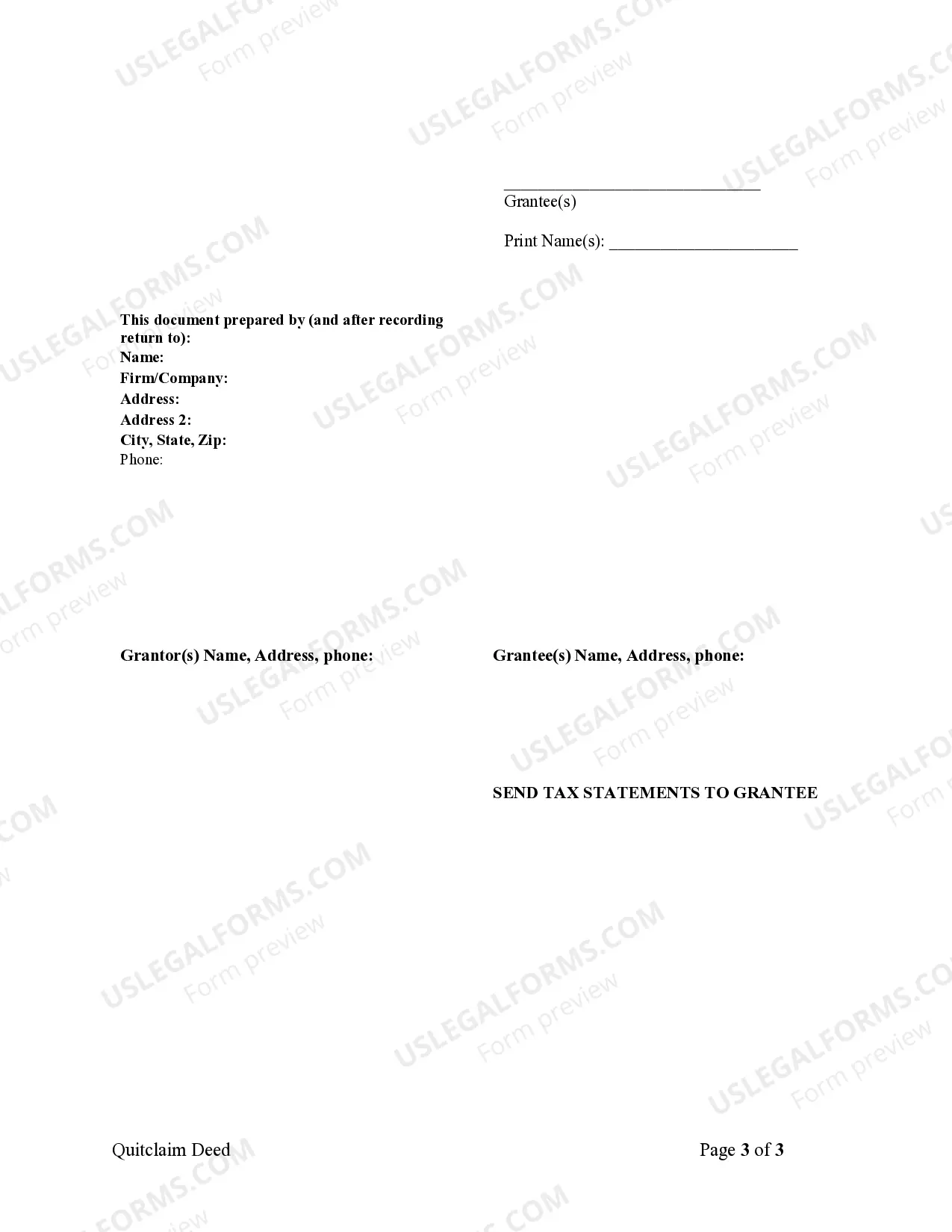
How to fill out Kentucky Quitclaim Deed From Corporation To Husband And Wife?
- Visit the US Legal Forms website and log into your account if you're an existing user.
- Ensure your subscription is active; if not, renew it based on your selected payment plan.
- Preview the available Kentucky quitclaim deed forms and read their descriptions to confirm they meet your requirements.
- Utilize the search function to find alternative forms if you encounter any discrepancies.
- Select a document by clicking the 'Buy Now' button and choose your preferred subscription plan. Create an account if this is your first purchase.
- Complete your transaction by entering your payment details, either through credit card or PayPal.
- Download the Kentucky quitclaim deed form to your device and access it anytime in the 'My Forms' section of your profile.
In conclusion, US Legal Forms simplifies the process of obtaining legal documents, ensuring you have the resources necessary to navigate legalities confidently. By following the steps outlined above, you can easily acquire a Kentucky quitclaim deed tailored for your situation.
Don’t hesitate—visit US Legal Forms today and streamline your legal document needs!
Form popularity
FAQ
Many real estate experts often view Kentucky quitclaim deeds with a child as a risky choice. This is largely due to the lack of title insurance and warranty that protects the buyer in a conventional sale. Additionally, recipients may face unexpected challenges if prior owner debts exist. As you consider using this type of deed, it might be beneficial to explore legal resources available on platforms like uslegalforms, which can provide necessary guidance.
Despite their simplicity, Kentucky quitclaim deeds with a child come with notable disadvantages. They do not provide warranty or guarantee about the property title, which means the recipient could inherit unforeseen issues. If there are outstanding claims or liens on the property, the child could become responsible for these debts. Therefore, it is essential for both parties to conduct thorough research before proceeding with a quitclaim deed.
Kentucky quitclaim deeds with a child are frequently used to transfer property ownership without guarantees. They often occur between family members, such as when a parent conveys property to a child. These deeds make the transfer quick and straightforward, sparing both parties from the lengthy process typically associated with a sale. When considering this option, it is crucial to ensure that both parties understand the implications involved.
You can transfer a deed to a family member in Kentucky by executing a quitclaim deed. This straightforward process involves filling out the deed form, having it notarized, and filing it with the county clerk. Utilizing platforms like US Legal Forms can provide you with the correct templates and guidance to ensure everything is in order.
To transfer a house deed to a family member in Kentucky, you can use a quitclaim deed. Start by gathering the necessary information and completing the deed form accurately. After signing in front of a notary, file the deed with the local county clerk's office to finalize the transfer.
The best way to transfer property title between family members in Kentucky is through a quitclaim deed. This method allows for quick and easy transfer without the complexities tied to other types of deeds. It is particularly effective when transferring a Kentucky quitclaim deed with a child, as it simplifies the process and avoids potential disputes.
To create a Kentucky quitclaim deed, start by obtaining the correct form, which you can find online or through a legal office. Fill out the form with the necessary details, including the legal description of the property and the names of the parties involved. Once completed, the document needs to be signed in front of a notary public and filed with the county clerk's office for it to be valid.
In Kentucky, you do not need an attorney to prepare a quitclaim deed, but it is highly recommended. An attorney can ensure that the document is accurate and complies with state laws. This can save you time and prevent future issues with property transfer, especially when it involves a Kentucky quitclaim deed with a child.
To create a quitclaim deed in Kentucky, you’ll need to complete a specific form that includes details about the property and the parties involved. After filling out the form, the deed must be signed in front of a notary public and recorded at your local county clerk's office. This process is especially important when transferring property with a child involved, as it protects everyone's rights. UsLegalForms offers resources to help you navigate this process smoothly.
A quitclaim deed can be prepared by anyone, but it is often best handled by a legal professional. An attorney can help ensure that the deed complies with Kentucky laws and addresses any special considerations, especially when transferring property involving a child. If you prefer to do it yourself, platforms like UsLegalForms provide templates and guidance to make this easier.