Kentucky Quitclaim Deed For 2 Years
Description


Get your form ready online
Our built-in tools help you complete, sign, share, and store your documents in one place.
Make edits, fill in missing information, and update formatting in US Legal Forms—just like you would in MS Word.
Download a copy, print it, send it by email, or mail it via USPS—whatever works best for your next step.
Sign and collect signatures with our SignNow integration. Send to multiple recipients, set reminders, and more. Go Premium to unlock E-Sign.
If this form requires notarization, complete it online through a secure video call—no need to meet a notary in person or wait for an appointment.
We protect your documents and personal data by following strict security and privacy standards.

Make edits, fill in missing information, and update formatting in US Legal Forms—just like you would in MS Word.

Download a copy, print it, send it by email, or mail it via USPS—whatever works best for your next step.

Sign and collect signatures with our SignNow integration. Send to multiple recipients, set reminders, and more. Go Premium to unlock E-Sign.

If this form requires notarization, complete it online through a secure video call—no need to meet a notary in person or wait for an appointment.

We protect your documents and personal data by following strict security and privacy standards.
Looking for another form?


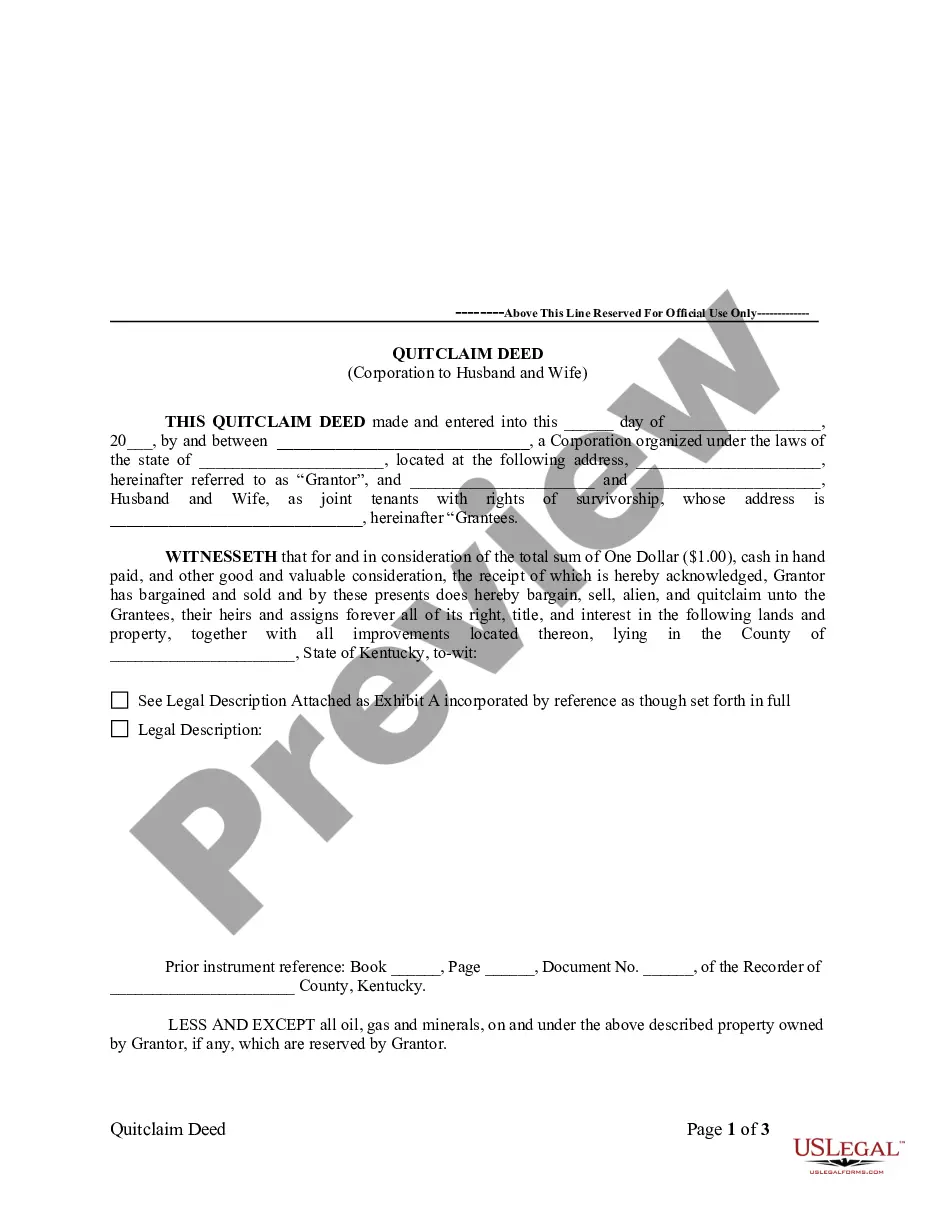
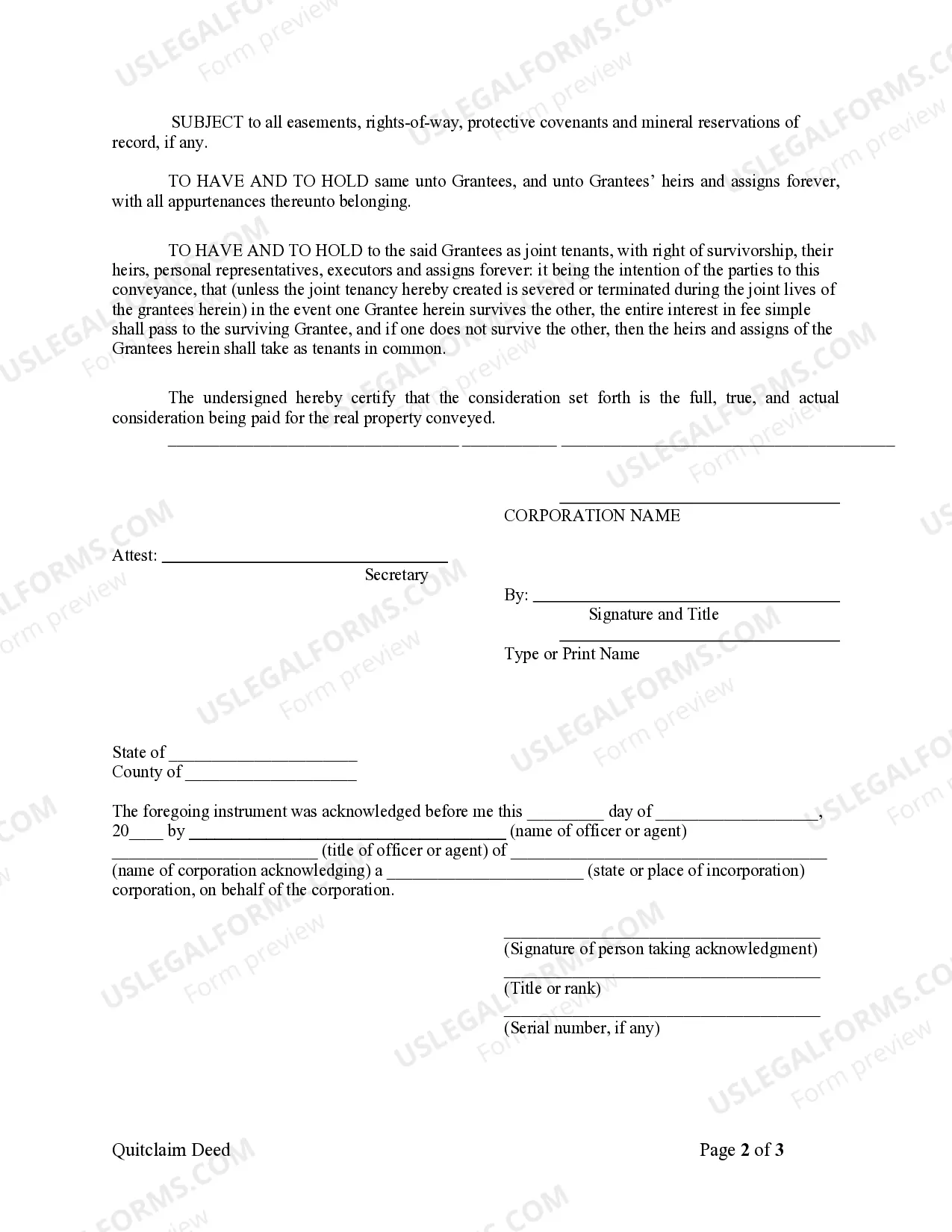
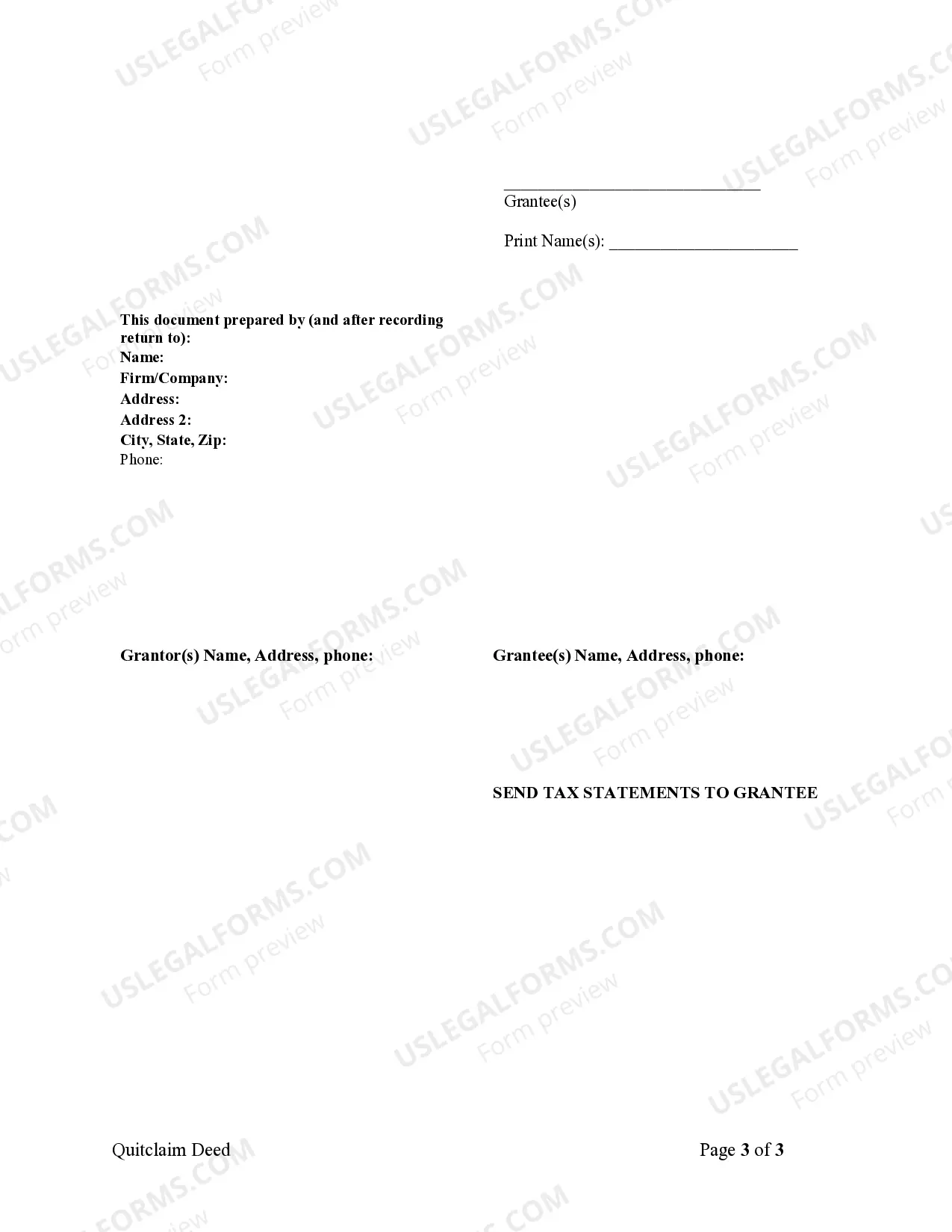
How to fill out Kentucky Quitclaim Deed From Corporation To Husband And Wife?
- Log in to your US Legal Forms account if you are a returning user. Ensure your subscription is active, and if not, renew it according to your payment plan.
- Check the preview mode and read the form description to confirm it meets your requirements and aligns with local jurisdiction.
- If inconsistencies arise or you need a different template, use the search tab to locate the appropriate form.
- Purchase the document by clicking on the Buy Now button, selecting your desired subscription plan, and completing the registration.
- Process your payment by entering your credit card information or using your PayPal account to buy the subscription.
- Download your Kentucky quitclaim deed and save it to your device. You can always access it later in the My Forms section of your account.
US Legal Forms empowers users to navigate the legal document landscape with ease, ensuring you receive accurate and legally sound documentation every time.
Don't wait any longer—visit US Legal Forms today and simplify your legal processes!
Form popularity
FAQ
The main purpose of a quitclaim deed is to transfer ownership rights quickly, especially among family or acquaintances. It can be ideal for situations involving divorce settlements or property transfers without a sale. If you're exploring a Kentucky quitclaim deed for 2 years, it can be a useful tool, but always be aware of the lack of warranties and potential risks involved.
In Kentucky, a quitclaim deed transfers ownership by merely stating the grantor's interest in the property. This means that, unlike other deeds, it doesn't ensure that the grantor has any rights to sell the property. If you consider using a Kentucky quitclaim deed for 2 years, it is advisable to perform a title search or consult a legal professional to understand the implications fully.
Generally, a quitclaim deed does not expire, including a Kentucky quitclaim deed for 2 years. Once it is executed and recorded, it serves as a legal instrument for property transfer without a time limit. However, disputes regarding the title may arise in the future, which makes it important to confirm ownership before acquiring property under a quitclaim.
A Kentucky quitclaim deed for 2 years remains effective as long as it is recorded with the local government. Once recorded, it transfers ownership rights without expiration, unless the property is sold again or other legal actions occur. It's important to note that while the deed holds validity indefinitely, the buyer should ensure title clarity at the time of transfer.
Many people often view quitclaim deeds with skepticism due to their lack of warranty. Unlike other deed types, a Kentucky quitclaim deed for 2 years does not guarantee that the seller has clear title to the property. This can lead to unexpected issues for the buyer, especially if there are hidden liens or titles. Therefore, understanding the limitations of quitclaims is crucial.
A quitclaim deed, including a Kentucky quitclaim deed for 2 years, transfers ownership permanently unless revoked or otherwise disputed. The deed conveys whatever interest the seller has at the time of transfer. Thus, if no legal challenges arise, the buyer holds complete rights to the property indefinitely. It's wise to ensure all pertinent legalities are addressed to safeguard these rights.
After a Kentucky quitclaim deed for 2 years is recorded, the transfer of ownership becomes official in public records. This ensures that the deed is legally recognized and protects the buyer's claims to the property. It's important to note that the buyer may still need to address any title issues that could arise, as the deed does not provide guarantees. Recording the deed is a crucial step to secure your investment.
One major disadvantage of receiving a Kentucky quitclaim deed for 2 years is the lack of warranties. Unlike a warranty deed, a quitclaim deed does not guarantee that the seller has clear ownership of the property. This means that buyers can inherit issues related to title disputes or liens without any protection. It is essential to conduct thorough research and possibly consult legal advice to understand the implications.
Filling out a quitclaim deed form requires clear and accurate information about both the property's description and the involved parties. Begin by including the grantor's full name, followed by the grantee’s name, along with a detailed description of the property. Ensure to sign the document in front of a notary public. If you need assistance, uslegalforms can provide templates and guidance to simplify filling out a quitclaim deed form.
In Kentucky, there is no specific time limit on how long you can hold a quitclaim deed, including a Kentucky quitclaim deed for 2 years. Essentially, the deed remains valid as long as it is properly executed and recorded. However, it’s important to understand that the quitclaim deed transfers ownership immediately once filed, establishing your rights to the property. Therefore, keeping proper documentation is crucial.