Kentucky Home Inspectors
Description
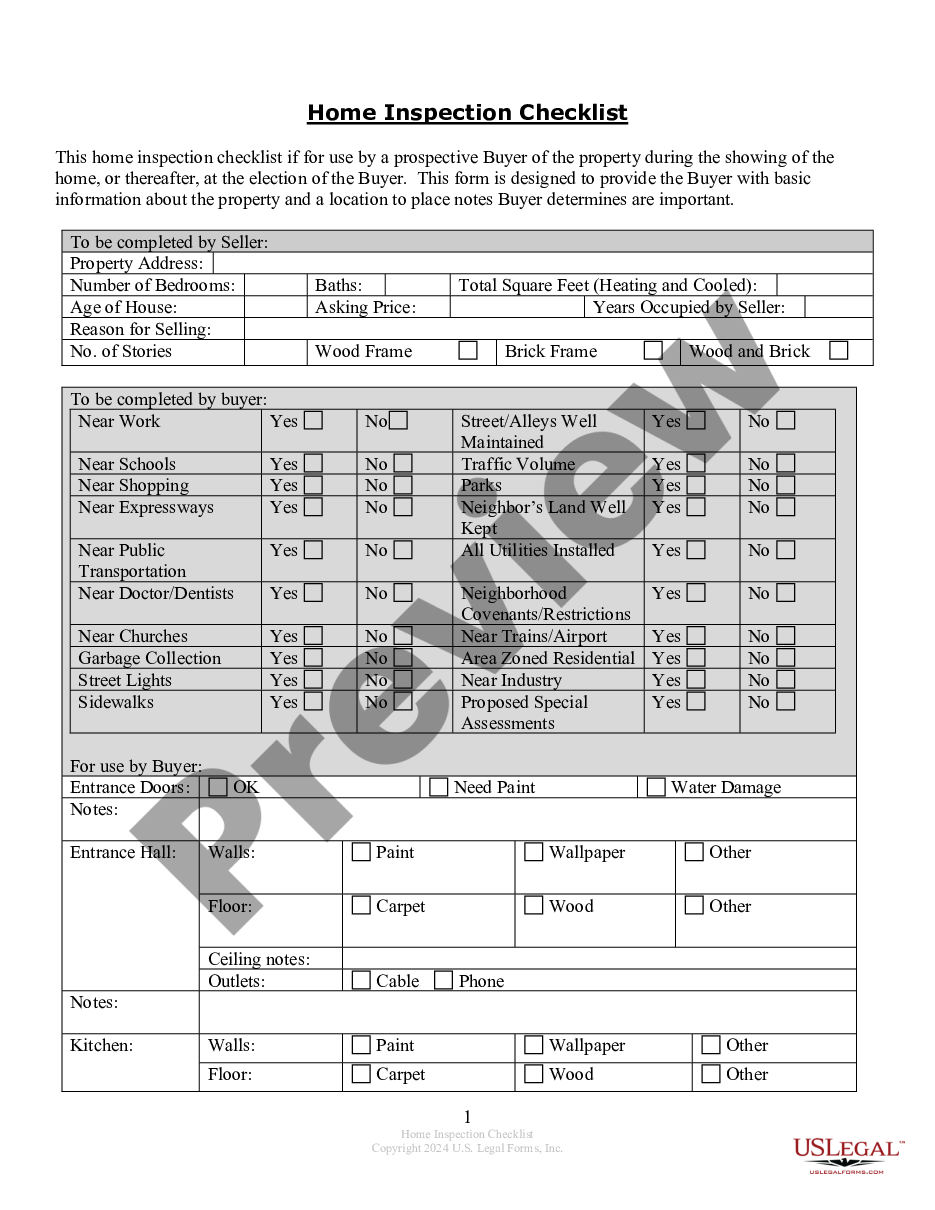
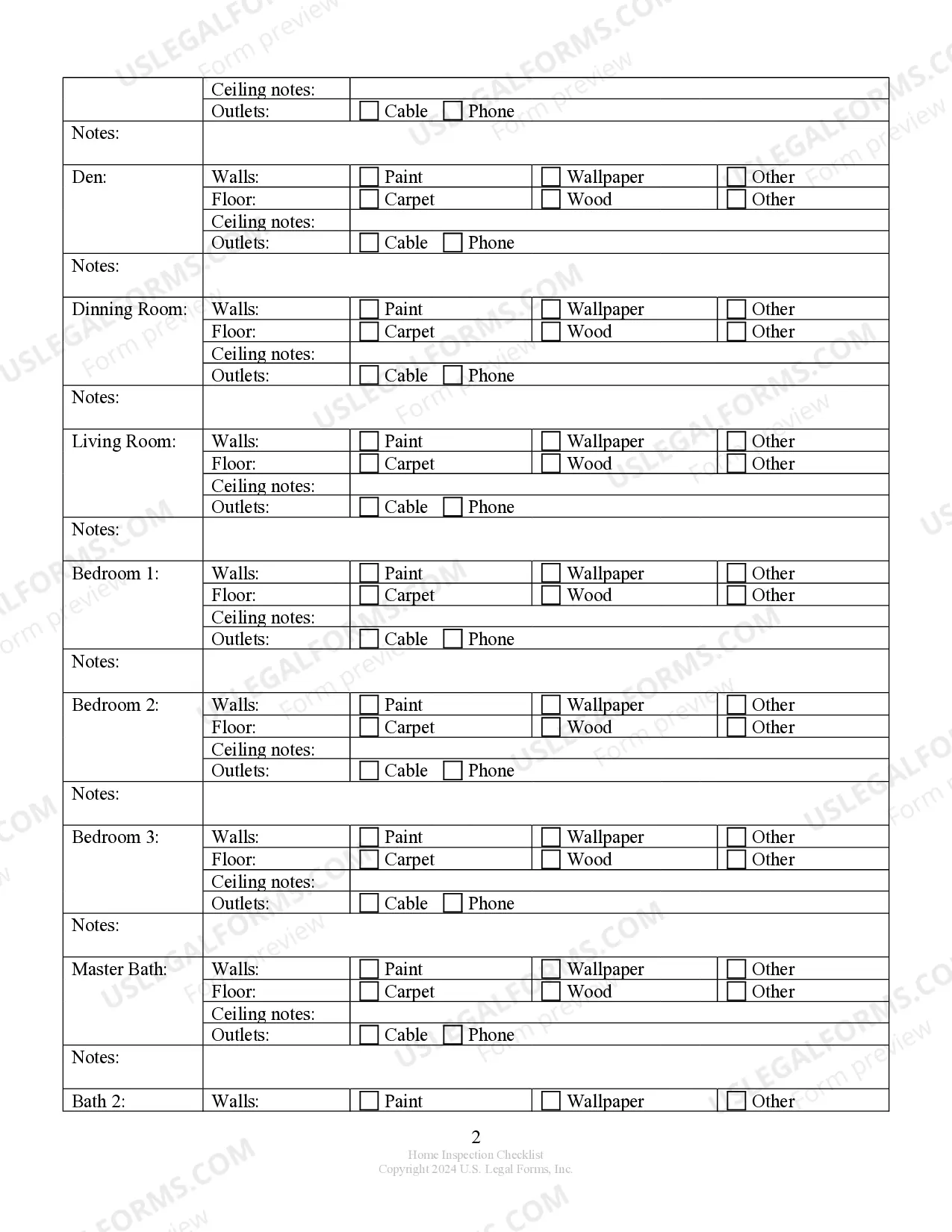
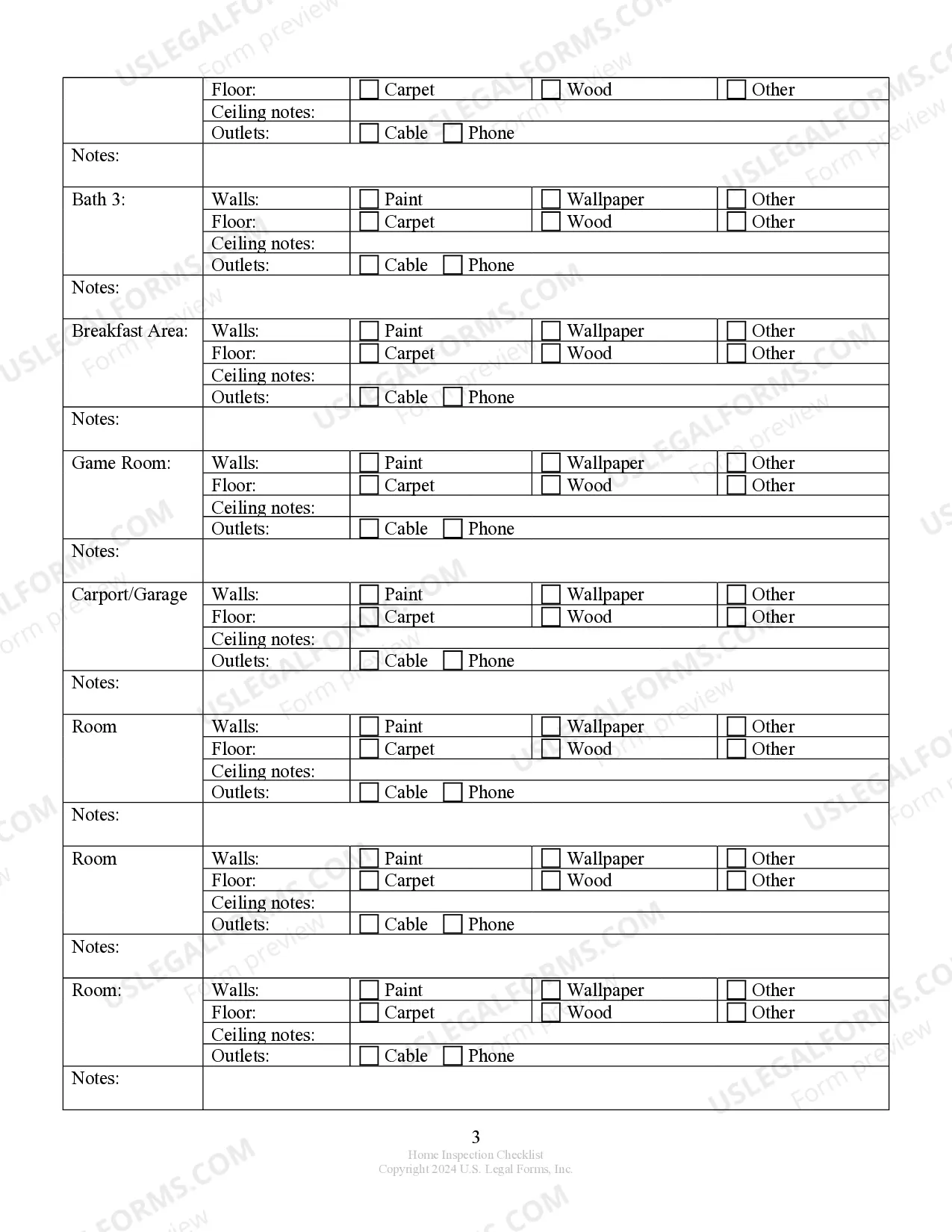
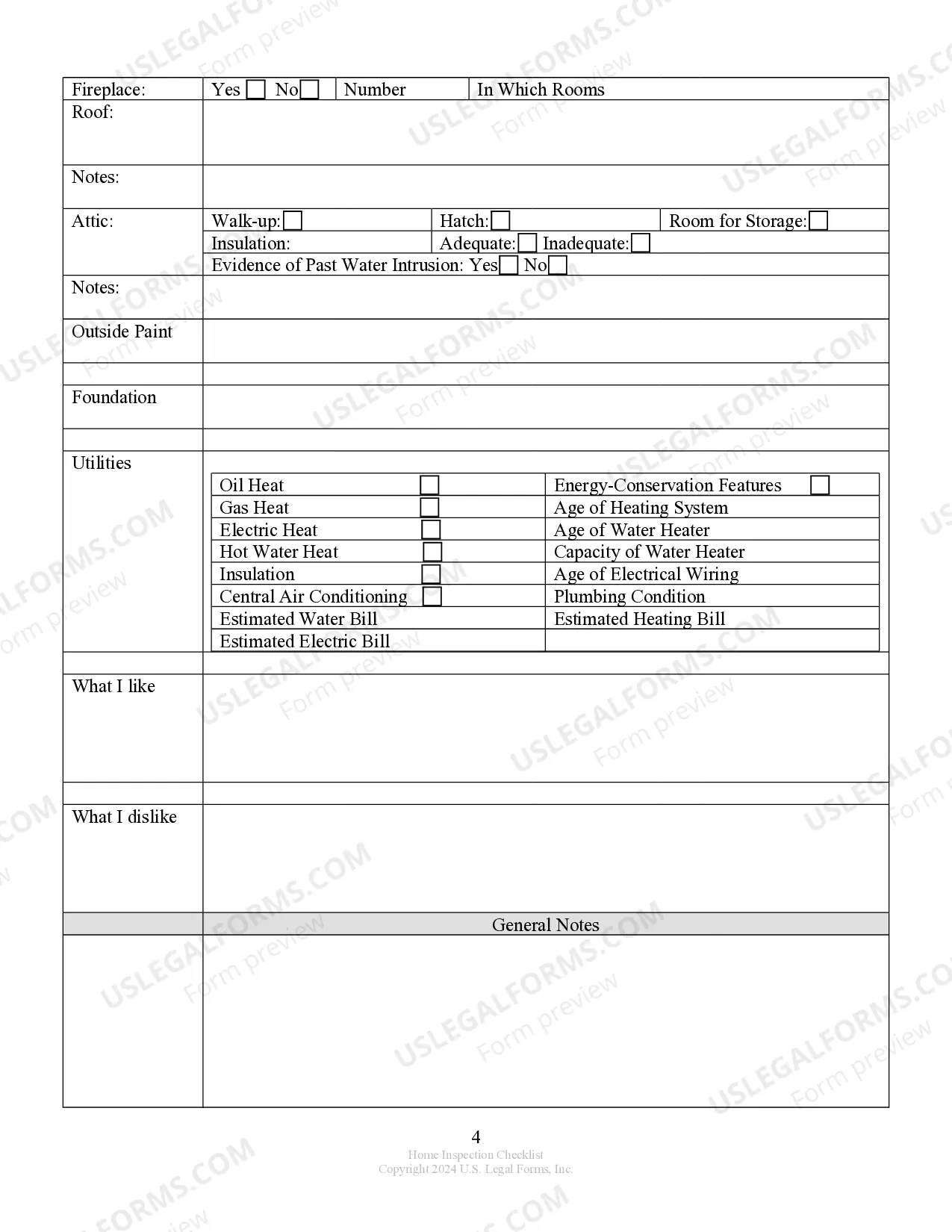

Get your form ready online
Our built-in tools help you complete, sign, share, and store your documents in one place.
Make edits, fill in missing information, and update formatting in US Legal Forms—just like you would in MS Word.
Download a copy, print it, send it by email, or mail it via USPS—whatever works best for your next step.
Sign and collect signatures with our SignNow integration. Send to multiple recipients, set reminders, and more. Go Premium to unlock E-Sign.
If this form requires notarization, complete it online through a secure video call—no need to meet a notary in person or wait for an appointment.
We protect your documents and personal data by following strict security and privacy standards.

Make edits, fill in missing information, and update formatting in US Legal Forms—just like you would in MS Word.

Download a copy, print it, send it by email, or mail it via USPS—whatever works best for your next step.

Sign and collect signatures with our SignNow integration. Send to multiple recipients, set reminders, and more. Go Premium to unlock E-Sign.

If this form requires notarization, complete it online through a secure video call—no need to meet a notary in person or wait for an appointment.

We protect your documents and personal data by following strict security and privacy standards.
Looking for another form?








How to fill out Kentucky Buyer's Home Inspection Checklist?
- Log into your account if you're a returning user, ensuring your subscription is up to date. Click on the download button for the desired form template.
- If new to US Legal Forms, start by previewing the form descriptions to ensure you select the right document that meets local jurisdiction requirements.
- In case of any inconsistencies, utilize the search feature to find alternative templates that better suit your needs.
- Proceed by clicking the Buy Now button, select your preferred subscription plan, and create an account for full access.
- Complete your transaction by entering your payment details via credit card or PayPal.
- Finally, download the form directly to your device and access it anytime through the My Forms section in your profile.
In conclusion, using US Legal Forms not only simplifies accessing necessary documents but also provides exceptional resources for legal assistance. With an extensive library featuring over 85,000 editable forms, you can rest assured that your legal needs are met with precision.
Don't delay—sign up today and empower yourself with the right legal tools!
Form popularity
FAQ
Suing a home inspector can be challenging due to the need to prove negligence and show that their oversight caused a financial loss. Kentucky home inspectors are often protected by liability insurance, which can complicate the process. It’s essential to have clear documentation of the inspection and any resulting damages. Consulting with a legal expert can help you navigate these waters effectively, ensuring you understand your options.
Home inspectors in Kentucky earn an average salary ranging from $40,000 to $80,000 per year, depending on their experience and the volume of inspections they conduct. Many Kentucky home inspectors set their own rates, which can vary widely based on market demand and specific services offered. This flexibility allows inspectors to grow their careers while providing critical insights for home buyers. So when choosing an inspector, consider their experience and your budget.
Liability often depends on the nature of the defects and the inspection process itself. If Kentucky home inspectors properly performed their job and disclosed known issues, the liability may fall on the homeowner or the seller. However, if significant defects were overlooked, the inspector could be held responsible. Understanding your rights and the inspectors' obligations is vital.
You can sue a home inspector for negligence if they fail to identify problems visible during the inspection. Kentucky home inspectors are required to follow certain standards when assessing properties, and any deviation can lead to liability. If their oversight results in financial loss or additional repairs, you may have grounds for a lawsuit. Always keep detailed records of the inspection and findings for future reference.
The biggest red flag in a home inspection is often significant structural damage or safety hazards. When Kentucky home inspectors identify issues like foundation cracks or electrical problems, it suggests deeper issues. Consequently, these findings can affect the safety and value of the property, making it essential for buyers to understand these risks. Always trust your home inspector to provide a thorough evaluation.
Deal breakers in a home inspection often refer to serious defects that can significantly affect the property’s livability and safety. Examples include severe mold infestation, extensive roof damage, or unsafe electrical systems. Kentucky home inspectors are trained to identify these red flags, which could ultimately derail a sale. Understanding these factors helps you to plan your next steps should a deal breaker arise in your inspection.
Several factors can lead to failing a home inspection. Common issues include major structural problems, non-functioning systems like heating or plumbing, and significant safety hazards such as faulty electrical wiring. Kentucky home inspectors focus on these critical areas, highlighting any problems that could impact the property's value or safety. Addressing these issues before your inspection increases your chances of a successful outcome.
Kentucky home inspectors cannot provide repairs on the properties they inspect to maintain objectivity. They also do not perform appraisals or offer real estate advice. Their primary role is to assess the condition of a home and report any issues, allowing you to make informed decisions and ensure a successful transaction.
Yes, home inspectors in Kentucky must be licensed to perform inspections legally. This requirement ensures that inspectors meet essential educational and professional standards, providing peace of mind to home buyers. By hiring licensed Kentucky home inspectors, you can trust the quality and accuracy of the inspection results.
To become a home inspector in Kentucky, you must complete a state-approved training program and pass the required examination. Additionally, you need to submit proof of experience in related fields or internships. Finally, applying for and obtaining a license from the Kentucky Board of Home Inspectors is essential to operate legally in the state.