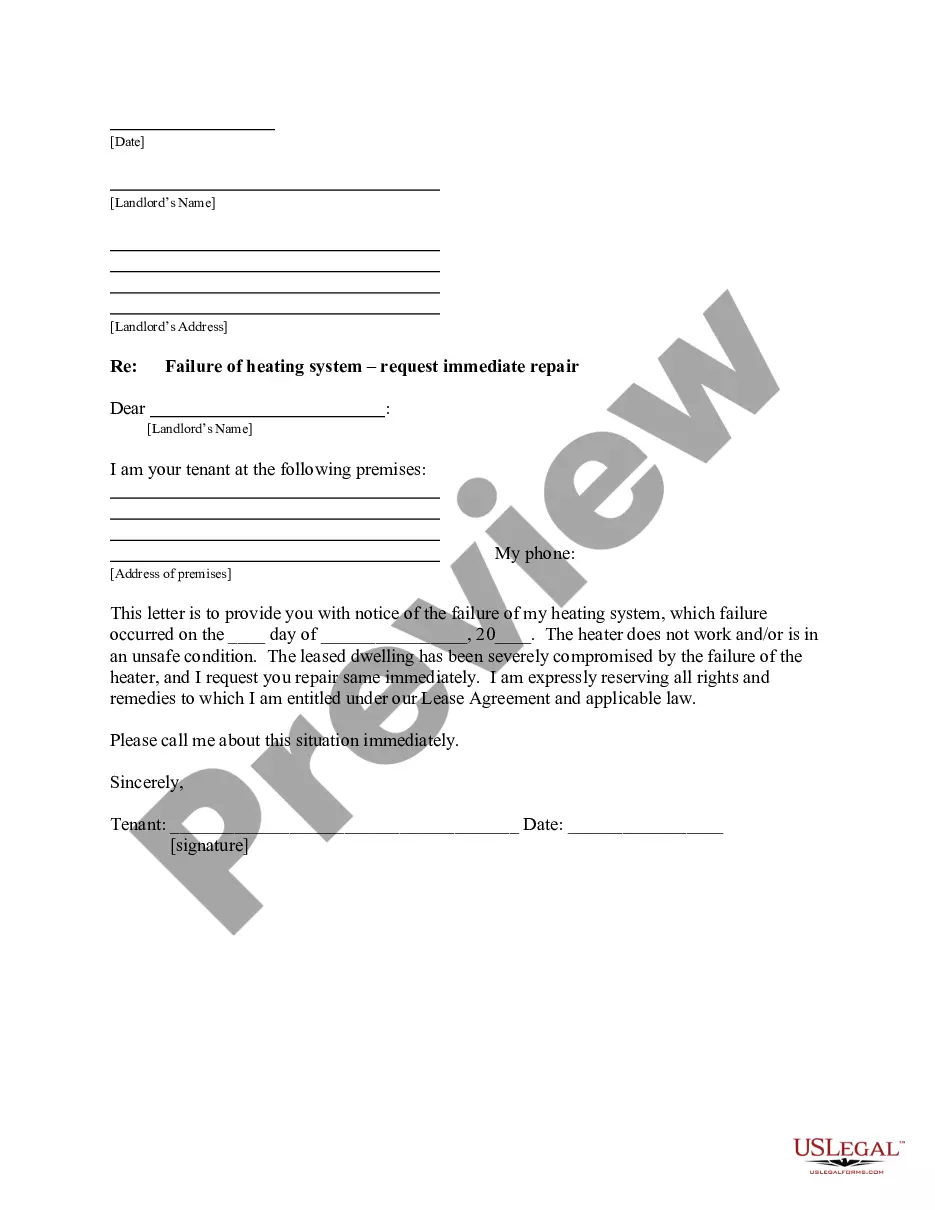
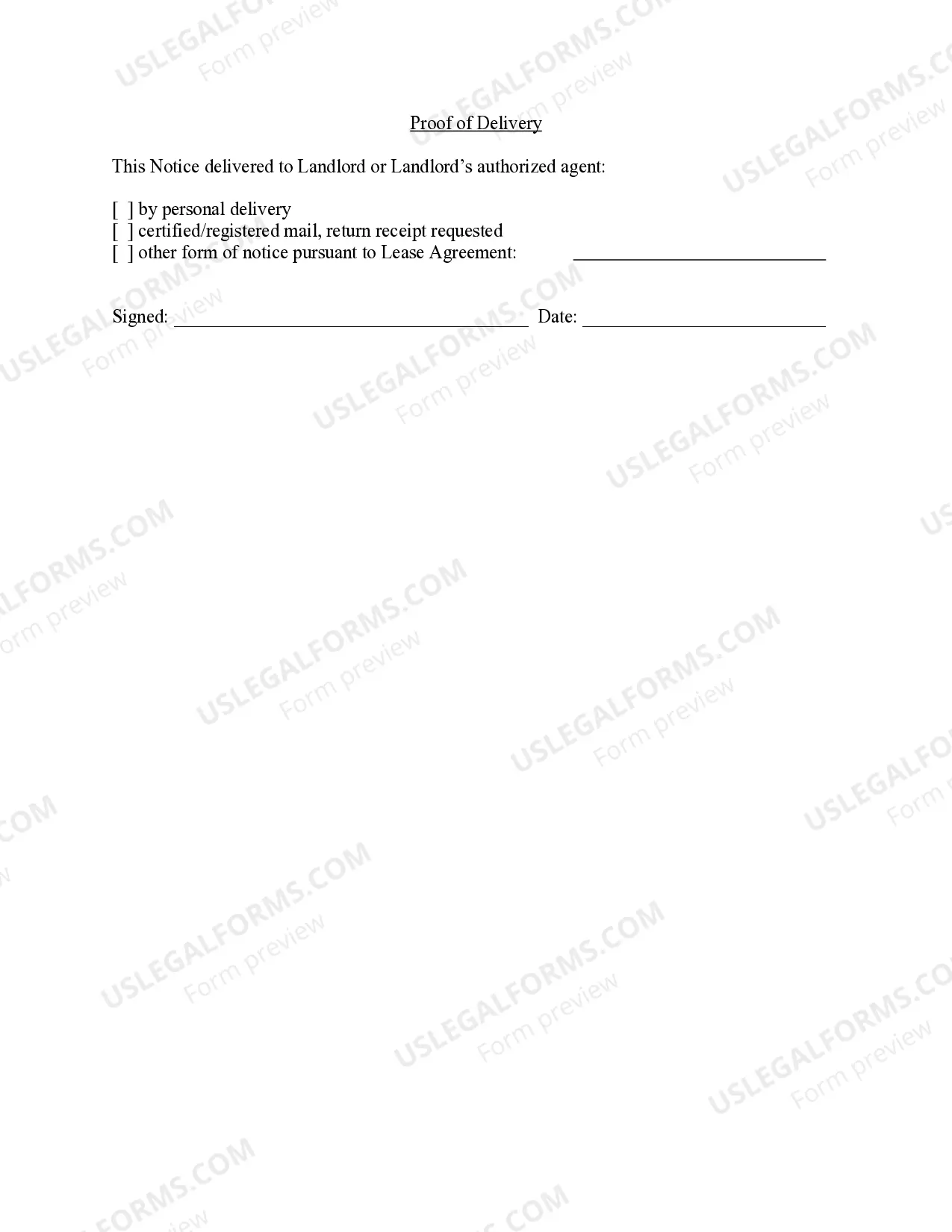
Kansas Landlord Notice Withdrawal
Description



Get your form ready online
Our built-in tools help you complete, sign, share, and store your documents in one place.
Make edits, fill in missing information, and update formatting in US Legal Forms—just like you would in MS Word.
Download a copy, print it, send it by email, or mail it via USPS—whatever works best for your next step.
Sign and collect signatures with our SignNow integration. Send to multiple recipients, set reminders, and more. Go Premium to unlock E-Sign.
If this form requires notarization, complete it online through a secure video call—no need to meet a notary in person or wait for an appointment.
We protect your documents and personal data by following strict security and privacy standards.

Make edits, fill in missing information, and update formatting in US Legal Forms—just like you would in MS Word.

Download a copy, print it, send it by email, or mail it via USPS—whatever works best for your next step.

Sign and collect signatures with our SignNow integration. Send to multiple recipients, set reminders, and more. Go Premium to unlock E-Sign.

If this form requires notarization, complete it online through a secure video call—no need to meet a notary in person or wait for an appointment.

We protect your documents and personal data by following strict security and privacy standards.
Looking for another form?
Form popularity
FAQ
To get out of a lease in Kansas, communicate directly with your landlord while providing valid reasons for your request. You may need to submit a written Kansas landlord notice withdrawal to formally document your intention. Understanding your lease terms and maintaining open dialogue increases your chances of a successful exit. For detailed advice and forms, check resources like uslegalforms to assist you.
In Kansas, a landlord must provide at least 30 days' notice if they intend to terminate a month-to-month lease. However, different rules apply based on the lease agreement type and specific circumstances. It’s crucial to reference the terms of your lease and be aware of your rights regarding a Kansas landlord notice withdrawal. Utilizing services like uslegalforms can help clarify any confusion.
The best excuse to break a lease typically involves unforeseen circumstances, such as a job transfer or urgent family matters. Being truthful and transparent with your landlord strengthens your position. If you need to explore options, a Kansas landlord notice withdrawal may be necessary. Resources from platforms like uslegalforms can help clarify your situation and provide useful templates.
A notice to quit letter is a formal communication from a landlord to a tenant, indicating that they must vacate the rental property. This notice outlines the reasons for termination of the lease and provides a timeframe for the tenant to leave. Understanding the implications of such notices can help you respond effectively. If you need to address such a situation, consider options like Kansas landlord notice withdrawal to protect your rights.
Yes, you can terminate your lease early in Kansas, but specific conditions must be met. If you have a valid reason such as a significant change in circumstances or a breach of contract by the landlord, you may be able to execute a Kansas landlord notice withdrawal. Always document your reasons and communicate with your landlord before making a decision. Consult legal resources available through uslegalforms for further guidance.
To obtain an eviction notice in Kansas, a landlord must follow specific legal procedures. They must provide a written notice to the tenant, detailing the reasons for eviction. If you find yourself needing to act on a landlord notice withdrawal, it's essential to understand your rights and ensure all proper steps are followed. You might consider reaching out to legal resources or platforms like uslegalforms for assistance.
The easiest way to get out of a lease is to negotiate with your landlord. Many landlords will consider allowing you to withdraw from the lease with some conditions. Providing a valid reason, such as job relocation or financial hardship, can help in these negotiations. Additionally, understanding the Kansas landlord notice withdrawal can give you leverage during discussions.
The soonest you can evict a tenant in Kansas usually depends on the type of notice served. For example, after serving a notice for non-payment, tenants typically have a specific number of days to respond or vacate. If they do not comply, you can file for eviction. Utilizing US Legal Forms can provide you with the necessary forms and instructions to efficiently handle Kansas landlord notice withdrawal.
In Kansas, tenants may have the right to withhold rent under certain conditions, such as when the landlord fails to provide essential repairs or habitability. However, withholding rent can lead to eviction proceedings if not done correctly. It's important to document any issues and communicate them to your landlord before taking this step. For clear guidelines on such matters, consider exploring resources like US Legal Forms related to Kansas landlord notice withdrawal.
The speed of eviction in Kansas can vary depending on several factors, including the reason for eviction and how quickly you serve the notices. Typically, after the notice period expires, you can take your case to court, and the entire process may take at least a few weeks. However, delays can occur based on court schedules or tenant responses. Being prepared with the right information and using resources like US Legal Forms can help streamline your Kansas landlord notice withdrawal.