Equitable Examples
Description
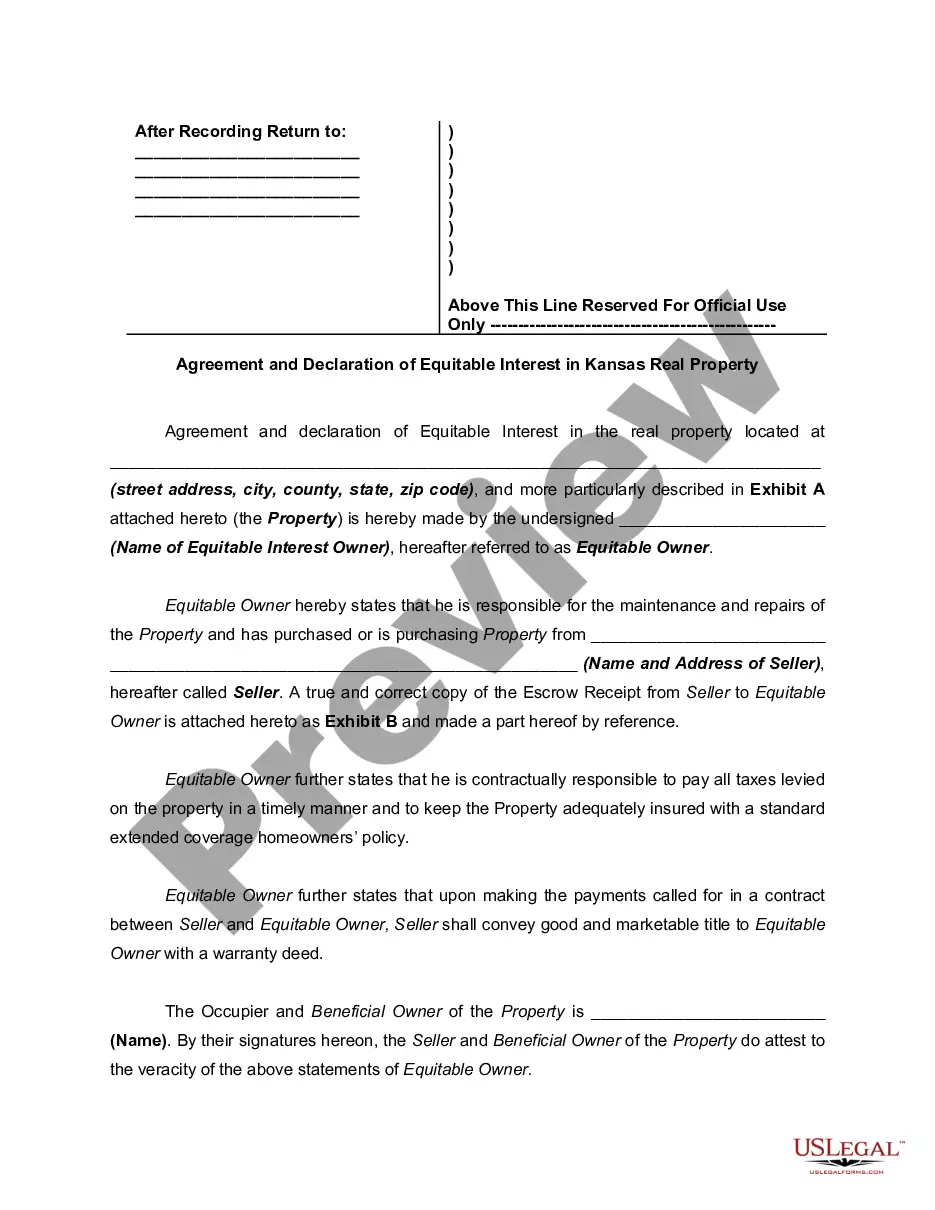
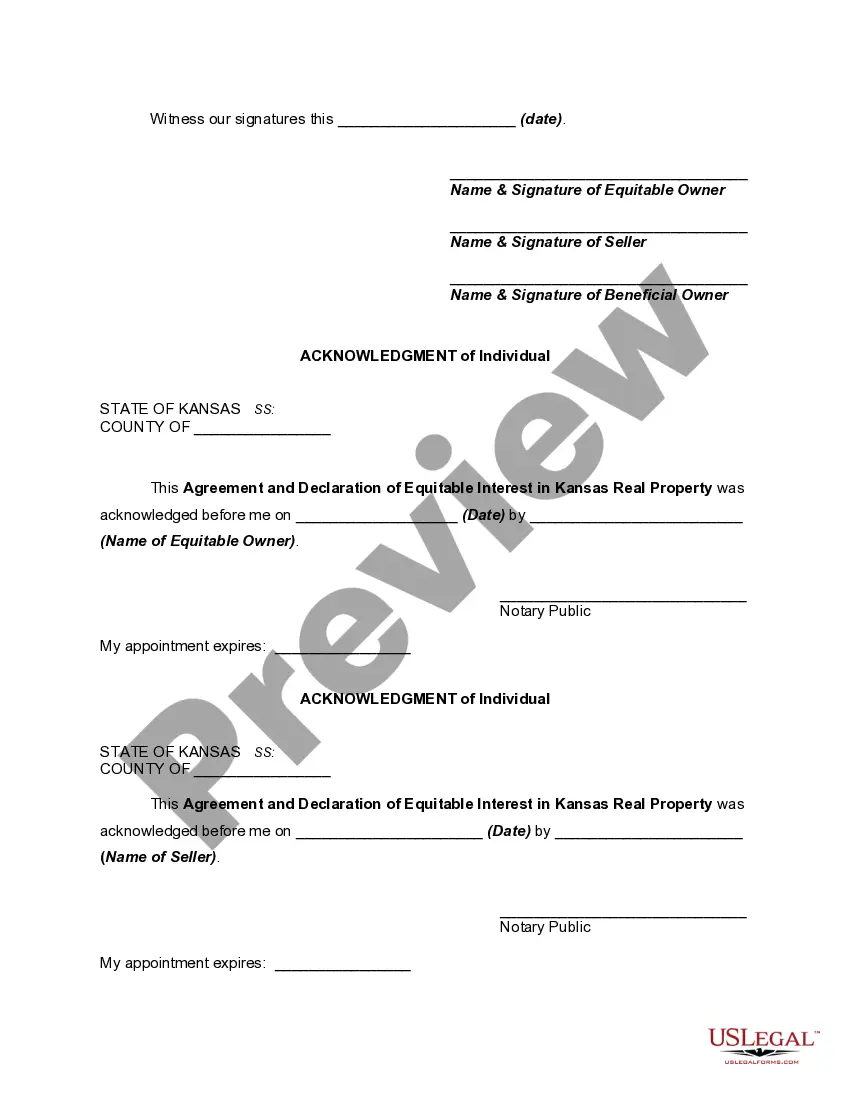
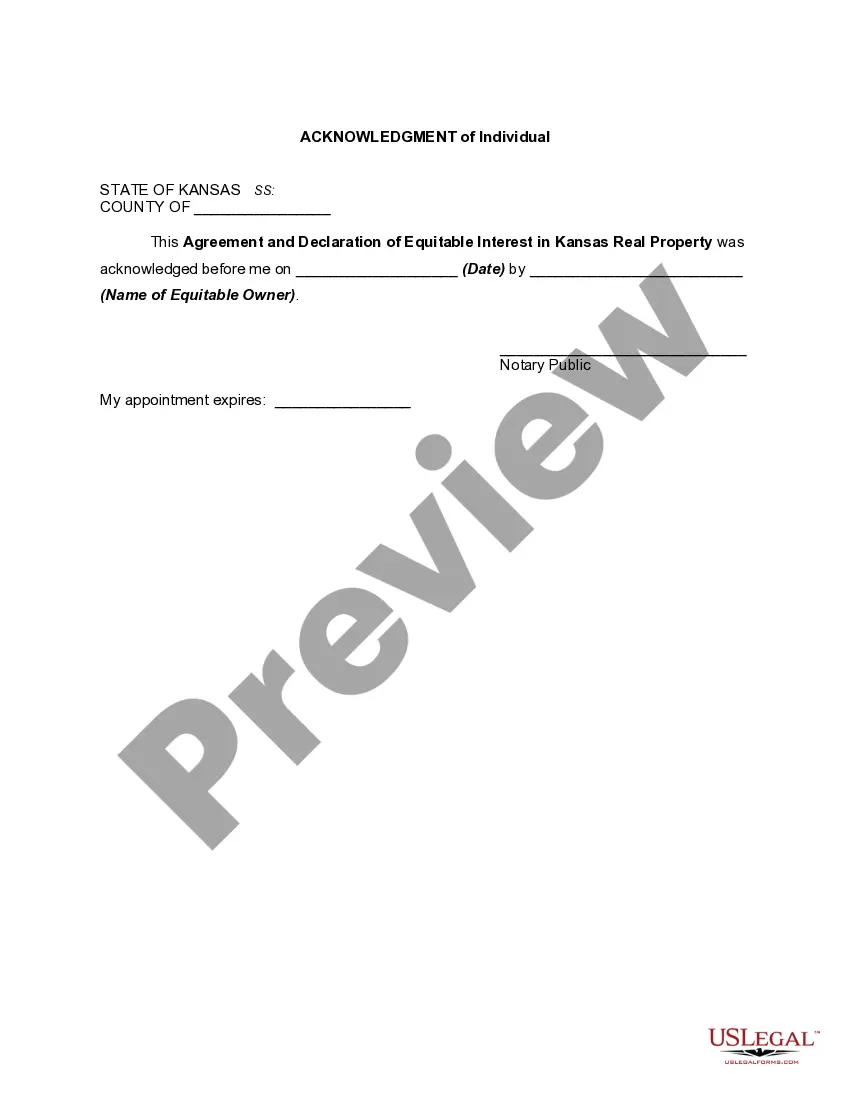

Get your form ready online
Our built-in tools help you complete, sign, share, and store your documents in one place.
Make edits, fill in missing information, and update formatting in US Legal Forms—just like you would in MS Word.
Download a copy, print it, send it by email, or mail it via USPS—whatever works best for your next step.
Sign and collect signatures with our SignNow integration. Send to multiple recipients, set reminders, and more. Go Premium to unlock E-Sign.
If this form requires notarization, complete it online through a secure video call—no need to meet a notary in person or wait for an appointment.
We protect your documents and personal data by following strict security and privacy standards.

Make edits, fill in missing information, and update formatting in US Legal Forms—just like you would in MS Word.

Download a copy, print it, send it by email, or mail it via USPS—whatever works best for your next step.

Sign and collect signatures with our SignNow integration. Send to multiple recipients, set reminders, and more. Go Premium to unlock E-Sign.

If this form requires notarization, complete it online through a secure video call—no need to meet a notary in person or wait for an appointment.

We protect your documents and personal data by following strict security and privacy standards.
Looking for another form?
How to fill out Agreement And Declaration Of Equitable Interest In Kansas Real Property?
Identifying a primary location to obtain the most up-to-date and pertinent legal templates is a significant part of dealing with bureaucracy.
Securing the appropriate legal documents requires accuracy and carefulness, which is why it is essential to source samples of Equitable Examples exclusively from trustworthy providers, such as US Legal Forms.
Eliminate the complications that come with your legal paperwork. Explore the extensive US Legal Forms library to discover legal templates, verify their relevance to your situation, and download them instantly.
- Utilize the catalog navigation or search feature to find your template.
- Review the form’s details to confirm it meets the requirements of your state and county.
- Examine the form preview, if available, to verify that the template aligns with your interests.
- If the Equitable Examples does not fulfill your needs, continue searching for the correct document.
- Once you are confident about the form’s applicability, download it.
- If you are a registered user, click Log in to verify and access your chosen templates in My documents.
- If you haven't created an account yet, click Buy now to acquire the form.
- Select the pricing plan that aligns with your preferences.
- Continue to the registration process to complete your purchase.
- Finalize your transaction by choosing a payment option (credit card or PayPal).
- Select the file format for downloading Equitable Examples.
- Once you have the form saved on your device, you can edit it using the editor or print it to fill out manually.
Form popularity
FAQ
The 12 principles of equity focus on fairness, access, and diversity among communities. Examples include promoting shared decision-making, ensuring accountability, and recognizing that different needs may require different resources. For instance, in environmental projects, equitable examples may involve varying the level of support based on community size and existing resources. By applying these principles, organizations can foster better outcomes for all stakeholders.
To create equitable conditions, start by identifying the unique needs of individuals involved. Ensure that resources and opportunities are distributed fairly, aiming for equal access. Emphasize listening and understanding diverse perspectives, as this helps improve decision-making. You can find equitable examples in community programs that tailor their support to specific demographics.
An equitable solution is one that fairly considers the contributions and needs of all parties involved. For example, in a divorce settlement, dividing assets in a manner that reflects each spouse's role and financial investment can be seen as equitable. Equitable examples like this show how fairness plays a crucial role in resolving disputes. Utilizing platforms like USLegalForms can help individuals create legally sound agreements that uphold equitable principles.
The term 'just equitable' refers to fairness and justice applied in legal situations. It emphasizes the importance of treating all parties fairly, ensuring that each side receives a reasonable outcome based on their circumstances. Equitable examples often illustrate how courts seek to achieve fairness, particularly when strict legal rules could lead to unjust results. By understanding this concept, individuals can better navigate issues related to fairness in legal matters.
A good example of equity is when a court intervenes in a family dispute, ensuring that children receive adequate support from both parents regardless of income discrepancies. In such cases, the court aims for an equitable resolution that prioritizes the well-being of children rather than strict adherence to financial laws. This embodiment of fairness helps maintain harmony within families and communities.
An example of an equitable assignment happens when a creditor transfers their rights to receive payment to another party, even if the assignment lacks the formalities required for legal assignment. This situation can occur in business contexts where a company sells its accounts receivable or rights to collect debts. Here, equity recognizes the mobile nature of business interests and protects the assignee's rights.
An example of an equitable title arises when someone has a beneficial interest in a property, even though the legal title is held by another person. For instance, a buyer in a real estate transaction who has made a down payment may hold an equitable title, which protects their interests until the formal transfer occurs. This situation illustrates the principle of fairness in property rights.
An example of an equitable claim occurs when a party asserts rights to a property based on fairness rather than strict legal ownership. For instance, a tenant might claim an equitable interest in a property they have significantly improved, even if the legal title rests with the landlord. This approach allows the court to consider fairness when adjudicating property disputes.
An example of equitable can be seen in situations where a beneficiary is granted access to an inherited property, despite the will being contested. Instead of denying the rightful owner, courts might allow temporary use until the dispute is resolved, illustrating how equitable solutions prioritize justice and fairness over rigid legal interpretations.
Equitable practices include mediation, arbitration, and restorative justice approaches. These methods focus on reaching a fair resolution that meets the needs of all parties involved rather than simply applying punitive measures. Implementing equitable practices can foster healthier relationships and support community healing in disputes.