Indiana Land Trust Company Forms
Description
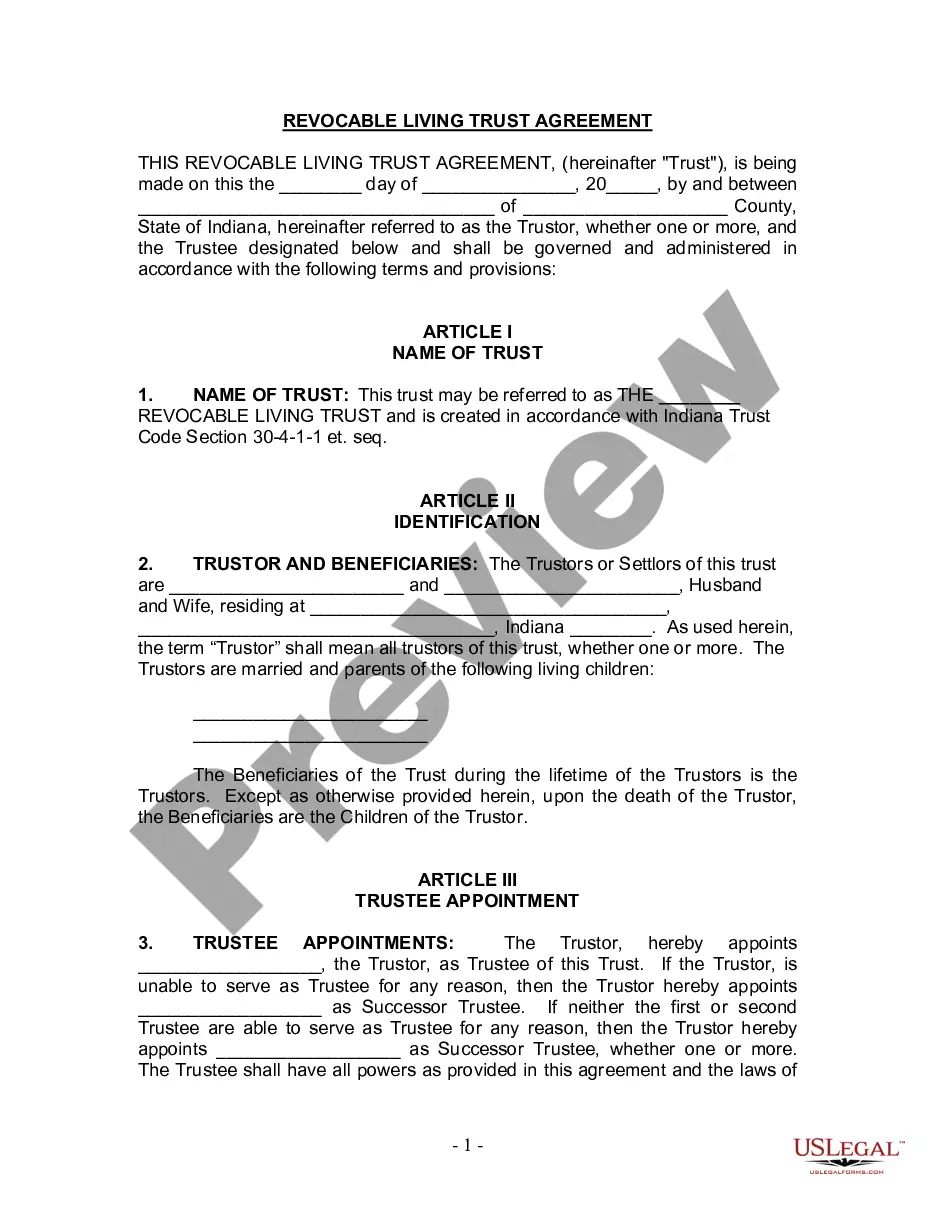
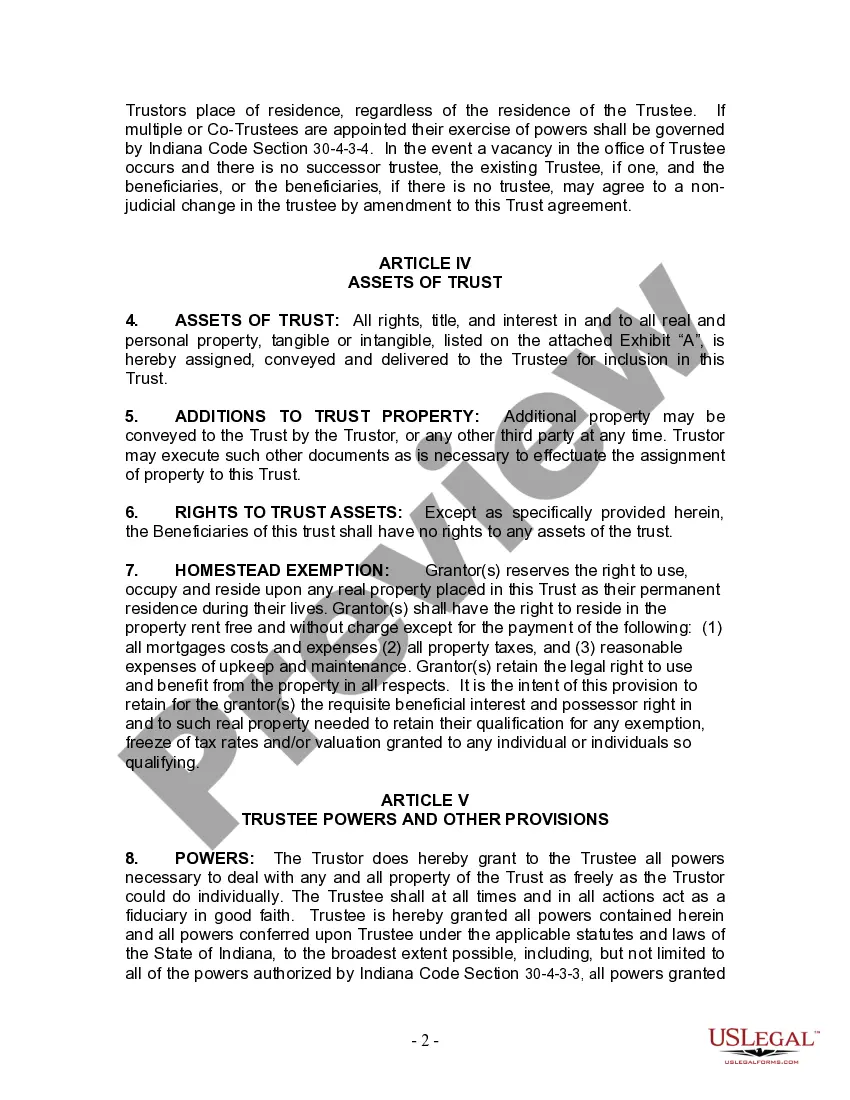
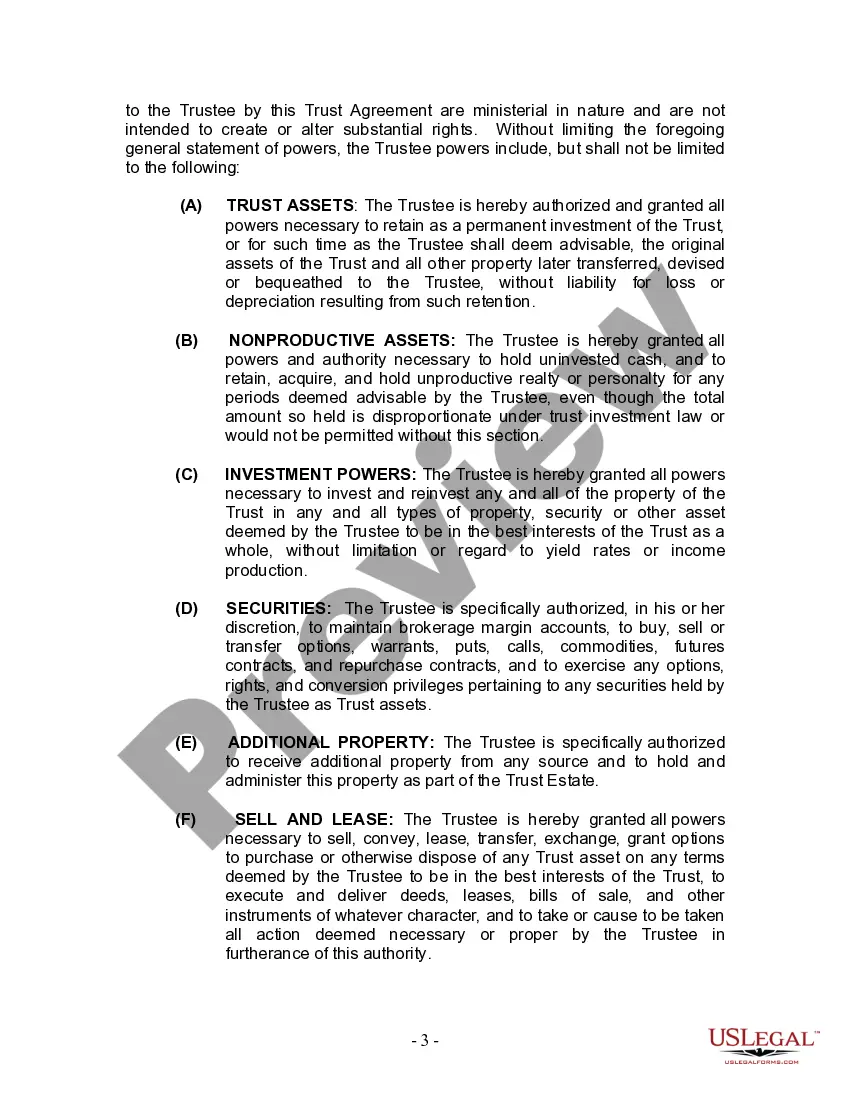
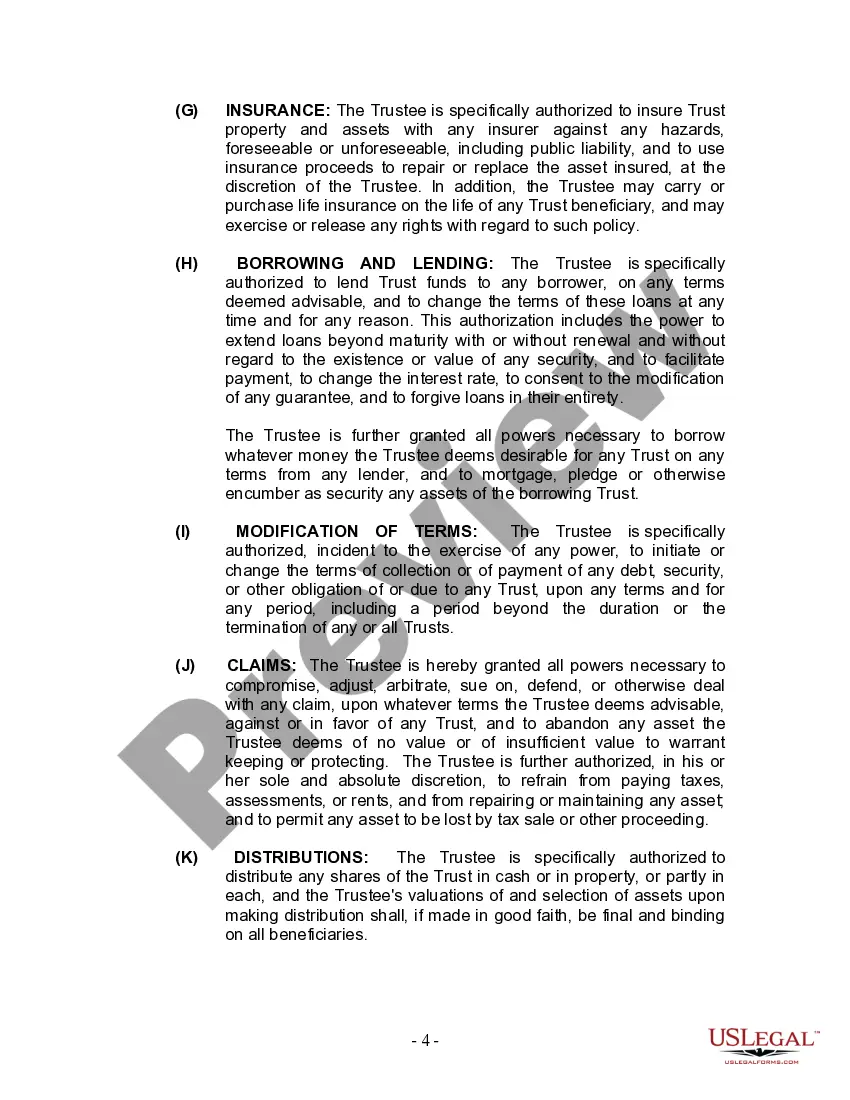



Get your form ready online
Our built-in tools help you complete, sign, share, and store your documents in one place.
Make edits, fill in missing information, and update formatting in US Legal Forms—just like you would in MS Word.
Download a copy, print it, send it by email, or mail it via USPS—whatever works best for your next step.
Sign and collect signatures with our SignNow integration. Send to multiple recipients, set reminders, and more. Go Premium to unlock E-Sign.
If this form requires notarization, complete it online through a secure video call—no need to meet a notary in person or wait for an appointment.
We protect your documents and personal data by following strict security and privacy standards.

Make edits, fill in missing information, and update formatting in US Legal Forms—just like you would in MS Word.

Download a copy, print it, send it by email, or mail it via USPS—whatever works best for your next step.

Sign and collect signatures with our SignNow integration. Send to multiple recipients, set reminders, and more. Go Premium to unlock E-Sign.

If this form requires notarization, complete it online through a secure video call—no need to meet a notary in person or wait for an appointment.

We protect your documents and personal data by following strict security and privacy standards.
Looking for another form?








Form popularity
FAQ
Yes, Indiana recognizes land trusts and provides a legal framework for their creation and operation. These trusts can hold various types of real estate, offering benefits such as asset protection and privacy. Establishing a land trust in Indiana allows for greater flexibility in managing your property. You can find suitable Indiana land trust company forms to begin the process with ease.
In Indiana, a land trust operates by holding the title to real estate in the name of the trust, while you maintain control over the property. This means you can buy, sell, or develop the land as usual, but the trust provides a layer of protection. This structure can also shield your identity as the owner, ensuring privacy for your transactions. Utilizing Indiana land trust company forms can streamline setting up your trust and facilitate its management.
Putting land in a trust can offer significant benefits for property owners. A trust helps manage and protect your property, ensuring that it is passed on to your beneficiaries without the complications of probate. Additionally, it can provide privacy concerning property ownership and may offer tax benefits. Using Indiana land trust company forms can simplify the process and help you understand your options.
Some downsides of a land trust include the potential for high fees and the complexity of trust administration. Moreover, once property is placed into a trust, you may have limited control over it. Understanding the nuances of Indiana land trust company forms can help mitigate these downsides and make the process easier.
Placing land in a trust serves various purposes, primarily privacy and asset protection. It can prevent probate and make property transfers seamless upon death. Additionally, understanding the Indiana land trust company forms can help you ensure the trust aligns with your intended outcomes for the land.
To set up a land trust in Indiana, begin by deciding the type of trust that suits your needs. You will then complete required Indiana land trust company forms and designate a trustee to manage the assets. This process ensures that your property is legally placed in the trust, enabling the benefits, such as privacy and protection, to be realized.
The benefits of a land trust are significant and varied. A land trust provides privacy, simplifies the transfer process, and can protect your assets from unforeseen legal challenges. Moreover, using Indiana land trust company forms can help you maximize these advantages while ensuring adherence to local regulations.
Four key benefits of a land trust include enhanced privacy, asset protection, ease of transfer, and potential tax advantages. By placing property in a land trust, you can shield your identity while securing your assets from creditors. Additionally, transferring ownership becomes simpler, often avoiding complex probate processes. Indiana land trust company forms can guide you through these benefits.
Land trusts are often set up by individuals who wish to protect their property or maintain privacy regarding ownership. Generally, estate planners, real estate investors, or homeowners seeking asset protection can initiate the process. Utilizing Indiana land trust company forms can streamline this setup and ensure legal compliance.
The tax responsibilities for a land trust typically fall on the beneficiaries of the trust. This means that as the property generates income or appreciates in value, the beneficiaries must report this on their tax returns. Understanding Indiana land trust company forms can help clarify tax implications for both trustees and beneficiaries.
