Tenant Landlord Return For Lease
Description



Get your form ready online
Our built-in tools help you complete, sign, share, and store your documents in one place.
Make edits, fill in missing information, and update formatting in US Legal Forms—just like you would in MS Word.
Download a copy, print it, send it by email, or mail it via USPS—whatever works best for your next step.
Sign and collect signatures with our SignNow integration. Send to multiple recipients, set reminders, and more. Go Premium to unlock E-Sign.
If this form requires notarization, complete it online through a secure video call—no need to meet a notary in person or wait for an appointment.
We protect your documents and personal data by following strict security and privacy standards.

Make edits, fill in missing information, and update formatting in US Legal Forms—just like you would in MS Word.

Download a copy, print it, send it by email, or mail it via USPS—whatever works best for your next step.

Sign and collect signatures with our SignNow integration. Send to multiple recipients, set reminders, and more. Go Premium to unlock E-Sign.

If this form requires notarization, complete it online through a secure video call—no need to meet a notary in person or wait for an appointment.

We protect your documents and personal data by following strict security and privacy standards.
Looking for another form?





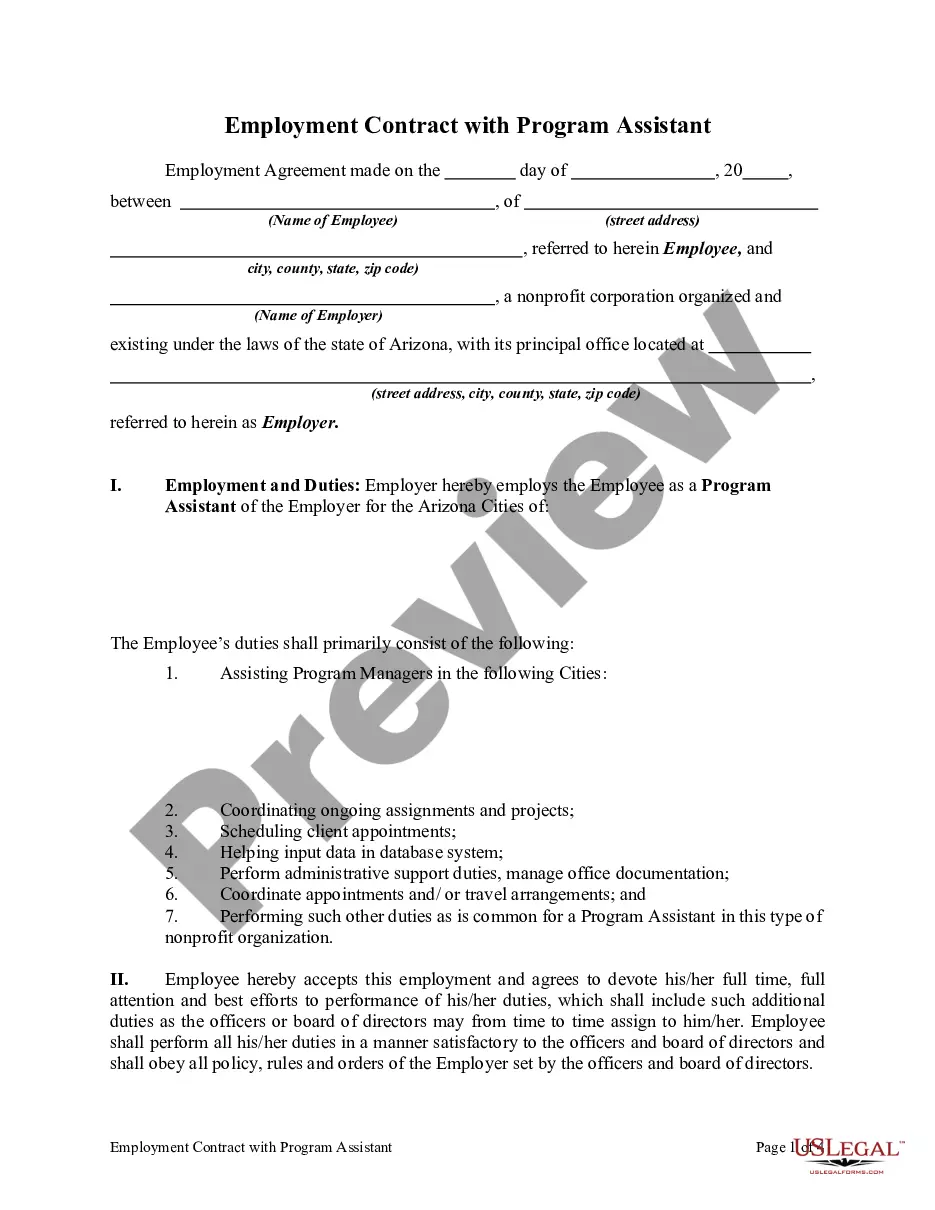



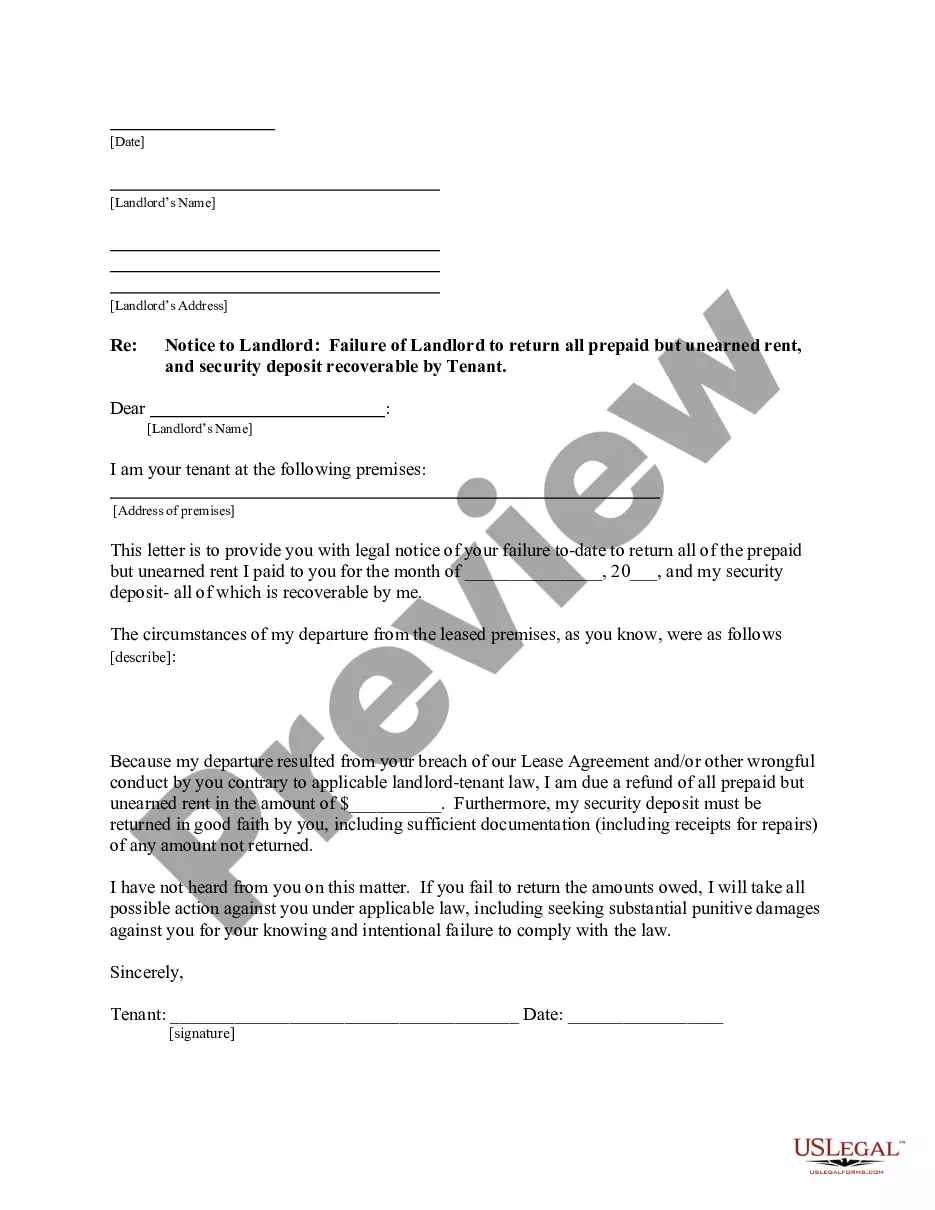
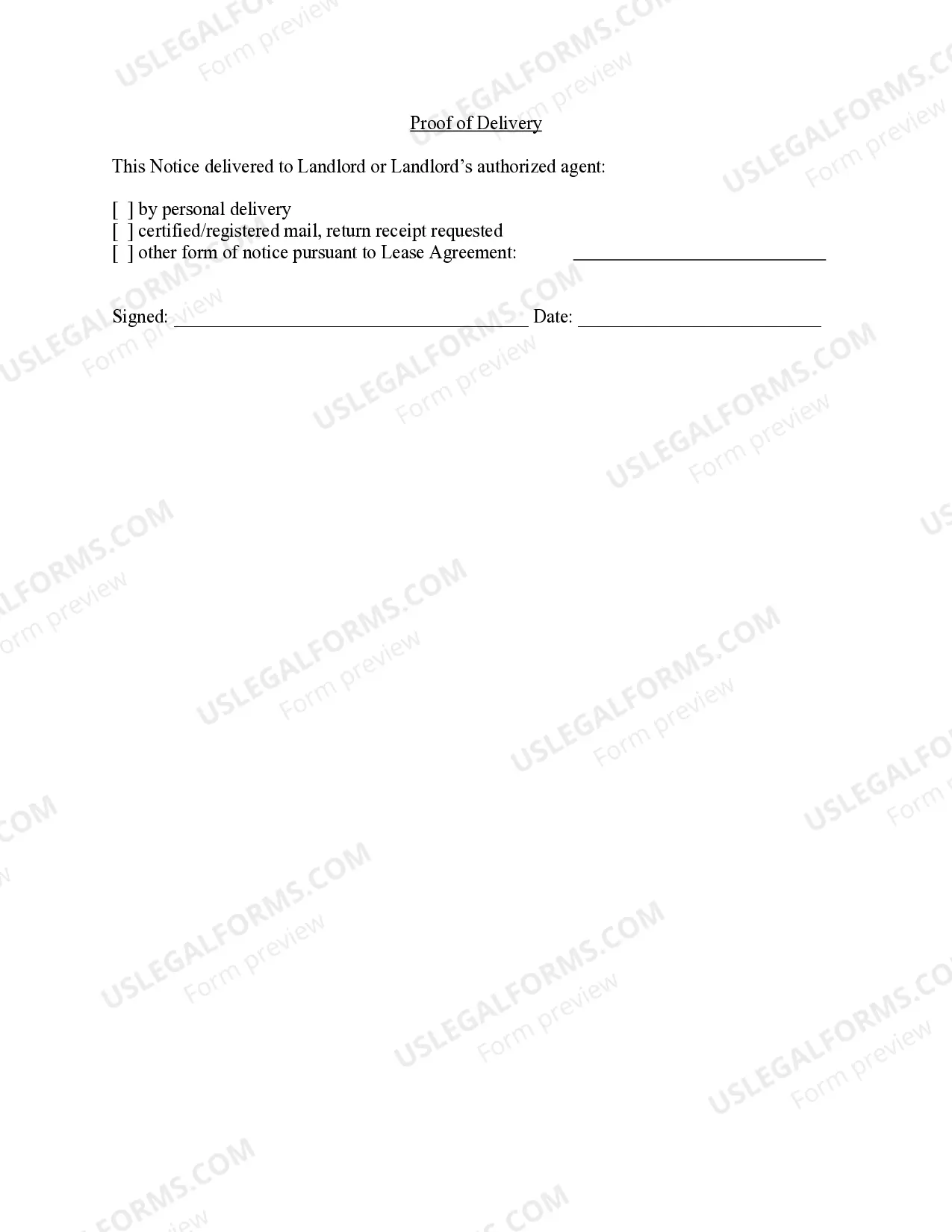
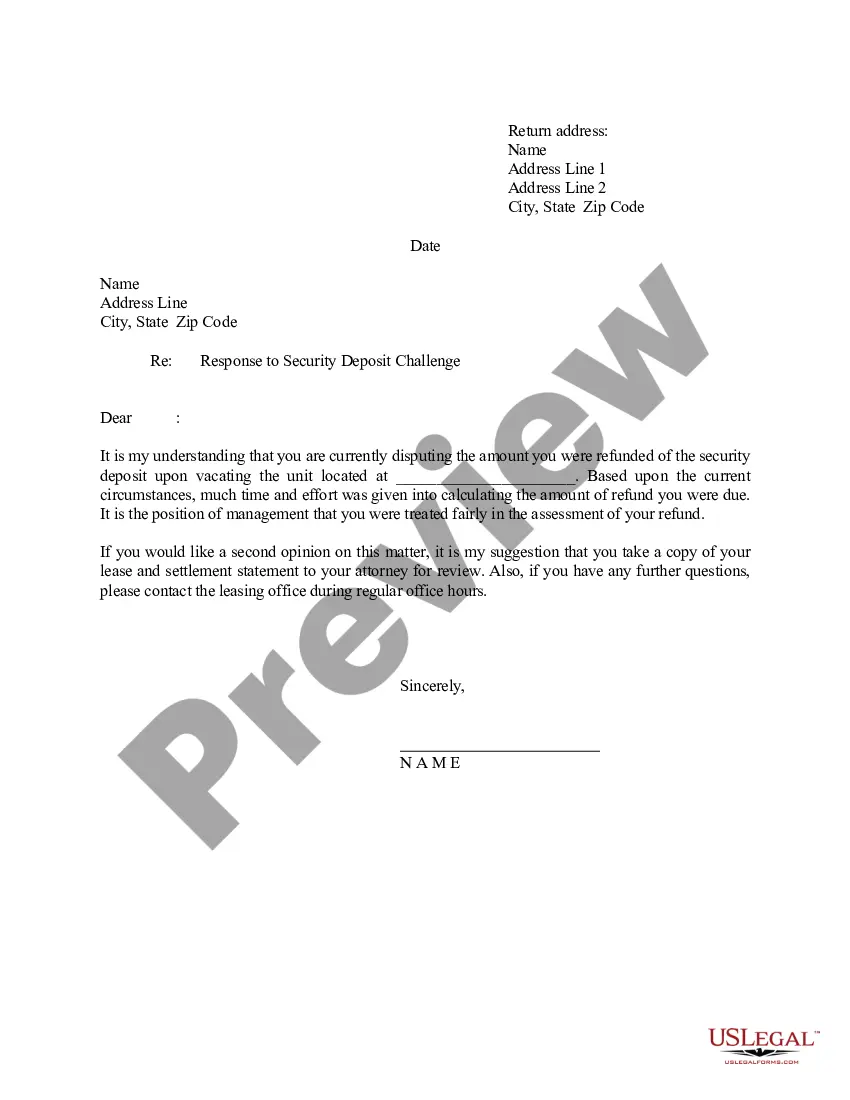
How to fill out Indiana Letter From Tenant To Landlord For Failure Of Landlord To Return All Prepaid And Unearned Rent And Security Recoverable By Tenant?
- Log into your existing US Legal Forms account. Ensure your subscription is active; if not, consider renewing your plan.
- Review the form preview and description carefully to confirm it meets your specific needs and complies with local jurisdiction requirements.
- Utilize the search feature if the needed form isn't visible or if you encounter discrepancies, allowing you to find the perfect match.
- Select the desired document by clicking the 'Buy Now' button, then choose your preferred subscription plan and create an account to access their extensive resources.
- Complete the purchase using your credit card or PayPal, ensuring a seamless transaction.
- Download the completed form directly onto your device. Access it anytime through the 'My Forms' section of your profile.
In conclusion, US Legal Forms not only provides a vast array of legal templates but also empowers you with access to expert guidance, ensuring compliant and effective documents.
Start your journey towards hassle-free document management today by visiting US Legal Forms and exploring the extensive resources available!
Form popularity
FAQ
While leases are legally binding, there are specific circumstances in which a landlord can back out, such as failing to disclose material facts about the property. If a landlord wants to terminate your lease after signing, they should consult the law to avoid legal consequences. Understanding the tenant landlord return for lease can provide clarity on your rights. Utilizing resources from US Legal Forms can help you navigate these complex situations.
In most cases, once both parties sign the lease, it becomes a binding contract. However, a landlord may amend certain terms if both you and the landlord agree. If you are concerned about your rights, knowing the tenant landlord return for lease can be beneficial. Platforms like US Legal Forms can provide you with the necessary documentation and guidance.
When emailing your landlord to break a lease, be direct and clear about your intention. Start by stating your request to end the lease, followed by a brief explanation of your reasons. Additionally, mention the effective date you plan to vacate the property. Understanding the tenant landlord return for lease will also help you address any potential issues about your security deposit.
In Michigan, a landlord typically has 30 days to return a security deposit after a tenant moves out. If the landlord retains part of the deposit for damages, they must provide a written explanation detailing the deductions. It is essential to understand the tenant landlord return for lease process to ensure you receive your funds promptly. If disputes arise, using a service like US Legal Forms can help clarify your rights.
When writing a letter to your landlord about moving out before the lease ends, be direct and polite. State your intention to leave the property, the reasons for your early departure, and propose an exit date. Make sure you address any obligations regarding the Tenant landlord return for lease to facilitate a smooth conclusion to your rental agreement.
To write a letter for a tenant to move out, clearly state the date you expect them to vacate the premises and any relevant details regarding their lease. Include any conditions for the return of the security deposit and instructions for the final inspection of the property. This letter is part of the Tenant landlord return for lease process, ensuring both parties understand their responsibilities.
In Virginia, landlords cannot retaliate against tenants for reporting property issues or violations of rental laws. Additionally, they cannot enter the rental property without proper notice, usually 24 hours. To understand your rights thoroughly, you can refer to the Tenant landlord return for lease regulations, which offer necessary protections.
A written notice to move out should include your name, address, and a clear statement indicating you plan to vacate the property by a specific date. You can mention your current lease terms and any expectations regarding security deposits or the final walkthrough. Make sure to keep a copy for your records, especially relating to the Tenant landlord return for lease process.
When writing a letter to your landlord to not renew your lease, begin by stating your decision clearly and include your complete address. Specify your desire not to renew, and provide any relevant terms related to your current lease. This communication fits into the overall Tenant landlord return for lease procedure and helps ensure a smooth transition.
Filling out a landlord application involves providing accurate information about your employment, rental history, and personal references. Be prepared to verify your identity, employment, and income, as landlords may conduct background checks. Use the Tenant landlord return for lease information to ensure you understand any obligations before submitting your application.