A Tenant
Description


Get your form ready online
Our built-in tools help you complete, sign, share, and store your documents in one place.
Make edits, fill in missing information, and update formatting in US Legal Forms—just like you would in MS Word.
Download a copy, print it, send it by email, or mail it via USPS—whatever works best for your next step.
Sign and collect signatures with our SignNow integration. Send to multiple recipients, set reminders, and more. Go Premium to unlock E-Sign.
If this form requires notarization, complete it online through a secure video call—no need to meet a notary in person or wait for an appointment.
We protect your documents and personal data by following strict security and privacy standards.

Make edits, fill in missing information, and update formatting in US Legal Forms—just like you would in MS Word.

Download a copy, print it, send it by email, or mail it via USPS—whatever works best for your next step.

Sign and collect signatures with our SignNow integration. Send to multiple recipients, set reminders, and more. Go Premium to unlock E-Sign.

If this form requires notarization, complete it online through a secure video call—no need to meet a notary in person or wait for an appointment.

We protect your documents and personal data by following strict security and privacy standards.
Looking for another form?
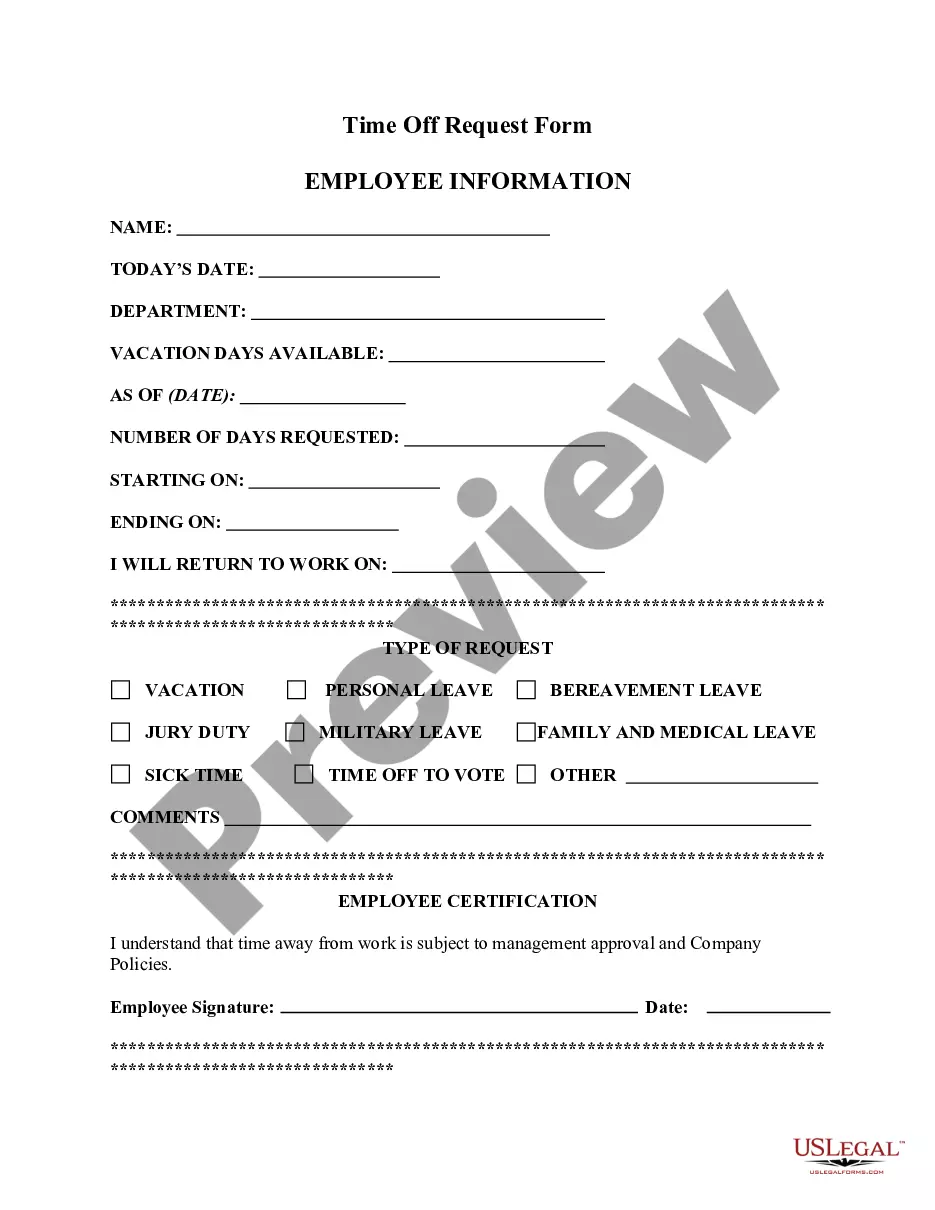







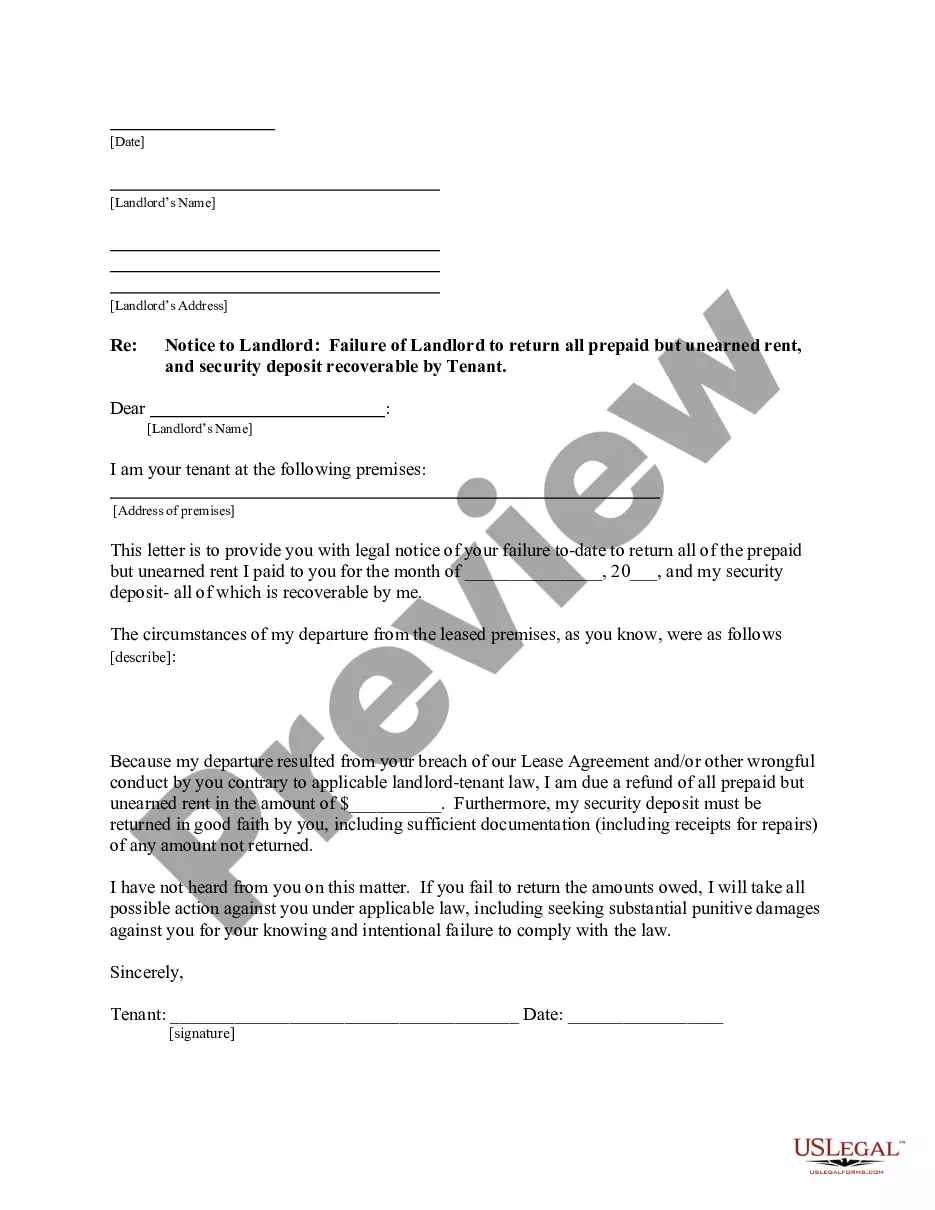
How to fill out Indiana Letter From Tenant To Landlord For Failure Of Landlord To Return All Prepaid And Unearned Rent And Security Recoverable By Tenant?
- If you've previously used US Legal Forms, log in to your account and click the Download button to retrieve your desired form. Ensure that your subscription is active; renew it if necessary based on your payment plan.
- If you're new to US Legal Forms, start by checking the Preview mode and form description to confirm that you've selected the correct document that aligns with your local jurisdiction's requirements.
- Should you find any discrepancies, utilize the Search tab at the top of the page to locate the appropriate template. Once you find the correct form, proceed to the next step.
- Purchase the document by clicking the Buy Now button and selecting your preferred subscription plan. You'll need to create an account for full access to the library.
- Complete your purchase by entering your credit card information or utilizing your PayPal account for payment.
- Finally, download the form and save it to your device. You can revisit it anytime via the My Forms section in your profile.
In conclusion, US Legal Forms provides a comprehensive platform for tenants to secure the necessary legal documents quickly and efficiently. With extensive resources and expert assistance available, you can ensure your forms are accurate and legally binding.
Start your journey today and simplify your legal needs with US Legal Forms!
Form popularity
FAQ
The period of a tenancy usually defines the duration of the lease agreement, which can vary from month-to-month to an annual basis. This timeline is essential for both landlords and tenants, as it determines the stability of the rental arrangement. Understanding your tenancy period can provide clarity in future housing plans.
In Florida, you become a tenant once you enter a rental agreement, either written or verbal, with a landlord. This agreement outlines specific terms such as rent amounts and duration of stay. Being aware of these details is crucial, as they define your rights and duties as a tenant under Florida law.
A renter and a tenant are often used interchangeably, but there can be subtle distinctions. Generally, a tenant refers to someone who has signed a lease agreement, while a renter may refer to someone who occupies a property without formal terms. Understanding these definitions can help clarify your rights and responsibilities as a tenant.
In Montana, a guest may become a tenant after residing in a property for a specific duration, typically 30 days. Once this period is reached, they may acquire tenant rights under state law. This transition can result in legal obligations, so it’s essential for both tenants and landlords to communicate clearly regarding any guest arrangements.
To comfortably afford a rent of $1500, financial experts generally advise that your monthly income should be at least three times that amount. This means you should aim for a monthly income of around $4500 as a minimum. Remember, this helps ensure you can cover other living expenses, making being a tenant more manageable.
A person typically becomes a tenant after signing a lease agreement with a landlord. This process can vary in duration, but it usually takes just a few days to complete if both parties agree on terms. Therefore, if you are looking to become a tenant, ensure your rental application is ready. This preparation can expedite your transition.
The accurate term is 'tenant,' and it refers to a person who leases property. The incorrect spelling, 'tennant,' lacks any legal significance. Understanding this distinction is crucial for anyone involved in rental agreements. For assistance with legal documents regarding tenant matters, visit UsLegalForms for reliable resources.
The spelling 'tenant' is correct, while 'tennant' is a common misspelling. It's essential to use the proper term in all legal contexts to avoid confusion. Being clear in your communication helps prevent misunderstandings in agreements. UsLegalForms can help ensure your forms use the correct terminology.
The term 'tenant' refers to a person or entity that has the right to use and occupy property owned by another party, typically in exchange for rent. A tenant can be temporary, as in a short-term rental, or long-term with a lease agreement. Understanding the definition is vital for any legal matters related to renting. UsLegalForms provides documents to clarify tenant rights.
The correct term is 'tenant' with one 'n.' A tenant refers to an individual who rents or leases property, such as an apartment or a house. It's important to use the correct spelling for legal documents and communications. Understanding the difference can help you convey your message effectively.