Executor Person Estate With A Trust
Description
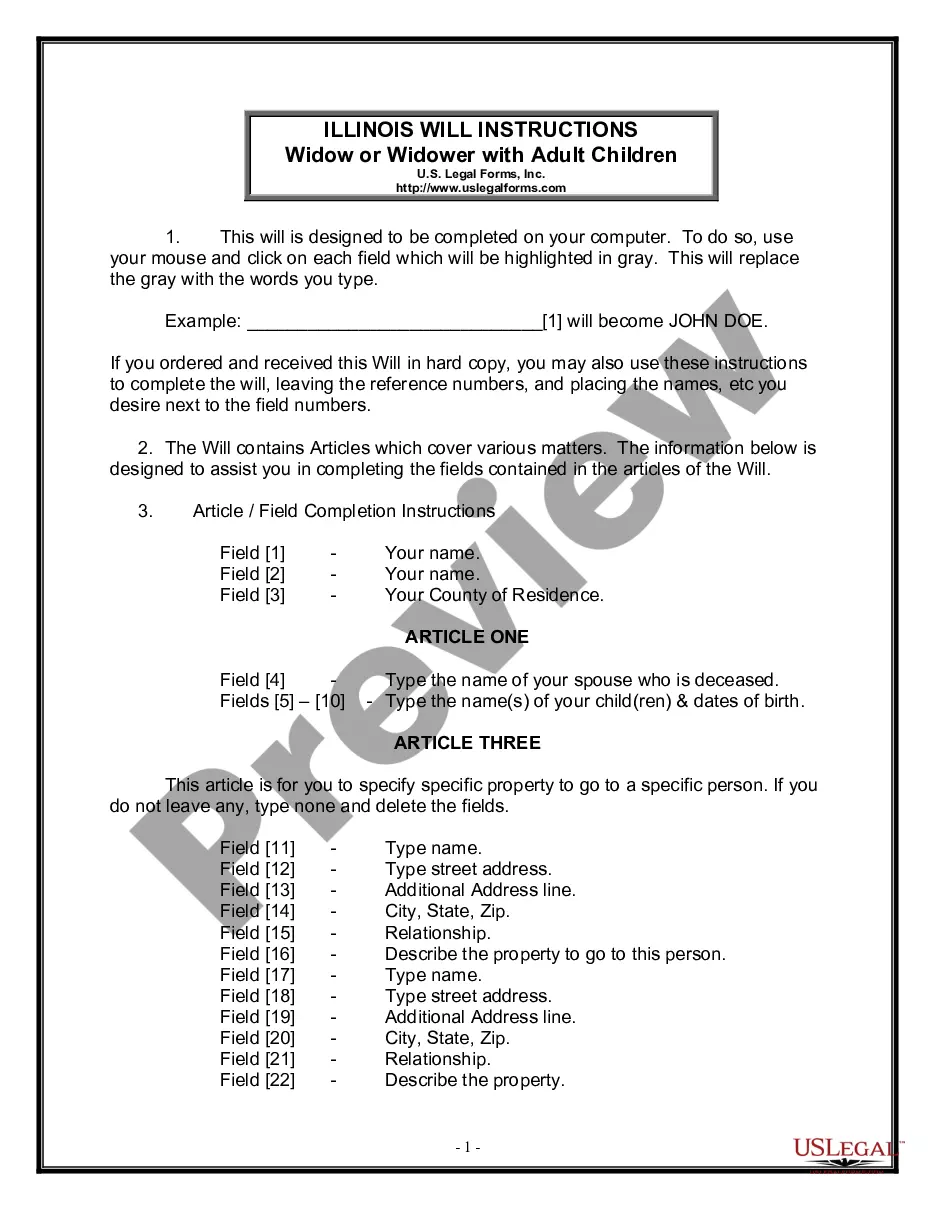
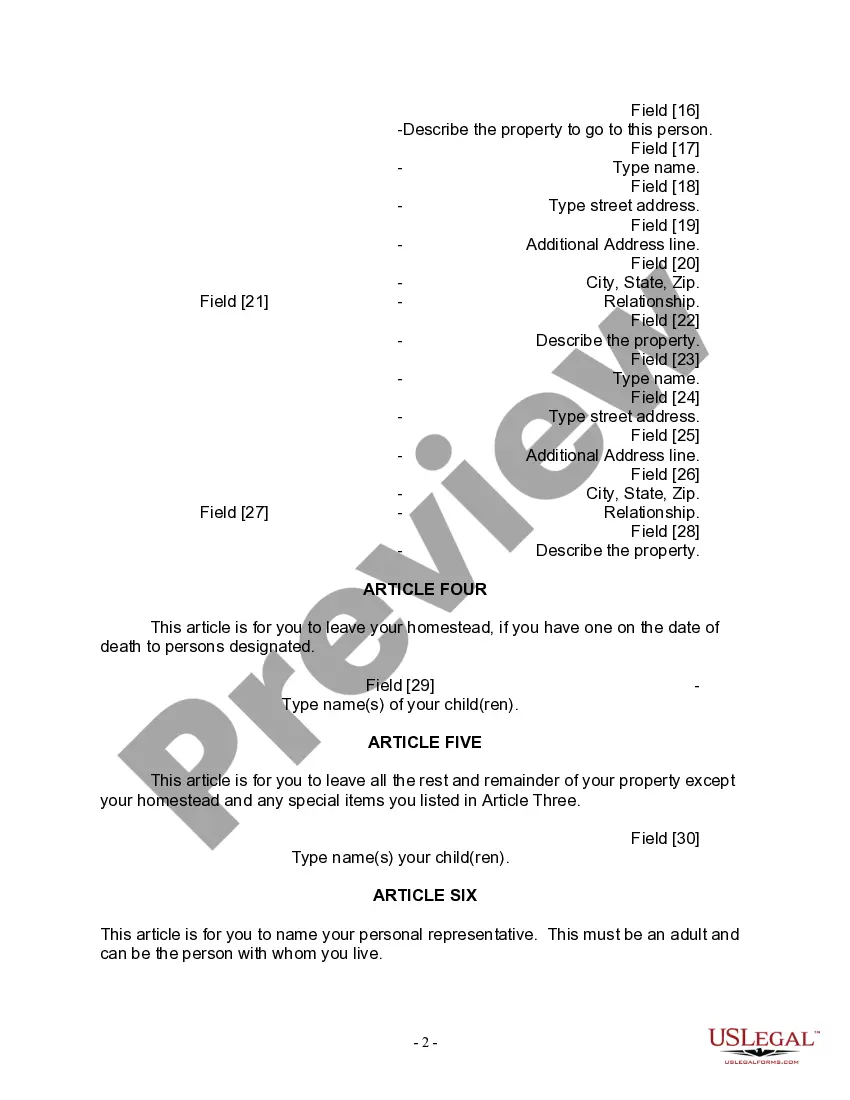
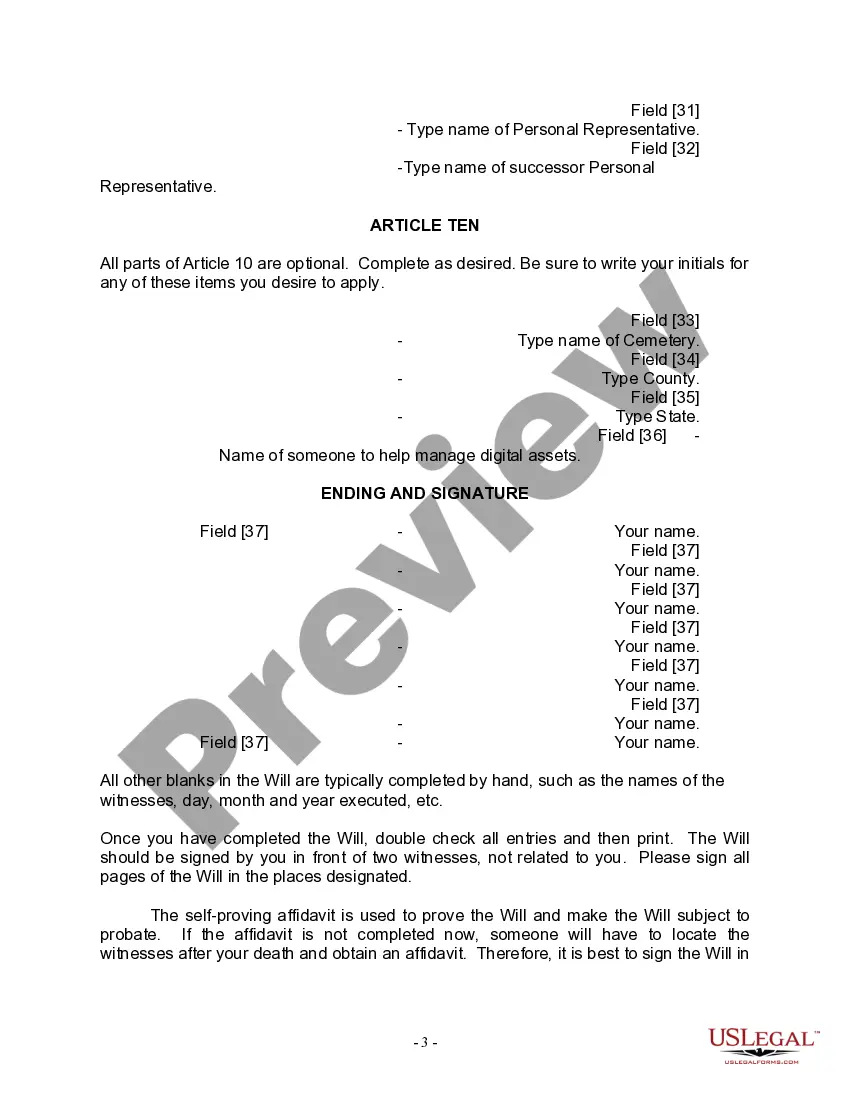

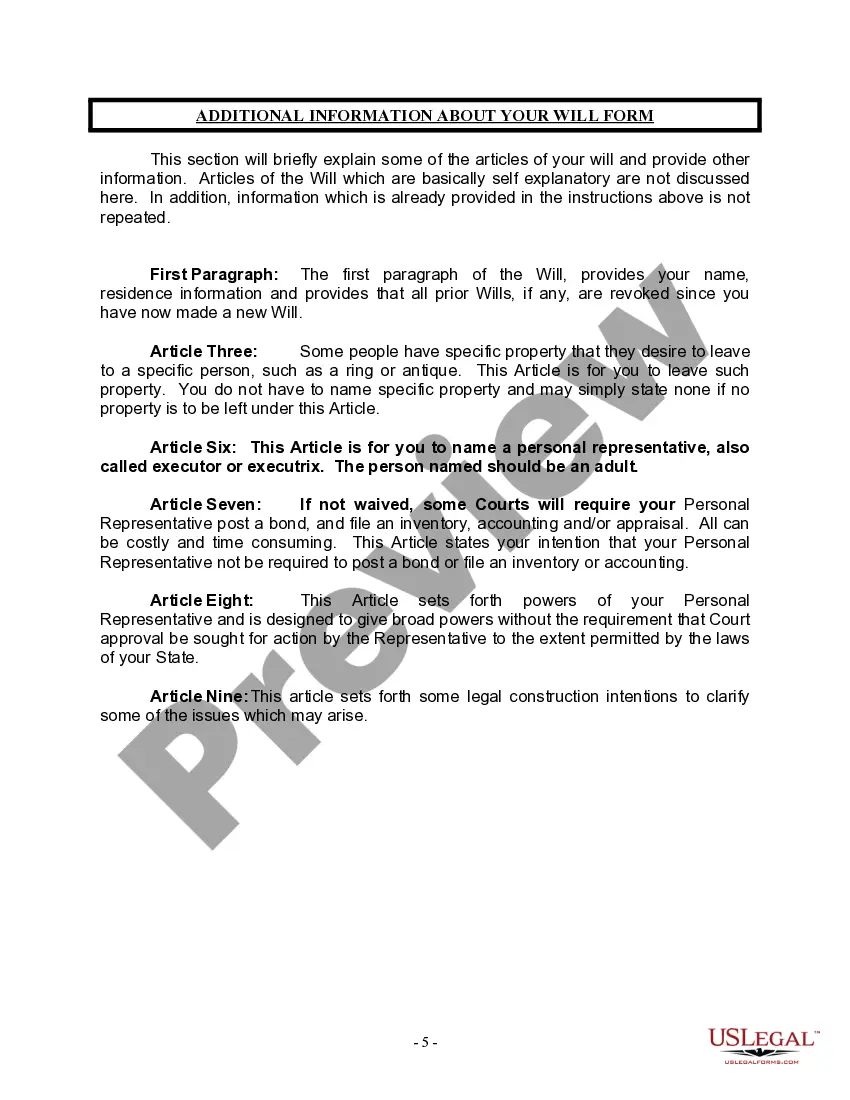
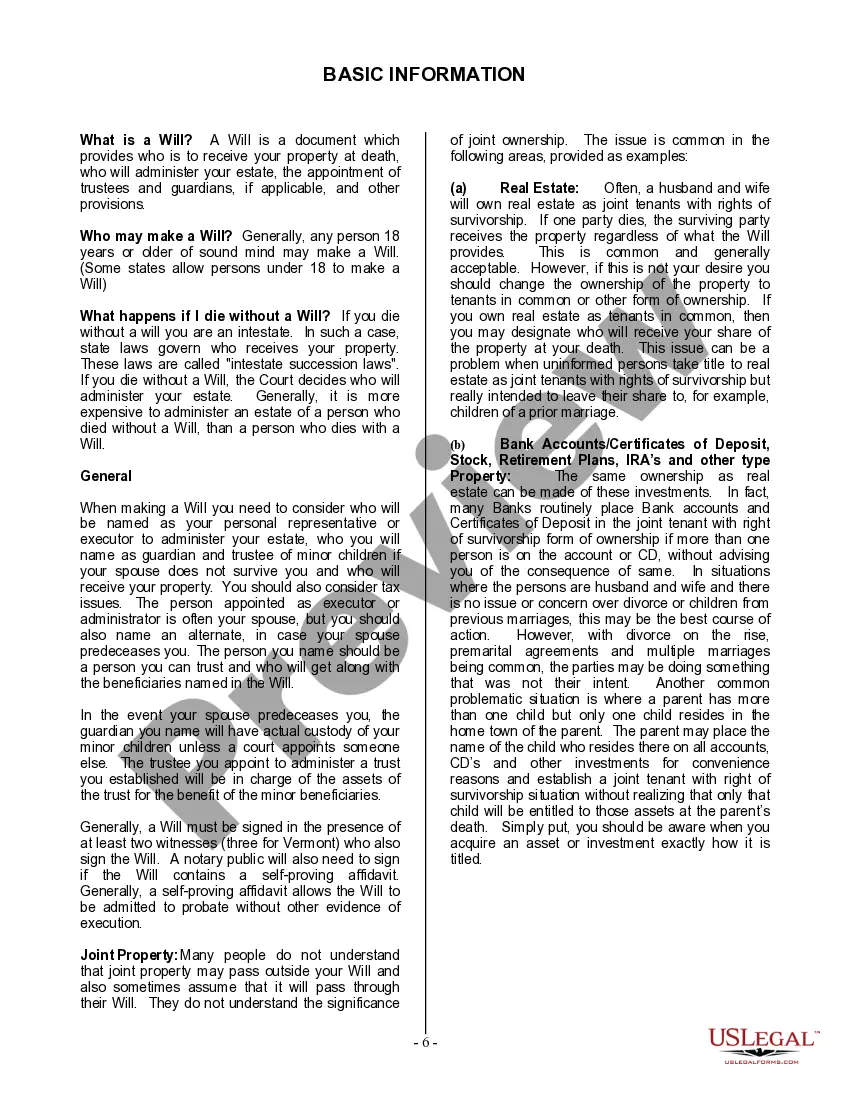

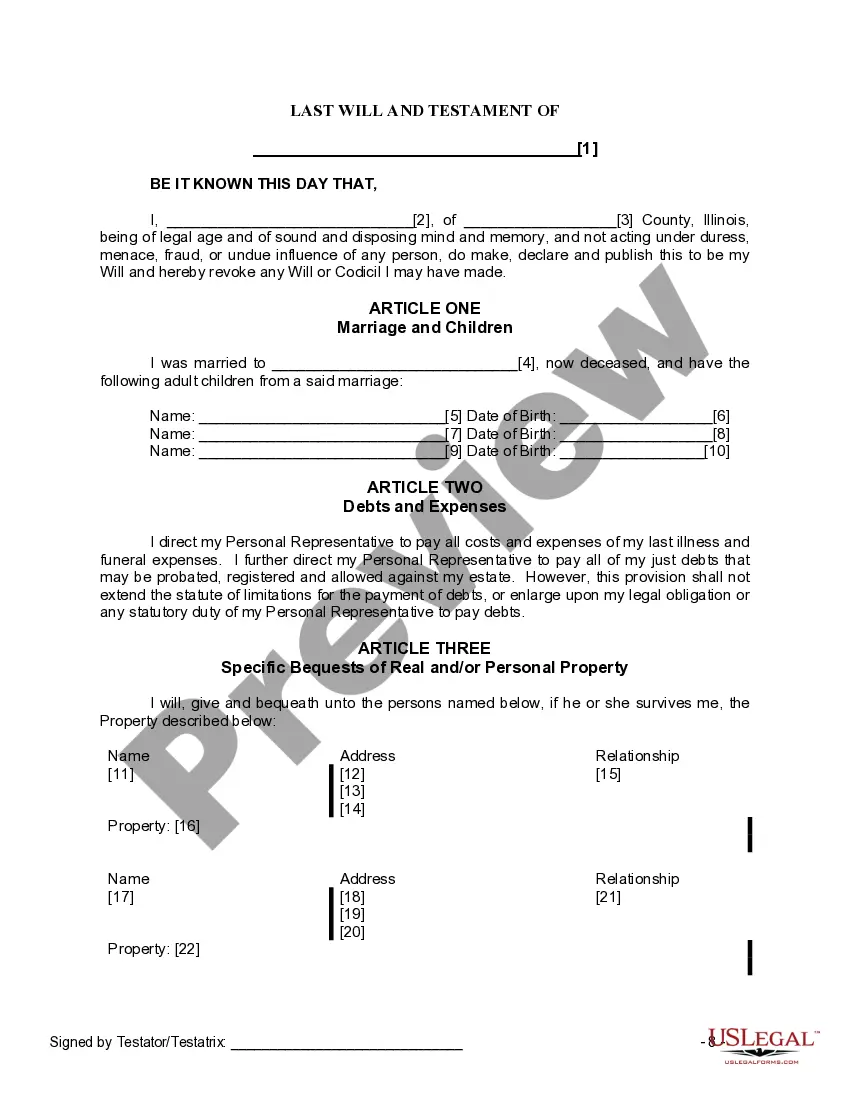
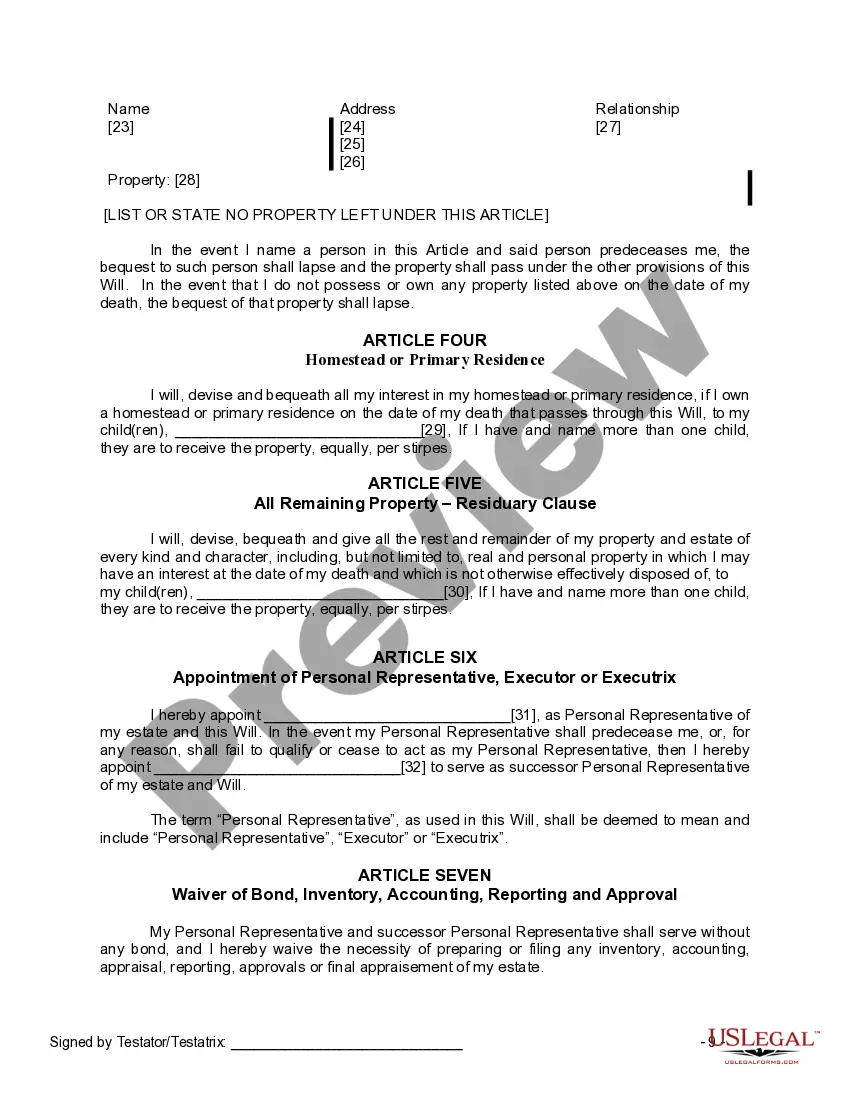
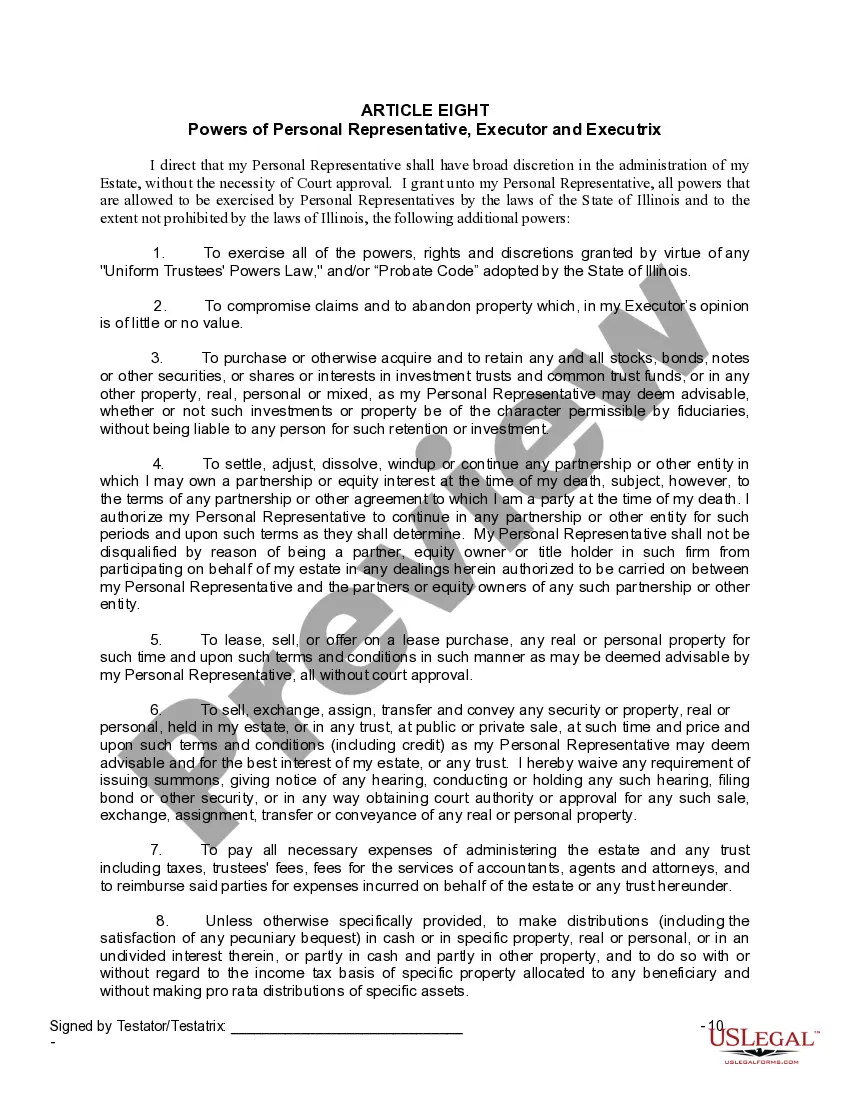





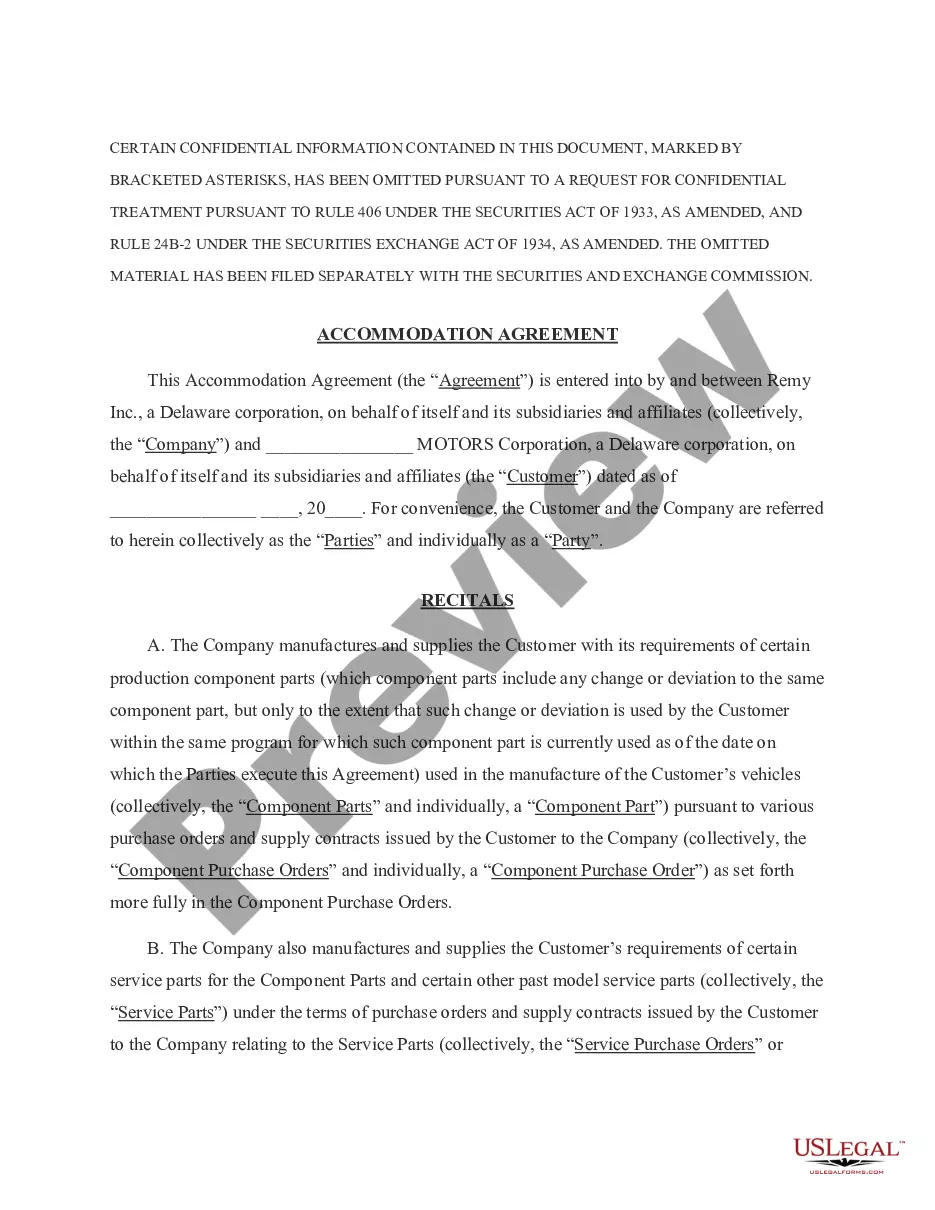
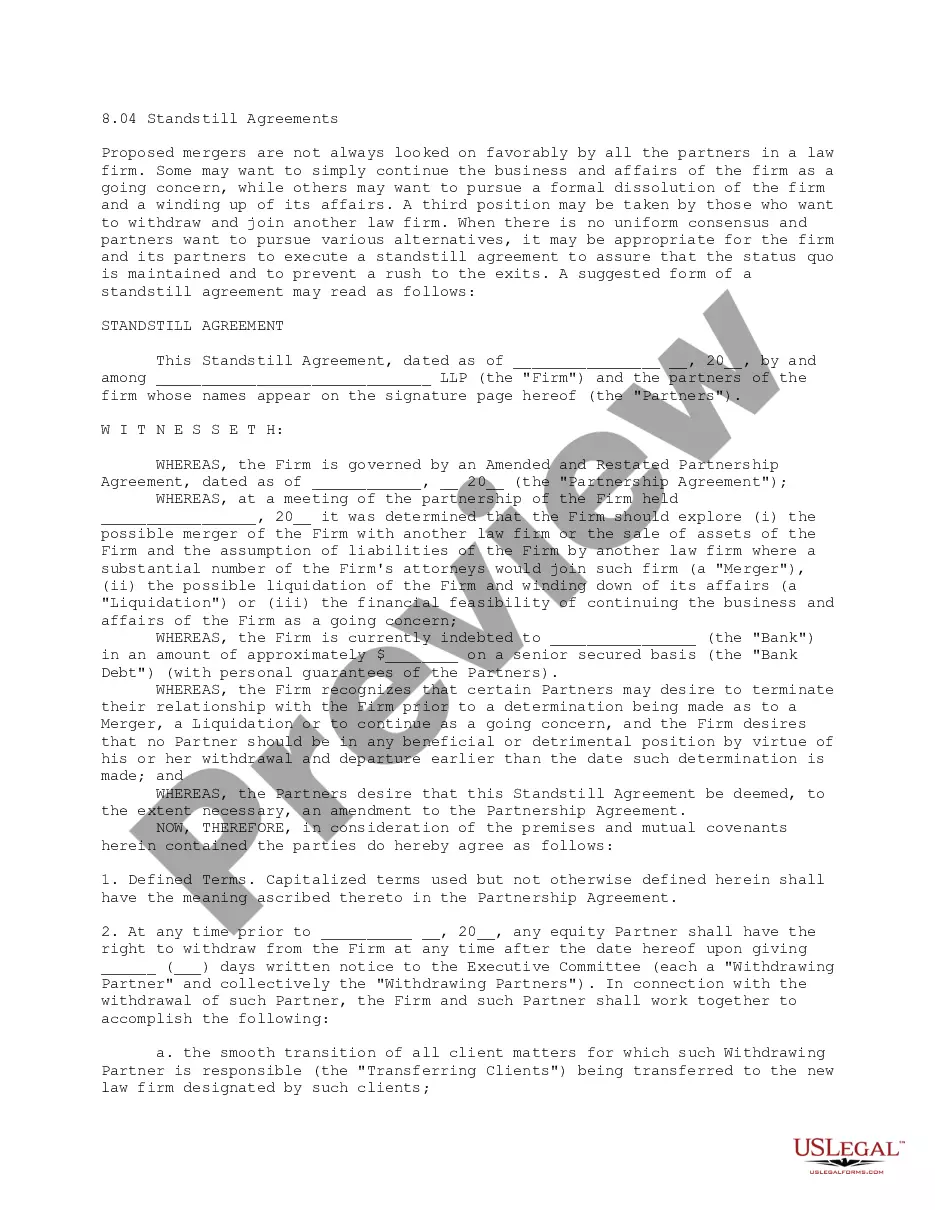

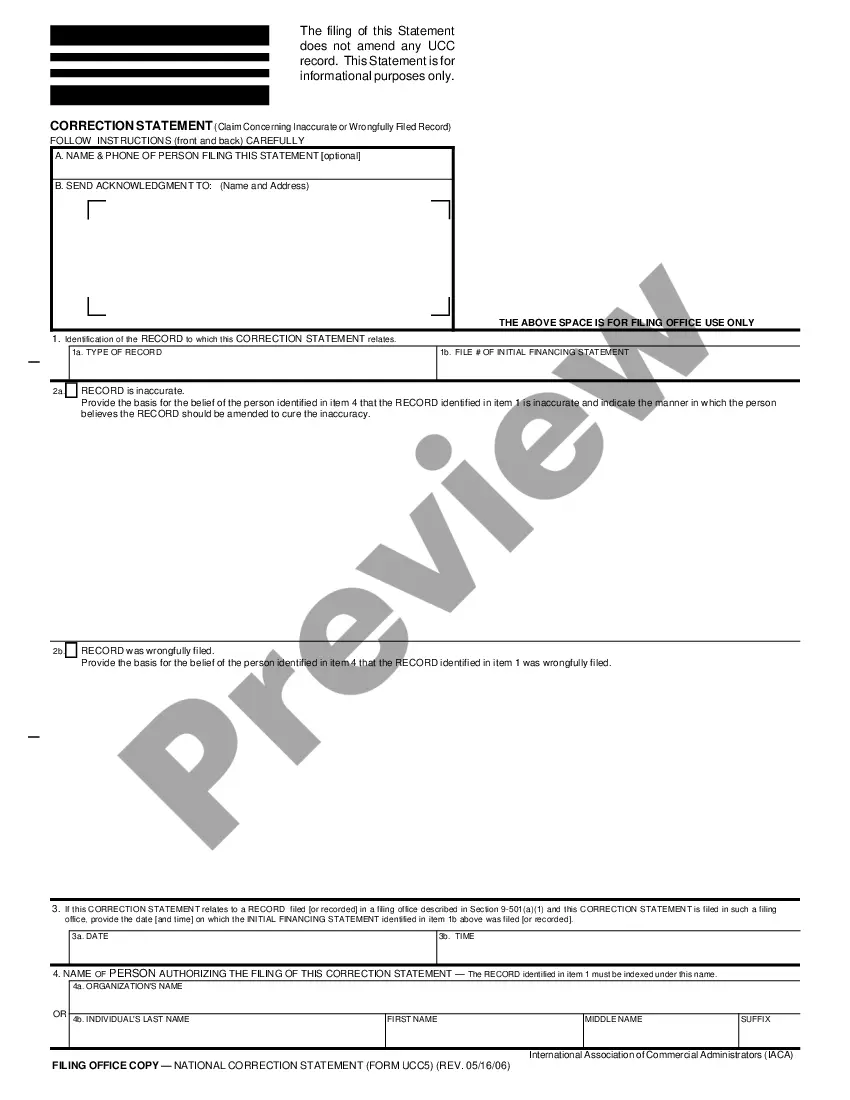
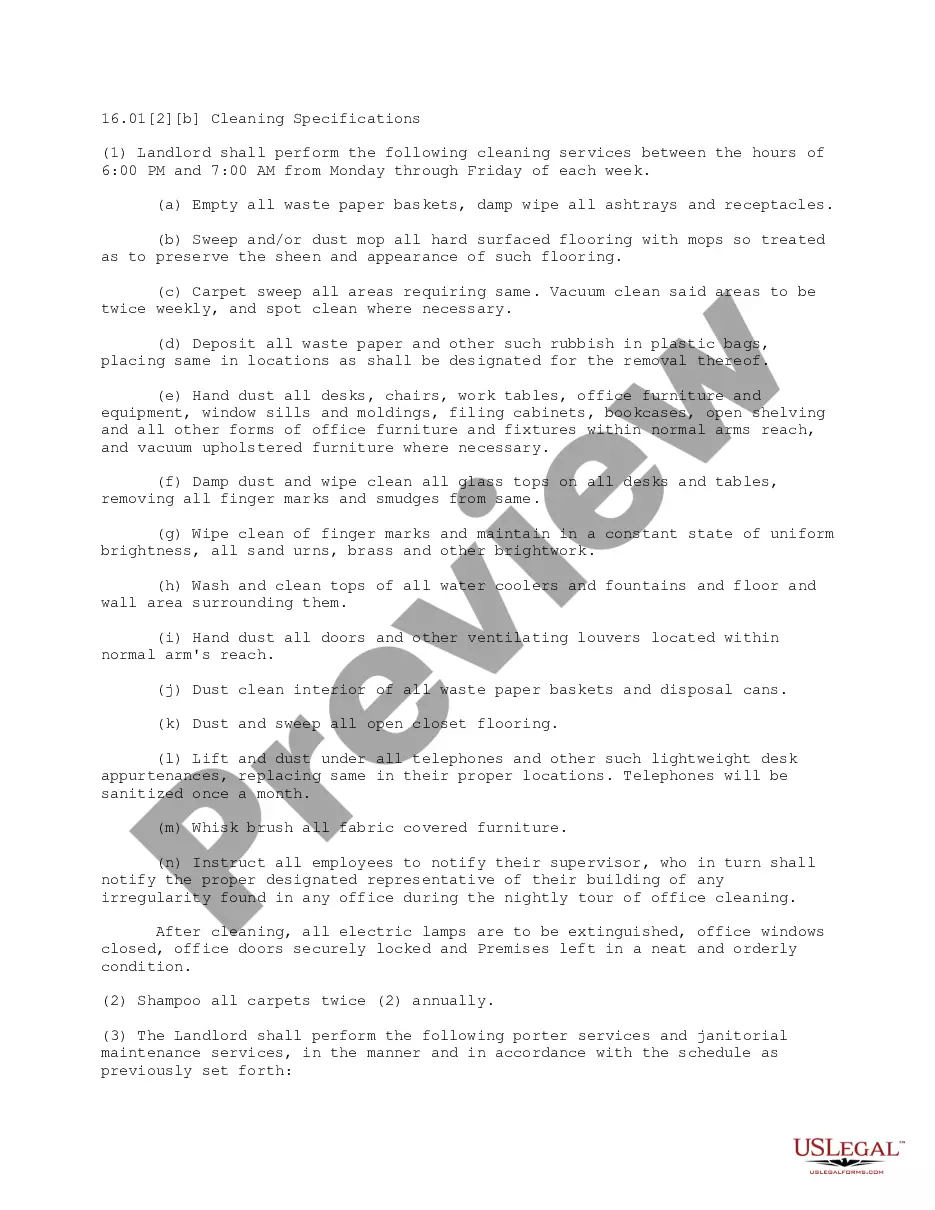
How to fill out Illinois Last Will And Testament For A Widow Or Widower With Adult Children?
It’s obvious that you can’t become a law professional overnight, nor can you figure out how to quickly draft Executor Person Estate With A Trust without having a specialized background. Putting together legal documents is a long process requiring a certain training and skills. So why not leave the creation of the Executor Person Estate With A Trust to the professionals?
With US Legal Forms, one of the most comprehensive legal template libraries, you can access anything from court documents to templates for in-office communication. We understand how crucial compliance and adherence to federal and local laws and regulations are. That’s why, on our platform, all forms are location specific and up to date.
Here’s start off with our platform and get the form you require in mere minutes:
- Find the document you need with the search bar at the top of the page.
- Preview it (if this option provided) and read the supporting description to figure out whether Executor Person Estate With A Trust is what you’re looking for.
- Begin your search again if you need any other form.
- Set up a free account and select a subscription option to buy the template.
- Pick Buy now. Once the payment is through, you can download the Executor Person Estate With A Trust, fill it out, print it, and send or mail it to the necessary individuals or organizations.
You can re-access your forms from the My Forms tab at any time. If you’re an existing client, you can simply log in, and find and download the template from the same tab.
Regardless of the purpose of your paperwork-be it financial and legal, or personal-our platform has you covered. Try US Legal Forms now!
Form popularity
FAQ
(A side note before I go further: trustee and executor are two different jobs, and each has its own duties and requirements. However, most people have no idea what the difference is, and have trouble keeping track of who is in charge of what. I generally advise clients to name the same person for both.
Yes, the executor and beneficiary can be named as the same person in the Will. It's perfectly normal and legal. It's actually a common approach because the executor should be someone you know and trust and it's common sense that your beneficiaries fall into that column.
The role of a trustee is different than the role of an estate executor. An executor manages a deceased person's estate to distribute his or her assets ing to the will. A trustee, on the other hand, is responsible for administering a trust. What Is The Difference Between Executor, Trustee & Guardian? Surprenant & Beneski, PC ? estate-planning Surprenant & Beneski, PC ? estate-planning
Keep a Record of Everything You Do For example, whenever you handle any financial responsibilities for the estate, keep a record of what you did and when. Documentation can help you avoid being accused of, among other things, negligence.
If you have a trust and funded it with most of your assets during your lifetime, your successor Trustee will have comparatively more power than your Executor. ?Attorney-in-Fact,? ?Executor? and ?Trustee? are designations for distinct roles in the estate planning process, each with specific powers and limitations.